How to Choose Cookware: Stainless Steel, Cast Iron, Carbon Steel, Ceramic and PTFE
Shopping for pots and pans can be confusing. Every material has fans, labels use terms such as “non-toxic” and “PFAS-free” without much explanation, and prices vary hugely. This guide explains the main cookware materials in plain language: how they cook, how to care for them, and what to know before you buy. It doesn’t recommend specific brands. The goal is to help you choose pieces that suit the way you cook.
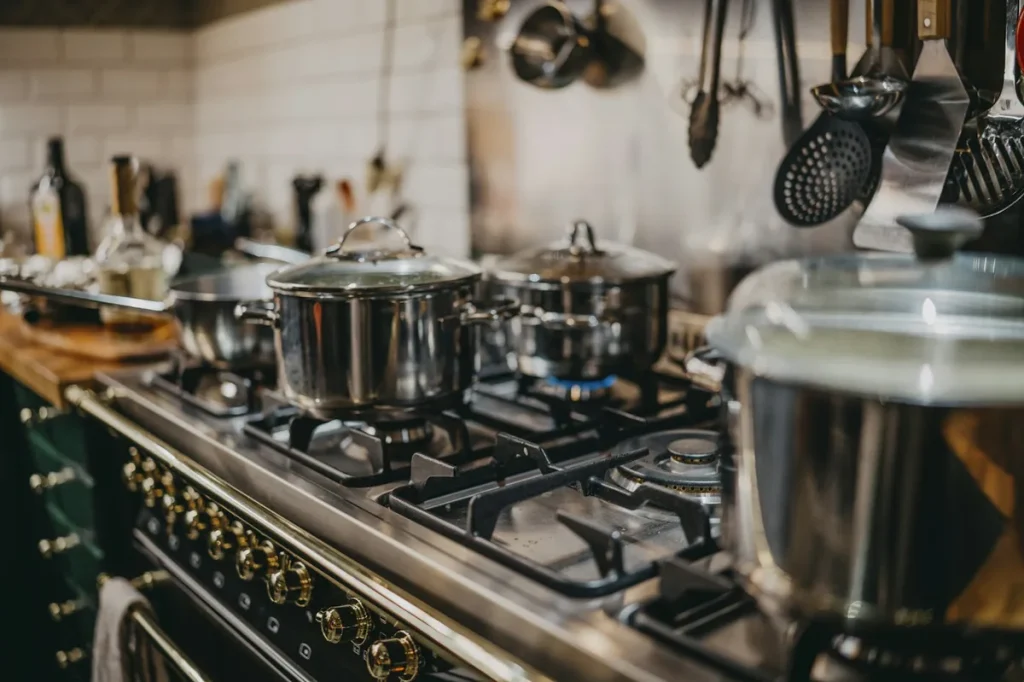
Start with how you cook
Before comparing materials, think about your habits. Do you mostly sauté vegetables, sear meat, simmer soups, bake, or cook eggs every morning? Do you want pans that go in the dishwasher? Do you have an induction cooktop? Most home cooks are well served by a few versatile pieces rather than a large matching set: a large skillet, a saucepan, a big pot for soups and pasta, and a sheet pan.
Stainless steel
Stainless steel is a workhorse in many kitchens. Good stainless pans usually have a core of aluminum or copper, either in the base or running up the sides (often called “clad”), because steel alone doesn’t conduct heat very evenly.
- Good for: Searing, sautéing, pan sauces, boiling and simmering. It doesn’t react with acidic foods like tomatoes.
- Things to know: Food can stick if the pan isn’t preheated or if you move food too early. Heat the pan, then add oil, and let food release naturally.
- Care: Usually dishwasher-safe (check the manufacturer’s instructions). Stuck-on bits come off with a soak, and stains respond to a paste of baking soda.
- Durability: Very durable with no coating to wear off.
Cast iron
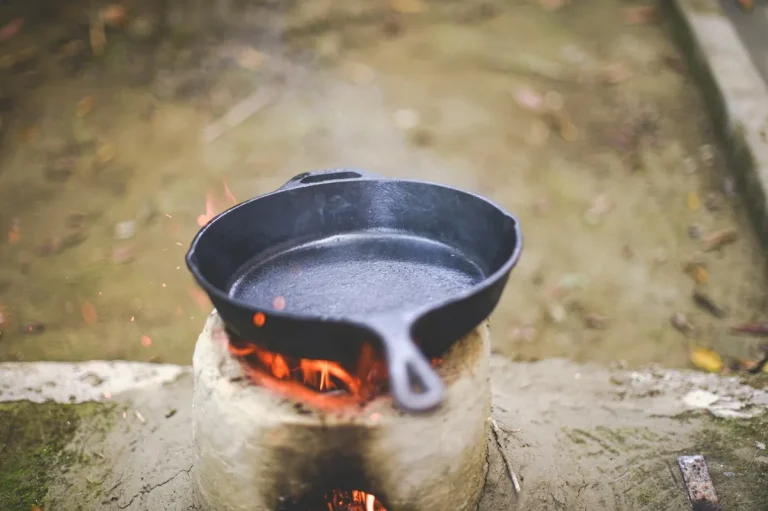
Cast iron is heavy, holds heat very well and can last for generations. Bare cast iron is protected by “seasoning”, a layer of oil baked onto the surface.
- Good for: Searing, shallow frying, cornbread, roasting and anything that benefits from steady heat. It works on induction.
- Things to know: It’s heavy and slow to heat. Long simmering of very acidic foods can affect the seasoning and give a metallic taste.
- Care: Hand-wash, dry thoroughly and rub with a thin layer of oil. Never let it soak in water.
- Enameled cast iron has a glass-like coating. It doesn’t need seasoning and handles acidic foods well. It’s great for braises and soups, but it can chip if dropped or heated empty at high heat.
Carbon steel
Carbon steel is like a lighter, thinner relative of cast iron. It’s common in restaurant kitchens and in woks.
- Good for: High-heat cooking, stir-fries, searing and, once well seasoned, eggs.
- Things to know: It needs seasoning like cast iron, and the surface darkens and becomes more non-stick with use. It can rust if left wet.
- Care: Hand-wash, dry on the stove and oil lightly.
Ceramic-coated (sol-gel) non-stick
“Ceramic” non-stick pans usually have a metal body (often aluminum) with a coating made by a sol-gel process. They are often marketed as free of PTFE and PFOA.
- Good for: Eggs, pancakes, fish and other delicate foods at low to medium heat.
- Things to know: Many users find the non-stick effect fades over time, often faster than traditional non-stick. High heat and cooking sprays can shorten its life.
- Care: Use wooden or silicone utensils, hand-wash, and avoid abrasive pads.
Traditional non-stick (PTFE) and what to know about PFAS
Most traditional non-stick pans use a PTFE coating. PTFE belongs to a large group of chemicals called PFAS (per- and polyfluoroalkyl substances). Some PFAS are persistent in the environment, and a number of them have been linked to health concerns, which is why they are being studied and regulated more closely. PFOA, a PFAS once used in making PTFE, has been phased out of US non-stick cookware manufacturing.
The science on cookware specifically is still developing, and different groups interpret it differently. If you choose to use PTFE non-stick, commonly given advice includes:
- Don’t preheat an empty non-stick pan on high heat, and use low to medium heat. Overheated PTFE can release fumes.
- Use the exhaust fan and keep pet birds away from the kitchen, because birds are especially sensitive to these fumes.
- Replace pans whose coating is badly scratched, flaking or peeling.
- Use soft utensils and follow the manufacturer’s care instructions.
Labels such as “PFOA-free” or “non-toxic” aren’t always clear. “PFOA-free” may still mean the coating is PTFE. If avoiding PFAS matters to you, uncoated stainless steel, cast iron, carbon steel and glass or enameled options avoid fluorinated coatings altogether.
Aluminum and copper
Bare aluminum is light and heats quickly but can react with acidic foods. Anodized aluminum has a harder, less reactive surface. Copper conducts heat very well and is usually lined with stainless steel or tin. Both are more often used as the core or exterior of other cookware than on their own.
A simple starter kit
- A 10–12 inch stainless steel or cast iron skillet for everyday cooking.
- A small non-stick or well-seasoned carbon steel pan for eggs, if you want one.
- A 3–4 quart stainless saucepan.
- A large stockpot or enameled Dutch oven for soups, like our lentil soup, and for pasta.
- Heavy rimmed sheet pans for roasting. See how to roast vegetables.
Buying tips
- Check that the pan works with your cooktop, especially induction.
- Pick up the pan: is the handle comfortable, and can you lift it full?
- Look for clear care instructions and a warranty.
- Buying pieces one at a time lets you find what you actually use.
Pairing pans with everyday recipes
A heavy skillet handles a weeknight vegetable stir-fry well, and an enameled Dutch oven is ideal for long-simmered dishes.
Frequently asked questions
Is one material the “healthiest”?
There’s no single answer. Stainless steel, cast iron, carbon steel and enameled cookware don’t use fluorinated coatings. Choose what fits your cooking and care habits.
Can I cook tomatoes in cast iron?
A quick tomato sauce in a well-seasoned pan is usually fine. For long-simmered acidic dishes, enameled cast iron or stainless steel is a better choice.
When should I replace a pan?
Replace coated pans when the coating is scratched or flaking. Stainless and cast iron can last decades with care.
This guide is for general information. We don’t sell cookware or receive payment for any brand. For health questions, talk to your doctor.
This article is for general information only and is not medical or nutrition advice. See our Disclaimer.