How to Roast Vegetables: Times, Temperatures and Pan Tips
Roasting is one of the easiest ways to make vegetables taste good. High, dry heat browns their natural sugars and concentrates their flavor, so even simple vegetables like carrots and broccoli become sweet and caramelized. Once you know the basic method, you can roast almost anything without a recipe.
This guide covers the essentials: oven temperature, cutting, oil and seasoning, spacing, and approximate times for the vegetables you are most likely to have on hand.
Use a hot oven
Most vegetables roast best between 400°F and 450°F (200°C to 230°C). At 425°F (220°C) they brown on the outside while becoming tender inside. Lower temperatures tend to steam vegetables rather than roast them. Position the rack in the lower or middle part of the oven; the bottom of the pan gets the most direct heat and gives the best browning.
Cut evenly
Cut vegetables into pieces of similar size so they cook at the same rate. Bite-size, 1- to 1 1/2-inch pieces work for most vegetables. Cut faces brown best, so halving Brussels sprouts or cutting carrots on the diagonal gives more surface to caramelize. If you are roasting a mix, either cut slower-cooking vegetables smaller or add quicker ones to the pan partway through.
Oil, salt and spacing
Toss vegetables with enough oil to coat them lightly, about 1 to 2 tablespoons per baking sheet, plus salt and pepper. Too little oil and they dry out; too much and they turn greasy. Toss in a bowl rather than on the pan for even coverage.
Spread the vegetables in a single layer with space between the pieces. Crowding is the most common cause of soggy roasted vegetables, because trapped moisture steams them. Use two pans if necessary. A large, heavy, rimmed baking sheet is the best tool; dark pans brown faster than light ones.
Preheating the empty pan for 10 minutes gives an immediate sear when vegetables hit it.
Approximate roasting times at 425°F (220°C)
- Asparagus, green beans, cherry tomatoes: 10–15 minutes.
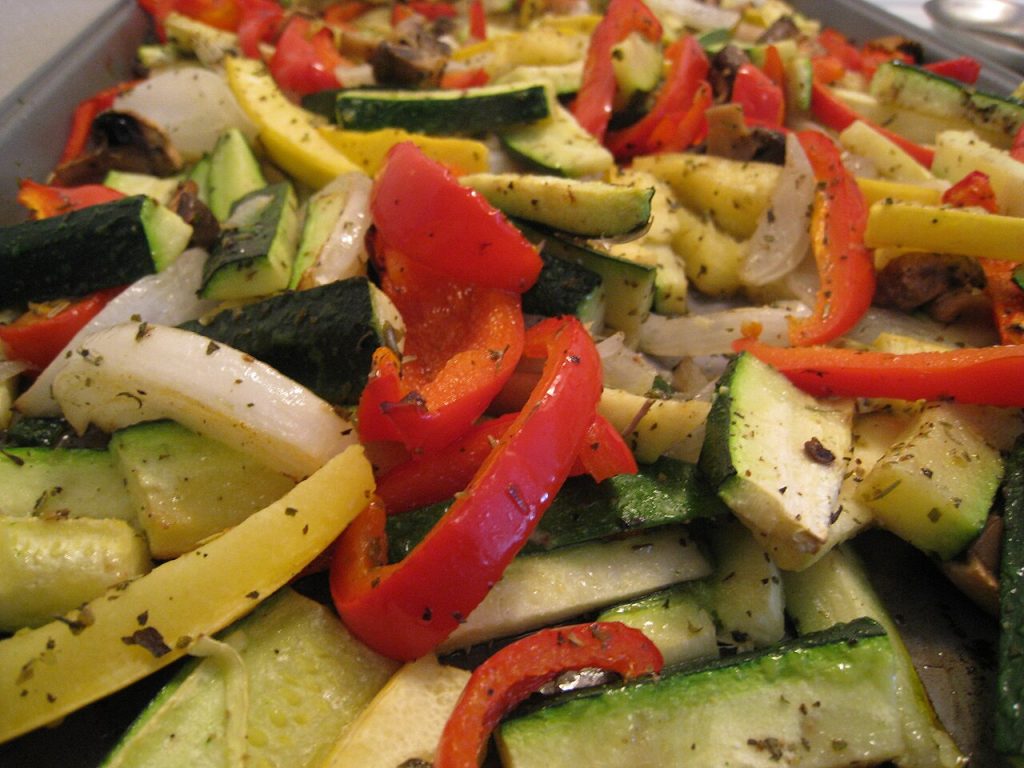
- Broccoli and cauliflower florets, zucchini, bell peppers, mushrooms: 20–25 minutes.
- Brussels sprouts (halved), red onion wedges: 20–30 minutes.
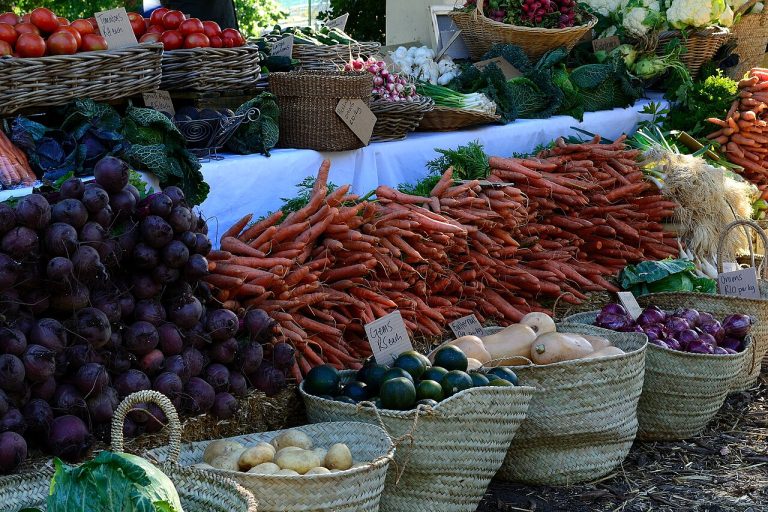
- Carrots, parsnips, beets (1-inch pieces): 25–35 minutes.
- Potatoes and sweet potatoes (1-inch cubes): 30–40 minutes.
- Winter squash (cubed): 25–35 minutes.
Times vary with the size of the pieces and your oven. Stir or flip once, halfway through. Vegetables are done when they are tender when pierced with a knife and browned in spots.
Seasoning after roasting
Delicate flavors burn in a hot oven, so add some seasonings at the end. Toss hot vegetables with fresh herbs, a squeeze of lemon, a splash of vinegar, grated Parmesan or a drizzle of tahini or pesto. Garlic can burn if it roasts for the full time; add minced garlic for the last 10 minutes or roast whole unpeeled cloves.
Common mistakes
The most frequent problems are an oven that is not hot enough, a crowded pan and pieces of very different sizes. Wet vegetables also steam rather than roast, so dry them well after washing. Using parchment paper makes cleanup easier, but vegetables brown slightly better directly on a lightly oiled metal pan.
Storing and reheating
Roasted vegetables keep in the refrigerator for 3 to 4 days. Reheat on a baking sheet at 400°F (200°C) for 5 to 10 minutes to restore some crispness, or eat cold in salads and grain bowls. A large tray roasted on the weekend is one of the simplest ways to have vegetables ready for meals all week.
Start with one or two vegetables, note how long they take in your oven, and build from there. Roasting is forgiving, and a little extra browning is usually a good thing.
This guide is general kitchen information, not food-safety certification or medical advice. See our Disclaimer and Image Credits.