How to Care for Cast Iron: Seasoning, Cleaning and Fixing Rust
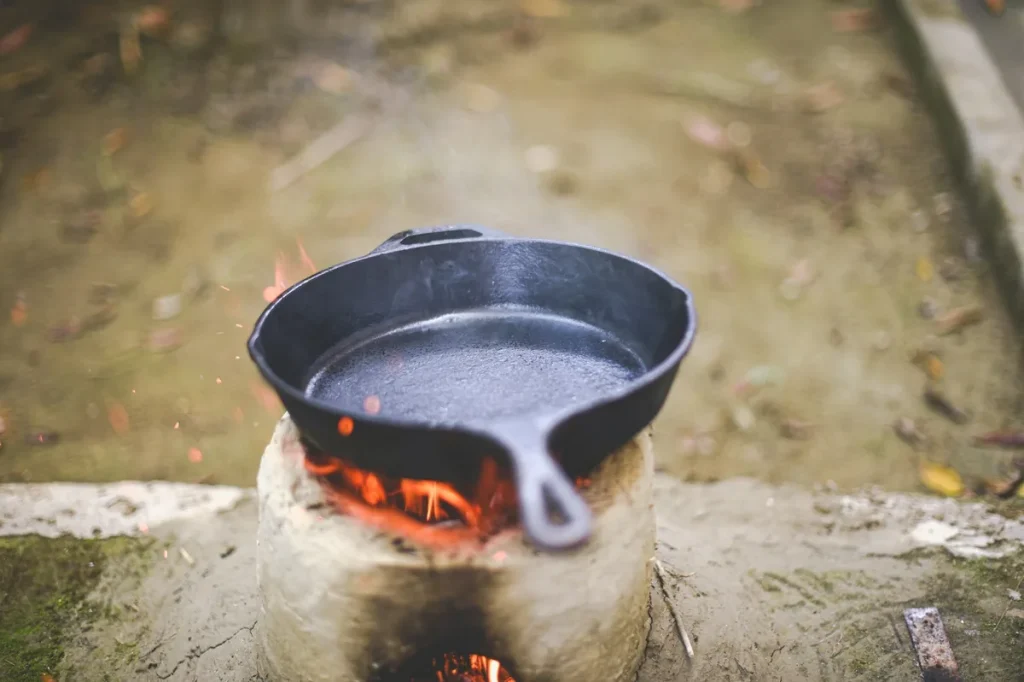
A cast iron skillet can last a lifetime, and many cooks inherit pans that have been in use for decades. Cast iron isn’t fussy, but it does have a few rules. Once you know them, caring for it takes a minute or two after each use. This guide covers seasoning, cleaning, everyday cooking, fixing rust and stickiness, and what to cook first.
What seasoning is
Seasoning is a thin, hard layer of oil that has been heated past its smoke point until it bonds to the iron. This process is called polymerization. The layer protects the pan from rust and gives it a naturally slick surface. Seasoning builds up gradually every time you cook with fat, which is why older pans often feel smoother and more non-stick.
Most new cast iron is sold pre-seasoned, so you can cook with it right away. A few extra rounds of seasoning at home can help.
How to season a pan in the oven
- Heat the oven to around 450–500°F (230–260°C), or whatever your oil and pan instructions suggest.
- Wash and dry the pan thoroughly. Warm it on the stove for a minute to drive off any moisture.
- Rub a very small amount of oil all over the pan, inside and out, including the handle. Use a neutral oil with a high smoke point, such as vegetable, canola or flaxseed oil, or vegetable shortening.
- Wipe off as much oil as you can with a clean cloth, as if you were trying to remove it. Too much oil leaves a sticky, blotchy finish.
- Place the pan upside down in the oven, with a sheet of foil or a tray on the rack below to catch drips.
- Bake for about an hour, then turn off the oven and let the pan cool inside.
- Repeat two or three times for a sturdier first layer.
Everyday cleaning
- Clean while warm. Rinse with hot water and scrub with a brush or non-scratch sponge.
- Soap is okay. A small amount of mild dish soap won’t strip well-polymerized seasoning. Just don’t soak the pan.
- Stuck-on food: Scrub with coarse salt and a little water, or simmer a bit of water in the pan for a minute and then scrape with a wooden spatula. A chainmail scrubber also works.
- Dry it right away. Wipe with a towel, then set it on low heat for a minute or two until all moisture is gone.
- Oil lightly. While it’s warm, rub in a few drops of oil and wipe off the excess.
- Avoid the dishwasher and long soaks, which cause rust.
Cooking tips
- Preheat gradually. Cast iron heats slowly and unevenly at first. Give it several minutes over medium heat.
- Use some fat, especially in a newer pan.
- Start with forgiving foods. Roasted vegetables, potatoes, seared chicken thighs and cornbread are great first meals and build seasoning. Try the method in our one-pan chicken thighs with root vegetables.
- Wait on eggs and delicate fish until the seasoning is well established.
- Acidic foods: Quick tomato sauces are usually fine. Long simmering of acidic or wine-based dishes can wear the seasoning and add a metallic taste. Use stainless steel or enameled cookware for those.
- Handles get hot. Always use a dry towel or a handle cover, and remember the handle stays hot after cooking.
Fixing common problems
- Rust spots: Scrub the rust away with steel wool, wash, dry thoroughly and re-season. Light rust is a cosmetic problem and very fixable.
- Sticky surface: This usually means too much oil was left on. Bake the pan upside down at a high temperature for an hour, or scrub and re-season with thinner coats.
- Flaking black bits: Usually old carbon build-up or poorly bonded seasoning. Scrub the area and re-season.
- Food sticks: Make sure the pan is properly preheated and use a little more fat. Seasoning improves with regular use.
- Musty smell: Heat the pan in the oven for a bit, then store it with the lid off.
Storage
- Store cast iron in a dry place. If stacking, place a paper towel between pans to protect the surface and absorb moisture.
- Don’t store food in cast iron. Move leftovers to a container; glass containers with tight lids work well.
- Leave lids off or slightly ajar to allow airflow.
Enameled cast iron is different
Enameled cast iron has a glass-like coating and doesn’t need seasoning. Wash it with soap and water, avoid metal scouring pads, and don’t heat it empty on high, which can damage the enamel. It’s excellent for soups, stews and braises like our beef and vegetable stew.
Is cast iron a good choice for you?
Cast iron is affordable, durable and coating-free, and works on gas, electric and induction cooktops. It’s heavy, though, and needs drying and oiling after use. If you’d like to compare it with other materials, see our cookware materials guide in the Non-Toxic Kitchen section.
What to cook in a new skillet
Good first recipes use a fair amount of fat and are forgiving: roasted vegetables, seared potatoes, cornbread, and shallow-fried foods. Each one adds a little to the seasoning layer.
Above all, use the pan often. Regular cooking with a little fat is the best way to build and maintain seasoning. A skillet that hangs on the wall unused is more likely to develop rust or dull spots than one that sees the stove a few times a week. A little care after each use is all it takes.
Frequently asked questions
Does cooking in cast iron add iron to food?
Some iron can transfer to food, especially with acidic or long-cooked dishes, but the amount varies. Don’t rely on it for your iron intake. If you have questions about iron, such as iron-deficiency anemia or a condition that causes iron overload, talk to your doctor or a registered dietitian.
Can I use metal utensils?
Yes. Metal spatulas are fine on bare cast iron and can even smooth the surface over time.
Can I use it on a glass-top stove?
Generally yes. Lift rather than slide the pan to avoid scratching, and check your stove manufacturer’s guidance.
This guide is for general information and doesn’t endorse any brand.
This article is for general information only and is not medical or nutrition advice. See our Disclaimer.