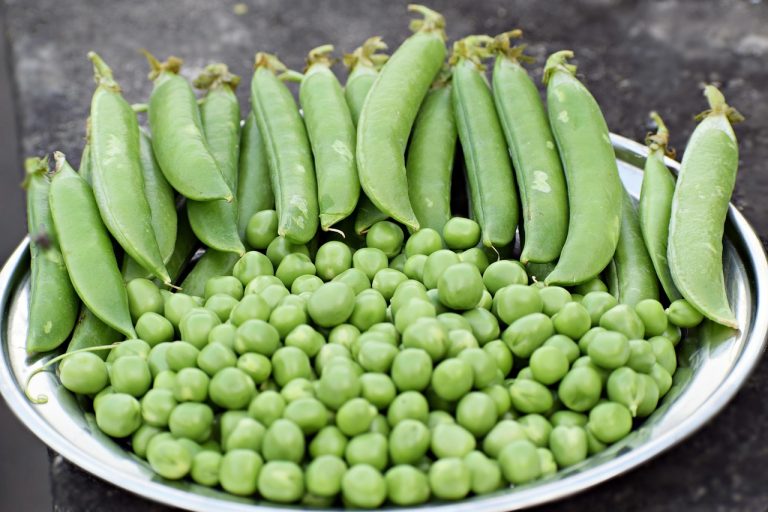


Photo by Anete Lusina on Pexels
Your digestion influences far more than the comfort of your stomach. It affects energy, cravings, mood, immunity, and even how your skin looks in the mirror. When your meals are built around organic food and thoughtful clean eating habits, you are not just eating better. You are creating a daily environment where your gut can do its job with less strain and more consistency. Have you ever noticed that one breakfast leaves you calm and focused while another leaves you bloated by noon? That difference often comes down to food quality, fiber balance, and how well your meals support the microbiome. This article explores how to use organic food to support gut health in a practical, realistic way that fits a healthy lifestyle, supports nutrition goals, and can even help with weight loss over time.
Why gut health matters more than most people realize
The gut is often described as a second brain, and that is not a marketing slogan. Your digestive system communicates constantly with the rest of your body. When digestion is smooth, you are more likely to feel energized, mentally clear, and satisfied after meals. When the gut is irritated, even the best intentioned healthy diet can feel unpredictable. Bloating, sluggishness, gas, constipation, loose stools, acne flare-ups, and intense sugar cravings are all clues that your digestive system needs more support. If you are trying to lose weight, improve nutrition, or follow a detox diet the right way, gut health deserves a front-row seat.
The gut-brain connection
Your microbiome helps influence neurotransmitters, appetite signals, and inflammation. That means gut-friendly habits may help you feel calmer and more in control of food choices. Ask yourself this: when you are stressed and your digestion is off, do you reach for ultra-processed snacks or feel drawn to heavy meals? A stable gut can make clean eating feel less like a rule and more like a natural preference.
Common signs your digestion needs attention
- Frequent bloating after meals
- Inconsistent bowel movements
- Cravings that hit hard between meals
- Low energy in the afternoon
- Skin breakouts that seem linked to food
- Feeling unusually heavy after eating even small portions
If several of these sound familiar, your body may be asking for simpler meals, more fiber, and fewer ingredients that strain the digestive system.
Why organic food can be a smart choice for your gut
Organic food is not a cure-all, but it can remove a few obstacles that make digestion harder than it needs to be. Choosing organic produce may reduce exposure to pesticide residues and support a more natural eating pattern built around whole ingredients. That matters because gut health is influenced not only by what you eat, but by what you eat less of. Many people find that when they shift toward clean eating, their appetite becomes steadier and their meals feel more satisfying. That is one reason organic food often shows up in conversations about healthy lifestyle changes, nutrition upgrades, and even sustainable weight loss.
Organic does not mean magic, but it can help
It is important to stay grounded. An organic cookie is still a cookie. Organic soda is still soda. But when organic food replaces highly processed options, the body usually benefits from more fiber, fewer additives, and a simpler ingredient list. For sensitive digestive systems, that difference can be meaningful.
Think of organic food as a tool, not a trophy. Use it to build meals that are easier to digest, more nutrient dense, and less likely to trigger a crash later in the day.
The best organic foods for gut health
Not every organic ingredient contributes to better digestion in the same way, so it helps to think in categories. The most effective gut-friendly foods tend to do one or more of the following: feed beneficial bacteria, soothe inflammation, improve bowel regularity, or provide steady energy without overwhelming the digestive system. [IMAGE: organic vegetables]
Fermented foods that support the microbiome
Fermented foods are some of the most valuable additions to an organic food routine. They can introduce helpful microbes and create a more diverse internal environment. Look for organic versions when possible, especially if you want to keep your clean eating plan as pure as possible.
- Organic yogurt with live active cultures
- Kefir
- Sauerkraut
- Kimchi
- Miso
- Tempeh
- Pickles fermented in brine, not vinegar alone
Start small if your digestion is sensitive. A spoonful of sauerkraut or a half cup of yogurt can be enough to see how your body responds. More is not always better, especially if you are new to fermented foods.
Fiber-rich organic vegetables
Fiber feeds the gut bacteria that help keep digestion regular. Organic vegetables are especially useful because they can anchor meals without feeling heavy. The key is variety.
- Leafy greens such as spinach, kale, and arugula
- Cruciferous vegetables such as broccoli, cauliflower, and Brussels sprouts
- Root vegetables such as carrots, beets, and sweet potatoes
- Zucchini, cucumbers, asparagus, and fennel
If you struggle with bloating, try lightly cooked vegetables first. Raw salads are healthy, but they are not always the gentlest choice for every stomach.
Prebiotic fruits and grains
Prebiotics are the fibers that feed beneficial bacteria. They are especially helpful if you want your healthy diet to work for more than just short-term detox. Organic oats, bananas, apples, berries, and cooked-and-cooled potatoes can all play a role. Chia seeds and flaxseeds are also strong options because they add soluble fiber and help support regular bowel movements.
Healthy fats and seeds
Good fats can make a meal more satisfying while supporting nutrient absorption. Avocados, extra-virgin olive oil, walnuts, almonds, pumpkin seeds, chia, and flax can all fit into a gut-friendly organic food pattern. If you are trying to manage weight loss, these foods can help you stay full longer without relying on heavy, processed snacks.
How to build a gut-friendly plate every day
You do not need a perfect menu to improve digestion. You need a repeatable structure. A gut-friendly plate usually combines fiber, protein, healthy fats, and a small fermented element when tolerated. This balance helps steady blood sugar, reduce overeating, and make clean eating feel practical rather than restrictive. [IMAGE: healthy meal]
The simple plate formula
- Half your plate from colorful vegetables
- A palm-sized portion of quality protein
- A serving of smart carbohydrates like oats, quinoa, or sweet potato
- A source of healthy fat such as avocado, olive oil, or seeds
- A small fermented side if your body tolerates it
This structure works whether you eat omnivore, vegetarian, or mostly plant-based. The point is not perfection. The point is rhythm. Your gut likes consistency.
A sample organic day for digestion
Breakfast
Organic oats cooked with cinnamon, chia seeds, berries, and a spoonful of yogurt. This gives you fiber, gentle sweetness, and a microbiome-friendly start.
Lunch
A bowl with leafy greens, roasted vegetables, organic quinoa, grilled chicken or chickpeas, olive oil, and a side of sauerkraut.
Snack
An apple with almond butter or a small handful of walnuts and pumpkin seeds.
Dinner
Salmon or tofu with steamed broccoli, carrots, and a baked sweet potato. If you want something soothing, add a light miso broth.
When meals look this balanced, you may notice that cravings soften and evening snacking becomes easier to control. That is one of the quiet benefits of a healthy lifestyle built on real food.
Foods to limit when your gut feels sensitive
Even in a diet centered on organic food, some choices can still disrupt digestion. This is where clean eating becomes more than a slogan. It asks you to pay attention. Which foods leave you calm and nourished, and which ones leave you inflamed, puffy, or tired?
Ingredients that often cause trouble
- Large amounts of added sugar
- Refined white flour products
- Alcohol in excess
- Very greasy fried foods
- Artificial sweeteners that bother your stomach
- Ultra-processed snacks labeled organic but still loaded with additives
One of the most common mistakes is assuming that the organic label automatically makes a food healthy. It does not. A package can be organic and still be poor for your nutrition goals if it is highly refined or overloaded with sugar.
Personal triggers matter more than trends
Some people feel better with less dairy. Others need to reduce gluten. Some do well with beans, while others need smaller portions or gentler preparation. If you are exploring a detox diet or trying to improve weight loss, pay attention to the foods your body consistently resists. That kind of honest observation is far more useful than a one-size-fits-all plan.
Clean eating habits that support digestion beyond the plate
Food quality matters, but your habits around food matter too. The same organic meal can feel nourishing or uncomfortable depending on how you eat it. Slow down, breathe, and give your body a chance to register fullness. That alone can improve digestion and reduce overeating.
Small habits with big impact
- Chew thoroughly instead of rushing meals
- Drink water regularly, but avoid chugging large amounts mid-meal if that bothers you
- Take a short walk after eating
- Eat at roughly similar times each day
- Stop when you feel satisfied, not stuffed
- Keep late-night snacking occasional rather than automatic
These habits sound basic because they are. But basic does not mean ineffective. In fact, the most sustainable healthy diet is often the one that respects your body’s natural rhythm.
[IMAGE: fitness lifestyle]
A gentle 7-day organic reset for better digestion
If you are tempted by a detox diet, make it gentle, food-based, and supportive rather than extreme. Your goal is not to punish your body. It is to give your gut a quieter, cleaner environment so it can recover and rebalance. A seven-day reset can help you notice which foods make you feel energized, lighter, and more comfortable.
Day 1 to day 2
Focus on hydration, cooked vegetables, oats, berries, simple protein, and one fermented food per day if tolerated. Keep meals steady and avoid heavy snacking.
Day 3 to day 4
Add more color to your plate with leafy greens, beets, carrots, cucumber, and citrus. Reduce packaged foods and use olive oil, lemon, herbs, and spices for flavor.
Day 5 to day 6
Include soups, broths, quinoa bowls, chia pudding, and easy-to-digest dinners. This is a good time to notice whether smaller meals help your energy and digestion.
Day 7
Review what worked. Did your stomach feel calmer? Were your cravings lower? Did you feel more in control of your appetite? Those clues matter more than the scale alone.
Used wisely, this kind of reset can support weight loss indirectly by reducing bloating, stabilizing eating patterns, and making whole foods more appealing.
Organic breakfast ideas that are easy on the stomach
Breakfast can set the tone for the rest of the day. If your morning meal is too sugary or too heavy, your digestion may feel off before lunch. That is why gut-friendly organic breakfast ideas are so useful for people who want clean eating without complicated recipes.
Five easy options
- Organic oats with berries, flax, and cinnamon
- Greek yogurt with chia seeds and sliced kiwi
- Eggs with spinach and avocado on whole grain toast
- Smoothie with kefir, banana, berries, and hemp seeds
- Warm quinoa bowl with apple, walnuts, and a drizzle of nut butter
The best breakfast is the one you enjoy and can repeat. If you feel better eating savory food in the morning, listen to that. If fruit feels too acidic, swap it for cooked grains and protein.
Shopping smarter for organic food without overspending
Many people love the idea of organic food but worry about the cost. The good news is that a gut-friendly healthy lifestyle does not require buying every item organic. Focus your budget on the foods you eat most often and the items most likely to carry residue, then fill in the rest with the best quality you can reasonably afford.
Where to spend first
- Leafy greens
- Apples and berries
- Peppers
- Celery
- Grapes
- Milk, yogurt, and eggs if they are part of your routine
Where you can be flexible
- Avocados
- Onions
- Bananas
- Pineapples
- Sweet corn
- Frozen organic vegetables
Frozen organic produce is often a smart move. It lasts longer, reduces waste, and can be just as nutritious as fresh produce. For busy people, that matters. Healthy habits should support real life, not compete with it.
How gut health can support weight loss naturally
Weight loss is not just about cutting calories. It is also about reducing the habits that trigger overeating, inflammation, and energy crashes. When your gut feels good, it is easier to choose meals that truly satisfy you. You may find that cravings soften, portions feel more natural, and your relationship with food becomes less reactive.
Why this works
- Fiber-rich organic food improves fullness
- Protein and healthy fats slow digestion and curb snacking
- Stable blood sugar can reduce impulsive eating
- Less bloating can help you feel lighter and more motivated
- Better digestion often leads to better food choices overall
Still, healthy weight loss should never be about chasing rapid changes. A gut-friendly plan works because it is sustainable. You are building a body that is easier to nourish day after day.
Simple meal prep ideas that make clean eating easier
Meal prep is one of the strongest tools for staying consistent. When your refrigerator already contains ready-to-use organic food, clean eating becomes the easiest option rather than the hardest. That is how nutrition habits stick.
Prepare these staples once or twice a week
- Roasted vegetables
- Cooked quinoa or brown rice
- Washed greens
- Hard-boiled eggs or baked tofu
- Chia pudding or overnight oats
- Homemade dressing with olive oil, lemon, and herbs
Then mix and match them into bowls, wraps, salads, and soups. The less decision-making you need at lunchtime, the more likely you are to stay on track.
Myths that can confuse your gut-friendly food choices
There is a lot of noise around nutrition, and not all of it is helpful. A strong healthy lifestyle depends on clarity, not hype. Let us clear up a few common myths so your choices feel more confident.
Myth: organic means you can eat unlimited amounts
Portion size still matters. Organic desserts, chips, and sweets can still affect blood sugar and digestion if you eat them frequently or in large amounts.
Myth: raw is always better than cooked
Some people thrive on raw vegetables. Others feel bloated and uncomfortable. Cooking can make food easier to digest and more soothing for a sensitive gut.
Myth: a detox diet should be extreme
Real detox support comes from enough water, fiber, sleep, movement, and whole organic food. You do not need juice-only days to care for your body.
When to pay closer attention to your body
If you have ongoing digestive symptoms, it is wise to be observant and, when needed, seek personalized guidance. Food can support wellness, but it should not replace proper care when symptoms are persistent or severe. A well designed nutrition plan can be powerful, but your body may also need specific support.
Ask yourself these questions
- Do I feel better with cooked or raw meals?
- Which breakfast keeps me full without bloating?
- Are my snacks helping or harming my energy?
- Which organic foods do I actually enjoy enough to repeat?
- Am I eating for nourishment or just out of habit?
Those questions turn food from a guessing game into a learning process. That is where long-term progress begins.
What a sustainable gut-friendly lifestyle really looks like
The best plan is not the most restrictive one. It is the one that helps you feel calm around food, energized after meals, and clear enough to notice your body’s signals. A sustainable organic food routine does not require constant perfection. It asks for repetition, balance, and a willingness to adjust when something stops serving you.
Maybe your first step is a breakfast swap. Maybe it is adding one fermented food each day. Maybe it is buying a few more organic vegetables this week and cooking them ahead of time. Small changes add up quickly when they are repeated often enough. And if you want to turn clean eating into a true healthy lifestyle, the simplest question is often the most useful one: what can you do today that your future digestion will thank you for?
Keep building from that answer, and the benefits of organic food, better nutrition, and a calmer gut will begin to feel less like a trend and more like your new normal. If you enjoyed this guide, read more articles on DietOrganic for practical ideas that make healthy living feel elegant, achievable, and worth repeating.
About the Author