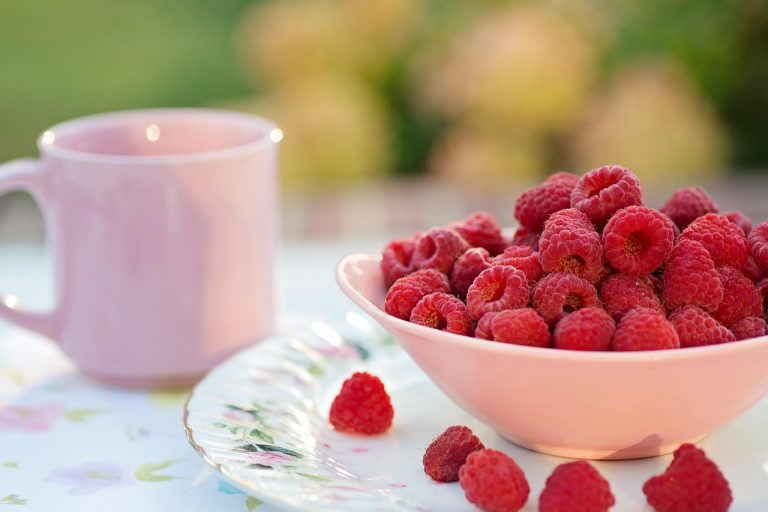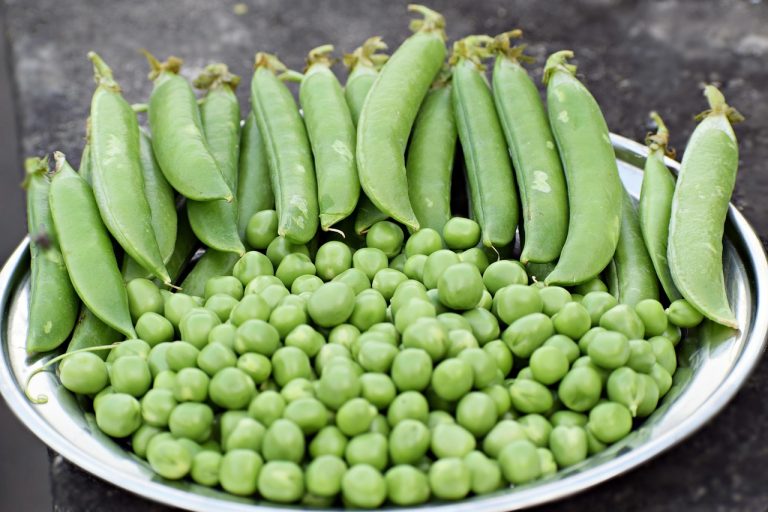

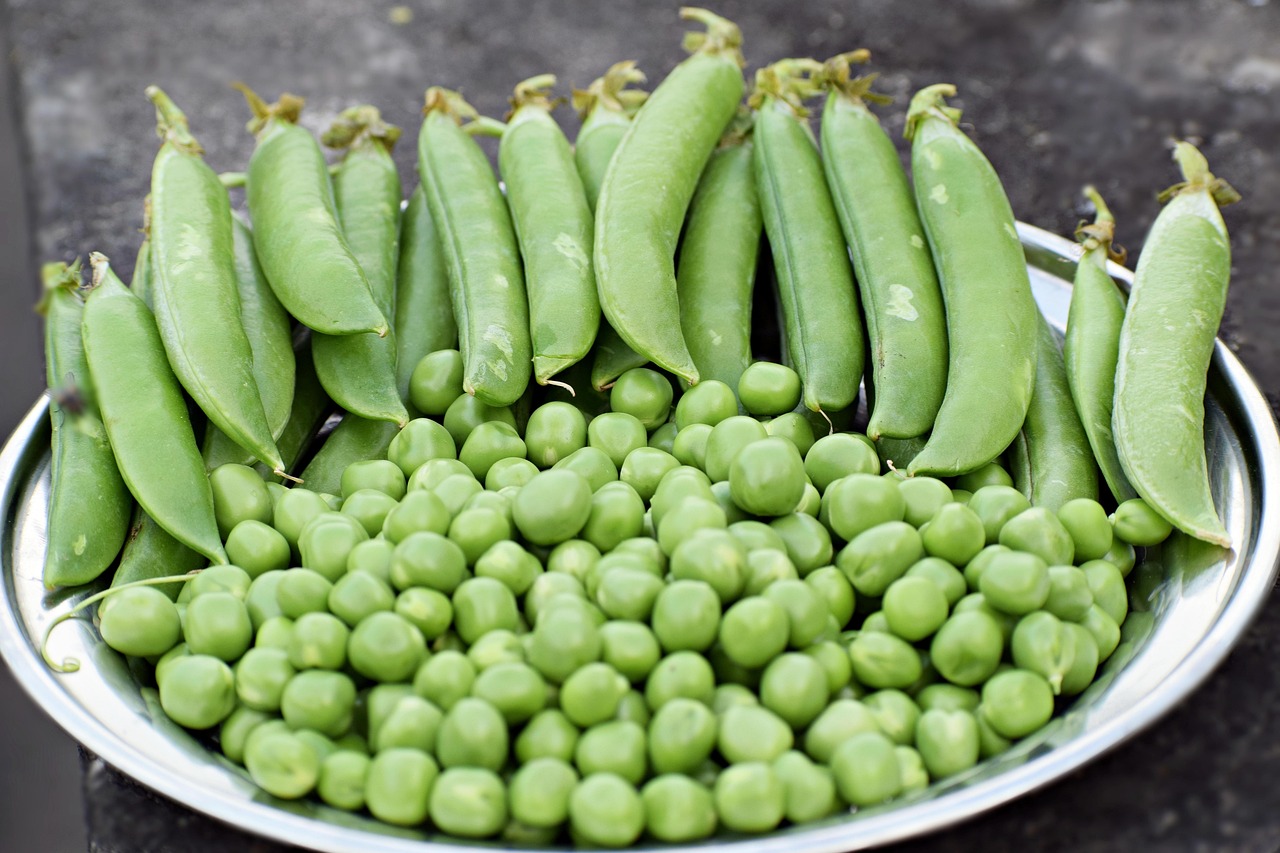
Photo by balouriarajesh on Pixabay
What if the simplest path to better digestion, lighter meals, and steady energy began with the food on your plate? That is the promise of an organic food approach to gut health: not a rigid routine, but a smarter way of eating that supports your microbiome, your metabolism, and your long-term wellness. When people talk about clean eating, they often focus on cutting things out. In reality, the most powerful change is often what you add in: more fiber, more color, more living foods, and more nutrition from ingredients that are grown with fewer synthetic inputs and handled with more care.
A healthy lifestyle is rarely built on one dramatic overhaul. It is built on repeated, daily choices that help your body feel calm rather than inflamed, nourished rather than depleted. If bloating, irregular digestion, energy crashes, or stubborn cravings have become familiar, your gut may be asking for a reset. Could the answer be a more thoughtful organic food routine? For many people, the shift is surprisingly practical. A diet centered on organic vegetables, fermented foods, high-fiber plants, and clean proteins can create the kind of steady internal environment that supports weight loss without extreme restriction.
[IMAGE: organic vegetables]
This guide explores how organic foods can support gut health, why digestion influences weight management more than most people realize, and how to build a clean eating routine that feels realistic instead of restrictive. You will also find practical grocery tips, meal ideas, and simple ways to reduce the strain on your digestive system while keeping your meals satisfying. If your goal is a healthier stomach, a leaner waistline, and a more energized daily rhythm, this is where to start.
Why Gut Health Matters More Than Most Diets Admit
Your gut does far more than digest food. It influences immunity, mood, nutrient absorption, inflammation levels, and even the way your body handles hunger and fullness signals. That is why a healthy gut can make a clean eating plan feel easier, while an irritated gut can make even nutritious meals feel uncomfortable. When digestion is sluggish, the whole body tends to feel it.
Think about the last time you felt bloated after a meal. Was the problem really just the food, or was it the speed of eating, the fiber balance, the stress around mealtimes, or a mismatch between your needs and your routine? The gut responds to patterns. It responds to sleep, hydration, movement, and nutrition. That is why a detox diet built around organic food should focus on support rather than deprivation.
The gut-metabolism connection
When your digestive system is working well, your body is better able to break down food, absorb vitamins and minerals, and maintain a balanced appetite. Research continues to show that the gut microbiome plays a role in how the body stores energy, regulates inflammation, and responds to certain foods. In other words, the bacteria living in your gut are not passive guests. They are active participants in your metabolic health.
That does not mean weight loss is about chasing a perfect microbiome. It means that a diet rich in organic vegetables, legumes, herbs, and fermented foods can give your gut more of what it needs to function well. If you are trying to lose weight, this matters. A balanced digestive system can help you feel satisfied with less, reduce cravings, and make it easier to stick with healthy portions.
Signs your gut may need more support
Everyone has an occasional off day, but repeated symptoms can signal that your digestive system needs a kinder approach. These signs are common:
- Frequent bloating after meals
- Irregular bowel movements
- Heavy fatigue after eating
- Strong sugar cravings
- Feeling full too quickly or not satisfied at all
- Skin changes that seem tied to diet
- Digestive discomfort after processed foods
If these symptoms sound familiar, ask yourself a simple question: what would happen if your next two weeks were focused on gentle nourishment instead of random snacking and rushed meals? Often, the body responds quickly when it receives cleaner fuel and more consistent care.
The Best Organic Foods for a Gut-Friendly Plate
Building a gut-supportive diet is less about exotic ingredients and more about consistency. The best organic food choices for digestion are often the most familiar: vegetables, fruit, seeds, beans, fermented foods, herbs, and clean proteins. The benefit of choosing organic is not that it magically transforms a food into health food, but that it often aligns with a more mindful, less processed style of eating.
[IMAGE: healthy meal]
Fiber-rich vegetables that feed beneficial bacteria
Fiber is one of the most important nutrients for gut health because it feeds beneficial microbes and helps keep digestion moving. Organic vegetables can be the backbone of a healthy diet, especially when you include a variety of colors and textures.
- Leafy greens such as spinach, kale, and arugula
- Cruciferous vegetables like broccoli, cauliflower, and Brussels sprouts
- Root vegetables such as carrots, beets, and sweet potatoes
- Alliums like onions, garlic, and leeks, which support prebiotic intake
- Gourds and squash for gentle, easy-to-digest variety
A useful rule is to build at least half of your plate from vegetables at lunch and dinner. That one habit alone can improve fiber intake, nutrient density, and satiety.
Fermented foods that bring beneficial cultures
Fermented foods are especially valuable in a detox diet or clean eating plan because they can help diversify the digestive environment. They are not a cure-all, but they can support a more balanced gut when used regularly and in sensible portions.
- Plain yogurt with live cultures
- Kefir
- Sauerkraut
- Kimchi
- Miso
- Tempeh
Start slowly if fermented foods are new to you. A small serving can be enough. The goal is to support digestion, not overwhelm it.
Fruit that nourishes without excess
Fruit often gets unfairly criticized in dieting conversations, yet many fruits are excellent for gut health because they provide fiber, water, and antioxidants. Organic fruit can be especially appealing when you want to reduce exposure to pesticides while enjoying something naturally sweet.
- Berries for antioxidants and fiber
- Apples with the skin on for pectin
- Kiwi for digestive support
- Pears for gentle fiber
- Citrus fruits for hydration and vitamin C
If you often crave sugar after meals, fruit can be a satisfying bridge between dessert and discipline. It offers sweetness with more nutritional value than packaged treats.
Healthy fats that keep meals satisfying
Many people chasing weight loss accidentally undereat fat, then wonder why they feel hungry an hour later. Quality fats help slow digestion, support hormones, and improve meal satisfaction. When paired with fiber and protein, they can help stabilize energy throughout the day.
- Avocados
- Extra-virgin olive oil
- Chia seeds
- Ground flaxseed
- Walnuts and almonds
A clean eating lifestyle works better when meals feel complete. Fat is often the ingredient that turns a salad from a side dish into a real lunch.
How Organic Food Supports Clean Eating Without Feeling Restrictive
Clean eating is often misunderstood as a list of rules. In a more sustainable form, it is simply a style of eating built around recognizable ingredients, fewer ultra-processed items, and meals that leave you feeling clear rather than heavy. Organic food fits naturally into this rhythm because it encourages you to choose ingredients that are close to their original form.
That does not mean every bite must be flawless. A healthy lifestyle is not built on perfection. It is built on repeated patterns. If most of your plate is composed of whole, nourishing, organic foods, occasional flexibility will not derail your progress. In fact, it may make the plan easier to maintain.
Clean eating principles that actually work
To keep the approach realistic, focus on these principles:
- Choose whole foods more often than packaged foods
- Read ingredient lists and keep them short when possible
- Include protein, fiber, and fat in most meals
- Drink enough water to support digestion
- Eat slowly enough to notice fullness
- Prepare simple meals before you are overly hungry
These habits may sound basic, but basics are powerful. A clean eating routine becomes easier when you stop trying to be perfect and start trying to be consistent.
Why texture and variety matter
Digestive comfort is often improved by variety. If every meal feels identical, the diet may be efficient, but it can become boring and hard to sustain. Mix crunchy vegetables with soft grains, creamy avocado with crisp greens, and warm meals with chilled produce. Different textures keep meals interesting and can make your healthy diet feel more like a pleasure than a project.
For many people, boredom is the hidden reason they fall back into processed snacks. A plate that feels colorful and satisfying is one of the easiest ways to stay on track with weight loss and nutrition goals.
Meals That Support Digestion and Steady Weight Loss
One of the biggest myths about weight loss is that smaller always means better. In reality, the most effective meals are often the ones that leave you calm, full, and nourished. If your food choices support digestion, you are far less likely to wander into late-night snacking or energy crashes that trigger cravings.
A gut-friendly breakfast formula
Breakfast should not be a sugar trap disguised as a healthy choice. Instead, aim for a combination of protein, fiber, and smart fats. This approach helps support fullness and stable energy.
- Plain yogurt with berries, chia seeds, and walnuts
- Vegetable omelet with spinach, mushrooms, and avocado
- Oats topped with flaxseed, cinnamon, and sliced pear
- Green smoothie with protein, cucumber, greens, and a small portion of fruit
If mornings are hectic, ask yourself: can you prepare the base the night before? A little planning can make the difference between a nourishing start and a rushed stop at the nearest convenience counter.
Lunches that keep you light but satisfied
Lunch is often where people either support their goals or sabotage them. A large, balanced meal can prevent afternoon snacking and help you stay focused.
- Quinoa bowl with roasted vegetables, chickpeas, and tahini
- Salad with organic greens, grilled salmon, avocado, and pumpkin seeds
- Turkey or tofu wrap with shredded cabbage, cucumber, and hummus
- Soup made with lentils, carrots, celery, and herbs
These meals are not dramatic, but they are powerful. They deliver nutrition without the heaviness that can make the rest of the day feel sluggish.
Dinners that calm the body at night
Evening meals should be easy to digest and satisfying enough to prevent late-night cravings. Many people sleep better when dinner is not overly greasy, overly large, or eaten too close to bedtime.
- Baked wild fish with steamed vegetables and sweet potato
- Stir-fried tofu with ginger, greens, and brown rice
- Chicken or tempeh with roasted cauliflower and herbs
- Vegetable soup paired with a side of avocado toast on whole grain bread
A gentle dinner is not a punishment. It is a signal to your body that the day is winding down.
[IMAGE: fitness lifestyle]
Organic Foods That Support a Detox Diet the Right Way
Detox diets are often marketed as quick fixes, but the body already has powerful detoxification systems in the liver, kidneys, intestines, and skin. The real role of food is to support those systems, not replace them. A smart detox diet uses organic food to reduce load, increase nutrient intake, and support natural elimination.
Instead of relying on extreme cleanses, think in terms of nourishment. What foods help your body work more smoothly? What foods create less digestive stress? What choices make you feel clean, clear, and energized?
Nutrients that support natural detox pathways
Certain foods and nutrients are especially useful when you want to support the body’s own cleansing processes:
- Cruciferous vegetables for compounds that support liver function
- Garlic and onions for sulfur-containing support
- Beets for fiber and phytonutrients
- Lemon and citrus for hydration-friendly flavor
- Green tea for a lighter, antioxidant-rich beverage option
- Cilantro and parsley for fresh, mineral-rich garnish
A detox diet should never leave you weak, dizzy, or obsessed with food. If it does, it is too aggressive. True support feels steady and sustainable.
Hydration as a digestive tool
Water is one of the most overlooked parts of gut health. Fiber cannot do its job well if your body is running dry. Start the day with water, keep a bottle nearby, and pair meals with fluids in a way that feels comfortable. Herbal teas, infused water, and broths can all contribute to hydration without adding unnecessary sugar.
Simple hydration habits can also reduce the urge to snack when your body is actually thirsty. That alone can support weight loss in a calm, unforced way.
Foods to Limit When You Want a Happier Gut
A healthy diet is not only about the foods you add. Sometimes it also requires reducing ingredients that repeatedly trigger discomfort. You do not need a long list of forbidden foods, but it can help to notice patterns. Which foods leave you bloated, tired, or craving more?
Common digestive troublemakers
For many people, the following foods are worth limiting:
- Highly processed snacks with long ingredient lists
- Excess added sugar
- Deep-fried foods
- Heavy alcohol intake
- Artificial sweeteners that upset digestion for some people
- Very large meals eaten quickly
That said, not every person reacts the same way. The goal is awareness, not fear. If a food does not serve your body, reduce it. If it works for you in moderation, there may be no reason to eliminate it completely.
Why ultra-processed foods can make clean eating harder
Ultra-processed foods are designed for convenience, flavor intensity, and shelf stability. They are often low in fiber and high in refined starches, sugar, sodium, and industrial fats. Over time, they can crowd out the foods that truly nourish your gut. When packaged food takes over the diet, it becomes much harder to feel in tune with hunger, fullness, and digestion.
That is why an organic food strategy often works so well. It shifts attention back to real ingredients, real meals, and real nourishment.
A Simple Grocery List for a Gut-Friendly Organic Kitchen
If your kitchen is stocked well, clean eating becomes much easier. You do not need a complicated pantry. You need a reliable set of ingredients that can be mixed into breakfasts, lunches, dinners, and snacks without much effort.
Staples to keep on hand
- Organic leafy greens
- Broccoli, cauliflower, and Brussels sprouts
- Carrots, cucumbers, celery, and bell peppers
- Berries, apples, lemons, and kiwis
- Plain yogurt or kefir
- Eggs, tofu, lentils, chicken, or fish
- Oats, quinoa, brown rice, and sweet potatoes
- Chia seeds, flaxseed, walnuts, and pumpkin seeds
- Olive oil, tahini, and avocado
- Fresh herbs, ginger, and garlic
A pantry built on these staples makes it easier to stay aligned with your goals even on busy days. Instead of asking what to eat, you can ask how to combine what is already there.
How to shop with less stress
Try making three lists before you shop: produce, protein, and pantry. This keeps the focus on essentials rather than impulse items. If possible, shop the perimeter of the store first, where fresh foods are usually found. When you do choose packaged items, look for short ingredient lists and higher fiber content.
Buying organic food does not have to mean overbuying. Start with the items you eat most often, especially produce with thinner skins or foods that sit at the center of your routine.
Meal Prep Ideas That Make Healthy Eating Easier
Meal prep is not about cooking your entire week into identical boxes. It is about reducing friction so that healthy choices are easier to make when you are tired, busy, or tempted by convenience foods. A few prepared ingredients can turn a healthy diet into a low-effort habit.
Prep in layers, not perfection
Instead of building fully assembled meals for every day, prep components that can be mixed and matched:
- Roasted vegetables
- A cooked grain like quinoa or brown rice
- A protein source such as eggs, chicken, tofu, or beans
- A dressing or sauce made from olive oil, lemon, herbs, or tahini
- Washed greens and sliced vegetables
This method keeps meals flexible. One day the same ingredients become a bowl, the next day a wrap, and the next a warm salad.
Three fast combinations to rotate
If you want to make your week easier, keep these combinations in mind:
- Quinoa, roasted broccoli, chickpeas, avocado, and lemon dressing
- Greek yogurt, berries, chia, and walnuts for a quick breakfast or snack
- Salmon, greens, cucumbers, sweet potato, and olive oil
These combinations are simple, but they cover the essentials: protein, fiber, fat, and micronutrients. That is the formula that supports energy and weight loss without drama.
How to Eat for Better Digestion at Every Meal
Sometimes the issue is not what you eat but how you eat it. Digestion begins before the first bite, and your body notices speed, stress, and posture just as much as ingredients. A meal eaten in a hurry often feels very different from the same meal eaten calmly and consciously.
Habits that improve digestion immediately
- Chew more slowly than usual
- Put your fork down between bites
- Eat seated rather than standing or driving
- Take a short walk after meals
- Avoid scrolling or rushing through lunch when possible
These habits may sound small, but they can transform the way your body responds to food. Have you ever noticed how much better a meal feels when you are relaxed? That is not in your head. Your nervous system and digestive system are closely linked.
Portion awareness without obsession
Portion control does not have to become a stressful counting exercise. Instead, use simple visual cues. Fill half your plate with vegetables, one quarter with protein, and one quarter with grains or starchy vegetables. Add healthy fats in moderation. This style works especially well in a clean eating routine because it naturally balances nutrition and fullness.
When you eat enough, consistently, your body is less likely to swing between deprivation and overindulgence. That steady rhythm is often what makes weight loss more sustainable.
Common Organic Diet Mistakes to Avoid
Even a thoughtful organic food plan can go off track if it becomes too narrow or too extreme. The good news is that most mistakes are easy to correct once you spot them.
Skipping protein
Some people focus so heavily on vegetables and fruit that they forget protein. Without enough protein, meals may not be satisfying, and cravings can increase. Include a protein source in most meals to support fullness and stable blood sugar.
Turning clean eating into fear-based eating
If your food choices become ruled by anxiety, the plan is no longer serving you. A healthy lifestyle should feel empowering, not punishing. It is fine to have flexibility. It is fine to enjoy food. It is fine to eat for pleasure as long as the overall pattern supports your health.
Believing organic automatically means low-calorie
Organic food can still be calorie-dense. Nuts, oils, granola, and certain packaged organic snacks can add up quickly. That is not a reason to avoid them; it is a reason to remain aware. Balance matters more than labels alone.
Relying on juice instead of food
Juice can be refreshing, but it should not replace the fiber and satisfaction of whole foods. A detox diet built around only liquids often leaves people hungry and frustrated. Whole foods are usually a better foundation for digestive health and lasting weight loss.
How This Approach Supports a Healthy Lifestyle Beyond the Plate
Gut health is not separate from your life. It is shaped by sleep, movement, stress, and the environment around you. That is why the best nutrition plan is the one that supports the whole person, not just the stomach.
Sleep and digestion
Poor sleep can increase cravings, disrupt hunger hormones, and make it harder to choose nourishing foods. If you are working on a healthy diet, protect your sleep routine as seriously as your grocery list. A well-rested body handles food better than an exhausted one.
Movement and regularity
You do not need extreme workouts to support digestion. Walking, gentle strength training, yoga, and consistent movement can all help your system function more smoothly. The goal is not punishment. It is circulation, mobility, and resilience.
Stress management and the gut
Stress can slow digestion, trigger cravings, and change the way your body responds to food. Deep breathing before meals, a quiet breakfast, or a short evening walk can make a real difference. What if your weight loss plan also helped you feel calmer? That is one of the hidden benefits of a clean eating approach done well.
Sample Day of Eating for Gut Health and Weight Loss
Here is a simple example of how an organic food day might look when your goal is better digestion, steady energy, and sustainable weight loss. This is not a rigid prescription, just a practical template.
Morning
Start with water and a breakfast of oats topped with chia seeds, berries, and walnuts, or a vegetable omelet with avocado and greens. If you prefer something lighter, a kefir smoothie with cucumber, spinach, and a small piece of fruit can work well.
Midday
For lunch, have a quinoa bowl with roasted vegetables, chickpeas, leafy greens, and tahini dressing. Add a side of sauerkraut or a small serving of fermented vegetables if they suit your digestion.
Afternoon
Choose a snack that supports fullness rather than spikes hunger, such as plain yogurt with flaxseed, an apple with almond butter, or carrots with hummus.
Evening
Finish with a dinner of baked salmon or tofu, steamed broccoli, and roasted sweet potato. Keep the meal satisfying but not heavy. A cup of herbal tea after dinner can help create a calming nighttime routine.
This kind of day is balanced, filling, and realistic. It shows that healthy eating does not need to feel restrictive to be effective.
Practical Questions to Ask Yourself Before You Change Your Diet
Before making any nutrition shift, it helps to ask the right questions. They keep you focused on what your body actually needs rather than what is trendy.
- Do my meals leave me energized or drained?
- Am I getting enough fiber each day?
- Do I feel full after meals, or do I snack constantly?
- Which foods consistently support my digestion?
- Which foods seem to trigger bloating or cravings?
- Can I simplify my routine instead of making it more complicated?
Answering these questions honestly can be more useful than following a generic plan. Your body gives clues every day. The more carefully you listen, the easier it becomes to build a diet that works.
What Sustainable Progress Really Looks Like
Progress is not always dramatic. Sometimes it shows up as less bloating after dinner, fewer cravings at 4 p.m., or more energy in the morning. Sometimes it is just feeling more in control around food. That matters. Those are signs that your healthy diet is doing more than helping you look a certain way; it is helping you feel different from the inside out.
An organic food lifestyle works best when it is grounded in consistency, not intensity. You do not need a perfect detox diet, a flawless meal prep schedule, or a dramatically restrictive plan to improve your health. You need a smart combination of nutrient-dense foods, gentle habits, and enough patience to let the process unfold. If you keep your plate colorful, your portions balanced, and your expectations realistic, the results can surprise you. And if you are ready to keep building a cleaner, lighter, more confident approach to food, explore more articles on DietOrganic for practical ideas that make healthy living feel natural, not forced.
About the Author