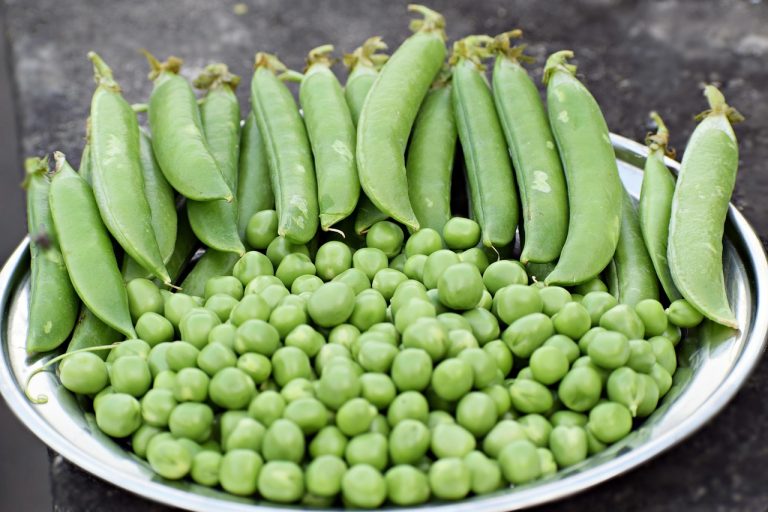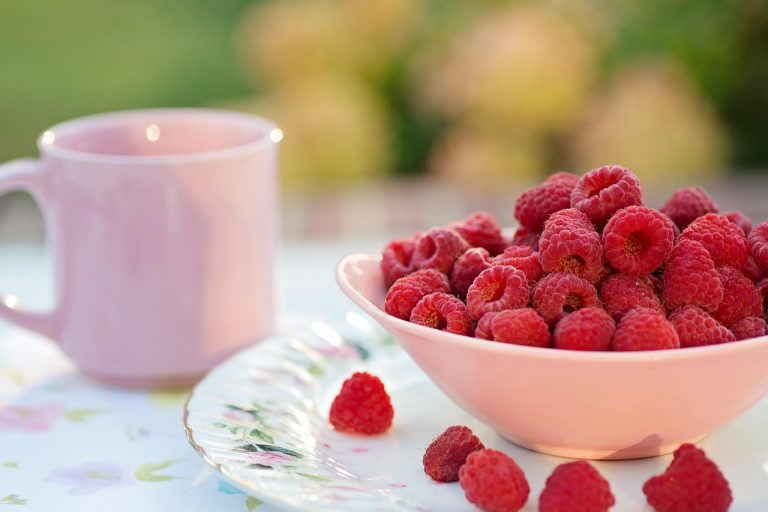

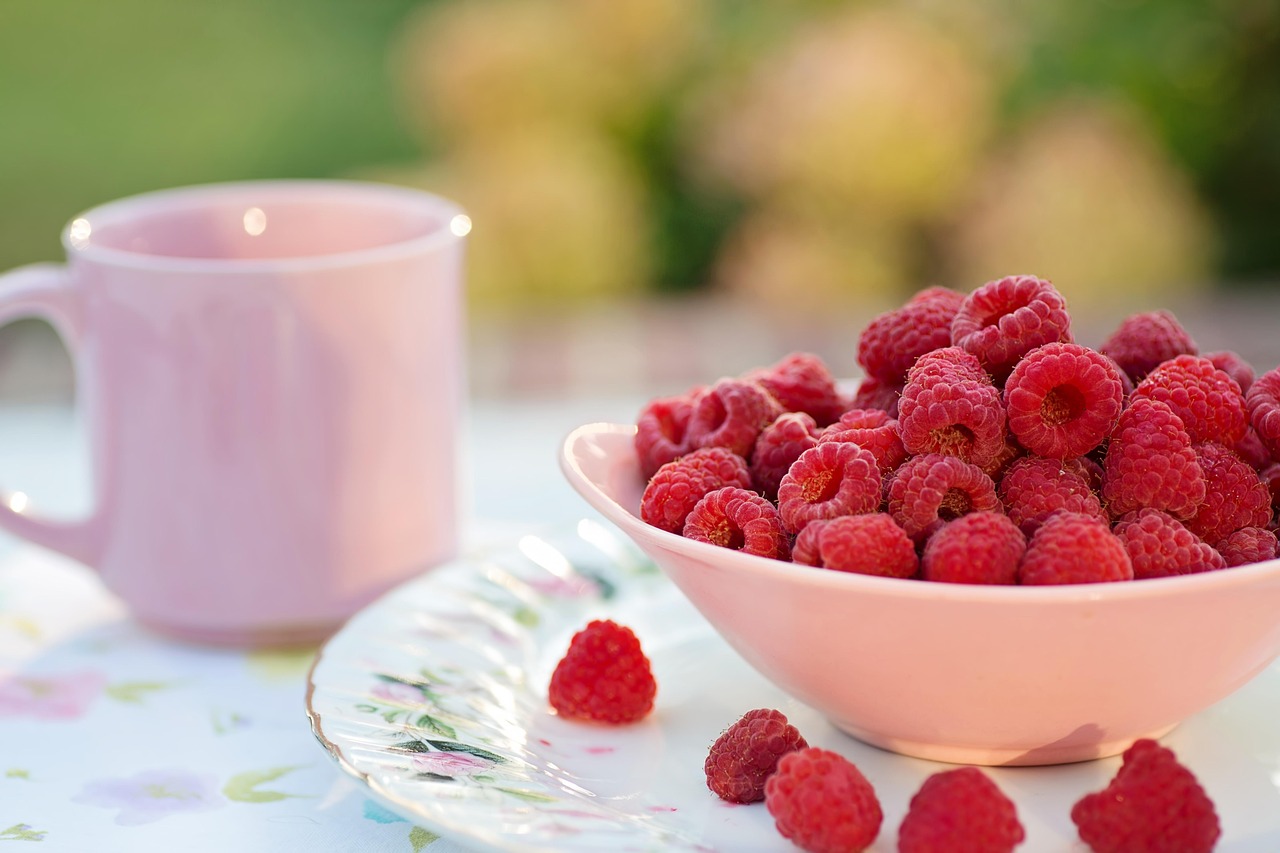
Photo by JillWellington on Pixabay
If you have ever tried to lose weight while feeling tired, hungry, and endlessly restricted, you already know the problem with most diet advice: it ignores real life. A smarter approach starts with organic food, not because it is trendy, but because it can help you build a healthier plate with fewer additives, more nutrient density, and a cleaner relationship with eating. When your meals are grounded in whole ingredients, your healthy lifestyle starts to feel more natural, and your nutrition choices become easier to maintain.
That does not mean every organic product is automatically healthy, and it certainly does not mean you need to eat perfectly to see progress. It means choosing foods that work with your body instead of against it. For many people, that shift supports weight loss, steadier energy, better digestion, and a more sustainable clean eating routine. What if the goal was not just to eat less, but to eat better?
[IMAGE: organic vegetables]
Why Organic Food Can Support Weight Loss
Weight loss is rarely about one magic food. It is about the pattern of what you eat every day, how satisfied you feel after meals, and how well your habits fit your life. Organic food can be helpful because it often encourages a return to simple ingredients: vegetables, fruits, eggs, legumes, nuts, seeds, grains, and minimally processed proteins. That kind of foundation makes it easier to manage calories without the constant battle of cravings and energy crashes.
Many people also find that organic food choices push them away from ultra-processed snacks and convenience meals. Once you begin buying more whole ingredients, you naturally cook more often, control portions more easily, and become more aware of what is on your plate. This is where clean eating starts to influence weight loss in a meaningful way.
Organic does not mean calorie-free, but it can mean more mindful eating
A box of organic cookies is still a cookie. A bag of organic chips is still a processed snack. The benefit is not magic; the benefit is quality, awareness, and consistency. Organic food can support a healthy lifestyle because it nudges you toward better decisions and fewer empty calories. When your meals are built around real ingredients, you are less likely to overeat simply because your body is still looking for the nutrients it never got.
Why nutrient density matters for weight management
Foods rich in fiber, protein, vitamins, and minerals tend to keep you full longer. That means you are less likely to reach for a second helping of something you do not truly need. Good nutrition supports better appetite control, better digestion, and more stable blood sugar, all of which can make a weight loss plan feel less exhausting. Have you noticed how some meals leave you satisfied for hours while others make you hungry again in 45 minutes?
The Best Organic Foods for Weight Loss
When people search for the best organic foods for weight loss, they often want a list. But the best way to think about it is category by category. The foods below work well because they combine volume, fiber, protein, and healthy fats in a way that supports satiety and steady energy.
1. Leafy greens and cruciferous vegetables
Spinach, kale, arugula, broccoli, cauliflower, cabbage, and Brussels sprouts are some of the most useful foods in a clean eating plan. They are low in calories but high in fiber, water, and micronutrients. You can use them in salads, sautés, soups, egg dishes, and smoothies. The volume they add to meals helps you feel full without pushing your calories too high.
- Spinach for omelets and smoothies
- Broccoli for bowls and roasting
- Cauliflower for rice, mash, or soup
- Kale for salads and warm grain bowls
2. Berries and high-fiber fruit
Blueberries, raspberries, strawberries, blackberries, and apples are excellent when you want sweetness without a sugar overload. Berries are especially valuable because they deliver antioxidants and fiber in a relatively low-calorie package. If you struggle with dessert cravings, a bowl of organic berries with yogurt or chia can feel satisfying without derailing your plan.
3. Organic protein sources
Protein is one of the most important tools for weight loss because it helps preserve lean muscle, keeps you fuller longer, and reduces random snacking. Organic eggs, Greek yogurt, cottage cheese, chicken breast, turkey, tofu, tempeh, lentils, beans, and wild fish can all fit into a nutrition-focused meal plan. If you are building a healthy lifestyle, protein should not be an afterthought; it should anchor every meal.
4. Healthy fats that promote satisfaction
Avocados, walnuts, almonds, chia seeds, flaxseeds, hemp seeds, and olive oil can all support a balanced diet. The key is portion control. Healthy fats are beneficial, but because they are calorie-dense, it is easy to overdo them if you are not paying attention. A measured amount can help stabilize hunger and make meals more enjoyable.
5. Smart organic carbohydrates
Carbs are not the enemy. In fact, the right carbohydrates can improve energy, workouts, and adherence to a plan. Oats, quinoa, brown rice, sweet potatoes, beans, and lentils are all strong choices because they bring fiber and slow-burning energy. For many people, weight loss becomes easier when they stop fearing carbs and instead choose the right ones in reasonable portions.
[IMAGE: healthy meal]
How to Build an Organic Plate That Actually Keeps You Full
One of the biggest mistakes in clean eating is making meals look healthy but not feel satisfying. A salad with a few leaves and a splash of dressing may be organic, but it will not support your energy for long. A truly effective weight loss meal should look balanced, colorful, and substantial enough to prevent the classic mid-afternoon slump.
The simple plate formula
A practical way to structure meals is to divide the plate into three parts: half non-starchy vegetables, one quarter protein, and one quarter smart carbohydrates. Then add a small amount of healthy fat. This pattern works because it naturally balances calories, fiber, and satiety.
- Half the plate: leafy greens, broccoli, zucchini, peppers, mushrooms, cucumber, and other vegetables
- One quarter: eggs, fish, chicken, tofu, beans, Greek yogurt, or tempeh
- One quarter: quinoa, oats, brown rice, sweet potato, or legumes
- Small addition: avocado, olive oil, seeds, or nuts
Breakfast, lunch, and dinner examples
For breakfast, you might have organic oats with berries, chia seeds, and plain Greek yogurt. For lunch, a grain bowl with chicken, greens, roasted vegetables, and lemon olive oil dressing works beautifully. For dinner, salmon with broccoli and sweet potato gives you protein, fiber, and satisfying flavor without the heaviness of a large refined-carb meal.
The point is not perfection. The point is to make your plate simple enough to repeat and nourishing enough to support progress. That is how clean eating becomes a habit instead of a short-term experiment.
Clean Eating Breakfast Ideas for Energy and Weight Loss
Breakfast often sets the tone for the rest of the day. If you start with a sugar-heavy pastry or a coffee drink loaded with syrup, you may find yourself battling cravings before lunch. A better approach is to choose a breakfast that delivers protein, fiber, and steady energy. Organic food can make this even easier because the ingredients are often closer to their natural form.
Breakfast ideas that work in real life
- Organic eggs scrambled with spinach and tomatoes
- Overnight oats with berries, chia, and almond butter
- Greek yogurt with walnuts, flax, and sliced apple
- Veggie omelet with avocado and a side of fruit
- Smoothie with spinach, frozen berries, protein, and unsweetened milk
Notice that these options are not extreme. They are practical, satisfying, and easy to customize. If your mornings are rushed, prepare overnight oats or boiled eggs the night before. If you prefer savory food, build breakfast around vegetables and protein rather than toast alone.
What makes a breakfast ideal for a healthy lifestyle?
An ideal breakfast should do three things: stabilize hunger, support energy, and fit your schedule. It does not need to be elaborate. In fact, simple is often better. The cleaner the ingredients, the easier it is to notice how your body responds. You may even find that your afternoon cravings improve when breakfast contains enough protein and fiber to carry you forward.
Organic Lunch and Dinner Ideas That Support Clean Eating
Lunch and dinner are where many people lose momentum. After a productive morning, convenience takes over, and healthy intentions can disappear into takeout menus or random snacking. Planning two or three dependable meals can make a huge difference in nutrition and weight loss.
Lunch ideas that keep you focused
Lunch should be satisfying without making you sleepy. A balanced organic lunch often includes lean protein, vegetables, and a smart carb or bean-based component. Think in bowls, salads, and wraps that are easy to assemble and easy to repeat.
- Quinoa bowl with chickpeas, cucumber, greens, and tahini
- Grilled chicken salad with avocado, seeds, and roasted vegetables
- Lentil soup with side salad and olive oil dressing
- Turkey wrap with hummus, greens, and sliced peppers
- Tofu stir-fry with broccoli, mushrooms, and brown rice
Dinner ideas that feel satisfying without overeating
Dinner is often the meal where people either overcompensate for the day or under-eat and then raid the kitchen later. The answer is a balanced plate with enough protein and fiber to leave you satisfied. A good dinner supports recovery, sleep, and stable appetite the next day.
- Baked salmon with asparagus and sweet potato
- Organic chicken with cauliflower mash and green beans
- Bean chili with vegetables and a small portion of brown rice
- Tempeh stir-fry with sesame, cabbage, and mushrooms
- Zucchini noodles with turkey meatballs and tomato sauce
If you want to keep portions in check, serve dinner on a plate instead of eating from a pot or pan. That small habit alone can improve awareness and reduce unplanned extras.
[IMAGE: fitness lifestyle]
A Simple Detox Diet Approach Using Real Food
The word detox is often misunderstood. Your body already has built-in detox systems through the liver, kidneys, digestive tract, lungs, and skin. What a smart detox diet really does is support those systems by removing unnecessary stressors and adding foods that help your body function well. In other words, it is not about starvation or juice-only routines. It is about cleaner fuel.
What to emphasize
Hydration, fiber, colorful produce, and minimally processed meals are the foundation of a realistic detox diet. Organic food can be especially helpful here because it often reduces exposure to unnecessary additives while increasing your intake of vegetables and fruits.
- Drink plenty of water throughout the day
- Include leafy greens, citrus, berries, and cruciferous vegetables
- Eat fermented foods such as yogurt, kefir, or sauerkraut if tolerated
- Choose herbal teas or water instead of sugary drinks
- Keep meals simple enough to digest comfortably
What to reduce during a reset
If you are trying to feel lighter and more energized, consider reducing alcohol, ultra-processed snacks, excess sodium, and heavily sweetened beverages. You do not need to eliminate everything forever. A short reset can help you reconnect with what makes your body feel good. Have you ever noticed how much better you feel when your meals are fresh, colorful, and easy to digest?
Support digestion without gimmicks
There is no need for harsh cleanses. Fiber from vegetables, fruit, beans, oats, and seeds helps keep digestion moving. Pair that with water and regular meals, and your body has what it needs to do the rest. A true detox diet should leave you nourished, not depleted.
Organic Snacks for Healthy Lifestyle and Weight Loss
Snacking is not the enemy. Unplanned snacking is the issue. The right snack can prevent overeating at the next meal, support focus, and keep your energy stable between breakfast and lunch or lunch and dinner. The best organic snacks are simple, portion-friendly, and built around protein or fiber.
Better snack choices
- Apple slices with almond butter
- Plain Greek yogurt with berries
- Carrot sticks with hummus
- A handful of nuts with a piece of fruit
- Hard-boiled eggs and cucumber slices
- Chia pudding made with unsweetened milk
How to snack without slowing progress
Ask yourself one question before reaching for food: am I hungry, or am I bored, stressed, or tired? If you are genuinely hungry, choose a snack that offers substance. If not, water, a short walk, or a pause may be enough. Mindful eating is one of the most underrated parts of weight loss because it gives you the space to respond rather than react.
Portion size matters too. Even healthy snacks can become too much if they are eaten unconsciously. Use small bowls, pre-portion nuts, and avoid eating from the package whenever possible. This is a simple habit, but it can improve your nutrition outcomes over time.
Smart Meal Prep for Busy People Who Want Clean Eating
Meal prep does not have to mean spending your entire Sunday cooking identical containers of food. It can be as simple as preparing a few flexible ingredients that you mix and match during the week. If you are busy, this is one of the easiest ways to stay consistent with an organic food plan without feeling trapped by it.
A practical prep list
Choose one or two proteins, two grains or starches, several vegetables, and one or two sauces or dressings. Once those are ready, meals come together quickly.
- Proteins: eggs, chicken, tofu, lentils, Greek yogurt
- Grains and starches: quinoa, brown rice, oats, sweet potatoes
- Vegetables: broccoli, spinach, peppers, zucchini, cabbage
- Flavor builders: lemon, garlic, olive oil, tahini, herbs, salsa
How to make prep feel less repetitive
Use the same ingredients in different formats. Roasted vegetables can go into bowls, wraps, omelets, or soups. Quinoa can become breakfast porridge, a lunch base, or a side dish. Chicken can be grilled, shredded, or used in salad. This flexibility keeps your healthy diet interesting and prevents burnout.
One-hour prep rhythm
If your time is limited, start with washing produce, cooking one grain, roasting one tray of vegetables, and preparing one protein. That alone can make the entire week easier. The result is not just convenience; it is better decision-making when hunger shows up and your schedule gets chaotic.
[IMAGE: organic vegetables]
Common Organic Diet Mistakes to Avoid
Even the best intentions can fail if the strategy is unrealistic. A clean eating plan works best when it is balanced, affordable, and easy to follow. Here are some of the most common mistakes people make when they try to use organic food for weight loss.
1. Thinking organic automatically means healthy
Organic sugar is still sugar. Organic desserts are still desserts. It is important to read labels and pay attention to portions. A healthy lifestyle is built on the overall pattern, not on one label alone.
2. Skipping protein
Some people focus so heavily on vegetables and fruit that they forget protein. That can leave them hungry and tired. If your meals are not keeping you full, look at your protein first.
3. Eating too little during the day
Severe restriction often leads to overeating later. A sustainable weight loss plan should feel supportive, not punishing. If you are constantly thinking about food, your meals may need more substance.
4. Buying too many specialty products
Organic snacks, superfoods, and packaged diet products can become expensive quickly. The truth is that simple ingredients often deliver the best nutrition at the best price. Build your cart around produce, proteins, grains, and pantry staples.
5. Ignoring satisfaction
A meal that is technically healthy but emotionally unsatisfying is hard to repeat. Flavor matters. Texture matters. Enjoyment matters. Add herbs, spices, citrus, vinegar, and healthy fats to make meals something you actually look forward to eating.
A Realistic Starter Plan for Your First Week
If you are wondering how to begin, start with just a few changes instead of overhauling everything at once. The easiest way to build momentum is to focus on breakfast, lunch, or one daily habit before changing your entire routine. Small wins create trust, and trust creates consistency.
Try this simple first-week approach
- Choose one organic breakfast you can repeat
- Prep one protein and one vegetable for lunches
- Keep two healthy snacks ready so you do not grab random food
- Drink more water and reduce sugary beverages
- Plan one clean dinner each night instead of relying on takeout
You can also keep a short food and energy journal. Write down what you ate, how full you felt, and how your energy changed later in the day. This is not about obsessing over every bite; it is about learning what helps your body feel and function better.
What progress should feel like
Progress may show up as fewer cravings, steadier energy, better digestion, reduced bloating, and more confidence around food. The scale may move, but the broader goal is to feel better in your daily life. That is the kind of nutrition strategy people can actually sustain.
When organic food is used as a tool for clean eating rather than as a strict identity, it becomes far more useful. It gives you structure without rigidity, simplicity without boredom, and enough flexibility to fit real life. That is why so many people find that the best results come not from extreme rules, but from steady meals built around whole foods, smart portions, and a calm relationship with eating. If you want more practical guidance on healthy lifestyle habits, weight loss strategies, and organic nutrition ideas, keep exploring the latest articles on DietOrganic and use what fits your life today.
About the Author