

Photo by cottonbro studio on Pexels
If you have ever tried to lose weight while feeling hungry, deprived, or stuck in a cycle of restrictive eating, you are not alone. The good news is that a healthy diet does not have to feel punishing, and weight loss does not have to mean counting every bite or giving up foods you actually enjoy. For many people, the most sustainable path begins with a simple shift: choosing organic food that supports satiety, stable energy, and better nutrition without adding unnecessary additives, excess sugar, or ultra-processed ingredients.
That is where clean eating becomes especially powerful. When your meals are built around whole, minimally processed organic foods, your body often has a better chance to regulate appetite, digestion, and energy levels naturally. Does that mean organic food is a magic solution? Not at all. But it can make healthy lifestyle habits easier to maintain, especially when your goal is fat loss without burnout. In this article, you will learn which organic foods are most helpful for weight loss, how to combine them into satisfying meals, and how to avoid the common mistakes that quietly stall progress.
[IMAGE: organic vegetables]
Why organic food can support weight loss
Organic food is not automatically lower in calories, and it is not a shortcut to a slimmer body. What makes it useful for weight loss is the way it often fits into a cleaner eating pattern. Organic produce is usually grown without synthetic pesticides, and organic animal products are typically produced under standards that many people associate with a more natural, less industrialized food system. More importantly for daily eating, organic foods are often chosen in their whole form rather than as heavily processed convenience items.
That matters because weight loss is usually influenced less by one single nutrient and more by the overall structure of your diet. When your meals contain more fiber, more protein, more water-rich produce, and fewer refined ingredients, it becomes easier to feel full on fewer calories. Have you noticed how a bowl of berries, vegetables, and eggs keeps you satisfied far longer than a pastry or a bag of chips? That is the practical advantage of clean eating: it helps you eat in a way that supports fullness, not constant snacking.
Organic food also tends to fit naturally into other healthy habits people use for fat loss, such as meal prep, mindful eating, and planning meals around whole ingredients. When your kitchen is stocked with organic vegetables, beans, fruit, seeds, and quality proteins, you are less likely to rely on quick processed options that can derail nutrition goals.
The best organic foods for weight loss
If your goal is to build a healthy diet that supports weight loss, the smartest move is to focus on foods that deliver the most nutritional value for the calories they contain. These are the organic foods that can help you feel full, keep your energy stable, and make clean eating feel realistic instead of restrictive.
Leafy greens
Organic spinach, kale, arugula, romaine, and Swiss chard are weight loss staples for a reason. They are low in calories, high in volume, and packed with vitamins, minerals, and fiber. You can build a large salad or stir them into omelets, soups, and grain bowls without dramatically increasing calorie intake.
Leafy greens also bring a satisfying freshness that can brighten meals and reduce the feeling that a healthy diet is boring. Try combining them with protein, healthy fats, and a flavorful dressing so the meal feels complete rather than flimsy.
- Add spinach to smoothies for extra nutrition without a strong taste.
- Use kale in roasted salads with lemon and olive oil.
- Layer arugula under eggs, avocado, and tomatoes for a quick breakfast plate.
Cruciferous vegetables
Broccoli, cauliflower, Brussels sprouts, cabbage, and bok choy are among the best organic foods for clean eating and weight loss. They are naturally rich in fiber and have a hearty texture that makes meals more filling. If you are trying to reduce portions without feeling deprived, these vegetables can help bridge the gap.
Why are they so useful? Because volume matters. A plate piled high with roasted broccoli and cauliflower can satisfy the eyes and stomach in a way that a tiny side dish never could. They also pair well with spices, garlic, herbs, and citrus, which means healthy food does not have to taste bland.
Easy ways to use them
Roast cauliflower with turmeric and cumin, steam broccoli and add lemon, or sauté cabbage with onions and eggs for a fast lunch. You can even swap cauliflower rice for part of a grain-based meal when you want a lower-calorie option that still feels substantial.
Berries
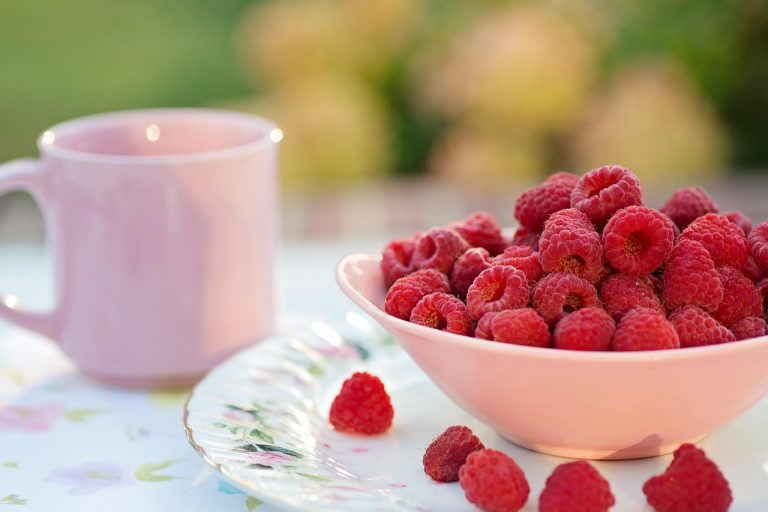
Organic blueberries, raspberries, strawberries, and blackberries are some of the most useful fruits for weight loss because they provide sweetness, fiber, and antioxidants with relatively moderate sugar compared with many other fruit choices. If you want something fresh, satisfying, and naturally sweet, berries are an excellent fit for a clean eating plan.
They are especially valuable when cravings strike. Instead of reaching for a dessert that is high in added sugar and low in satiety, a bowl of berries with yogurt, chia seeds, or nuts can deliver sweetness with balance. Could a food be more helpful if it satisfies your sweet tooth while still supporting nutrition? That is exactly why berries show up so often in healthy lifestyle meal plans.
Apples and pears
Organic apples and pears are portable, fiber-rich, and easy to pair with protein or fat. The fiber content slows digestion, which helps with fullness and can reduce the urge to keep snacking between meals. They are also familiar, budget-friendly, and easy to keep on hand, making them a practical part of a weight loss routine.
Try slicing an apple and pairing it with almond butter, or serving pears with cottage cheese or plain yogurt. This creates a more balanced snack than fruit alone and can prevent the blood sugar swings that lead to energy crashes.
Legumes
Organic lentils, black beans, chickpeas, and kidney beans are some of the best weight loss foods in any clean eating plan. They are rich in fiber and plant protein, both of which support fullness and steady energy. If you have been trying to lose weight without eating enough satisfying food, legumes may be exactly what is missing from your plate.
They are also incredibly versatile. Add lentils to soups, use chickpeas in salads, blend beans into dips, or make a bean-based chili. Because legumes are affordable and filling, they are one of the most practical foods for a healthy diet on a real-world budget.
- Use chickpeas in a chopped salad with cucumber, herbs, and lemon.
- Stir lentils into vegetable soup for extra body and protein.
- Make black bean bowls with avocado, salsa, and shredded greens.
Organic eggs
Eggs are one of the most useful organic protein sources for weight loss because they are simple, versatile, and satisfying. A breakfast that includes eggs often keeps people fuller than a breakfast based only on refined grains. The protein and fat content help slow digestion and make it easier to stay on track until your next meal.
If you want a clean eating breakfast that feels substantial, think eggs with vegetables, eggs with avocado, or eggs on a bed of greens. Scrambled, boiled, baked, or poached, eggs can be adapted to almost any meal of the day.
Organic Greek yogurt and kefir
Plain organic Greek yogurt and kefir can be excellent additions to a healthy diet, especially when you need a quick protein-rich breakfast or snack. Their creamy texture makes them satisfying, while their protein content helps with appetite control. Choose unsweetened versions whenever possible so you can control the amount of sugar in your meal.
Top yogurt with berries, chia seeds, cinnamon, or a few nuts. Kefir can be blended into smoothies or used as the base for a savory herb dip. These foods are especially helpful if you want convenient nutrition without relying on packaged snack bars or sugary alternatives.
Nuts and seeds
Almonds, walnuts, chia seeds, flaxseeds, pumpkin seeds, and hemp seeds are nutrient-dense foods that can support weight loss when portions are managed wisely. They provide healthy fats, fiber, and in some cases protein, which makes meals and snacks more satisfying.
The key is balance. Nuts and seeds are healthy, but they are calorie-dense, so small amounts go a long way. A tablespoon of chia in yogurt, a handful of walnuts with fruit, or a sprinkle of pumpkin seeds on salad can add texture and nutrition without overdoing calories.
Avocado
Avocado is often misunderstood in weight loss conversations because it is higher in calories than many vegetables. Yet in a clean eating pattern, it can be a smart addition because it adds creaminess, fiber, and satisfying fat. When a meal includes the right amount of fat, it often feels more complete and less likely to trigger later cravings.
Use avocado on toast, in salads, with eggs, or blended into a dressing. The goal is not to avoid fat completely, but to use it intentionally so it supports satiety and flavor.
Wild-caught fish and organic poultry
For people who include animal protein in their diet, wild-caught fish and organic poultry can be valuable weight loss foods. Protein is one of the most important nutrients for maintaining fullness and supporting lean body mass during a calorie deficit. Without enough protein, many people end up feeling tired, hungry, and more likely to overeat later.
Salmon, sardines, chicken breast, turkey, and similar options can be paired with vegetables and a modest serving of healthy carbohydrates to create a balanced meal that supports both nutrition and energy.
How to build a clean eating plate that supports fat loss
One of the easiest ways to make organic food work for weight loss is to think in terms of plate structure rather than strict rules. When your meals are organized, you do not have to guess whether you are eating enough or too much. A balanced plate can also reduce decision fatigue, which is helpful when you are trying to sustain a healthy lifestyle long term.
The simple plate formula
Use this pattern as a starting point:
- Half the plate: non-starchy organic vegetables
- One quarter of the plate: protein
- One quarter of the plate: smart carbohydrates or legumes
- Add a small amount of healthy fat for flavor and satiety
This formula works because it naturally emphasizes volume, fiber, and balance. For example, you might build a meal with roasted broccoli, grilled chicken, brown rice, and avocado. Or you could create a vegetarian bowl with lentils, spinach, cucumber, tomatoes, and olive oil.
Why balance beats restriction
Highly restrictive dieting often fails because it leaves people overly hungry. When hunger builds, willpower eventually weakens. That is why a sustainable weight loss approach should never be built on starvation or constant deprivation. Instead, focus on meals that feel satisfying enough to repeat.
Ask yourself: does this meal actually keep me full for a few hours, or does it only look healthy on paper? If it is the latter, it may need more protein, more fiber, or more volume.
Smart meal combinations
If you want practical inspiration, here are some satisfying combinations using organic foods:
- Spinach salad with grilled salmon, avocado, pumpkin seeds, and berries
- Veggie omelet with mushrooms, onions, tomatoes, and a side of fruit
- Lentil soup with kale and a small portion of whole-grain toast
- Greek yogurt with chia seeds, cinnamon, and blueberries
- Chicken bowl with cauliflower rice, broccoli, and tahini dressing
[IMAGE: healthy meal]
Organic foods that can slow progress if you overdo them
Not every organic food is automatically a weight loss food in every amount. Even healthy ingredients can work against your goal if portions are too large or if you turn them into calorie-heavy meals without noticing. Clean eating is not only about choosing the right foods, but also about using them with awareness.
Granola and energy bites
Many organic granolas and snack bites are marketed as wholesome, but they can be very calorie-dense. A small serving can be fine, but it is easy to eat far more than intended. If you love granola, treat it like a topping rather than a main food.
Nut butters
Peanut butter, almond butter, and cashew butter can absolutely belong in a healthy diet, but portion size matters. A spoonful can support satiety. Half a jar can quietly turn a snack into a calorie bomb. If you are not measuring, it is easy to underestimate how much you are using.
Sweetened yogurt and smoothies
Even organic yogurt can become a sugar-heavy dessert if it is flavored and sweetened. Likewise, smoothies can become overly calorie-dense when they include fruit juice, syrup, nut butter, and multiple servings of fruit. A weight loss-friendly version should focus on protein, fiber, and water content rather than sweetness alone.
Organic chips, cookies, and baked snacks
The word organic does not automatically make a processed snack helpful for fat loss. Organic cookies are still cookies. Organic chips are still chips. If your goal is weight loss, these foods should be occasional choices rather than daily staples.
Clean eating is most effective when you use organic ingredients to build meals, not just to upgrade ultra-processed snack foods.
How organic food fits into a detox diet
The term detox diet is often overused, and it is important to be realistic. Your body already has a sophisticated detoxification system through the liver, kidneys, digestive tract, and skin. You do not need a crash cleanse to support those organs. What you can do is eat in a way that reduces overload and gives your body the nutrients it needs to function well.
That is where organic food can be helpful. A clean eating approach built around vegetables, fruits, herbs, water, fiber, and minimally processed ingredients may support better digestion and reduce the burden of excess sugar, alcohol, and heavily refined foods. Instead of chasing extreme detox promises, think in terms of daily nourishment.
Foods that support natural detox pathways
- Leafy greens such as kale and spinach
- Cruciferous vegetables like broccoli and cabbage
- Citrus fruits for hydration and flavor
- Herbs such as parsley and cilantro
- Fiber-rich legumes and seeds
- Plenty of water and unsweetened herbal tea
These foods are not magic, but they can help your body do what it is already designed to do. That is a far more trustworthy approach than extreme cleanses or restrictive detox fads.
A practical 1-day organic eating plan for weight loss
Sometimes the hardest part of a healthy diet is not knowing what to eat. A simple day of meals can make clean eating feel easier and more realistic. This example is not about perfection. It is about showing how organic food can support satiety and nutrition throughout the day.
Breakfast
Vegetable omelet with organic eggs, spinach, mushrooms, and tomatoes, plus a side of berries. If you want more staying power, add a small portion of avocado or a slice of whole-grain toast.
Lunch
Big salad with mixed greens, grilled chicken or chickpeas, cucumber, shredded carrots, pumpkin seeds, and a lemon-olive oil dressing. This is the kind of meal that delivers crunch, color, protein, and fiber without feeling heavy.
Snack
Plain organic Greek yogurt with chia seeds and blueberries, or an apple with a measured portion of almond butter. Which one fits your schedule better? The best snack is the one you can actually repeat.
Dinner
Roasted salmon or tofu, cauliflower rice, and broccoli with garlic. You could also serve lentils with sautéed kale if you prefer a plant-based meal. The key is to keep dinner satisfying without overcomplicating it.
Optional evening choice
If you need something later in the evening, try herbal tea or cucumber slices with a small portion of hummus. This can help close the kitchen without sending you into a late-night snack spiral.
Meal prep strategies that make healthy eating easier
The most effective weight loss plans are often the most practical. If you want organic food to become a real part of your daily life, preparation matters. When healthy options are ready to eat, they become easier to choose under stress, after work, or when energy is low.
Prep in layers, not perfection
You do not need to cook an entire week of identical meals to benefit from meal prep. Instead, prepare a few versatile components:
- Washed and chopped greens
- Roasted vegetables
- Cooked protein or legumes
- Fruit for snacks
- A simple dressing or sauce
Then combine them in different ways across the week. This keeps your meals from feeling repetitive while still saving time and supporting nutrition goals.
Store food where you can see it
Visual access matters. Put berries at eye level in the fridge, keep washed greens in clear containers, and place healthy snacks where they are easy to reach. If you have to search for them, you are more likely to default to whatever is most convenient.
Batch cook the building blocks
One tray of roasted vegetables, one pot of lentils, and one protein option can create multiple meals. Could your week feel easier if dinner was partly done before you got hungry? Absolutely. That is why meal prep is one of the most underrated tools for clean eating.
[IMAGE: fitness lifestyle]
How to shop for organic food without overspending
Many people assume that healthy eating and organic food are too expensive to maintain. While some items do cost more, strategic shopping can make an organic diet much more accessible. The goal is not to buy every item organic all at once. The goal is to prioritize the foods that matter most to your health and your budget.
Prioritize produce you eat often
If you eat spinach, berries, apples, or celery every week, those are smart places to spend a little more. If you rarely buy a food, it may not need to be your first organic priority. Focus on frequency and practicality rather than perfection.
Buy in season
Seasonal organic produce is often more flavorful and more affordable. Berries in peak season, winter squash, leafy greens, and root vegetables can all be excellent choices depending on the time of year.
Choose frozen when it makes sense
Frozen organic vegetables and fruit can be just as useful as fresh ones. In some cases, they are more convenient and less likely to spoil. They are ideal for smoothies, soups, stir-fries, and quick side dishes.
Use the whole ingredient
When you buy carrots, use the carrots. When you buy herbs, use the stems for broth or sauces. When you buy chicken, use leftovers in salads or bowls. Reducing waste is part of making a healthy lifestyle affordable and realistic.
Common mistakes people make with organic weight loss plans
Even with the best intentions, people can still struggle to lose weight if their approach is unbalanced. Clean eating works best when it is strategic, not just well-meaning.
Eating too little protein
Many people focus heavily on vegetables but forget protein. Without enough protein, hunger tends to come back quickly, and muscle maintenance can suffer. Include a protein source at most meals to make your plan more effective.
Ignoring portions of calorie-dense foods
Healthy fats, nuts, seeds, avocado, and even whole grains can be easy to overeat if you are not paying attention. Weight loss is not about fearing these foods, but about including them in sensible amounts.
Replacing meals with snacks
Some people try to eat clean by grazing on small organic snacks all day. The result is often poor satiety and less structure. Meals matter. A true healthy diet should include meals that satisfy, not just snacks that keep you busy.
Choosing organic junk food
Organic cookies, crackers, chips, and candy may seem like better choices, but they can still derail progress if they become frequent. For weight loss, the most important question is not whether a food is organic, but whether it helps you build a nourishing pattern you can sustain.
What a sustainable healthy lifestyle really looks like
A sustainable healthy lifestyle is not built on punishment, rigid rules, or all-or-nothing thinking. It is built on repeatable habits that support your energy, digestion, and confidence. Organic food can be part of that lifestyle because it encourages you to cook more often, eat more whole foods, and pay closer attention to what actually nourishes you.
There is also an emotional side to weight loss that is easy to overlook. When you eat in a way that feels calm and steady instead of frantic, you are more likely to stick with it. That matters far more than following a plan that is technically perfect but impossible to maintain.
What would your routine look like if healthy eating felt natural instead of forced? That question is worth sitting with, because the answer often points to the habits that will serve you long after the initial motivation fades.
Simple habits that make organic weight loss more effective
Small daily actions often create bigger results than dramatic changes that you cannot sustain. If you want to make this approach work, focus on habits that keep your environment, appetite, and schedule aligned with your goals.
- Start meals with vegetables or salad when possible.
- Keep protein available for every meal.
- Drink water before reaching for snacks.
- Plan at least one meal a day ahead of time.
- Choose fruit over dessert when you want something sweet.
- Eat slowly enough to notice fullness.
- Build meals around real ingredients, not labels alone.
These habits may seem simple, but they create the structure that makes weight loss far easier to maintain.
When organic food is worth it and when it is not
It is easy to get caught in the idea that every item in the cart must be organic for a healthy diet to count. In reality, the best approach is usually flexible. If buying some organic food helps you eat more vegetables, cook more often, and feel better about your nutrition choices, then it is worth it. If trying to make everything organic creates stress and leads to giving up, the plan is too rigid.
Use organic food strategically. Prioritize the items you eat often, the produce you prefer fresh, and the foods that matter most to your routine. Then let the rest be simple, practical, and consistent.
How to stay motivated without chasing perfection
Motivation is helpful, but habits are what carry you through the weeks when you are busy or tired. If you want to stay consistent, make your environment work for you. Keep your kitchen stocked, your meals easy to assemble, and your expectations realistic. The goal is not to be perfect; the goal is to be consistent enough to create change.
And remember this: weight loss is not just about the number on the scale. It is also about how you feel when you wake up, how your clothes fit, how steady your energy is, and how confident you feel making food decisions. Clean eating with organic food can support all of those outcomes when it is done with balance and patience.
If you are ready to take the next step, start by choosing just three organic foods from this list and build your meals around them for one week. Notice how your hunger, cravings, and energy respond. Then explore more guides on DietOrganic for recipes, healthy habits, and practical nutrition ideas that can help you keep moving toward the version of wellness that feels both effective and enjoyable.
About the Author