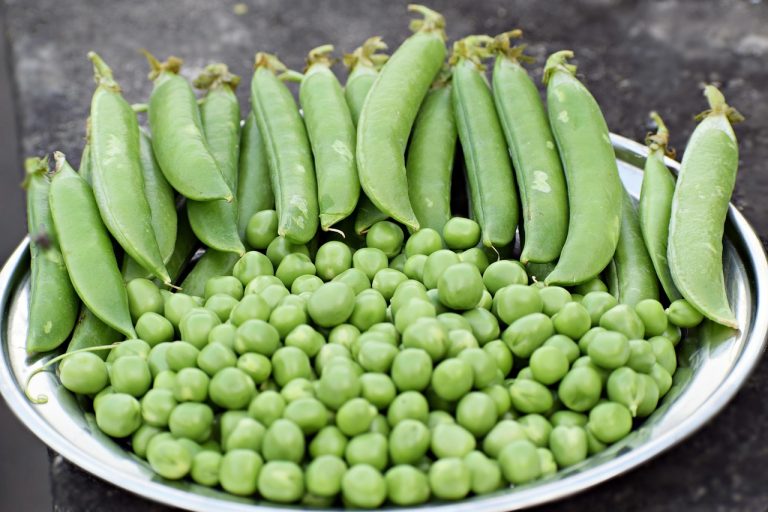


Photo by Kampus Production on Pexels
If you have ever wondered why some people seem to thrive on clean eating while others still feel sluggish, bloated, or constantly hungry, the answer may start in the gut. A healthy digestive system does far more than break down food. It influences energy, cravings, immunity, mood, skin clarity, and even how easily your body manages weight. That is why the right organic food choices can make such a meaningful difference in a modern healthy lifestyle.
This article takes a practical, high-impact look at organic foods for gut health and how they can support better digestion, a more balanced detox diet, and steady weight loss without extreme rules. You will learn which organic foods deserve a place on your plate, how to build meals that feel satisfying, and which daily habits help your body absorb nutrition more efficiently. Could a few smarter food swaps really change how you feel by the end of the week? In many cases, yes.
Clean eating is not about perfection. It is about choosing foods that work with your body instead of against it. When your meals are rich in fiber, naturally fermented ingredients, antioxidants, and quality nutrients, your digestion often becomes calmer and more predictable. And when digestion improves, the ripple effects can be surprisingly powerful: fewer cravings, less bloating, better focus, and more stable energy throughout the day.
Why Gut Health Matters in a Clean Eating Routine
Your gut is often described as a second brain, and for good reason. It contains millions of nerve cells, communicates constantly with the brain, and helps regulate processes that affect appetite and metabolism. If your digestive system is stressed, your entire routine can feel harder. Even the healthiest diet can seem ineffective if your body is not processing it well.
Organic food fits naturally into gut-focused clean eating because it often emphasizes fresh produce, minimally processed ingredients, and whole-food meals. That combination gives your digestive system a better chance to work smoothly. Instead of flooding the body with additives, excess sugar, and heavily refined oils, you create a more balanced internal environment that supports digestion and overall nutrition.
How Gut Health Connects to Weight Loss
Many people think weight loss is only about calories, but gut health plays a deeper role. A diverse and well-fed gut microbiome may help support better appetite regulation, more efficient nutrient absorption, and reduced inflammation. When your digestion is off, you may crave sugary foods, feel tired after meals, or struggle with inconsistent hunger signals.
That does not mean gut health is a magic shortcut. It means the body tends to respond better when food quality improves. If your meals are built around organic vegetables, fiber-rich fruit, fermented foods, and clean protein sources, your body often has an easier time feeling satisfied without overeating. Have you noticed that some meals leave you energized while others leave you searching for snacks an hour later? That difference is often tied to food quality and digestive comfort.
Signs Your Digestion May Need More Support
Your body usually gives clear signals when your gut needs attention. These signs are common and should not be ignored:
- Frequent bloating or abdominal discomfort
- Irregular bowel movements or constipation
- Gas after meals that feels excessive or persistent
- Cravings for sugar or refined carbohydrates
- Low energy, especially after eating
- Poor skin clarity or recurring breakouts
- Feeling unusually hungry even after meals
If several of these sound familiar, your next step may not be stricter dieting. It may be improving the quality and balance of your organic food choices so your digestion can recover and function more efficiently.
The Best Organic Foods for Gut Health
Not all organic foods affect digestion in the same way, but certain categories stand out because they support the gut from multiple angles. Some feed beneficial bacteria. Others help move waste through the system. Some reduce inflammation, while others provide minerals and antioxidants that support the digestive tract lining.
[IMAGE: organic vegetables]
When planning a gut-friendly organic diet, think in layers: fiber, fermentation, hydration, and nutrient density. That approach makes clean eating more practical and more effective for long-term weight loss and vitality.
Fermented Organic Foods
Fermented foods are some of the most valuable additions to a gut-friendly routine because they contain beneficial bacteria or compounds that support a healthier digestive environment. Organic options are especially appealing when you want a clean eating plan with fewer unnecessary additives.
Examples include:
- Plain organic yogurt with live cultures
- Organic kefir
- Sauerkraut made with simple ingredients
- Organic kimchi
- Miso in moderation
- Tempeh
These foods can be added in small servings and gradually increased. That gradual approach matters because a sudden jump in fermented foods can be intense for some people. Start slowly and observe how your body responds. Do you feel lighter and more balanced, or do you notice discomfort? Listening to your own body is part of intelligent nutrition.
Fiber-Rich Organic Vegetables
Fiber is one of the most important nutrients for digestive health and healthy weight management. It helps keep bowel movements regular, supports a feeling of fullness, and feeds beneficial gut bacteria. Organic vegetables are a smart foundation because they are versatile, affordable in season, and easy to work into nearly every meal.
Excellent choices include:
- Broccoli
- Brussels sprouts
- Spinach
- Arugula
- Carrots
- Beets
- Zucchini
- Cauliflower
- Asparagus
These vegetables can be roasted, steamed, blended into soups, or served raw in salads. Cruciferous vegetables such as broccoli and cauliflower are especially useful in a detox diet style of eating because they provide compounds that support the body’s natural processing systems. If you want clean eating to feel sustainable, the key is not to force huge raw salads every day. It is to prepare vegetables in ways you genuinely enjoy.
Organic Fruits That Support Digestion
Fruit offers natural sweetness, hydration, and fiber, all of which can help keep digestion smoother and cravings under control. Organic fruit is especially useful when you want a satisfying alternative to ultra-processed snacks. The goal is not to avoid sweetness completely; it is to get it from whole foods that bring nutrients with the flavor.
Try these options:
- Kiwi
- Apples
- Pears
- Berries
- Papaya
- Bananas, especially slightly green ones for resistant starch
- Citrus fruits
Many people underestimate kiwi as a digestion-friendly food. Berries are also excellent because they are rich in antioxidants and relatively low in sugar compared with many desserts. If your goal is weight loss, fruit can absolutely fit into a balanced plan when portioned wisely and paired with protein or healthy fat.
Prebiotic Foods That Feed Good Bacteria
Prebiotics are fibers that serve as food for the beneficial bacteria in your gut. Think of them as the foundation that allows fermentation-friendly foods to do their best work. A healthy lifestyle does not just add probiotics; it also supports them with prebiotic ingredients.
Look for these organic foods:
- Garlic
- Onions
- Leeks
- Asparagus
- Jerusalem artichokes
- Oats
- Chia seeds
- Flaxseeds
These ingredients are easy to use in soups, salads, breakfast bowls, and side dishes. They help create a more nourishing environment in the digestive tract. If you are trying to improve nutrition while trimming excess snacking, prebiotic foods are often a quiet but powerful advantage.
Healthy Organic Proteins and Fats
Protein and fat are not just for satiety. They also help stabilize blood sugar, reduce the urge to graze all day, and make meals feel complete. When weight loss stalls, it is often because meals are too light on protein or too low in satisfying fat. A strong clean eating plan includes both.
Good choices include:
- Organic eggs
- Wild-caught fish
- Organic chicken
- Plain Greek yogurt
- Tofu and tempeh
- Avocados
- Olive oil
- Nuts and seeds
Balanced protein helps preserve lean muscle during weight loss, while healthy fats support hormone balance and meal satisfaction. Have you ever eaten a salad that looked healthy but left you hungry almost immediately? Adding a quality protein source can change that completely.
How Organic Food Supports a Detox Diet Without Extreme Measures
The word detox is often misunderstood. It does not have to mean juice fasting, starving yourself, or following a complicated plan that leaves you exhausted. In reality, your body already has remarkable detoxification systems in the liver, kidneys, lungs, skin, and digestive tract. What you can do is support those systems with foods and habits that reduce strain and improve efficiency.
Organic food fits beautifully into a detox diet because it often centers on ingredients that are fresh, nutrient-dense, and lower in unnecessary chemical exposure. That does not mean organic food is a cure-all. It means you are choosing cleaner inputs that may help your body do its natural work with fewer obstacles.
What a Gentle Detox Diet Really Looks Like
A sensible detox diet should leave you nourished, not depleted. Instead of focusing on restriction, focus on removal of excess. Reduce sugary drinks, highly processed snacks, heavy alcohol intake, and oversized portions of refined carbohydrates. Replace them with organic vegetables, hydrating foods, herbs, quality proteins, and fiber-rich meals.
This kind of approach often supports clearer skin, better digestion, and steadier energy. It also makes clean eating feel less intimidating because you are not eliminating every pleasure. You are simply giving your body more of what it actually uses well.
Foods That Naturally Support Daily Detox Pathways
Some organic foods are especially helpful when you want to support your body’s natural cleanup systems:
- Leafy greens such as spinach and kale
- Cruciferous vegetables such as broccoli and cabbage
- Beets, which support nutrient-rich meals
- Lemon and lime for flavor and hydration
- Garlic and onion for prebiotic support
- Green tea in moderation
- Fresh herbs such as parsley and cilantro
- Water-rich vegetables like cucumber and celery
These ingredients do not perform miracles, but they can help you feel lighter and more refreshed when they become part of your routine. A detox diet done well is less about punishment and more about renewal.
A Clean Eating Meal Framework for Gut Health and Weight Loss
One of the biggest obstacles to healthy eating is not knowledge. It is consistency. You may already know that vegetables are good for you, but knowing how to build meals that taste good and keep you full is what turns a plan into a lifestyle. A practical framework keeps your choices simple.
Use this formula when building meals:
- 1 serving of protein
- 1 to 2 servings of colorful vegetables
- 1 smart source of fiber or complex carbohydrates
- 1 portion of healthy fat
- Optional fermented food or herb garnish
This structure supports nutrition, digestion, and satiety without complicated tracking. It also helps prevent the all-too-common clean eating mistake of under-eating during the day and overeating at night.
Sample Organic Breakfast Ideas
Breakfast can set the tone for your digestion and appetite. When the first meal of the day is balanced, many people feel more stable and less likely to reach for convenience foods later. A healthy breakfast does not need to be large. It needs to be purposeful.
Try one of these options:
- Organic Greek yogurt with berries, chia seeds, and pumpkin seeds
- Scrambled organic eggs with spinach and avocado
- Overnight oats made with organic oats, flaxseed, cinnamon, and sliced banana
- Smoothie with kefir, kale, berries, and nut butter
These meals are easy, satisfying, and rich in digestion-friendly nutrients. If mornings are rushed, prepare ingredients the night before so clean eating feels effortless rather than demanding.
A Balanced Lunch That Keeps You Energized
Lunch should support focus rather than trigger a mid-afternoon crash. That usually means including protein, fiber, and enough volume to feel satisfying. A bowl meal works well because it is easy to assemble and easy to personalize.
Example lunch combinations:
- Grilled organic chicken, quinoa, greens, cucumber, and olive oil dressing
- Tempeh with roasted broccoli, carrots, and brown rice
- Lentil soup with a side salad and fermented vegetables
- Salmon over arugula with avocado and roasted beets
[IMAGE: healthy meal]
Each of these options delivers a solid balance of nutrition while remaining light enough for comfortable digestion. If you often feel sluggish after lunch, the issue may be that your meals are too refined or too heavy in one category. Balance is the real secret.
Smart Snacks That Support Digestion
Snacks are often where clean eating breaks down because people wait too long to eat and then choose whatever is easiest. A better strategy is to keep a few organic foods on hand that are both satisfying and digestion-friendly.
- Apple slices with almond butter
- Carrot sticks with hummus
- Plain kefir or yogurt
- Handful of walnuts and berries
- Cucumber slices with sea salt and lemon
- Roasted chickpeas
These snacks can help you stay on track with weight loss because they reduce impulse eating and support stable blood sugar. They are especially useful when your schedule is unpredictable and you need something quick but nourishing.
A Dinner That Feels Light but Filling
Dinner is a great time to emphasize vegetables and moderate portions. Many people sleep better when their evening meal is not overly heavy, greasy, or sugar-laden. Gentle digestion at night may also help you wake up feeling less puffy and more refreshed.
Consider these dinners:
- Baked salmon with asparagus and sweet potato
- Organic turkey lettuce wraps with avocado and shredded cabbage
- Stir-fried tofu with bok choy, mushrooms, and brown rice
- Vegetable soup with lentils and a side of sauerkraut
Notice how these meals are simple, colorful, and rich in fiber. They support healthy lifestyle goals without feeling boring or restrictive. If you can finish dinner feeling comfortably full instead of overly stuffed, you are already doing something right.
The Best Clean Eating Habits for Better Digestion
Food matters, but so does how you eat it. A healthy lifestyle is built on habits that reduce digestive stress and help your body make use of the nutrients you provide. Sometimes a few mindful behaviors can improve gut comfort more than a more expensive grocery cart.
[IMAGE: fitness lifestyle]
Eat More Slowly
When you eat too quickly, you swallow more air, miss fullness signals, and place extra pressure on digestion. Slowing down gives your brain time to register satiety and allows the digestive process to begin properly. Even if you only slow your meals by a few minutes, the difference can be noticeable.
Try putting your fork down between bites, chewing thoroughly, and avoiding screens during at least one meal per day. Could a quieter, more intentional dinner routine help you digest better? Often, yes.
Stay Hydrated Without Overloading Meals
Water is essential for digestion, but drinking too much during meals can sometimes make certain people feel uncomfortable. The better strategy is steady hydration throughout the day. Herbal teas, water with lemon, and mineral-rich fluids can support a more comfortable rhythm.
If you are increasing fiber, hydration becomes even more important. Fiber needs fluid to do its job well. Without enough water, a high-fiber diet can sometimes create the opposite of the effect you want.
Move After Eating
Gentle movement is one of the simplest digestive tools available. A short walk after meals can help reduce bloating, improve blood sugar response, and make you feel more awake. You do not need a hard workout. In fact, light movement is often better right after eating.
A few easy options include:
- 10 to 20 minute walk after lunch or dinner
- Gentle stretching
- Standing and moving for a few minutes each hour
- Light yoga or mobility work
Movement also reinforces a healthier relationship with weight loss by reminding you that progress is not based on punishment. It is built through consistency, circulation, and daily care.
Manage Stress for Better Digestion
Stress can change the way your body digests food. When you are tense, hurried, or emotionally overloaded, digestion often slows down or becomes uncomfortable. This is one reason some people have stomach trouble even when they are eating otherwise healthy meals.
Simple ways to reduce digestive stress include:
- Taking three deep breaths before a meal
- Eating in a calm environment when possible
- Taking short breaks from work or screens
- Practicing gratitude before dinner
These habits may seem small, but they are part of a truly sustainable clean eating routine. Nutrition works better when your nervous system is not constantly in overdrive.
Organic Diet Mistakes That Can Disrupt Gut Health
Even people with good intentions can accidentally make their health goals harder. Choosing organic food is a meaningful step, but the way you use it matters just as much. Avoiding a few common mistakes can make your plan feel much more effective.
Buying Organic but Still Eating Too Much Processed Food
Organic cookies are still cookies. Organic chips are still chips. While there is nothing wrong with enjoying treats occasionally, a healthy diet should be rooted in whole foods. If your cart is full of packaged items with organic labels but your meals still lack vegetables, protein, and fiber, gut health will not improve as much as you expect.
Going Too Low in Calories
Many people trying to lose weight eat too little, which can backfire by increasing cravings and reducing energy. Under-eating can also affect digestion by slowing things down and making meals feel unsatisfying. The goal is not to starve your body. It is to nourish it efficiently.
Ignoring Fiber Gradually
Fiber is helpful, but a sudden increase can cause bloating if your body is not used to it. Increase fiber step by step and always pair it with enough water. A healthy gut adapts over time.
Not Balancing Fermented Foods
Fermented foods can be wonderful, but they are not the only answer. Too much too quickly may feel overwhelming. Start with small servings and notice how your digestion responds before increasing portions.
Forgetting Sleep and Recovery
Gut health does not exist in a vacuum. Poor sleep and chronic stress can influence cravings, appetite, and digestion. If you are eating well but sleeping poorly, your results may be slower than they need to be. Better nutrition works best alongside rest.
A Practical Grocery List for Clean Eating Success
The easiest way to stay consistent is to make healthy choices the default. A smart grocery list removes friction and makes meal prep feel less overwhelming. When your kitchen is stocked with organic food, good decisions become much easier.
Produce
- Spinach
- Kale
- Broccoli
- Cauliflower
- Carrots
- Beets
- Asparagus
- Cucumber
- Avocados
- Berries
- Apples
- Kiwi
Protein
- Organic eggs
- Plain Greek yogurt
- Organic chicken
- Wild salmon
- Tempeh
- Lentils
- Chickpeas
Pantry Staples
- Oats
- Chia seeds
- Flaxseeds
- Brown rice
- Quinoa
- Olive oil
- Apple cider vinegar
- Nuts and seeds
- Herbal tea
With these basics in your kitchen, you can create quick meals that support nutrition, digestion, and weight management without relying on takeout or convenience snacks.
How to Start a Gut-Friendly Organic Diet Without Feeling Overwhelmed
Healthy habits last longer when they are simple. You do not need to change everything at once. In fact, small upgrades are usually more sustainable than dramatic resets. The best clean eating strategy is one you can repeat on busy days, tired days, and days when motivation is low.
Start with One Meal
Pick one meal each day to make more nutrient-dense. Breakfast is often the easiest place to begin because it sets the tone for the rest of the day. If breakfast feels unrealistic, start with lunch or dinner. The point is to build momentum.
Add, Then Subtract
Rather than focusing on everything you must avoid, start by adding more organic vegetables, more water, more protein, or one fermented food. Once those habits feel normal, naturally reduce less helpful foods. This approach feels less restrictive and more empowering.
Plan for Busy Days
Healthy eating usually fails when people are hungry, rushed, and unprepared. Keep a few backup meals and snacks ready so that your most hectic days do not derail your routine. Meal prep does not have to mean spending hours in the kitchen. Even washing produce, cooking grains, and portioning snacks ahead of time can make a major difference.
Track How You Feel
One of the best ways to understand whether a food choice works for you is to notice how your body responds after eating. Energy, digestion, cravings, and mood are all useful signals. Some people feel better with more fermented food, while others do best with smaller portions. Your experience matters.
When you treat clean eating as a long-term relationship with your body instead of a short-term rulebook, the process becomes much more sustainable. You begin to notice which meals support focus, which ones calm your digestion, and which habits help you feel lighter without feeling deprived.
The real power of organic food is not just in the label. It is in the way those choices can help you build meals that are fresher, calmer, and more satisfying. If better digestion, more stable energy, and realistic weight loss sound appealing, this is the kind of routine worth building one meal at a time. Keep exploring new recipes, smart food swaps, and practical healthy lifestyle ideas, and you will find that clean eating can feel less like a challenge and more like a way of living well every single day.
About the Author