

Photo by Alexas_Fotos on Pixabay
If you are trying to lose weight without turning every meal into a negotiation, organic food can be a surprisingly practical place to start. The goal is not perfection, and it is not about eating tiny portions of bland food all day. It is about choosing ingredients that naturally support a healthy lifestyle, make clean eating feel satisfying, and help you stay consistent long enough to see real change. When your meals are built around nutrient-dense foods, weight loss often feels less like a battle and more like a rhythm you can actually live with.
That is where organic food has an edge. Fresh produce, quality protein, fiber-rich grains, and simple ingredients can help you feel full while keeping your nutrition on track. Instead of chasing the latest shortcut, you learn how to assemble meals that work with your body. And if you have ever wondered why some diets leave you hungry, moody, and exhausted, the answer is often simple: the food was too processed, too restrictive, or too disconnected from real nourishment.
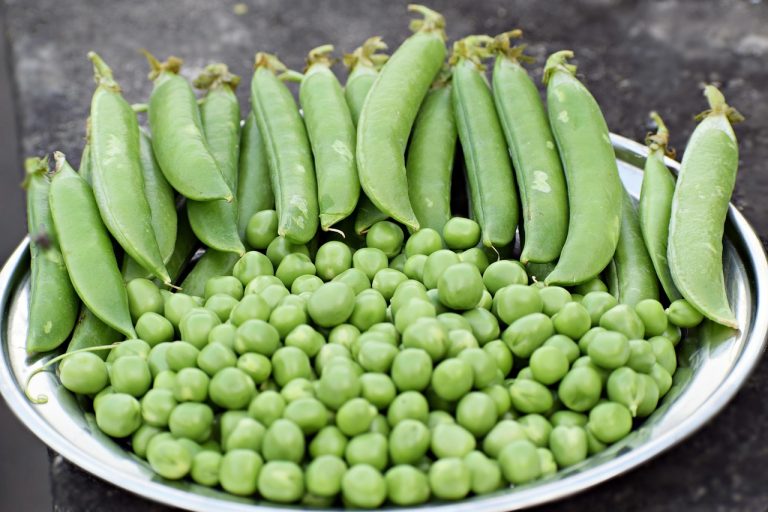
[IMAGE: organic vegetables]
In this guide, we will look at the best organic foods for weight loss, how to build a clean eating plate, and what mistakes can quietly hold you back. You will also see how a gentle detox diet approach can support your body without extreme rules. Ready to make organic eating feel more realistic and less overwhelming?
Why organic food can make weight loss feel more sustainable
Weight loss works best when your habits are easy to repeat. That is one reason organic food can be so helpful: it often encourages you to cook more simply, read labels more carefully, and rely less on ultra-processed products. The result is not magic. It is structure. And structure matters when you are trying to improve nutrition without losing momentum.
Better ingredients, fewer distractions
Many organic foods are minimally processed, which means they come closer to their natural form. A bowl of organic berries, a plate of roasted vegetables, or a breakfast made with organic eggs does not need much help to taste good. When the ingredients are strong, you need fewer sauces, less added sugar, and fewer extra calories to make the food enjoyable.
This matters because people often think weight loss is only about willpower. In reality, the easier your meals are to enjoy, the easier they are to repeat. Would you rather force yourself through a sad diet plan or eat food that actually feels like food?
Satiety comes from fiber, protein, and healthy fats
Organic food is not automatically lower in calories, but it can make it easier to prioritize fullness. Fiber from vegetables, legumes, fruits, and whole grains helps slow digestion. Protein supports lean muscle and can reduce the urge to snack constantly. Healthy fats from avocado, seeds, and nuts add richness and satisfaction.
When those three elements show up in the same meal, something interesting happens: you stop thinking about food every hour. That alone can make a big difference in long-term weight loss.
A lighter approach to a detox diet
Many people search for a detox diet when they want a reset, but the most effective version is not a juice cleanse or a drastic cleanse program. Your body already has built-in detox systems, especially the liver, kidneys, digestion, and lymphatic system. What you can do is support them with clean eating, hydration, and plenty of fiber.
Organic food fits this approach beautifully. Fresh vegetables, berries, herbs, citrus, and water-rich produce help you move away from heavy, highly processed meals and toward a pattern that feels lighter and more energized. That is a more realistic detox diet: one built on everyday nutrition rather than extremes.
The best organic foods for weight loss
Not every organic food is ideal for weight loss, but many are excellent choices because they combine high nutrition with natural satiety. Think about the foods that help you stay full, energized, and calm between meals. Those are the ones worth building your meals around.
Leafy greens that add volume without many calories
Spinach, kale, arugula, Swiss chard, romaine, and mixed greens are all powerful weight loss staples. They add volume to meals without adding many calories, and they bring vitamins, minerals, and antioxidants that support overall nutrition.
Try adding leafy greens to omelets, smoothies, grain bowls, soups, and salads. The more often they show up on your plate, the easier it becomes to create a clean eating routine that feels abundant instead of restrictive.
- Add spinach to scrambled eggs for a quick breakfast upgrade.
- Use romaine or mixed greens as a base for lunch bowls.
- Wilt kale into soups or sauté it with garlic for dinner.
Cruciferous vegetables that keep meals satisfying
Broccoli, cauliflower, Brussels sprouts, cabbage, and broccoli sprouts are some of the most useful organic vegetables for weight loss. They are high in fiber and have a satisfying bite, which helps meals feel substantial. They also pair well with lean protein and healthy fats.
Roast them with olive oil, steam them lightly, or toss them into stir-fries. If you want a clean eating meal that still feels comforting, cruciferous vegetables can do a lot of the heavy lifting.
Berries for sweetness without the sugar spike
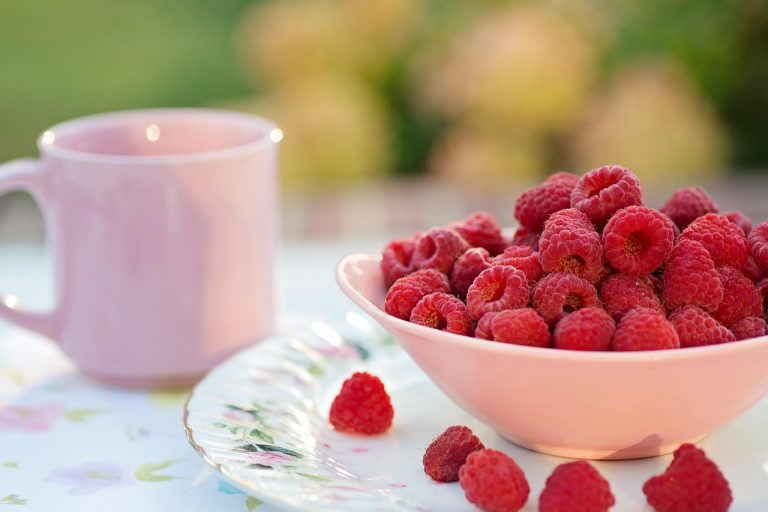
Organic strawberries, blueberries, raspberries, and blackberries are ideal when you want something sweet without leaning on desserts or refined sugar. They are rich in fiber and antioxidants, and they work well in breakfast bowls, snacks, and smoothies.
They are especially useful if you struggle with cravings in the afternoon or evening. A bowl of berries with yogurt or chia pudding can satisfy your sweet tooth while keeping your nutrition balanced.
Apples and pears for portable fiber
When weight loss gets difficult, convenience becomes important. Apples and pears are easy to pack, easy to eat, and naturally supportive of clean eating habits. Their fiber helps slow digestion, and their subtle sweetness makes them a smart replacement for packaged snacks.
Pair them with nut butter or a small handful of nuts if you want a snack that keeps you fuller for longer. That combination can be a game changer during a busy workday.
Organic eggs for protein at breakfast
Protein at breakfast can influence the rest of your day more than many people realize. Organic eggs are one of the simplest ways to start with structure and satiety. They can be boiled, poached, scrambled, or baked into egg muffins for meal prep.
Why are eggs so useful for weight loss? They are quick, versatile, and easy to pair with vegetables. A breakfast of eggs, greens, and avocado is very different from a pastry and coffee. One keeps you steady; the other often sets up a crash.
Plain Greek yogurt or kefir for creamy, high-protein meals
Organic plain Greek yogurt and kefir can help you build creamy breakfasts and snacks without relying on added sugar. They provide protein, probiotics, and a texture that makes healthy meals feel more satisfying. If you want a simple way to support digestion while staying within a clean eating approach, these foods are worth keeping in your fridge.
Choose unsweetened versions whenever possible. Then add berries, cinnamon, chia seeds, or crushed nuts for flavor and texture.
Beans, lentils, and chickpeas for steady energy
Legumes are some of the most underrated foods for weight loss. They are rich in fiber and plant protein, which can help you feel full with fewer calories than many processed foods. Organic beans, lentils, and chickpeas are also budget-friendly, making healthy eating more sustainable over time.
Use them in salads, stews, soups, and grain bowls. If you want a meal that feels complete without being heavy, legumes are an excellent foundation.
Oats, chia seeds, and flaxseed for smart carbohydrates
Clean eating does not mean cutting out all carbohydrates. In fact, the right carbs can support energy, mood, and consistency. Organic oats, chia seeds, and flaxseed deliver slow-burning fuel and plenty of fiber.
Oats are especially useful for breakfast because they create a stable base for fruit, yogurt, and nuts. Chia and flax can be added to smoothies, oatmeal, and puddings to improve texture and increase satiety. If you have ever felt deprived on a diet, better carbohydrate choices can change that quickly.
Avocados, nuts, and seeds for appetite control
Healthy fats are essential for a balanced diet, but they also need portion awareness. Organic avocados, almonds, walnuts, pumpkin seeds, sunflower seeds, and hemp seeds can help control appetite by making meals more satisfying. They also add texture and richness to salads, toast, and bowls.
The key is moderation. A small handful of nuts or a few slices of avocado can improve a meal. A very large portion can quietly turn a healthy plate into a calorie-dense one.
Mushrooms and tomatoes for savory, low-calorie meals
Mushrooms bring umami and depth to dishes, while tomatoes add acidity, color, and hydration. Together, they can turn simple ingredients into meals that feel much more satisfying. Organic mushrooms and tomatoes are especially useful when you want to eat lighter without feeling like you are eating plain food.
Use them in omelets, sautés, soups, and grain bowls. They are proof that weight loss meals do not have to be boring to be effective.
How to build a clean eating plate that supports a healthy lifestyle
Once you know which foods help most, the next step is learning how to combine them. A strong clean eating plate is not just about what you leave out. It is about creating balance so your meals feel nourishing, not repetitive. This is where a healthy lifestyle becomes practical instead of aspirational.
The simplest portion formula
A useful starting point is a plate built around three elements: vegetables, protein, and smart carbs or healthy fats. You do not need to measure every bite, but you do need enough structure to avoid random eating. When meals are balanced, your appetite usually becomes more predictable.
- Half the plate: organic vegetables or leafy greens
- One quarter: protein such as eggs, yogurt, legumes, fish, or tofu
- One quarter: whole grains, fruit, or starchy vegetables
- Add a small amount of healthy fat for satisfaction
This is simple, but simple works. The best nutrition plan is the one you can follow on a normal Tuesday, not just when you have perfect motivation.
Easy swaps that save calories without feeling restrictive
One of the most effective weight loss strategies is replacing high-calorie, low-satiety foods with smarter options. The goal is not to make every meal tiny. The goal is to keep the meal satisfying while trimming unnecessary extras.
Use small upgrades, not punishment
For example, swap creamy bottled dressings for olive oil and lemon. Replace refined cereal with oatmeal and berries. Choose sparkling water with citrus instead of sugary drinks. Use plain yogurt as a base for dips and sauces. These swaps can reduce calories naturally without making your meals feel like a sacrifice.
- Roasted vegetables instead of fried sides
- Fresh fruit instead of packaged sweets
- Herbs, spices, and citrus instead of heavy sauces
- Homemade bowls instead of fast-food combos
Small changes often create the biggest long-term results because they are easier to repeat every day.
[IMAGE: healthy meal]
A practical organic weight loss day
It is one thing to talk about food groups and nutrient quality. It is another thing to see what a real day of eating might look like. Here is a simple example of how clean eating can support weight loss without feeling rigid.
Breakfast that keeps hunger under control
Try organic eggs scrambled with spinach and tomatoes, plus a small bowl of berries on the side. If you want a vegetarian option, Greek yogurt with chia seeds, blueberries, and oats is another excellent choice. Both meals combine protein, fiber, and enough flavor to feel satisfying.
Why does breakfast matter so much? Because the first meal often influences your cravings, focus, and energy for the rest of the day.
Lunch that supports energy instead of a crash
A grain bowl with mixed greens, chickpeas, cucumber, roasted broccoli, avocado, and a simple olive oil dressing can carry you through the afternoon. If you prefer a warmer meal, try lentil soup with a side salad and whole-grain toast.
Lunch is often where people accidentally lose momentum. They either under-eat and get ravenous later, or they overdo it and feel sluggish. A balanced organic meal helps prevent both.
Snack options for the moments between meals
Healthy snacks are not a sign of weakness. They are often what keeps your nutrition stable enough to avoid overeating later. Choose snacks that offer at least two things: fiber, protein, or healthy fat.
- Apple slices with almond butter
- Plain yogurt with berries
- Carrot sticks with hummus
- A handful of walnuts and pumpkin seeds
- Cucumber slices with cottage cheese
If your snack leaves you hungrier than before, it was not the right snack.
Dinner that feels comforting without being heavy
At dinner, many people want comfort, and you should not ignore that. Try grilled salmon or tofu with roasted Brussels sprouts, cauliflower mash, and a side of quinoa. Or go for a vegetable-rich stir-fry with mushrooms, cabbage, carrots, and chickpeas.
A successful dinner should help you feel calm and satisfied, not stuffed. That is one of the easiest ways to support weight loss over time.
Clean eating and a detox diet: what actually helps
Detox diet claims can become dramatic fast, but the best version is simple: eat more whole foods, drink enough water, and reduce your dependence on highly processed ingredients. That is how you support your body’s natural detox pathways without falling into extremes.
What your body really needs to feel lighter
Your liver and kidneys are already doing the hard work of processing waste and regulating balance. Your job is to give them support, not punishment. Organic food can help by reducing exposure to unnecessary additives and making it easier to eat more fiber-rich plants.
The combination of hydration, vegetables, fruits, legumes, and lean protein can help you feel less sluggish and more in control. It is not flashy, but it is effective.
Simple detox-supportive habits
- Start the day with water before coffee.
- Include at least one leafy green serving daily.
- Choose whole fruit instead of juice.
- Keep ultra-processed snacks out of sight.
- Eat enough protein so cravings stay manageable.
These habits are far more useful than a short-term cleanse because they can become part of your regular routine.
Common mistakes to avoid when using organic food for weight loss
Even the best ingredients can work against your goals if the overall pattern is off. Many people buy organic food but still struggle to lose weight because of hidden habits that are easy to overlook. If your progress has stalled, one of these may be the reason.
Buying organic but ignoring portions
Organic cookies are still cookies. Organic granola can still be very calorie-dense. Organic nut butter is still easy to overeat. This does not mean these foods are bad. It means they still need portion awareness.
Weight loss depends on the whole picture. Healthy food can still slow progress if the servings are too large.
Skipping protein and getting hungry later
If your meals are mostly vegetables and carbs, you may feel virtuous at first but hungry soon after. Protein is often the missing piece. Include eggs, yogurt, beans, lentils, tofu, fish, or poultry regularly if your goal is steady appetite control.
A good question to ask yourself is this: does this meal actually keep me full, or does it only look healthy?
Turning healthy fats into calorie bombs
Avocados, nuts, seeds, and olive oil are valuable, but they are also concentrated sources of calories. That is fine if you use them with intention. It is not fine if every salad becomes a calorie-heavy bowl of toppings and dressing.
Use healthy fats to improve a meal, not to drown it.
Using detox diet language instead of real habits
It is tempting to believe that a detox diet will erase a few weeks of overeating. In practice, the body responds better to consistent behavior than to dramatic resets. If you want change, focus on meal structure, sleep, movement, hydration, and regular groceries you can actually afford and enjoy.
That is the difference between a short-lived cleanse and a sustainable healthy lifestyle.
How to make organic eating practical on a busy schedule
The biggest challenge for most people is not knowledge. It is logistics. If your pantry is empty and your calendar is packed, the most inspiring nutrition advice will not help much. That is why practical planning matters so much for weight loss and clean eating.
Build a short grocery list
Instead of buying dozens of items you may never use, keep a small rotation of essentials. This makes shopping easier, reduces decision fatigue, and helps prevent waste.
- Leafy greens and cruciferous vegetables
- Berries, apples, and citrus fruit
- Organic eggs or another reliable protein
- Greek yogurt, kefir, or cottage cheese
- Oats, chia seeds, lentils, or chickpeas
- Avocados, nuts, olive oil, and seeds
When your kitchen is stocked with ingredients that work together, healthy eating becomes much easier to maintain.
Meal prep tips for weekdays
You do not need to prep every meal for the entire week. Start with just a few building blocks. Roast a tray of vegetables. Cook a pot of lentils or quinoa. Wash greens and berries. Hard-boil eggs. Those small steps can save you from grabbing whatever is convenient later.
Meal prep does not need to look like a rigid meal plan in plastic containers. It only needs to make good choices faster than bad ones.
Prep once, eat twice
If you make roasted vegetables for dinner, use the leftovers in tomorrow’s lunch bowl. If you prepare extra eggs, they can become breakfast or a snack. If you wash and chop produce right away, it is more likely to be eaten. The less friction there is, the more consistent your nutrition becomes.
[IMAGE: fitness lifestyle]
Clean eating works best when movement and recovery are part of the plan
Food does a lot, but it does not do everything. A healthy lifestyle is strongest when nutrition is paired with movement, sleep, and stress management. This is where many people notice a shift: once they start walking more, lifting weights, or simply being more active, their organic food choices feel more effective.
Why exercise helps your nutrition work harder
Movement supports insulin sensitivity, energy use, mood, and body composition. It also makes weight loss feel less like a punishment and more like a system. You are not just eating less; you are building a body that uses food more efficiently.
You do not need a perfect gym routine. Brisk walks, strength training, yoga, cycling, or active commuting can all help. The key is consistency. What movement can you repeat each week without dreading it?
Recovery matters more than people think
When sleep is poor and stress is high, appetite and cravings often become harder to manage. That can make even the best clean eating plan feel impossible. Prioritizing rest is not laziness. It is part of effective nutrition.
- Sleep 7 to 9 hours if possible.
- Drink water throughout the day.
- Take short breaks from screens and work.
- Use gentle movement to reduce stress after long days.
These habits may seem indirect, but they strongly influence how well weight loss efforts hold up over time.
How to stay consistent without feeling deprived
Consistency usually wins over intensity. The people who get results are not always the ones following the strictest plan. More often, they are the ones who can keep going when life gets messy. That is why your organic weight loss strategy should feel supportive, not extreme.
Plan for real life, not ideal life
There will be late meetings, missed grocery trips, cravings, and days when you do not feel like cooking. That is normal. A smart healthy diet accounts for those moments by keeping a few dependable foods on hand.
Stock quick options such as canned beans, frozen vegetables, plain yogurt, eggs, oats, fruit, and simple salad ingredients. When you are tired, these foods can save the day.
Use progress markers beyond the scale
Weight is only one measure of success. Notice your energy, digestion, cravings, sleep, and how your clothes fit. Are you feeling less bloated? Are you making fewer impulsive food choices? Are you recovering faster after workouts? Those changes matter too.
Sometimes the scale moves slowly even when your habits are clearly improving. That is why a broader view is healthier and more motivating.
Ask better questions about your food
Instead of asking,
About the Author