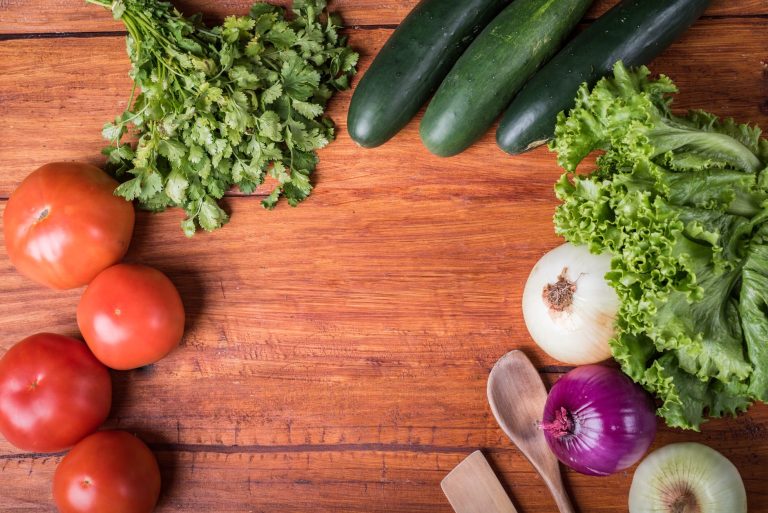


Photo by Tima Miroshnichenko on Pexels
A healthy gut changes more than digestion. It can influence energy, mood, appetite, skin clarity, immune strength, and even how easily your body maintains a healthy weight. That is why so many people who begin a clean eating journey eventually discover that the real transformation starts in the digestive system. If you have been trying to improve your nutrition, reduce bloating, support weight loss, or feel more comfortable after meals, organic food may be one of the most practical places to begin.
Why organic food? Because the gut thrives when it is supported by nutrient-dense ingredients that are free from unnecessary additives, excessive pesticide exposure, and heavily processed fillers. Organic eating is not a magic fix, but it can make a meaningful difference when it becomes part of a consistent healthy lifestyle. The right organic foods feed beneficial gut bacteria, support regular digestion, and help you create meals that feel satisfying rather than heavy. Isn’t that what clean eating should do?
[IMAGE: organic vegetables]
In this guide, we will explore the best organic foods for gut health, how to build meals that encourage better digestion, and why this approach can also support detox diet goals and sustainable weight loss. You will also find practical tips, easy food combinations, and common mistakes to avoid so you can use nutrition in a more intentional way. Whether you are new to organic food or already committed to clean eating, this article will help you make smarter choices with confidence.
Why Gut Health Deserves More Attention
The gut is often described as the center of the body for a reason. It is where food is broken down, nutrients are absorbed, and many of the signals that shape overall health begin. The digestive tract is also home to trillions of bacteria that form the gut microbiome. These microbes are not just passive residents; they help process fiber, support immunity, and influence inflammation levels. When the microbiome is out of balance, you may notice bloating, irregular digestion, cravings, low energy, or changes in appetite.
For people focused on healthy weight loss, gut health is especially important. A stressed digestive system can make it harder to feel satisfied after meals, easier to overeat, and more likely to crave ultra-processed foods. By contrast, a balanced gut may help regulate hunger hormones and improve how your body responds to food. That is one reason a clean eating strategy centered on organic food can feel so effective in real life. You are not just eating fewer empty calories; you are giving your body materials it can actually use.
Signs Your Gut May Need Support
If you have experienced any of the following, it may be time to make your meals more gut-friendly:
- Bloating after normal meals
- Constipation or irregular bowel movements
- Excessive gas or abdominal discomfort
- Frequent sugar cravings
- Feeling sluggish after eating
- Food sensitivities that seem to be increasing
- Difficulty staying satisfied between meals
Do you notice these symptoms often, or only when your eating habits become less structured? That pattern can reveal how closely your digestion is tied to daily nutrition choices.
Why Organic Food Can Be Better for the Gut
Organic food is not automatically healthy in every form, but it does offer several advantages that support a clean eating plan. Organic fruits, vegetables, grains, legumes, dairy, and animal products are produced under standards that limit synthetic pesticides, antibiotics, and genetically modified ingredients. For people trying to reduce their exposure to chemicals while improving digestion, those differences matter.
Many organic foods are also closer to their whole-food form, which makes them easier to fit into an anti-inflammatory or detox diet style of eating. They often come with fewer artificial additives and preservatives, which may be helpful if your digestive system feels irritated by heavily processed products. The key is not perfection. The key is choosing foods that give your body more nourishment and less noise.
What Makes Organic Eating Different?
Organic eating is often misunderstood as a luxury trend, but it is really about food quality and food integrity. In a high-end healthy lifestyle, quality matters because it shapes results. You do not need to buy everything organic overnight, yet choosing organic strategically can make a noticeable difference in areas such as:
- Lower exposure to pesticide residues
- Higher intake of fiber-rich whole foods
- Better meal satisfaction and satiety
- Fewer artificial ingredients in packaged foods
- Support for a more consistent clean eating routine
This is especially relevant if your goal is weight loss without extreme dieting. A balanced organic food approach tends to be more sustainable because it focuses on nourishment rather than restriction. And when people feel nourished, they tend to stay consistent longer.
The Best Organic Foods for Gut Health
Not all foods affect the gut in the same way. Some provide prebiotic fiber that feeds beneficial bacteria, while others supply probiotics that add helpful microorganisms. A smart organic food plan includes both, along with calming ingredients that support the digestive lining and reduce stress on the system.
1. Organic Leafy Greens
Spinach, kale, Swiss chard, romaine, and arugula are rich in fiber, magnesium, and plant compounds that support digestive regularity. Leafy greens are also low in calories, making them ideal for weight loss and clean eating. Add them to salads, soups, omelets, smoothies, or warm grain bowls.
Because organic leafy greens are often eaten raw or lightly cooked, choosing organic can be especially appealing. Their delicate leaves can carry more surface residue than sturdier produce, so many clean eating enthusiasts prefer organic versions whenever possible.
2. Organic Fermented Foods
Fermented foods are some of the most valuable additions to a gut-supportive diet. They contain live cultures that help diversify the microbiome and may improve digestion over time. Popular organic options include:
- Plain organic yogurt
- Organic kefir
- Organic sauerkraut
- Organic kimchi
- Organic miso
- Organic tempeh
When shopping for fermented foods, choose unsweetened and minimally processed varieties. Some commercial products are loaded with sugar or vinegar-heavy sauces that cancel out their benefits. For gut health, simplicity is best.
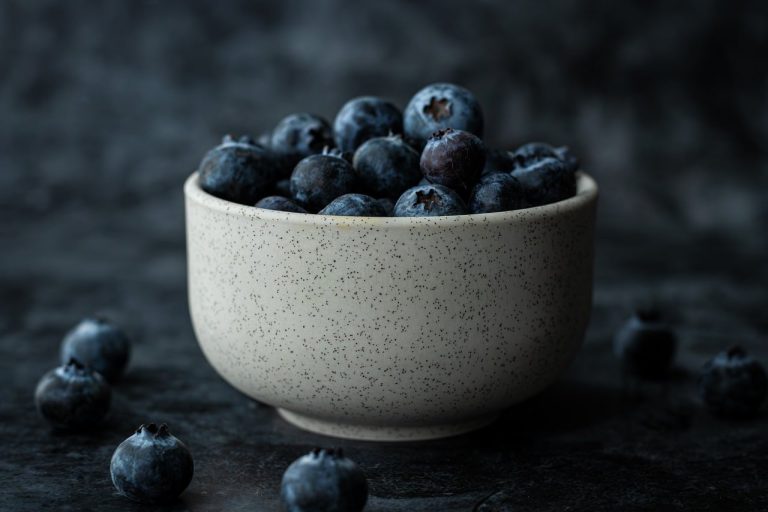
3. Organic Berries
Blueberries, strawberries, raspberries, and blackberries are rich in fiber and antioxidants. They are also naturally sweet, which helps reduce reliance on refined sugar. Berries can be a smart part of a healthy diet for weight loss because they satisfy dessert cravings while still providing nutrients that support digestion and inflammation balance.
Organic berries are often worth prioritizing because they can carry higher pesticide residues in conventional form. A bowl of organic berries with plain yogurt, chia seeds, and nuts can be one of the easiest gut-friendly breakfasts or snacks you will ever make.
4. Organic Apples and Pears
These fruits are excellent sources of pectin, a form of soluble fiber that supports healthy bowel function and feeds gut bacteria. Apples and pears are portable, affordable, and versatile. Try them sliced with almond butter, diced into oatmeal, or baked with cinnamon for a simple dessert that fits clean eating goals.
If you are focused on weight loss, fruits like apples and pears can help you stay full between meals without relying on processed snack bars or cookies. Their combination of water, fiber, and natural sweetness makes them especially useful.
5. Organic Oats and Whole Grains
Organic oats, quinoa, brown rice, buckwheat, and barley can provide the steady energy your body needs while also feeding gut bacteria through their fiber content. Oats are particularly helpful because they contain beta-glucan, a soluble fiber linked to improved digestive and metabolic health.
Do you often feel hungry soon after breakfast? A bowl of organic oats topped with seeds, berries, and a spoonful of nut butter may keep you satisfied much longer than a pastry or sugary cereal.
6. Organic Beans and Lentils
Beans and lentils are powerhouse foods for gut health, but they need to be prepared well. Their combination of fiber and plant protein supports satiety, blood sugar control, and healthy digestion when introduced gradually. Organic black beans, chickpeas, lentils, and mung beans fit beautifully into a detox diet or clean eating meal plan.
If legumes tend to cause discomfort, try soaking them, cooking them thoroughly, and starting with smaller portions. Pairing them with digestive spices such as cumin, ginger, or fennel can also help.
7. Organic Ginger, Turmeric, and Garlic
These flavor-rich ingredients do more than make food taste better. Ginger may help soothe nausea and support motility, turmeric offers anti-inflammatory properties, and garlic contains compounds that may act as prebiotics. Used together, they can make meals more digestible and vibrant.
Fresh organic garlic, ginger, and turmeric root can be added to soups, stir-fries, dressings, and teas. These are small ingredients with a big impact, which is exactly what makes them so valuable in a high-quality nutrition plan.
8. Organic Avocados
Avocados are rich in healthy fats and fiber, both of which help support digestive comfort and meal satisfaction. Their creamy texture also makes them ideal for clean eating because they can replace less nutritious spreads and dressings. Add them to salads, toast, grain bowls, or smoothies for a gentle boost to your organic food routine.
Because avocados contain both fat and fiber, they can help moderate blood sugar response after meals. That makes them useful for people trying to support energy levels and avoid the crash that often follows refined carbohydrate-heavy meals.
9. Organic Nuts and Seeds
Chia seeds, flaxseeds, pumpkin seeds, sunflower seeds, almonds, and walnuts offer fiber, healthy fats, and minerals that support digestion. Chia and flax in particular can help with regularity due to their gel-forming fiber. Sprinkle them over yogurt, blend them into smoothies, or mix them into homemade granola.
[IMAGE: healthy meal]
A small handful of nuts or seeds can also help control appetite during a weight loss journey. When meals are built with smart fats and fiber, they tend to feel more complete, making it easier to avoid mindless snacking later.
10. Organic Bone Broth and Vegetable Broth
Warm broth can be incredibly soothing for sensitive digestion. Organic bone broth provides collagen, amino acids, and minerals, while organic vegetable broth is a lighter option that still supports hydration and comfort. Use broth as a base for soups, stews, and grains, or sip it between meals if your stomach feels unsettled.
For some people, warm liquids in general are easier to digest than iced drinks. This small adjustment can improve comfort and make meals feel more calming overall.
How Organic Foods Support Healthy Weight Loss
Gut health and weight loss are closely linked, but not in a simplistic way. The goal is not to eat less until you are miserable. The goal is to eat in a way that reduces inflammation, stabilizes appetite, and helps your body use energy efficiently. That is where organic food shines. When you replace heavily processed products with whole, nutrient-rich ingredients, your meals become more filling and more supportive of long-term results.
Here is what often happens when people move toward clean eating with organic food:
- They consume more fiber and fewer empty calories
- They feel full sooner and stay satisfied longer
- They reduce sugar crashes that trigger cravings
- They improve meal quality without overcomplicating the plan
- They make food choices that are easier to sustain
This is why a successful healthy diet is usually built on consistency, not perfection. You do not need a strict detox diet to see progress. But if you choose cleaner foods most of the time, your digestion and energy may begin to shift in ways that support healthier body composition naturally.
The Fiber Factor
Fiber is one of the most important nutrients for gut health and weight management. It helps food move through the digestive tract, feeds beneficial bacteria, and slows digestion so you feel full longer. Organic fruits, vegetables, legumes, seeds, and whole grains make it much easier to reach your daily fiber needs without feeling deprived.
If your current diet is low in fiber, increase intake gradually and drink enough water. Going from processed snacks to a very high-fiber plan too quickly can cause bloating. A balanced clean eating approach is supportive, not punishing.
Blood Sugar Stability
Stable blood sugar matters because sudden spikes and crashes often lead to fatigue and cravings. Meals built with organic protein, fiber, and healthy fat help smooth out that response. For example, organic Greek yogurt with berries and seeds is much more satisfying than a sweet pastry, even if both are similar in calories.
That kind of swap can make a big difference in daily nutrition quality. Have you ever noticed how one breakfast leaves you thinking about food all morning while another keeps you calm and focused? That difference often comes down to structure, not willpower.
Building a Gut-Friendly Organic Plate
Creating balanced meals does not have to be complicated. In fact, the simplest meals are often the most effective for clean eating because they are easier to repeat. A well-designed organic plate should include fiber, protein, healthy fat, and hydration-friendly foods that work together to support digestion and appetite control.
The Ideal Plate Formula
Use this easy structure when planning meals:
- Half the plate: organic vegetables or leafy greens
- One quarter: organic protein such as beans, fish, eggs, yogurt, tofu, tempeh, or chicken
- One quarter: organic whole grains or starchy vegetables
- Healthy fat: avocado, olive oil, seeds, nuts, or tahini
This formula works well for a healthy lifestyle because it balances nutrition without requiring calorie counting at every meal. It can also be adjusted for different goals, whether you want a lighter detox diet week or a more substantial weight loss strategy.
Smart Meal Pairings
Here are some organic food combinations that are easy to digest and deeply satisfying:
- Spinach, quinoa, avocado, and grilled salmon
- Greek yogurt, berries, chia seeds, and cinnamon
- Lentil soup with carrots, garlic, and leafy greens
- Oatmeal with flaxseed, walnuts, and sliced apple
- Brown rice bowl with roasted vegetables and tempeh
Notice how each meal includes texture, fiber, and flavor. That is important because food should support the body and still feel enjoyable. Clean eating is much easier to maintain when meals taste good.
Organic Foods and a Gentle Detox Diet
The word detox is often misunderstood. Your body already has a sophisticated detoxification system involving the liver, kidneys, skin, lungs, and digestive tract. The role of food is not to force a cleanse, but to reduce the burden on those systems and provide nutrients they need to function well. Organic foods can support this process by minimizing unnecessary additives and emphasizing whole, nutrient-dense ingredients.
A gentle detox diet built around organic food might focus on hydration, leafy greens, herbs, legumes, fruits, and lightly cooked vegetables while reducing ultra-processed foods, refined sugar, and alcohol. This can ease digestion and help you feel lighter without resorting to harsh restrictions or trendy cleanses.
What a Gentle Detox Approach Looks Like
- Start the day with water and a fiber-rich breakfast
- Include at least two colors of vegetables at lunch and dinner
- Use herbs and spices like ginger, turmeric, parsley, and cilantro
- Choose organic snacks instead of packaged sweets
- Keep meals simple enough to digest comfortably
The goal is not to
About the Author