
Photo by stux on Pixabay
If you have been trying to eat better, feel lighter after meals, or support your weight loss goals without giving up real flavor, your gut deserves more attention than your calorie count. The digestive system influences everything from energy and cravings to immunity, mood, and how efficiently your body uses nutrition. That is why a clean eating approach built around organic food can be such a powerful upgrade for a healthy lifestyle. It is not about perfection or restriction. It is about choosing ingredients that help your body work with less stress and more balance.
Think about the last time you felt bloated, sluggish, or unusually hungry after eating. Was it the portion size, the ingredients, the speed at which you ate, or the overall quality of the meal? For many people, the answer is a mix of all four. When meals are built around fiber-rich organic vegetables, fermented foods, healthy fats, and minimally processed staples, the gut often responds with better regularity, less discomfort, and a more stable appetite. That can matter far more than any temporary detox diet trend.
This guide explores how organic food supports gut health, what to eat more of, what to limit, and how to turn healthy intentions into a practical routine. If you want cleaner digestion, better energy, and a smarter path toward weight loss, the next few sections will give you a realistic plan you can actually use.
Why Gut Health Shapes So Much of Your Well-Being
The gut is often described as a simple digestive organ, but that description barely scratches the surface. Your digestive tract is home to trillions of microorganisms that help break down food, support nutrient absorption, regulate inflammation, and interact with the nervous system. When this ecosystem is in balance, you may notice smoother digestion, fewer cravings, and a clearer sense of energy throughout the day. When it is out of balance, the effects can show up as bloating, irregular bowel movements, skin issues, fatigue, and even mood changes.
Have you ever felt mentally foggy after a heavy meal or anxious when your stomach felt off? That is no coincidence. The gut and brain communicate constantly through the nervous system, immune signals, and hormone pathways. This is one reason clean eating often feels so transformative. It does not just change your plate. It changes the environment your body lives in every day.
The gut-brain connection is real
Many people notice that their eating habits affect more than digestion. A day of ultra-processed food can lead to sluggishness, while a day of balanced, organic meals can feel more stable and energizing. The gut produces and influences many of the chemical messengers involved in mood and appetite. That means what you eat can shape how focused, calm, and satisfied you feel after meals.
Organic food can support this connection in a few important ways. First, it often encourages you to eat more whole ingredients and fewer additives. Second, it can make clean eating easier to maintain because meals tend to feel more intentional and less manufactured. And third, it creates a natural structure for a healthy diet that does not depend on counting every bite.
Digestion affects energy, immunity, and metabolism
Your digestive system does more than absorb calories. It helps extract vitamins, minerals, amino acids, and healthy fats from the foods you eat. If digestion is sluggish, then even a nutritious menu may not deliver its full benefit. The gut also plays a major role in immune function, which is why a strong digestive system is often linked with fewer frequent issues and faster recovery after stress or travel.
For people focused on weight loss, gut health matters because digestion can influence hunger signals and metabolic efficiency. A body that feels nourished is often less likely to demand constant snacking. That is one reason a well-planned organic food routine can support sustainable results better than extreme restriction. It encourages balance, not burnout.
What Makes Organic Food Especially Helpful for the Gut?
Organic food is not a magic solution, but it can be a meaningful part of a better nutrition strategy. Organic fruits, vegetables, grains, legumes, dairy, and proteins are produced according to standards that limit many synthetic pesticides, herbicides, and genetically modified ingredients. For people trying to reduce unnecessary chemical exposure while embracing a cleaner food pattern, that matters. In a world filled with convenience foods and hidden additives, organic choices often bring your meals closer to their natural form.
That simplicity can support the gut in practical ways. Less processing usually means more fiber, more recognizable ingredients, and fewer additives that may irritate sensitive digestion. While no single food will transform your health overnight, consistently choosing high-quality ingredients can reduce the burden on your digestive system and create a more stable foundation for a healthy lifestyle.
Less processing, more nourishment
Many organic foods are sold in their whole form: leafy greens, berries, sweet potatoes, oats, lentils, nuts, seeds, eggs, yogurt, and herbs. These foods naturally supply fiber and micronutrients that help feed beneficial gut bacteria. Fiber is one of the most important tools for digestion because it adds bulk to stool, supports regularity, and provides fuel for microbes that contribute to intestinal health.
It is worth asking: if your meals were built from ingredients your great-grandparents would recognize, would your body feel different? For many people, the answer is yes. Clean eating does not have to be complicated. Often it is simply a return to foods that are less altered and more naturally satisfying.
Organic choices can reduce the mental noise around food
One underrated benefit of organic food is the mindset shift it can create. When people move away from highly processed products and toward simple, whole ingredients, meal planning often becomes less chaotic. There is less guesswork, fewer hidden sugars, and fewer artificial ingredients to monitor. That mental clarity can make it easier to stay consistent with a healthy diet.
Consistency matters more than intensity. A daily routine of organic food, balanced meals, and reasonable portions will usually support better results than a short-lived detox diet or an overly strict plan that is impossible to maintain. The gut prefers steadiness. Your habits should reflect that.
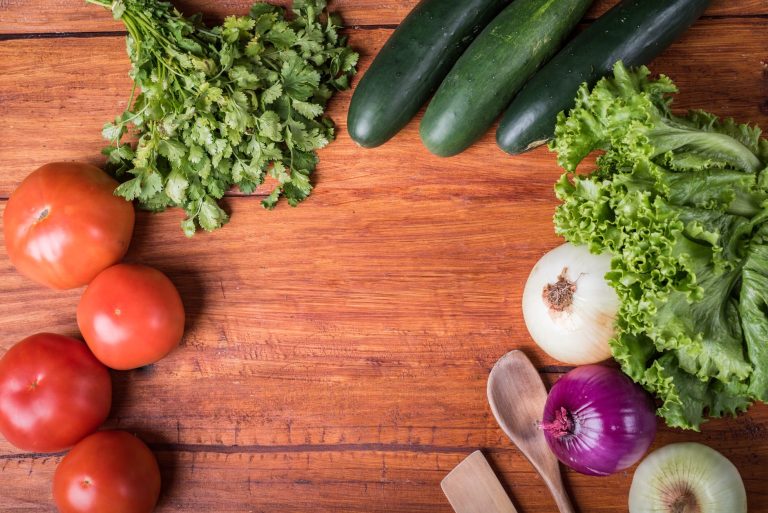
[IMAGE: organic vegetables]
The Best Organic Foods for a Healthier Gut
Not every organic food offers the same digestive benefit. If your goal is better gut health, you want a combination of fiber, hydration, probiotics, prebiotics, and anti-inflammatory nutrients. In other words, do not just buy organic versions of the same snack foods. Build meals that actively support digestion and satiety.
Below are some of the most useful categories to prioritize if you want your clean eating routine to feel both nourishing and realistic. These foods work especially well for people who want to improve digestion while also supporting weight loss in a steady, sustainable way.
1. Fiber-rich organic vegetables
Vegetables are a cornerstone of gut-friendly nutrition. Organic leafy greens, cruciferous vegetables, carrots, zucchini, asparagus, cucumbers, beets, and sweet potatoes help add volume, variety, and micronutrients to the diet. Their natural fiber supports healthy bowel movements and helps you feel full without relying on excess calories.
Great options include:
- Spinach
- Kale
- Broccoli
- Cauliflower
- Brussels sprouts
- Carrots
- Bell peppers
- Sweet potatoes
Try to include at least two different vegetables at lunch and dinner. Variety matters because different plant foods feed different beneficial microbes. The more colors on your plate, the more diverse your nutrition tends to be.
2. Fermented organic foods
Fermented foods can be especially helpful because they contain beneficial bacteria that may support a healthier gut environment. Organic yogurt, kefir, sauerkraut, kimchi, miso, and tempeh are all worth considering. These foods can be powerful additions to a clean eating plan, especially if your digestion tends to feel off after heavy meals.
Start slowly if you are not used to fermented foods. A few spoonfuls of sauerkraut or a small serving of kefir is often enough at first. The goal is to support the gut, not overwhelm it. What matters most is tolerance and consistency.
3. Prebiotic organic foods
Prebiotics are the fibers that feed beneficial gut bacteria. They are different from probiotics, but equally important. Organic onions, garlic, leeks, bananas, oats, apples, and asparagus can help nourish the microbiome and improve digestion over time.
Some easy prebiotic-rich choices include:
- Organic onions and garlic in soups or sautés
- Overnight oats with chia seeds and berries
- Green bananas blended into smoothies
- Apples with nut butter as a snack
- Asparagus roasted with olive oil and herbs
These foods are a quiet but important part of a gut-friendly routine. They help create the conditions that beneficial bacteria need to thrive.
4. Whole grains and legumes
Organic oats, quinoa, brown rice, lentils, chickpeas, and beans can be excellent for digestion when prepared well. They provide fiber, plant-based protein, and lasting energy. For many people trying to manage appetite during weight loss, this is a game changer. A lunch built around lentils and vegetables will often keep you satisfied longer than a refined sandwich or sugary snack.
If beans have caused discomfort in the past, begin with smaller amounts and rinse canned legumes thoroughly. Soaking dried beans, cooking them fully, and pairing them with herbs like cumin or ginger can also make them easier to digest.
5. Healthy fats that calm inflammation
Digestive wellness does not come from fiber alone. Healthy fats help with nutrient absorption and can make meals more satisfying. Organic avocado, extra virgin olive oil, walnuts, chia seeds, flaxseeds, and fatty fish all contribute valuable fats that support a calmer inflammatory environment.
Fat does not automatically mean heaviness. In the right amounts, it can help keep blood sugar steady and reduce the urge to graze between meals. That is especially helpful for people who want a healthy lifestyle without constant hunger.
How Clean Eating Supports Weight Loss Without Extreme Rules
Weight loss tends to become easier when meals are more satisfying, less processed, and more nutritionally complete. That is one of the most practical benefits of clean eating. Instead of chasing short-term tricks, you build meals that naturally work with your appetite and energy needs. When the gut is supported, cravings often become more manageable because your body is getting the nutrients it needs.
Organic food helps by making clean eating feel grounded and intentional. A bowl of organic vegetables, quinoa, salmon, and olive oil is simply harder to overconsume than a highly processed meal packed with refined starches and added sugar. You do not need to fear food. You need to build meals that make sense biologically and emotionally.
Satiety is a hidden weight loss tool
Satiety means the feeling of being comfortably full and satisfied. It is one of the most underrated factors in sustainable weight loss. If your meals lack protein, fiber, and healthy fats, you are far more likely to feel hungry again soon after eating. That can lead to constant snacking and a frustrating cycle of overeating.
Organic food makes it easier to assemble meals that satisfy. Think of a breakfast with eggs, spinach, avocado, and oats. Or a lunch with lentils, roasted vegetables, and tahini. These meals are not trendy because they are restrictive. They are effective because they help your body feel fed in a steady, predictable way.
Blood sugar balance matters more than willpower
Many people assume weight loss is about discipline alone, but blood sugar swings can make even the most motivated person feel drained. When meals are built around real, organic ingredients rather than refined snacks, energy tends to stay more stable. That stability can reduce the urge to reach for sugary foods when stress hits.
Could your afternoon cravings be less about lack of willpower and more about a lunch that was too light or too processed? That is a question worth asking. A healthy diet should support your life, not make it harder to manage your hunger.
[IMAGE: healthy meal]
What a Gut-Friendly Organic Plate Looks Like
Putting theory into practice becomes easier when you have a simple structure. You do not need to track every nutrient in order to eat well. A gut-friendly organic plate can be built using a few basic principles that work for breakfasts, lunches, and dinners.
The plate method
One useful approach is to divide your plate into three parts:
- Half plate: non-starchy organic vegetables
- One quarter plate: protein such as eggs, fish, yogurt, tofu, chicken, or legumes
- One quarter plate: high-fiber carbohydrates such as quinoa, brown rice, sweet potato, or oats
Then add a small amount of healthy fat, such as olive oil, seeds, avocado, or nuts. This structure helps support digestion, blood sugar balance, and appetite control all at once. It also makes meal planning much less stressful.
Example meals for real life
Here are a few simple combinations that work well in a clean eating routine:
- Breakfast: organic oats with chia seeds, blueberries, and plain yogurt
- Lunch: quinoa bowl with roasted vegetables, chickpeas, avocado, and lemon dressing
- Dinner: baked salmon with steamed broccoli, sweet potato, and olive oil
- Snack: apple slices with almond butter and a handful of walnuts
These meals are practical, satisfying, and easy to repeat. That is important because the best nutrition plan is the one you can maintain without feeling deprived.
Why meal timing also helps
For many people, the gut functions better with a regular eating rhythm. Skipping meals can sometimes lead to overeating later, while constant grazing can make it hard to notice true hunger. Find a rhythm that suits your schedule and energy needs. Some people thrive on three balanced meals. Others prefer three meals and one planned snack.
The key is intentionality. Eat because you are fueling your body, not because you are distracted or stressed. That small shift can influence digestion more than many people realize.
[IMAGE: fitness lifestyle]
Foods That Can Disrupt Digestion and Slow Progress
If you are serious about improving gut health, it helps to know which foods tend to get in the way. This is not about labeling foods as good or bad forever. It is about noticing patterns. If certain ingredients leave you bloated, tired, or craving more sugar, they may not deserve a regular place in your routine.
Highly processed foods
Many packaged foods are designed to be hyper-palatable, not nourishing. They often contain refined flour, added sugars, industrial oils, and a long list of additives. These products can crowd out more nutritious choices and make a healthy diet harder to sustain. Even when a package seems convenient, ask yourself whether it actually supports the gut or simply fills a gap in the moment.
Excess sugar
Sugar is especially important to monitor if your goal is weight loss and better digestion. Large amounts of added sugar can contribute to energy crashes, cravings, and inflammation. Over time, that can interfere with how balanced and steady you feel after meals. You do not need to avoid all sweetness, but it helps to choose whole fruit, lower-sugar recipes, and natural flavors more often.
Alcohol and artificial sweeteners
Alcohol can irritate the digestive tract and disrupt sleep, both of which matter for gut health. Artificial sweeteners may also cause discomfort in some people, especially if consumed frequently. Your body may respond better when hydration, sleep, and food quality receive more attention than the pursuit of zero-calorie shortcuts.
If you want a cleaner routine, try replacing one processed habit at a time. Swap soda for sparkling water with lemon. Replace a sugary dessert with berries and yogurt. Choose herbal tea instead of a late-night cocktail. Small shifts create real momentum.
A Simple Organic Routine for Busy People
Healthy habits only work when they fit into real life. If your schedule is packed, the answer is not to abandon clean eating. It is to simplify it. A few smart habits can make organic food feel accessible instead of overwhelming.
Start with a short shopping list
You do not need dozens of ingredients. In fact, a shorter list often leads to better results because it reduces waste and decision fatigue. Focus on foods that can be combined in multiple ways throughout the week.
- Organic leafy greens
- Broccoli, carrots, and zucchini
- Eggs or Greek yogurt
- Lentils, beans, or chickpeas
- Oats, quinoa, or brown rice
- Apples, berries, bananas, and citrus
- Olive oil, avocado, chia seeds, and walnuts
- Sauerkraut or kefir
Prep a few building blocks
Meal prep does not have to mean hours in the kitchen. It can simply mean washing greens, roasting vegetables, cooking a grain, and preparing one protein source in advance. With those basics ready, you can assemble lunches and dinners in minutes. That is the kind of routine that supports a healthy lifestyle week after week.
Sunday prep ideas
- Roast a tray of mixed organic vegetables
- Cook a pot of quinoa or brown rice
- Make a simple lemon-olive oil dressing
- Portion snacks into small containers
- Wash berries and leafy greens
When healthy food is easy to reach, you are far more likely to choose it. That convenience is a quiet but powerful advantage.
Organic Foods and the Detox Diet Mindset
The word detox gets used in many ways, and it often causes confusion. Your body already has detoxification systems through the liver, kidneys, gut, and skin. No drink or cleanse can replace those functions. Still, the detox diet mindset can be useful when it means reducing excess, choosing cleaner ingredients, and giving your digestive system a break from constant overload.
That is where organic food fits nicely. Fresh produce, high-fiber meals, adequate water, and fewer ultra-processed foods create a more supportive internal environment. Instead of chasing a dramatic cleanse, think about reducing digestive strain. That is more sustainable and, for most people, more effective.
Better choices than extreme cleanses
Rather than restricting calories aggressively, try this cleaner approach for a few days or a week:
- Build every meal around whole organic ingredients
- Drink water consistently throughout the day
- Include fermented foods in small amounts
- Reduce added sugar and packaged snacks
- Eat slowly and stop when comfortably satisfied
This is the kind of detox diet that works with your body instead of fighting it. It is not dramatic, but it is realistic. And realistic tends to win in the long run.
How to Tell If Your Gut-Friendly Plan Is Working
Improvements in digestion do not always happen overnight, but the signs often show up gradually. You may notice less bloating after meals, more regular bathroom habits, fewer cravings, better focus, or steadier energy. These are meaningful wins, especially if you have been living with digestive discomfort for a long time.
Keep in mind that every body responds differently. Some people feel changes within days, while others need a few weeks of consistent habits. The important thing is to observe trends rather than chase perfection.
Positive signs to watch for
- More regular digestion
- Less bloating or heaviness after meals
- Fewer intense sugar cravings
- Better energy between meals
- Improved sleep and mood
- More satisfaction from simple meals
If these changes are happening, your body is likely responding well to the new routine. If symptoms persist or worsen, it may be time to make adjustments or speak with a qualified professional.
Common Mistakes People Make With Clean Eating
Even a well-intentioned healthy diet can fall short if it becomes too rigid or too narrow. Sometimes people focus so much on being clean that they stop eating enough, eat too little variety, or overlook hydration and stress. A truly healthy lifestyle is broader than food alone.
Eating too little
Some people attempt weight loss by cutting calories too aggressively. That can backfire by increasing hunger, slowing motivation, and leading to rebound overeating. A balanced organic food plan should nourish you enough to support daily activity, exercise, and recovery.
Forgetting hydration
Water helps fiber do its job. If you increase vegetables and whole grains without increasing fluid intake, digestion can sometimes feel sluggish. Herbal teas, water with citrus, and broth-based soups can all help. Do not underestimate the role of hydration in a smooth digestive routine.
Relying on only a few foods
The gut thrives on variety. Eating the same salad, smoothie, or grain bowl every day may be convenient, but it does not give your microbiome much diversity. Try rotating fruits, vegetables, proteins, and grains so your body receives a broader range of nutrients.
Ignoring stress and sleep
The gut responds to sleep deprivation and chronic stress. Even the best organic food plan can feel less effective if your body is constantly under pressure. Support your digestion by prioritizing rest, movement, and mental recovery. A walk after meals, a regular sleep schedule, and a few slow breaths before eating can go a long way.
Practical Daily Habits That Improve Digestion
There is a reason small habits matter. Digestion does not happen only when you sit down to eat. It starts before the first bite and continues throughout the day. A few intentional actions can make your gut-friendly routine more effective without adding complexity.
Eat more slowly
When meals are rushed, the body has less time to register fullness and start the digestive process properly. Slowing down may seem simple, but it can improve how you feel after eating. Put the fork down between bites, chew thoroughly, and aim to eat in a calmer environment when possible.
Walk after meals
A short walk after lunch or dinner can support circulation and help you feel lighter. It does not need to be intense exercise. Even ten minutes can make a noticeable difference. This habit can also support weight loss by replacing post-meal lounging with gentle movement.
Use herbs and spices wisely
Ginger, turmeric, cumin, fennel, peppermint, and cinnamon can all play a useful role in a gut-friendly kitchen. They add flavor without excess sugar or salt, and many people find them soothing. Try them in soups, teas, roasted vegetables, or grain bowls.
Stay consistent with protein
Protein helps stabilize appetite and supports muscle maintenance, which matters for long-term metabolism. Organic eggs, yogurt, fish, tofu, tempeh, beans, and lentils all deserve a place in the rotation. A balanced plate is usually better for digestion than a meal that is mostly refined carbs.
Sample One-Day Organic Menu for Gut Support
If you enjoy having a clear example, this simple day of eating shows how organic food, clean eating, and digestive support can come together naturally. It is not a rigid prescription. It is a template you can adapt based on preference, appetite, and schedule.
Breakfast
Organic oats cooked with chia seeds, topped with blueberries, sliced banana, and a spoonful of plain yogurt. Drink water or herbal tea alongside it.
Lunch
A bowl with quinoa, roasted broccoli, carrots, chickpeas, avocado, and a lemon-olive oil dressing. Add a small side of sauerkraut if you enjoy fermented foods.
Snack
An apple with almond butter and a handful of walnuts.
Dinner
Baked salmon or tofu with sweet potato, sautéed spinach, and garlic. Finish with peppermint tea if that feels good to you.
This kind of menu works because it is balanced, filling, and gentle on the digestive system. It gives the gut the ingredients it needs without overwhelming it.
Who Should Be Careful With Certain Foods?
Although organic foods are generally a smart choice, not every gut reacts the same way to every ingredient. Some people are sensitive to dairy, beans, high-FODMAP vegetables, or very high fiber intake. Others may need more gradual changes if they have existing digestive conditions. The goal is to improve nutrition in a way that feels supportive, not punishing.
If you have persistent pain, unexplained weight changes, severe bloating, blood in stool, or ongoing digestive symptoms, do not try to solve everything with food trends alone. Professional guidance can help identify the real cause and protect your health.
Listen to your own responses
Start with one or two changes and observe how your body reacts. Maybe yogurt helps, but too much broccoli causes discomfort. Maybe oats feel great, but beans need to be introduced slowly. Personal data matters. Healthy eating is not about copying someone else’s plate perfectly. It is about finding what works for you.
Putting It All Together for Long-Term Success
The strongest nutrition plans are built on habits that feel repeatable. When you focus on organic food, gut support, and clean eating, you are not just trying to shrink your waistline. You are creating a foundation for better digestion, steadier energy, and a more peaceful relationship with food. That is a very different goal from temporary dieting.
Take a moment to think about the foods that make you feel grounded, satisfied, and clear-headed. Which meals help you feel light without leaving you hungry? Which ingredients seem to support your body rather than fight it? These questions matter because the right routine is personal, not generic.
There is nothing glamorous about digestive discomfort, and there is nothing magical about a detox diet that promises fast results. But there is something deeply effective about eating real organic food consistently, respecting your hunger, and choosing a healthy diet that supports the gut day after day. That is where sustainable weight loss and better wellness begin, and it is also where your next healthier chapter can start if you keep learning, experimenting, and reading more expert guidance on the site.
About the Author