
Photo by Luis Kuthe on Pexels
When people think about a healthier body, they often focus on calories, exercise, or cutting back on sugar. Yet one of the most powerful places to begin is the gut. Your digestion influences energy, appetite, immunity, mood, and even the way your body stores fat. That is why choosing organic food can be such a smart step toward a clean eating routine, better nutrition, and sustainable weight loss. Instead of chasing short-term fixes, imagine building meals that support your digestive system every single day. What would change if your food started working with your body instead of against it?
The gut is more than a place where food is broken down. It is home to trillions of microbes that help process nutrients, manage inflammation, and support a healthy lifestyle from the inside out. When your microbiome is fed with fiber-rich, minimally processed organic foods, digestion often becomes smoother, cravings may become easier to manage, and meals can feel more satisfying. That does not mean perfection is required. It means choosing foods that are fresher, cleaner, and easier for your body to use well.
In this guide, you will discover how organic food can support gut health, which ingredients deserve a place on your plate, and how to build a practical clean eating routine without overcomplicating your life. Whether your goal is better digestion, less bloating, improved energy, or weight loss that feels realistic, the right organic foods can make a meaningful difference.
Why Gut Health Matters More Than Most People Realize
Your gut does a great deal of invisible work. It helps break down food, absorbs vitamins and minerals, and communicates with the rest of your body through a complex network often called the gut-brain axis. When digestion is running smoothly, many people notice steadier energy, more regular bowel movements, better appetite control, and fewer post-meal crashes. When it is not, the signs can show up as bloating, sluggishness, irregularity, skin issues, or lingering cravings.
A healthy digestive system is also closely linked to weight management. Why? Because the gut helps regulate how efficiently nutrients are absorbed, how full you feel after meals, and how much inflammation your body experiences. If your routine is filled with heavily processed foods and low in fiber, your body may struggle to find balance. That is where a clean eating plan centered on organic food can help.
Many readers ask a simple question: is organic food really worth it? For gut health, the answer often comes down to quality and consistency. Organic produce tends to reduce exposure to certain pesticides and encourages a diet that is naturally more plant-forward. When your meals contain more fresh vegetables, fruits, legumes, seeds, and fermented foods, your microbiome gets the variety it thrives on.
Signs Your Gut May Need More Support
You do not need a lab test to notice when your digestive system is asking for help. Common signs include:
- Bloating after meals
- Irregular digestion or constipation
- Frequent sugar cravings
- Low energy after eating
- Skin flare-ups that seem connected to food
- A feeling of heaviness even after modest meals
- Unpredictable appetite or constant snacking
If any of these feel familiar, a more supportive nutrition strategy may help. The good news is that you do not need a harsh detox diet or a dramatic cleanse. Often, a more sustainable path begins with better ingredients and simpler meals.
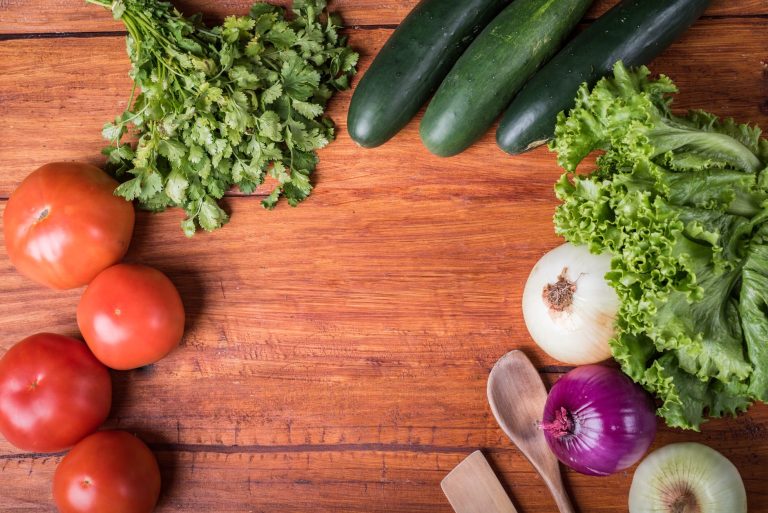
[IMAGE: organic vegetables]
How Organic Food Supports a Healthier Digestive System
Organic food is not a miracle cure, but it can be an excellent foundation for digestive wellness. One reason is simple: organic diets are often richer in whole foods. When someone shifts from processed snacks and refined meals to fresh produce, legumes, nuts, seeds, and whole grains, fiber intake tends to rise naturally. Fiber is one of the most important nutrients for gut health because it feeds beneficial bacteria and supports regularity.
Another advantage is the cleaner overall food pattern that tends to come with organic eating. People who choose organic are often more intentional about reading labels, cooking at home, and avoiding ultra-processed products. That kind of awareness matters. The gut responds best when meals are simple, nourishing, and consistent.
Some people also prefer organic food because they want to reduce exposure to pesticide residues in fruits and vegetables. While opinions vary on the degree of impact, many health-conscious eaters appreciate the peace of mind that comes with choosing organic produce more often. For a healthy diet, that confidence can support long-term consistency.
What Makes Organic Eating Different?
At its core, organic eating encourages a return to real food. That means more ingredients your body recognizes and fewer products designed to last on shelves for months. Instead of relying on packaged convenience foods, you build meals around fresh items that deliver texture, flavor, and nutrition.
- More seasonal fruits and vegetables
- Higher intake of dietary fiber
- Fewer artificial additives and preservatives
- More home cooking and mindful meal prep
- Better alignment with clean eating habits
The result is not just a healthier pantry. It is a healthier rhythm of eating. And in many cases, that rhythm is what helps people feel lighter, calmer, and more in control of their weight loss goals.
The Best Organic Foods for Gut Health
Not all organic foods have the same effect on digestion, so it helps to know which ones truly earn their place on the plate. The following foods are especially useful because they nourish gut bacteria, support regularity, and fit beautifully into a clean eating approach.
1. Leafy Greens
Organic leafy greens such as spinach, kale, arugula, and Swiss chard are among the most valuable foods for digestion. They are rich in fiber, magnesium, and plant compounds that help keep the gut environment balanced. Their mild bitterness can also stimulate digestive enzymes, which some people find helpful before larger meals.
How to use them
- Add spinach to omelets or smoothies
- Use arugula as a peppery salad base
- Sauté kale with garlic and olive oil
- Layer Swiss chard into soups or grain bowls
Because leafy greens are low in calories and high in volume, they also support weight loss without making meals feel restrictive.
2. Cruciferous Vegetables
Broccoli, cauliflower, Brussels sprouts, and cabbage are fiber-rich organic vegetables that encourage healthy elimination and feed beneficial bacteria. They are also packed with sulfur-containing compounds that support the body’s natural detox pathways. If you want a detox diet style of eating without extremes, these vegetables are a smart addition.
Cruciferous vegetables do best when cooked gently. Roasting, steaming, or quick sautéing can make them easier to digest while preserving flavor. If raw crucifers tend to feel heavy on your stomach, try them in smaller portions at first.
3. Berries
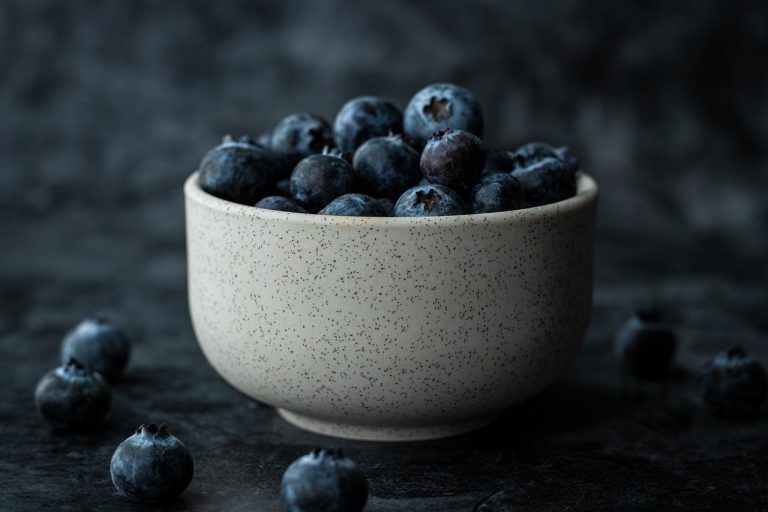
Organic berries such as blueberries, raspberries, blackberries, and strawberries are excellent for gut health because they deliver antioxidants and fiber in a naturally sweet package. They can help satisfy sugar cravings while keeping your clean eating plan on track. Their vibrant color is a sign of protective plant compounds that support overall nutrition.
- Top plain yogurt with berries and seeds
- Blend them into a breakfast smoothie
- Serve them with oats for a balanced start to the day
- Freeze them for a refreshing snack
If you are trying to lower your reliance on processed sweets, berries are one of the easiest swaps to make.
4. Fermented Organic Foods
Fermented foods are powerful because they contain live cultures that may support microbial diversity. Organic yogurt, kefir, sauerkraut, kimchi, miso, and tempeh can be valuable additions to a gut-friendly diet. Not everyone tolerates fermented food in the same way, so begin with small portions and pay attention to how you feel.
These foods work best as regular accents rather than giant portions. A spoonful of sauerkraut with lunch or a small serving of kefir at breakfast can be enough to begin supporting digestive balance.
Ask yourself this: are you giving your gut the kind of variety it needs to thrive, or are you eating the same few processed foods every day?
5. Oats and Other Whole Grains
Organic oats are one of the simplest ways to support digestion and stable energy. They contain beta-glucan, a type of soluble fiber that may help nourish gut bacteria and promote fullness. Brown rice, quinoa, and barley can also fit into a healthy diet built around whole foods.
Whole grains are especially useful for people who want weight loss without extreme restriction. They help meals feel satisfying, which can reduce the urge to snack constantly. The key is portion awareness and balance, not avoidance.
6. Legumes
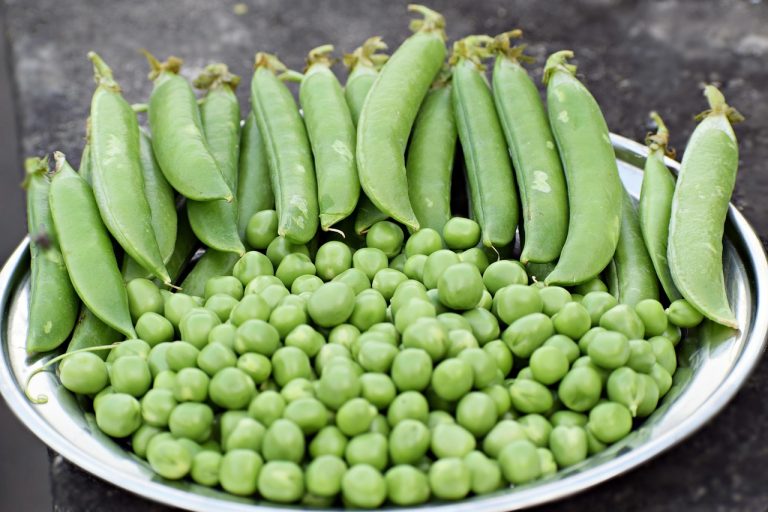
Lentils, chickpeas, black beans, and kidney beans are among the most gut-friendly organic foods available. They are rich in fiber, plant protein, and resistant starch, all of which can support digestion and satiety. If you are searching for organic protein sources that also support a healthy lifestyle, legumes deserve attention.
Some people worry about gas or bloating from beans, but preparation makes a big difference. Soaking, rinsing, and cooking them well can improve digestibility. Start with smaller portions if you are not used to eating them regularly.
7. Garlic, Onions, and Leeks
These aromatic vegetables are rich in prebiotic fibers that feed good bacteria in the gut. They also add depth and flavor to meals without needing heavy sauces or excess salt. Organic garlic and onions are especially useful in a clean eating kitchen because they make simple ingredients taste satisfying.
Use them to build the base of soups, stews, sautés, and sauces. When your food tastes good naturally, you are less likely to depend on processed condiments or packaged flavor enhancers.
8. Apples and Pears
Organic apples and pears are gentle, portable, and rich in soluble fiber, especially when eaten with the skin. They make excellent snacks for people who want a healthier lifestyle without complicated prep. Their natural sweetness can also help reduce cravings for candy or baked desserts.
A simple apple with nut butter can be a satisfying snack that supports blood sugar balance better than many refined alternatives.
9. Seeds and Nuts
Chia seeds, flaxseeds, pumpkin seeds, almonds, and walnuts can all support gut health when eaten in moderation. Seeds provide fiber and healthy fats, while nuts offer texture and satiety. Chia and flax are especially helpful because they absorb liquid and create a soft, filling consistency that may support digestion.
- Stir chia seeds into yogurt or overnight oats
- Sprinkle pumpkin seeds over salads
- Add ground flax to smoothies
- Keep a small portion of almonds for travel snacks
Just remember that even healthy foods are best used with intention. A small handful can be deeply nourishing; a large, mindless portion may not feel the same.
10. Herbs and Spices
Fresh herbs and spices can make an organic meal both more flavorful and more supportive of digestion. Ginger, turmeric, fennel, mint, parsley, and cinnamon are often used in healthy cooking because they add aroma and may support digestive comfort. They are not magic ingredients, but they are powerful allies in a well-designed clean eating plan.
When your meals are seasoned thoughtfully, you are more likely to enjoy them and stick with your plan. That matters more than many people realize.
[IMAGE: healthy meal]
How to Build a Gut-Friendly Organic Plate
Rather than focusing on one or two superfoods, the most effective strategy is to create balanced meals that combine fiber, protein, healthy fats, and hydration. This is where organic food becomes practical instead of abstract. You are not just buying produce for the sake of labels. You are building plates that help your body function better every day.
The Simple Plate Formula
A balanced organic meal can follow this pattern:
- Half the plate: non-starchy vegetables
- One quarter: protein from beans, yogurt, eggs, fish, tofu, or tempeh
- One quarter: whole grains or starchy vegetables
- Small addition: healthy fats such as avocado, olive oil, seeds, or nuts
This kind of structure supports a steady appetite and can make weight loss feel more natural. Instead of obsessing over every bite, you are focusing on quality and balance.
What a Day of Clean Eating Might Look Like
Breakfast: Organic oats cooked with cinnamon, topped with blueberries, chia seeds, and a spoonful of plain yogurt.
Lunch: A bowl of quinoa, roasted broccoli, chickpeas, cucumber, leafy greens, and a lemon-olive oil dressing.
Snack: An apple with almond butter or a small serving of kefir with berries.
Dinner: Salmon or tempeh with steamed greens, roasted carrots, and brown rice.
Optional evening ritual: Herbal tea with ginger or mint, especially if you want to support digestion after dinner.
Does this sound restrictive? In reality, it is the opposite. The more satisfying your meals are, the less likely you are to drift into random snacking or late-night overeating.
Organic Foods and Weight Loss: Why This Combination Works
Weight loss is often framed as a battle of willpower, but the body responds more predictably to structure, satiety, and food quality. Organic foods can make weight loss easier because they naturally encourage meals that are more filling and less processed. When you eat more fiber, your appetite usually becomes easier to manage. When meals are built from real ingredients, they tend to satisfy you longer.
There is also the psychological effect. Many people feel more committed to healthy habits when they are investing in quality food. That sense of intention can lead to better choices throughout the day. You might cook more often, snack less impulsively, and become more mindful of portions.
Still, it is important to be realistic. Organic food alone will not override poor sleep, chronic stress, or a sedentary routine. But when you combine it with movement, hydration, and rest, it becomes part of a powerful system for healthy lifestyle support.
Why Gut Health Can Influence Body Composition
When digestion is sluggish, many people experience bloating, unpredictable cravings, and less stable energy. That can make it harder to stay consistent with a weight loss plan. On the other hand, when the gut is supported with fiber-rich foods and fewer processed ingredients, meals often feel more satisfying and less chaotic. You may not think about food as often, which can make adherence much easier.
Have you ever noticed that after a highly processed meal you still want more food, while a bowl of vegetables, protein, and grains leaves you comfortably full? That difference is a clue. It tells you your body prefers nutrition that is dense in value, not just dense in calories.
Common Mistakes People Make With Organic Clean Eating
Even a thoughtful organic diet can go off track if it becomes too rigid or too processed. Here are the most common mistakes to avoid.
1. Buying Organic but Still Eating Ultra-Processed Food
Organic cookies, chips, and frozen meals still count as processed foods. While they may be better than some conventional options, they should not become the foundation of your diet. Clean eating works best when whole foods are the star.
2. Forgetting About Fiber
Some people focus only on protein or calories and ignore fiber. Without enough fiber, the gut does not get the support it needs. Make sure your day includes vegetables, legumes, fruits, seeds, or whole grains.
3. Overdoing Fat and Not Enough Produce
Healthy fats are valuable, but a plate built mostly on oils, cheese, and nuts can crowd out the plants your gut needs. Balance matters more than any single ingredient.
4. Expecting a Detox Diet to Do Everything
Your body already has natural detox systems, especially the liver, kidneys, and digestive tract. The best way to support them is not through extreme cleanses, but through sustainable nutrition, hydration, and rest. Organic food can be part of that process, but not a shortcut around it.
5. Not Eating Consistently Enough
Skipping meals repeatedly can leave some people overly hungry and lead to impulsive food choices later. A steady, balanced eating pattern often works better for gut health and weight loss than sporadic restriction.
Smart Shopping Tips for an Organic Gut-Healthy Kitchen
One reason people avoid organic food is cost. But you do not need to buy everything organic to build a healthier routine. Strategic choices can make a big difference without overwhelming your budget.
Prioritize the Foods You Eat Most
If you regularly eat apples, spinach, berries, or lettuce, those are good candidates for organic purchase. Focus on the items that appear most often in your week, because that is where consistency matters most.
Buy Seasonal Produce
Seasonal fruits and vegetables are often fresher, more flavorful, and more affordable. They also encourage variety, which is excellent for the gut. Your microbiome benefits from diverse plant intake, so rotating ingredients through the seasons is a smart move.
Use Frozen Organic Options
Frozen organic vegetables and berries can be just as useful as fresh ones. They are convenient, reduce waste, and make it easier to keep nourishing ingredients on hand. For busy people, that convenience can be the difference between a balanced meal and a takeout order.
Choose Simple Ingredients Over Fancy Products
A plain bag of organic oats, a bunch of carrots, or a package of lentils will usually deliver more value than an expensive packaged snack. Keep your pantry rooted in basics, then add variety with herbs, spices, and fresh produce.
Simple Meal Prep Ideas for Busy Weeks
One of the best ways to stay committed to clean eating is to make good choices easier. Meal prep does not have to mean cooking a week of identical containers. It can be as simple as preparing a few ingredients that mix and match into different meals.
Prep Once, Use Multiple Ways
- Roast a tray of broccoli, carrots, and cauliflower
- Cook a pot of quinoa or brown rice
- Wash and dry leafy greens
- Make a simple lemon-olive oil dressing
- Prepare a batch of lentils or chickpeas
With these basics ready, you can build bowls, salads, soups, and wraps in minutes. That flexibility makes a healthy lifestyle much more realistic on busy days.
Three Easy Organic Meal Combos
Combo 1: Quinoa, roasted vegetables, chickpeas, and tahini dressing.
Combo 2: Greek yogurt or coconut yogurt, berries, chia seeds, and oats.
Combo 3: Brown rice, sautéed greens, salmon or tempeh, and avocado.
These meals are not complicated, but they are deeply effective. They offer the kind of nutrition that supports digestion without demanding hours in the kitchen.
When Organic Foods Become Part of a Bigger Healthy Lifestyle
Organic eating works best when it becomes part of a lifestyle, not a temporary challenge. That means pairing your food choices with other habits that support your digestive system and your overall wellbeing.
Hydration Matters
Fiber needs water to do its job. If you increase your intake of vegetables, fruit, and whole grains, make sure your fluids rise too. Herbal tea, water, and mineral-rich soups can all contribute to better digestion.
Movement Helps the Gut Too
Walking after meals, gentle stretching, and regular exercise can support digestion and reduce the feeling of heaviness. You do not need extreme workouts to see the benefits. Even a consistent 20-minute walk can help your body process meals more comfortably.
[IMAGE: fitness lifestyle]
Stress Management Is Not Optional
Stress affects digestion in very real ways. If you eat well but live in constant tension, your gut may still struggle. A healthy lifestyle includes sleep, calm meals, and moments of pause. Slow down when you can. Sit down for meals. Breathe before you eat. These small practices can make your organic food work even better for you.
Who Benefits Most From This Approach?
Organic foods for gut health can be useful for many people, but especially for those who want a more sustainable approach to weight loss, improved digestion, and a cleaner relationship with food. If you are tired of fad diets, this style of eating may feel refreshingly practical. It is flexible enough for families, busy professionals, and anyone who wants to improve nutrition without chasing extremes.
It is also a helpful option for people who are sensitive to highly processed foods, who struggle with bloating after standard convenience meals, or who simply want to feel more energetic throughout the day. The beauty of this approach is that it does not depend on perfection. It depends on pattern.
How to Start Without Feeling Overwhelmed
If the idea of changing your whole pantry feels intimidating, begin with one or two habits. You do not need to overhaul everything at once. In fact, gradual changes are often the most durable.
- Swap one processed snack for fruit and nuts
- Add one extra vegetable to lunch and dinner
- Choose organic produce for the foods you eat most often
- Include a fermented food a few times per week
- Cook one more meal at home each week
What matters is momentum. When people see and feel small improvements, they are more likely to keep going. Better digestion, more stable energy, and a lighter feeling after meals are often powerful motivators.
The Bigger Picture: Food, Digestion, and Long-Term Wellness
There is a reason so many nutrition experts emphasize whole foods rather than quick fixes. A healthy digestive system is not built on one special ingredient. It grows from repeated choices that support the body over time. Organic food can be a powerful part of that picture because it encourages quality, variety, and mindfulness.
In many ways, gut health is where clean eating becomes visible. You can feel the difference between meals that drain you and meals that support you. You can notice when your stomach feels calmer, when your cravings become less intense, and when your energy stops swinging so dramatically. Those experiences matter. They tell you the plan is working.
If your goal is weight loss, do not think only about restriction. Think about nourishment. Think about meals that help you feel satisfied. Think about the calm confidence that comes from knowing you are feeding your body well. That is how a healthy diet becomes a lifestyle rather than a temporary project.
The most effective organic food routine is the one you can actually live with, enjoy, and repeat. Start with vegetables, fruit, fiber, and simple proteins. Build meals that help digestion instead of fighting it. Keep your kitchen stocked with ingredients that support clean eating and a healthy lifestyle, and let your habits evolve from there. If you are ready to keep refining your nutrition, explore more articles on DietOrganic for fresh ideas, practical meal inspiration, and grounded guidance that makes healthy living feel both elegant and achievable.
About the Author