

Photo by Kulkarnishraddha on Pixabay
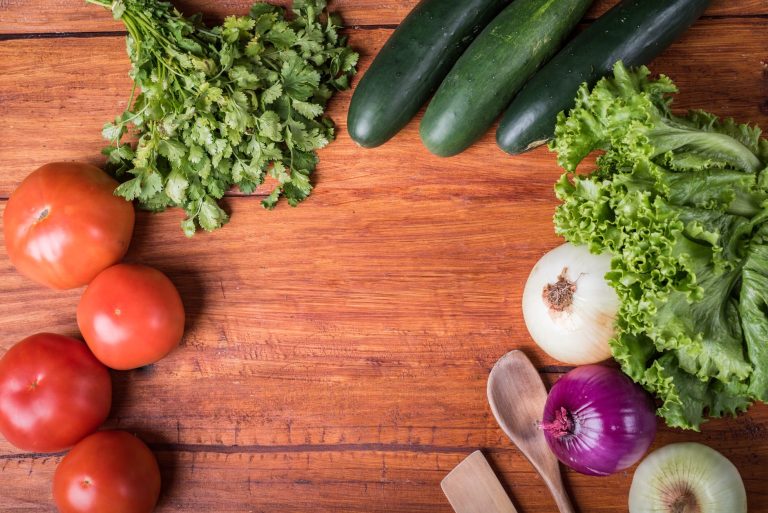
If you have ever tried to improve your health by eating better, you already know that not all nutrition advice feels practical in real life. Some plans are too restrictive, others are too vague, and many ignore one of the most important systems in the body: the gut. A well-balanced organic food routine can do more than support digestion. It can shape your energy, your appetite, your mood, and even the way your body responds to weight loss. That is why clean eating becomes far more effective when it is built around foods that are gentle, nourishing, and naturally rich in fiber, enzymes, and beneficial compounds. [IMAGE: organic vegetables]
So, what does a gut-friendly organic diet actually look like? Does it require expensive superfoods, complicated detox diet rules, or hours of meal prep? Not at all. The most effective approach is often the simplest: choose whole foods that support your microbiome, reduce unnecessary additives, and give your digestive system a real chance to work efficiently. In this guide, we will explore how organic food supports gut health, which foods matter most, what to limit, and how to turn healthy eating into a sustainable lifestyle that also supports weight loss and lasting wellness.
Why Gut Health Matters So Much
The gut is much more than a place where food is broken down. It is closely connected to immunity, nutrient absorption, appetite regulation, and the signals that affect how satisfied you feel after meals. If your digestive system is struggling, you may notice bloating, irregular bowel habits, cravings, low energy, or that frustrating feeling of eating enough but still not feeling nourished. Sound familiar?
That is where clean eating makes a difference. By choosing organic food that is closer to its natural state, you reduce exposure to unnecessary additives while increasing your intake of nutrients that support digestion. The result is often a more stable appetite, better regularity, and a healthier relationship with food. For many people, this is also the missing link in a sustainable weight loss plan.
The Gut-Weight Connection
Why do some people seem to lose weight more easily when they improve digestion? Because the gut influences far more than the number on the scale. A healthier digestive environment can help regulate hunger hormones, improve how well nutrients are absorbed, and reduce the inflammatory stress that sometimes makes healthy weight loss feel slow or inconsistent.
When your meals are built around organic food, whole grains, vegetables, fruit, lean proteins, and healthy fats, you are naturally creating a more balanced internal environment. That can translate into fewer cravings, steadier blood sugar, and better satiety. Instead of forcing your body into another short-term detox diet, you are supporting the systems that already know how to restore balance.
Signs Your Diet May Be Stressing Digestion
If you are unsure whether gut health should be your next focus, pay attention to what your body is telling you. Common signs that your current eating pattern may be working against you include:
- Frequent bloating after meals
- Constipation or inconsistent digestion
- Strong sugar cravings in the afternoon or evening
- Low energy even after sleeping well
- Feeling overly full after small meals
- Frequent discomfort after processed foods
- A feeling that your healthy lifestyle efforts are not producing results
If several of these sound familiar, your body may be asking for a gentler, more nutrient-dense approach. The good news is that a gut-supportive clean eating plan is not about perfection. It is about consistency, better choices, and a few smart habits repeated every day.
The Best Organic Foods for Gut Health
When people hear the word organic, they often think only about pesticides or food quality. Those matter, of course, but organic food can also improve the overall quality of your diet because it tends to bring you closer to whole, minimally processed eating. For gut health, the most valuable foods are those that feed beneficial bacteria, support regular digestion, and deliver important micronutrients without unnecessary extras.
1. Fermented Foods That Feed the Microbiome
Fermented foods are one of the smartest choices for anyone who wants to improve digestion naturally. These foods contain live cultures that can help support a healthy balance of gut bacteria. If your digestive system has been feeling sluggish, fermented foods can be a simple, food-first way to help restore rhythm and comfort.
Examples of organic fermented foods
- Organic plain yogurt with live cultures
- Organic kefir
- Organic sauerkraut
- Organic kimchi
- Miso made from quality ingredients
- Tempeh as a protein-rich option
Start slowly if you are new to them. Your gut may need time to adjust, especially if your diet has been low in fermented foods for a while. A few spoonfuls or a small serving is often enough at first. Have you ever noticed that small, steady changes feel easier to maintain than a full reset?
2. Fiber-Rich Vegetables and Fruits
Fiber is one of the most powerful nutrients for gut health, and organic food often makes it easier to eat enough of it because whole produce becomes the center of the plate. Fiber helps move food through the digestive tract, supports healthy bowel movements, and nourishes the beneficial bacteria that help your microbiome thrive.
Excellent organic choices include leafy greens, broccoli, carrots, Brussels sprouts, cabbage, zucchini, apples, pears, berries, and avocados. These foods are also naturally satisfying, which makes them useful for weight loss because they help you feel full without overloading your meals with empty calories.
A simple rule works well here: if a meal looks bright, colorful, and plant-forward, it is usually doing your digestion a favor. [IMAGE: healthy meal]
3. Prebiotic Foods That Nourish Good Bacteria
Prebiotics are a type of fiber that feed the beneficial bacteria already living in your gut. Think of them as fuel for the microbiome. Without enough prebiotics, even a diet rich in probiotics may not work as well as expected. This is where a truly balanced clean eating plan stands out.
Organic prebiotic foods include:
- Garlic
- Onions
- Leeks
- Asparagus
- Bananas, especially slightly green ones
- Oats
- Flaxseeds
- Chia seeds
These foods are easy to add to breakfast, lunch, or dinner. For example, oats topped with berries and chia seeds can support digestion in the morning, while roasted vegetables with garlic and olive oil make a satisfying dinner that also works well in a healthy lifestyle plan.
4. Healthy Fats and Quality Proteins
Some people think gut health is only about fiber and fermented foods, but protein and healthy fats matter too. If you want lasting energy and steady appetite, you need meals that are truly balanced. Organic eggs, wild-caught fish, grass-fed dairy if tolerated, organic chicken, lentils, and beans can help build satisfying meals that prevent the blood sugar spikes that often drive cravings.
Healthy fats from avocado, olive oil, walnuts, chia seeds, and hemp seeds can also help digestion by making meals more satisfying and reducing the need to snack constantly. When your meals are satisfying, your weight loss efforts become more sustainable because you are less likely to feel deprived.
How Clean Eating Supports Digestion Without Extreme Rules
Clean eating does not have to mean rigid tracking or a long list of forbidden foods. At its core, it is about choosing foods that are simple, recognizable, and nourishing. For gut health, this means reducing highly processed items and focusing on meals that your body can digest more efficiently.
That may sound obvious, but it is where many healthy routines fall apart. It is easy to fill a shopping cart with products labeled healthy while still ending up with too much added sugar, refined starch, low fiber, and very little real nutrition. Clean eating encourages you to step back and ask a better question: does this food support my body, or just fill me up for a moment?
When you apply that question to every meal, you begin to build a pattern that supports energy, digestion, and a calmer appetite. That is why a gut-friendly organic food plan can feel surprisingly freeing. You are no longer chasing quick fixes. You are building a foundation.
Simple Clean Eating Habits for Better Digestion
- Eat more slowly and chew thoroughly
- Drink water regularly throughout the day
- Keep meals balanced with protein, fiber, and healthy fat
- Avoid eating large meals late at night when possible
- Include a serving of vegetables at lunch and dinner
- Choose organic food when possible, especially for produce you eat often
- Keep highly processed snacks as occasional items, not daily staples
These habits may seem small, but they shape how your digestive system works every single day. If you are aiming for a healthier lifestyle rather than a temporary detox diet, these are the kinds of changes that last.
A Gut-Friendly Organic Meal Structure You Can Actually Follow
Many people ask for a perfect meal plan, but the truth is that the most useful plan is one you can repeat. The goal is not to create a complicated menu. The goal is to make healthy eating feel normal. When your meals are easy to build, you are more likely to stay consistent, and consistency is what supports both digestion and weight loss.
Build Each Meal Around This Formula
- One protein source
- One or two high-fiber vegetables
- One smart carbohydrate if needed
- One healthy fat
- A hydrating drink such as water or herbal tea
For example, lunch might be organic grilled chicken, quinoa, roasted broccoli, and avocado. Dinner might be baked salmon, sweet potato, and a large salad with olive oil and pumpkin seeds. Breakfast might be organic yogurt with berries, flaxseed, and oats. Notice how none of these meals are extreme. Yet each one supports the body in a meaningful way.
Sample Day of Eating for Gut Support
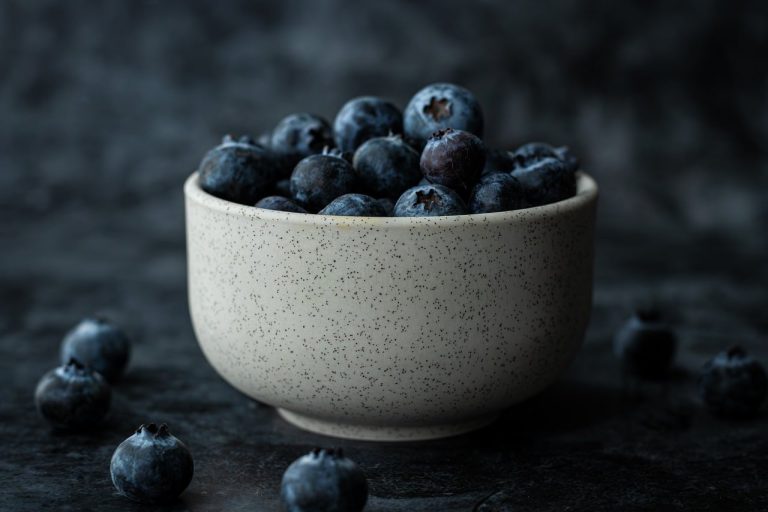
Breakfast: Organic kefir or yogurt topped with blueberries, chia seeds, and oats
Mid-morning: An apple with almond butter
Lunch: Salad with leafy greens, cucumber, carrot, chickpeas, avocado, and olive oil dressing
Snack: A small serving of sauerkraut with whole grain crackers, or a handful of walnuts
Dinner: Wild salmon, roasted Brussels sprouts, and sweet potato
Evening option: Peppermint or ginger tea
This kind of day supports clean eating without making you feel deprived. It also gives your gut a mix of fiber, hydration, protein, and healthy fats, which can help you feel more stable from morning to night. [IMAGE: fitness lifestyle]
Foods That Can Make Digestive Issues Worse
Just as important as knowing what to eat is understanding what to limit. A healthy lifestyle becomes much easier when you reduce the foods that commonly disrupt digestion. This is not about fear. It is about awareness.
The biggest troublemakers for many people are ultra-processed snacks, sugary drinks, refined baked goods, and meals that are high in additives but low in fiber. These foods can crowd out better nutrition and leave the gut working harder than necessary. If you are trying to support weight loss, they can also lead to energy swings and stronger cravings.
Common Foods to Reduce
- Sweetened cereals
- Packaged pastries
- Sugary drinks and flavored coffees
- Deep-fried fast food
- Heavily processed snack bars
- Artificially sweetened products that upset your stomach
- Large portions of refined white bread and pasta
That does not mean you can never enjoy these foods again. It simply means they should not dominate your routine if your goal is better digestion, cleaner nutrition, and more reliable energy.
Can Organic Food Support Weight Loss?
Organic food is not a magic solution for weight loss, but it can make the process much easier when paired with a thoughtful eating pattern. Why? Because whole organic foods are often less calorie-dense, more filling, and more nutrient-rich than packaged foods. That combination makes it easier to eat enough without overeating.
Weight loss tends to become more manageable when you feel satisfied after meals instead of constantly looking for the next snack. This is one of the quiet advantages of clean eating. A bowl of vegetables, protein, and healthy fat may not look dramatic, but it often does more for your body than a trendy diet product ever could.
Another benefit is consistency. People are more likely to stick to a routine when meals are simple, enjoyable, and easy to prepare. That matters because the best healthy diet is the one you can follow long enough for it to actually work. Have you ever started a plan that was too strict to maintain? Most people have. That is why practical nutrition wins in the long run.
Why Gut Health Helps Weight Loss Feel Easier
- Better digestion can reduce bloating and discomfort
- Fiber-rich foods help you feel full sooner
- Stable meals can reduce intense cravings
- Balanced blood sugar supports steady energy
- Improved nutrient absorption supports overall metabolism
Instead of treating your body as if it needs punishment, you are giving it support. That shift in mindset often makes the difference between short-term effort and long-term success.
Organic Meal Prep Ideas That Save Time
Healthy eating is much easier when your kitchen is prepared for success. If you wait until you are hungry to decide what to eat, you are more likely to reach for convenience foods. Meal prep does not need to be a Sunday marathon. It can be a few smart steps that make the week smoother.
Smart Meal Prep Staples
- Wash and chop leafy greens
- Roast a tray of seasonal vegetables
- Cook a grain like quinoa or brown rice
- Prepare a protein such as chicken, tofu, or salmon
- Make one simple dressing with olive oil and lemon
- Keep fruit and yogurt visible in the fridge
With these basics ready, you can assemble lunches and dinners in minutes. That kind of preparation supports a healthy lifestyle because it reduces stress and decision fatigue. It also makes a detox diet approach less appealing in the wrong way and more grounded in reality. Real nourishment is easier to sustain than drastic restriction.
Three Easy Organic Meal Prep Combinations
Bowl one: Quinoa, roasted carrots, chickpeas, spinach, and tahini dressing
Bowl two: Brown rice, grilled chicken, steamed broccoli, and avocado
Bowl three: Mixed greens, salmon, cucumber, tomato, pumpkin seeds, and olive oil
Each of these combinations is balanced, colorful, and designed to support digestion without overcomplicating your day.
Hydration, Herbs, and Gentle Supportive Add-Ons
Digestion does not depend only on what you eat. How you hydrate and what you drink between meals can matter too. Water helps move food through the digestive tract, while certain herbal teas may feel soothing after heavy meals. Ginger, peppermint, and fennel are popular choices for a reason.
It is also worth noting that a balanced organic food routine can feel like a detox diet without becoming extreme. That means using food and hydration to support the body naturally rather than forcing dramatic cleansing protocols. Your liver, kidneys, and digestive system already do the work of detoxification. Your role is to support them with nutrition, not overwhelm them with shortcuts.
Helpful Drinks for a Gut-Friendly Routine
- Plain water
- Warm water with lemon
- Ginger tea
- Peppermint tea
- Fennel tea
- Unsweetened herbal blends
These are simple additions, but they can make a noticeable difference in how comfortable you feel after meals. Sometimes the smallest habits are the most valuable.
Common Mistakes People Make With Gut-Friendly Eating
Even with the best intentions, it is easy to make a few mistakes when trying to eat better. The good news is that most of them are easy to fix once you notice them. The goal is not to be perfect. The goal is to be aware.
1. Switching too quickly
If you go from low-fiber, highly processed eating to a suddenly fiber-heavy diet, your digestive system may feel overwhelmed. Increase fiber gradually so your gut can adapt.
2. Forgetting protein
A plate full of vegetables is healthy, but it may not keep you satisfied for long. Protein helps stabilize appetite and supports weight loss by making meals more complete.
3. Overdoing healthy snacks
Even organic snacks can add up if you eat them mindlessly. A clean eating approach works best when snacks are intentional, not automatic.
4. Assuming every organic product is healthy
Organic cookies are still cookies. Organic food is a great choice, but the overall nutrition profile still matters.
5. Ignoring stress and sleep
Digestion is not only about food. Stress, rushed eating, and poor sleep can all influence gut comfort. A healthy lifestyle includes more than what is on the plate.
How to Start Without Feeling Overwhelmed
If you are ready to improve your digestion but do not know where to begin, keep it simple. Choose one or two habits to start with instead of trying to transform everything at once. Maybe that means adding a serving of vegetables at lunch, swapping a sugary snack for yogurt and berries, or making your first grocery list centered on organic food.
Then build from there. Replace one processed meal with a whole-food meal. Add one fermented food each day. Drink more water. Slow down at dinner. These are the kinds of practical changes that create momentum. The more consistent you become, the more natural clean eating will feel.
A Simple 7-Day Starter Focus
- Day 1: Add more water
- Day 2: Include one extra vegetable serving
- Day 3: Eat one fermented food
- Day 4: Swap one snack for fruit and nuts
- Day 5: Build a balanced lunch
- Day 6: Reduce one processed food item
- Day 7: Prep one easy organic meal
By the end of the week, you may be surprised by how much better your body responds to these small shifts. Better digestion often begins with small, repeatable wins rather than dramatic changes.
The Bigger Picture: Nutrition That Feels Good and Works Long Term
A healthy diet should do more than check boxes. It should help you feel grounded, energized, and satisfied. That is what makes a gut-focused organic food approach so powerful. It brings together nutrition, digestion, and daily wellness in a way that feels realistic instead of restrictive.
When you choose foods that support your microbiome, you are also supporting a healthier appetite, steadier energy, and a better foundation for weight loss if that is one of your goals. You are not relying on punishment or extremes. You are building a body that works with you, not against you.
And perhaps that is the real appeal of clean eating. It is not about chasing a perfect routine or following a trend. It is about eating in a way that makes sense for your body, your schedule, and your long-term health. Organic food can be the bridge between wanting to feel better and actually creating the conditions for that to happen.
Start with one better breakfast, one more colorful lunch, or one week of more mindful shopping, and let those choices stack into something meaningful. If you want more expert tips on organic food, healthy diet strategies, detox diet support, and clean eating ideas that fit modern life, keep exploring DietOrganic for more articles designed to help you build a healthier lifestyle one meal at a time.
About the Author