
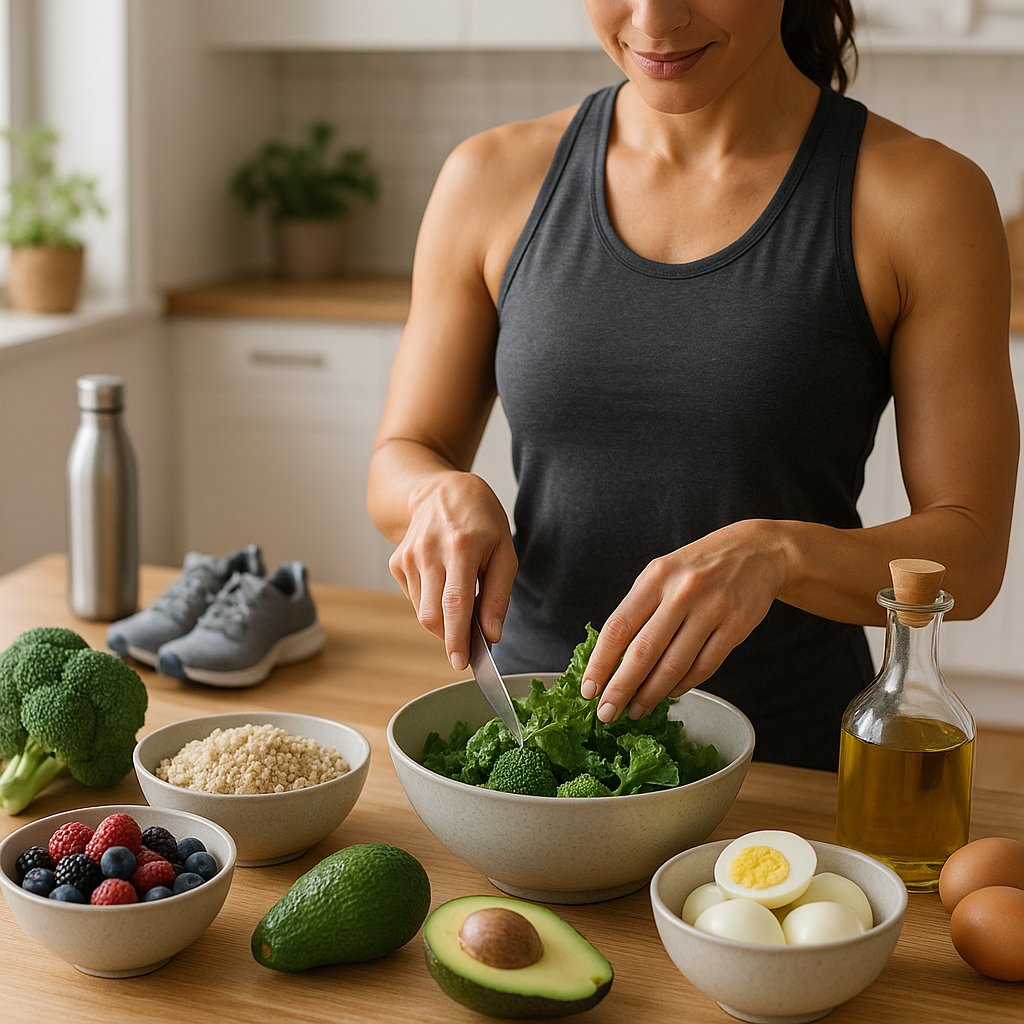
If you have ever tried to lose weight and felt overwhelmed by food rules, calorie counting, or contradictory nutrition advice, you are not alone. The good news is that eating for weight loss does not have to feel punishing, restrictive, or complicated. When the focus shifts to organic food, clean eating, and nutrient-dense meals, the process becomes more sustainable and, for many people, far more enjoyable. Instead of asking, What should I eliminate?, a smarter question is, What foods help me feel full, energized, and satisfied while supporting a healthy diet?
That is where organic foods can make a meaningful difference. Organic produce, grains, proteins, and pantry staples are not magical fat burners, but they often make healthy eating easier by removing many of the common barriers to consistency. When your meals are built around high-quality ingredients, you are more likely to control cravings, support digestion, and create a steady rhythm that fits a healthy lifestyle. And if you have been searching for a realistic approach to weight loss that does not feel like a detox diet gone too far, this guide is for you.
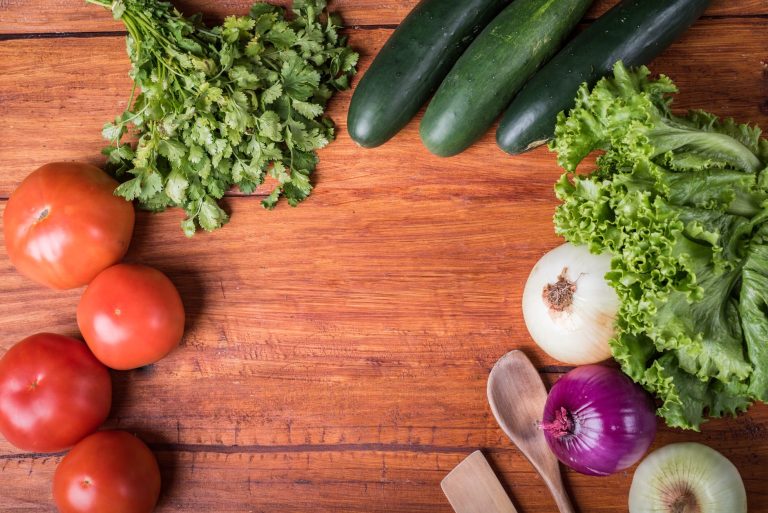
In the next sections, you will find the best organic foods for weight loss, how to combine them into balanced meals, what mistakes to avoid, and how to make clean eating feel practical rather than perfect. You will also see how the right organic choices can support nutrition, improve satisfaction, and help you stay consistent long enough to see real results. [IMAGE: organic vegetables]
Why Organic Food Can Support Weight Loss More Effectively Than Processed Diet Foods
Weight loss is not just about eating less. It is about eating in a way that helps you naturally eat better. That is a crucial distinction. Many people follow a short-term plan filled with packaged shakes, diet bars, and low-calorie snacks, only to feel hungry, tired, and frustrated within days. Organic food, when chosen well, tends to push your meals in the opposite direction: more fiber, more water, more micronutrients, and fewer ultra-processed ingredients that can drive overeating.
Organic food encourages better food quality, not just fewer calories
Calorie balance still matters for weight loss, but food quality strongly influences how easy it is to maintain that balance. Organic vegetables, fruits, legumes, eggs, yogurt, and grains often contain fewer additives and are easier to combine into meals that feel satisfying. That matters because a healthy diet should help you stay full between meals, not force you into constant snacking.
Have you noticed that some foods seem to disappear quickly in your mind, while others keep you satisfied for hours? That difference often comes down to fiber, protein, water content, and how processed the food is. A bowl of organic berries and Greek yogurt has a very different effect on your appetite than a refined pastry, even if both seem convenient. One supports clean eating and stable energy; the other tends to trigger more cravings later in the day.
What organic does and does not mean
It is important to be realistic. Organic does not automatically mean low-calorie, low-sugar, or weight-loss friendly. Organic cookies are still cookies. Organic chips are still chips. Organic honey is still sugar. If you are building a healthy lifestyle, the goal is not to buy organic versions of everything. The goal is to choose organic food strategically, especially for ingredients that make your meals more nutritious and your habits more consistent.
Think of organic shopping as a quality upgrade for foods that already deserve a place on your plate: vegetables, fruits, eggs, yogurt, oats, beans, and lean proteins. When you focus there first, you get the greatest return on your nutrition investment. That is how clean eating becomes practical instead of expensive or extreme.
The Best Organic Foods for Weight Loss
Below are the most effective organic foods to prioritize if your goal is to lose weight without feeling deprived. These foods are naturally filling, versatile, and easy to work into breakfast, lunch, dinner, and snacks. They are also simple enough to keep your plan realistic, which is often the real secret behind lasting results.
1. Leafy greens for volume and fewer calories
Organic leafy greens such as spinach, kale, arugula, romaine, and Swiss chard are some of the smartest foods you can keep in your kitchen. They add volume to meals without adding many calories, which means you can eat a larger-looking plate and still stay on track. For weight loss, that visual satisfaction matters more than many people realize.
Leafy greens are also rich in fiber, folate, magnesium, and antioxidants that support overall nutrition. Add them to omelets, smoothies, soups, salads, stir-fries, and grain bowls. If vegetables have felt boring to you in the past, try sautéing them with garlic and olive oil or tossing them with lemon juice and herbs. Flavor makes clean eating sustainable.
2. Cruciferous vegetables for fullness and digestive support
Broccoli, cauliflower, Brussels sprouts, cabbage, and bok choy are excellent organic foods for weight loss because they are filling, nutrient-dense, and low in energy density. In simple terms, you can eat a generous portion without overdoing calories. Their fiber content also helps support digestion and satiety, which can reduce the urge to graze between meals.
These vegetables are especially useful if you are trying to reduce reliance on starch-heavy side dishes. Roasted cauliflower can replace rice in some meals, while shredded cabbage can add crunch to bowls and slaws. Want a meal that feels comforting but still fits a healthy diet? Try roasted Brussels sprouts with salmon, or cauliflower mash with grilled chicken.
Useful ideas for cruciferous vegetables:
- Roast with olive oil, pepper, and garlic for a simple side
- Add shredded cabbage to tacos or lettuce wraps
- Blend cauliflower into soups for a creamy texture
- Stir-fry bok choy with ginger and sesame
3. Organic berries for sweetness without the sugar crash
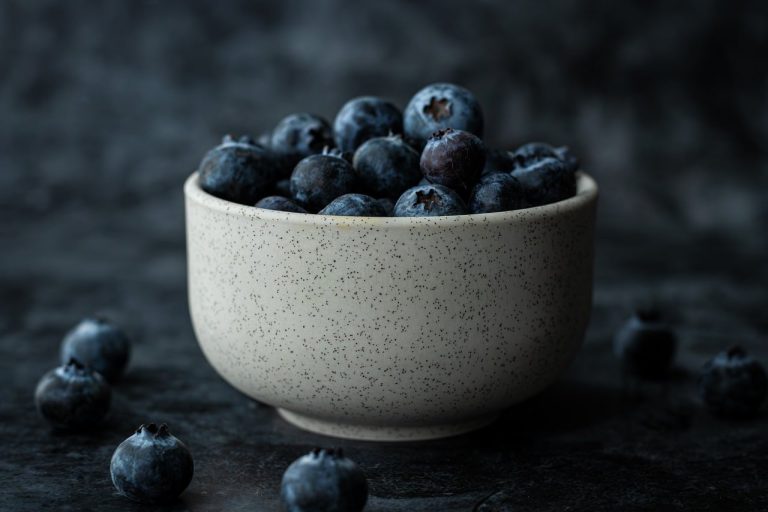
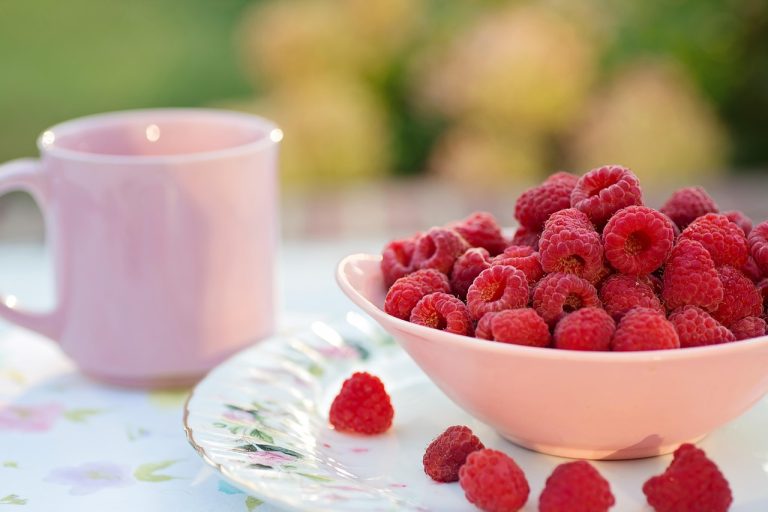
Strawberries, blueberries, raspberries, and blackberries are among the best fruits for weight loss. They satisfy a sweet craving while keeping sugar lower than many other fruit options. Their fiber content helps slow digestion, which can make them more filling than fruit juices or dried fruit.
Berries are also incredibly easy to use in a healthy lifestyle. You can add them to yogurt, overnight oats, chia pudding, or smoothies. They work as a dessert substitute too. If you are trying to break the habit of reaching for candy or pastries after dinner, a bowl of organic berries with a spoonful of yogurt can feel indulgent while staying aligned with clean eating.
4. Apples and pears for portable fiber
Organic apples and pears are simple, affordable, and effective weight-loss foods because they are portable and satisfying. Their fiber content helps you feel full, and their natural sweetness can reduce the temptation to snack on highly processed foods. They also pair well with protein or healthy fats, which makes them even more filling.
An apple with almond butter, for example, is more balanced than an apple on its own. That pairing can help prevent the blood sugar spikes and crashes that make energy dip and cravings rise. When you need a quick snack between meetings or after a workout, these fruits can be a reliable part of your nutrition plan.
5. Organic oats and quinoa for steady energy
Many people fear carbohydrates during weight loss, but not all carbs are equal. Organic oats and quinoa provide fiber, minerals, and slow-release energy that can help you stay satisfied longer. Oats are especially useful at breakfast because they help prevent late-morning hunger, while quinoa offers more protein than most grains and can anchor lunch or dinner bowls.
Choosing whole-food carbohydrates instead of refined flour products is one of the easiest ways to support a healthy diet. A bowl of overnight oats with berries and chia seeds or a quinoa salad with vegetables and grilled chicken can give you stable energy without the heaviness that often comes from ultra-processed meals.
6. Organic beans and lentils for fiber-rich fullness
Beans and lentils are budget-friendly, nutrient-dense, and highly effective for weight loss because they combine fiber and plant protein in one package. They help slow digestion, reduce hunger, and make meals more satisfying. In many cases, people who add more legumes to their diet naturally eat less later in the day without feeling like they are restricting themselves.
Black beans, chickpeas, lentils, and cannellini beans can be used in salads, soups, grain bowls, wraps, and curries. If you are transitioning toward clean eating, legumes are an excellent bridge food because they are comforting, versatile, and easy to season. They also align well with a detox diet mindset when that mindset is interpreted in a healthy, food-based way rather than a restrictive one.
7. Organic eggs and lean proteins for appetite control
Protein is one of the most important nutrients for weight loss because it helps control appetite and supports lean muscle. Organic eggs are a convenient option for breakfast, and they pair beautifully with vegetables. Other strong choices include organic chicken breast, turkey, wild salmon, tofu, tempeh, and plain Greek yogurt.
When meals are protein-forward, you are less likely to feel snacky an hour later. That is one reason a healthy diet should always include enough protein. If you skip it, you may end up chasing energy with caffeine and cravings instead of food that truly nourishes you. A balanced plate with protein, vegetables, and a smart carbohydrate is often enough to keep the entire day on track.
8. Avocados, nuts, and seeds for healthy fats that keep you satisfied
Healthy fats are not the enemy of weight loss. In fact, small portions of avocados, almonds, walnuts, chia seeds, flaxseeds, and pumpkin seeds can make meals more satisfying and help curb overeating. The key is portion awareness. Because fats are calorie-dense, they work best as a supporting ingredient rather than the main feature of every meal.
Think of healthy fats as a quality enhancer. A few slices of avocado can improve a salad, a spoonful of seeds can elevate oatmeal, and a small handful of nuts can bridge the gap between lunch and dinner. This is what sustainable clean eating looks like: not eliminating pleasure, but using the right ingredients in the right amounts.
9. Fermented organic foods for gut-friendly nutrition
Organic plain yogurt, kefir, sauerkraut, kimchi, and miso can support a healthier gut environment, which may influence digestion, appetite regulation, and overall well-being. While no single food can transform your metabolism, a gut-friendly diet often makes it easier to feel comfortable after meals and stay consistent.
If you are trying to improve digestion while losing weight, fermented foods are worth including regularly. Start with small portions if your system is sensitive, and combine them with fiber-rich produce for a more balanced effect. A healthy lifestyle is not only about looking lighter; it is also about feeling lighter and more comfortable in your body.
10. Green tea, herbs, and flavorful low-calorie additions
Weight loss does not happen because of one tea or one spice, but low-calorie flavor boosters can help you enjoy your meals without relying on sugar-heavy sauces. Green tea, mint, ginger, cinnamon, turmeric, parsley, cilantro, basil, lemon, and vinegar can transform simple organic foods into meals you actually look forward to eating.
This matters more than people think. When clean eating feels bland, it becomes hard to continue. When it tastes bright, savory, and interesting, it becomes a lifestyle. Why settle for meals that feel medicinal when you can make them satisfying and delicious at the same time?
[IMAGE: healthy meal]
How to Build Organic Meals That Support Weight Loss
The foods themselves matter, but the way you combine them matters just as much. A healthy diet works best when every meal has a purpose: to satisfy hunger, stabilize energy, and support your goals without feeling like a short-term punishment. If you are wondering how to turn a list of ingredients into actual meals, use the framework below.
The plate method for clean eating
A simple plate structure can take the guesswork out of weight loss:
- Half the plate: organic non-starchy vegetables
- One quarter: lean protein or plant protein
- One quarter: whole grains, beans, or starchy vegetables
- Small addition: healthy fats for flavor and satiety
This is not a strict rule, but it is a reliable starting point. A plate built this way often feels satisfying without becoming calorie-heavy. It also keeps nutrition balanced so you are not relying on one food group to do all the work. A healthy lifestyle becomes much easier when meals are visually simple and repeatable.
Smart organic snacks that prevent overeating later
Snacking is not the problem. Unplanned, low-satiety snacking is the problem. If your meals leave you hungry, you are more likely to reach for whatever is closest. A better strategy is to keep organic snacks that contain fiber, protein, or both.
Here are some strong choices:
- Apple slices with almond butter
- Greek yogurt with berries
- Carrot sticks with hummus
- Hard-boiled eggs with sea salt
- Celery with tahini or nut butter
- Roasted chickpeas
Notice how these snacks are not just low in calories; they are built to hold you over. That is the difference between a snack that buys you 20 minutes and one that genuinely supports weight loss.
Meal prep ideas for busy weeks
One of the biggest reasons people abandon clean eating is not lack of motivation; it is lack of preparation. If you are busy, you need a system. Meal prep does not have to mean cooking every meal in identical containers. It can simply mean washing produce, cooking one grain, preparing one protein, and making a few sauces or dressings in advance.
A practical weekly prep routine might look like this:
- Wash and chop leafy greens, cucumbers, and peppers
- Roast a tray of broccoli, cauliflower, and carrots
- Cook quinoa, brown rice, or lentils
- Prepare chicken, tofu, eggs, or salmon
- Mix a simple lemon-herb dressing
- Stock fruit, yogurt, and seeds for quick breakfasts
With those basics ready, you can assemble salads, bowls, wraps, and skillet meals in minutes. That kind of simplicity is what makes a healthy diet realistic during a busy week.
A sample day of organic eating for weight loss
If you prefer a concrete example, here is how one balanced day might look:
- Breakfast: Organic oats with blueberries, chia seeds, and cinnamon
- Snack: An apple with a small handful of walnuts
- Lunch: Grilled chicken salad with leafy greens, cucumber, tomatoes, avocado, and lemon vinaigrette
- Snack: Plain Greek yogurt with raspberries
- Dinner: Baked salmon, roasted broccoli, and quinoa
This type of menu is not flashy, but it works because it combines protein, fiber, healthy fats, and enough flavor to remain enjoyable. That is the real secret behind a sustainable detox diet approach: not starvation, but nourishment.
What to Avoid When Choosing Organic Foods for Weight Loss
Buying organic is a great start, but weight loss can still stall if you fall into a few common traps. Some foods sound healthy because they are organic, yet they behave very differently in your body than whole foods do. If your goal is fat loss, you need to be selective.
Do not confuse organic with automatically healthy
Organic cookies, sweetened granola, fruit juice, frozen pizza, and snack bars may fit an organic label, but they can still be high in sugar, refined starch, and calories. These products may have a place occasionally, but they should not become the center of your healthy diet.
Ask yourself: would I eat this food because it supports my body, or because I hope the organic label makes it better? That question can save you from making expensive choices that do not actually help with weight loss.
Avoid drinking too many calories
Even when beverages are organic, liquid calories can be tricky. Smoothies made with too much fruit, sweetened coffee drinks, bottled juices, and flavored drinks can quietly add up. If you enjoy smoothies, balance them with protein, greens, and fiber. If you drink juice, keep it occasional rather than daily.
Water, sparkling water, unsweetened tea, and black coffee are still some of the best weight-loss beverages. They support hydration without adding hidden calories. Simple, yes. Effective, absolutely.
Watch the health halo on packaged snacks
Packaged organic snacks often feel like a safer choice, but many are designed for convenience rather than satiety. A handful of organic crackers may not keep you full, which can lead to more eating later. Whenever possible, choose whole foods first and packaged products second.
A helpful rule is this: if a snack does not contain protein, fiber, or healthy fat, it may not be substantial enough to support your goals. Clean eating does not mean obsessive label reading. It means favoring foods that work with your body instead of against your appetite.
How Organic Food Fits Into a Healthy Lifestyle Beyond the Scale
Weight loss can be the initial motivation, but it should not be the only reason you choose organic foods. The real advantage is that they often support a healthier relationship with food overall. You may notice more stable energy, fewer cravings, easier digestion, and more confidence in the kitchen. Those changes matter because they help you stay consistent long after the excitement of a new plan fades.
Many people also find that clean eating makes other healthy habits easier. When meals are balanced and nourishing, workouts feel better, sleep often improves, and it becomes easier to show up for your day. That is why organic food is not just a diet tactic; it can be part of a broader healthy lifestyle that feels more grounded and less chaotic.
[IMAGE: fitness lifestyle]
Food quality influences behavior more than many people realize
Have you ever eaten a heavy, highly processed lunch and felt mentally foggy afterward? Or eaten a nourishing meal and noticed that your focus improved? Food affects more than weight. It influences mood, concentration, energy, and the ability to make good decisions later in the day. When your meals are built around whole organic foods, you are often setting yourself up for better behavior, not just better macros.
That connection is one reason people who shift toward clean eating often describe the process as freeing. They stop fighting constant hunger and start trusting their routines. They also begin to understand that nutrition is not about perfection. It is about creating a baseline that supports the life you want.
Consistency beats intensity every time
Some of the most effective weight-loss plans are not the most dramatic. They are the most repeatable. Organic food supports this because it offers plenty of simple options that can be prepared in many ways. Spinach can go into smoothies, salads, soups, omelets, and sautés. Beans can become soup, salsa, dip, or bowl toppings. Berries can be breakfast, snack, or dessert.
If your plan can survive a busy Tuesday, a stressful workday, or an unplanned dinner out, it is a plan worth keeping. That is why sustainable nutrition matters more than temporary enthusiasm.
Organic Foods and Detox Diet Thinking: A Smarter, More Balanced Approach
The phrase detox diet is often used in extreme ways, but your body already has built-in detox systems through the liver, kidneys, digestive tract, and skin. What you can do is support those systems with high-quality organic food, hydration, fiber, and adequate rest. That is a much more credible and useful approach than relying on juice cleanses or deprivation.
Support your body instead of punishing it
If you want to feel lighter, more energized, and less bloated, start by reducing ultra-processed food and increasing whole organic ingredients. Add more water-rich vegetables, more fiber, more protein, and more simple meals made from recognizable ingredients. This kind of detox diet mindset is less about restriction and more about removing unnecessary clutter from your plate.
A few supportive habits include:
- Drinking enough water throughout the day
- Eating vegetables at most meals
- Including fiber from fruits, legumes, and grains
- Limiting excess alcohol and sugary drinks
- Getting enough sleep and movement
Does that sound less dramatic than a cleanse? It is. And that is exactly why it works better for real life.
When to seek balance over rigidity
If you become too strict, you may end up overeating later or feeling disconnected from social life. A healthy lifestyle must leave room for flexibility. You can eat organic most of the time and still enjoy a meal out. You can focus on whole foods without turning food into a source of anxiety. The best nutrition strategy is the one you can maintain with calm, confidence, and consistency.
A Practical Organic Shopping List for Weight Loss
If you want to make this easier, use a focused shopping list instead of wandering the store and hoping for inspiration. A good grocery list saves time, reduces impulse purchases, and helps you stay committed to clean eating even when life gets busy.
Produce
- Spinach
- Kale
- Romaine lettuce
- Broccoli
- Cauliflower
- Brussels sprouts
- Apples
- Pears
- Blueberries
- Raspberries
- Cucumbers
- Bell peppers
- Carrots
- Avocados
Protein
- Organic eggs
- Organic chicken breast
- Wild salmon
- Plain Greek yogurt
- Kefir
- Tofu
- Tempeh
- Lentils
- Chickpeas
- Black beans
Pantry staples
- Organic oats
- Quinoa
- Brown rice
- Chia seeds
- Flaxseeds
- Walnuts
- Almonds
- Olive oil
- Apple cider vinegar
- Herbs and spices
With these basics, you can create breakfasts, lunches, dinners, and snacks without feeling boxed into a narrow menu. That freedom is often what keeps healthy eating from becoming a chore.
How to Stay Motivated Without Chasing Perfection
Weight loss success is rarely about flawless discipline. It is about small decisions repeated often enough to matter. You do not need to eat perfectly clean every day. You need a way of eating that gives you momentum. Organic food can help provide that momentum by making your meals more nutrient-rich, your snacks more satisfying, and your kitchen habits more intentional.
If you miss a meal prep day, do not abandon the week. If you eat something less aligned with your goals, do not label the day as ruined. The more quickly you return to your pattern, the more resilient your results become. That mindset is a major part of a healthy lifestyle. It replaces guilt with responsibility and panic with planning.
It also helps to keep your goals visible. Write down why you want better nutrition. Is it to feel lighter, improve energy, support fitness, or simply feel more in control of your eating? When the reason is clear, the daily choices become easier. And when the choices become easier, consistency follows.
Organic food is most powerful when it becomes part of a broader rhythm: mindful shopping, simple meal prep, balanced plates, and enough flexibility to keep living your life. That combination is what turns clean eating from a trend into a habit, and a habit into results. If you want more practical guides, meal ideas, and nutrition advice that makes healthy living feel attainable, keep exploring the latest articles on DietOrganic and build the kind of routine your body can actually thrive on.
About the Author