
If you have ever tried to improve your health by eating better, you already know that nutrition is not just about calories or cutting out a few obvious trigger foods. Real wellness starts much deeper, in the way your digestive system responds to what you eat every day. That is why organic food has become such a powerful part of the modern healthy lifestyle. When chosen well, it can support a cleaner diet, better digestion, steadier energy, and even more sustainable weight loss. But how exactly does it help your gut, and which foods matter most?
The answer is more interesting than most people realize. Your gut is home to trillions of microorganisms that affect digestion, immunity, mood, cravings, and how efficiently your body uses nutrients. When your meals are built around organic food, clean eating becomes easier because you are naturally reducing exposure to many unnecessary additives, synthetic pesticides, and ultra-processed ingredients that can make digestion feel sluggish. Could your plate be one of the biggest tools you have for improving gut health? Absolutely.
This guide explores a fresh, practical angle on organic food and gut health, with an emphasis on nutrition that feels realistic, delicious, and sustainable. You will learn which organic foods are best for digestion, how to combine them into balanced meals, and how a gut-friendly approach can support weight loss without extreme rules. If you have been looking for a detox diet that is gentle, sensible, and rooted in everyday habits rather than fads, this is where the conversation should begin.
Why Gut Health Matters More Than You Think
The gut does far more than process food. It helps regulate blood sugar, produces important compounds that support immunity, and communicates with the brain through the gut-brain axis. When digestion is in balance, people often notice fewer bloating issues, more stable appetite, improved mood, and better energy throughout the day. When it is not, even healthy eating can feel uncomfortable.
That is where a clean eating strategy built around organic food can make a difference. Organic ingredients often encourage a more whole-food-centered diet, which means more fiber, more phytonutrients, and fewer highly processed additives. These are all helpful for creating a healthy lifestyle that supports the microbiome rather than overwhelming it.
The gut is influenced by everyday choices
Your digestive system responds to more than just one meal. It reflects repeated patterns over time. Have you noticed how some weeks your energy feels lighter and your digestion smoother, while other weeks you feel heavy, bloated, and off track? That is often a sign that your food choices, stress levels, sleep, and hydration are working together.
Meals built on organic vegetables, fruit, legumes, fermented foods, and quality proteins can help create a better internal environment for digestion. On the other hand, a diet dominated by refined sugar, low fiber, and heavily processed snack foods can crowd out the nutrients your gut needs to stay resilient.
Why organic food is especially relevant
Organic food is not a magic fix, but it can support a cleaner, more mindful approach to eating. Choosing organic produce can reduce your intake of synthetic pesticide residues, and choosing organic dairy, eggs, or meats may also align with a more intentional nutrition plan. For many people, the shift toward organic food is the shift that finally helps them build healthier routines.
This matters because gut health thrives when meals are consistent, nourishing, and less inflammatory. A well-designed organic diet can give your digestive system the chance to settle, adapt, and perform more efficiently. That is one reason many people notice that a gut-focused clean eating plan feels lighter than standard dieting.
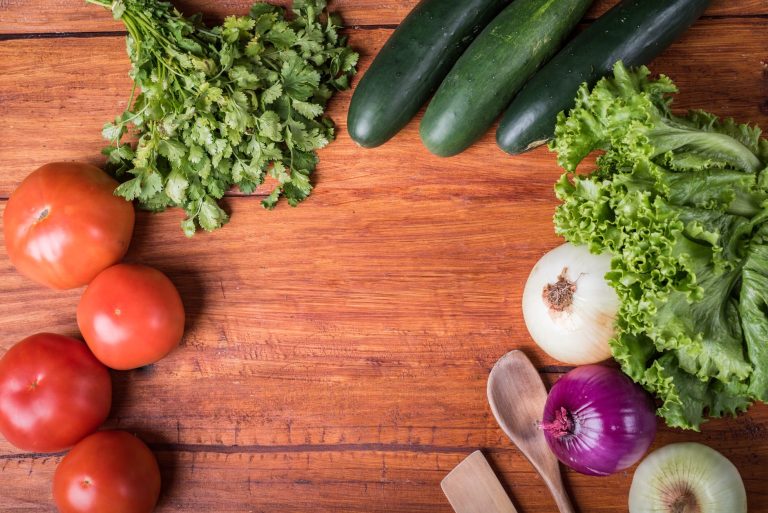
[IMAGE: organic vegetables]
Best Organic Foods for a Healthy Digestive System
Not every organic food is automatically gut-friendly, but many of the best choices are rich in fiber, water, natural enzymes, or beneficial bacteria. The goal is not to eat perfectly. It is to choose foods that work with your digestion instead of against it.
1. Organic leafy greens
Spinach, kale, arugula, romaine, and Swiss chard are excellent additions to a healthy diet. They are naturally rich in fiber, magnesium, and plant compounds that support overall nutrition. For many people, leafy greens help create a lighter feeling after meals because they add volume without heaviness.
Try adding them to smoothies, salads, grain bowls, or lightly sautéed side dishes. If raw greens feel hard to digest, steam them briefly. Do you feel better after cooked vegetables than after cold salads? Your body may simply prefer a gentler texture.
2. Organic cruciferous vegetables
Broccoli, cauliflower, Brussels sprouts, cabbage, and bok choy contain compounds that support detox pathways and help the body manage oxidative stress. They are also packed with fiber, which feeds beneficial gut bacteria. For a detox diet inspired by real nutrition, cruciferous vegetables are a smart anchor food.
Because they can be a little intense for sensitive stomachs, start with moderate portions. Roasting often improves flavor and makes them easier to digest. Toss them with olive oil, garlic, and herbs for a simple clean eating side dish.
3. Organic fermented foods
Fermented foods may be the most direct way to support digestive balance. Organic yogurt with live cultures, kefir, sauerkraut, kimchi, miso, and tempeh can introduce beneficial bacteria and support a more diverse microbiome. Not every fermented food works for every person, but many people notice improved comfort when small servings are added consistently.
Start with a spoonful or two and observe how you feel. A healthy lifestyle is built on listening to your body, not forcing yourself into a one-size-fits-all plan. Which fermented foods do you enjoy most? That question matters more than you might think, because regularity is what makes the habit useful.
4. Organic berries
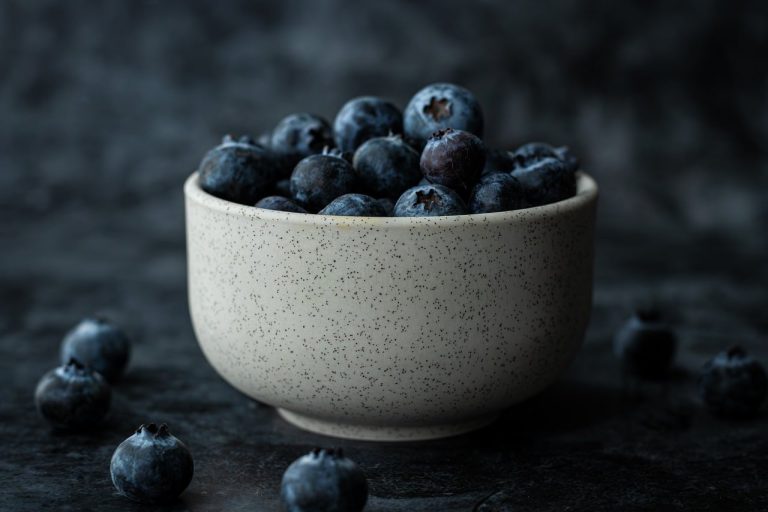
Blueberries, raspberries, blackberries, and strawberries are rich in antioxidants and fiber. They can help satisfy sweet cravings without sending your blood sugar into a spike-and-crash cycle. For people working toward weight loss, berries offer one of the most practical ways to keep desserts and snacks aligned with nutrition goals.
They are easy to add to oatmeal, yogurt, smoothie bowls, or simple snack plates. Frozen organic berries are also convenient and often more affordable than fresh ones, making clean eating easier to sustain.
5. Organic oats and whole grains
Oats, quinoa, brown rice, millet, buckwheat, and farro can provide steady energy and important fiber that feeds the gut. Oats in particular contain beta-glucan, a type of soluble fiber that supports satiety and a healthy digestive rhythm. For a high-end organic food approach, these grains are versatile and satisfying.
When you build meals around whole grains instead of refined flour products, you often feel full longer and crave less sugar later. That is one of the reasons a balanced organic diet can support weight loss without harsh restriction.
6. Organic apples, pears, and citrus
Some of the simplest foods are still some of the most effective. Apples and pears offer pectin, a soluble fiber that nourishes beneficial bacteria and helps support smoother digestion. Citrus fruits like oranges, lemons, and grapefruit contribute hydration and bright flavor, making healthy eating feel less monotonous.
Eating whole fruit rather than drinking fruit juice is usually the better choice. Whole fruit gives you fiber, chewing satisfaction, and slower digestion, all of which support a more stable appetite.
7. Organic ginger and turmeric
These two spices deserve special attention in any discussion about gut health. Ginger is known for its soothing effect on digestion, while turmeric is widely valued for its anti-inflammatory properties. Adding them to soups, teas, dressings, and roasted vegetables can elevate both flavor and nutritional value.
If you have been searching for natural ways to support a detox diet without extreme cleanses, spices like ginger and turmeric are among the smartest choices. They are easy to use and pair beautifully with a clean eating routine.
How Clean Eating Supports Better Digestion
Clean eating is often misunderstood as a strict set of rules, but it is really a practical approach to choosing foods that are closer to their natural form. When you center your meals on organic food, fresh produce, quality proteins, healthy fats, and minimally processed grains, your digestive system typically has less work to do.
This is one of the reasons people notice changes quickly when they switch to a cleaner plate. Less bloating. Better regularity. Fewer energy crashes. More consistent appetite. Does this mean you need to eliminate every treat or follow an intense detox diet? Not at all. It means building meals that are easy for your body to recognize and use.
Clean eating principles that support the gut
- Choose whole foods over ultra-processed packaged items whenever possible
- Include fiber-rich vegetables and fruits in every day of the week
- Balance carbohydrates with protein and healthy fats for steadier digestion
- Drink enough water to help fiber move through the digestive tract
- Use herbs and spices to add flavor without relying on excess sodium or sugar
- Keep portions realistic so meals feel satisfying instead of heavy
These are small changes, but they create a healthier baseline. And when your baseline improves, your body is usually more cooperative about weight loss, energy, and appetite control.
Why whole foods often feel lighter
When meals are made from a short list of recognizable ingredients, your body tends to process them more efficiently. That does not mean every processed food is harmful, but it does mean a whole-food-centered pattern usually works better for digestion. A bowl of quinoa, roasted vegetables, avocado, and grilled salmon will typically create a very different response from a heavily processed frozen meal.
The same principle applies to snacks. A handful of nuts and berries is not only more nutritious than a packaged sweet bar, it is also more likely to keep your gut and blood sugar in balance. Is that the secret to sustainable clean eating? In many cases, yes: simple food, repeated often, in a way that feels realistic.
A Gut-Friendly Organic Diet Plan for Everyday Life
You do not need an elaborate program to use organic food for gut health. You need a few dependable meal templates that keep nutrition high and stress low. The most effective plans are the ones you can repeat on busy weekdays and still enjoy.
Breakfast ideas that support digestion
Breakfast should do more than fill you up. It should set the tone for the day. If you start with sugar-heavy pastries or overly refined cereals, your energy may dip quickly. If you begin with a balanced organic meal, your body tends to stay more stable.
- Organic oatmeal topped with chia seeds, blueberries, and cinnamon
- Greek yogurt with raspberries, walnuts, and flaxseed
- Vegetable omelet with sautéed spinach, mushrooms, and herbs
- Green smoothie with kale, banana, ginger, and unsweetened kefir
Breakfast is also a good time to introduce gentle digestive support. Ginger tea, warm lemon water, or a fiber-rich smoothie can help many people feel more comfortable throughout the morning.
Lunch ideas for a clean eating lifestyle
A balanced lunch should leave you energized, not sleepy. Think color, texture, and a mix of macronutrients. That combination helps support satiety and reduces the chance of afternoon cravings.
- Quinoa salad with cucumbers, chickpeas, avocado, and parsley
- Organic chicken bowl with roasted broccoli, brown rice, and tahini dressing
- Lentil soup with carrots, celery, garlic, and leafy greens
- Tempeh wrap with cabbage slaw, carrots, and hummus
If you are working on weight loss, lunch is often where clean eating pays off the most. A satisfying, fiber-rich meal can prevent the snack spiral that follows a weak midday meal.
Dinner ideas that feel soothing, not heavy
Dinner should support recovery and digestion, not create discomfort before bed. Lighter meals with protein, vegetables, and moderate starches often work well for gut health.
- Salmon with roasted asparagus and sweet potatoes
- Stir-fried tofu with bok choy, ginger, and brown rice
- Turkey meatballs with zucchini noodles and tomato sauce
- Vegetable curry with cauliflower, chickpeas, and coconut milk
Meals like these are nourishing without being overly complicated. That is important, because a healthy lifestyle depends on habits you can sustain, not recipes that look beautiful but feel exhausting to prepare.
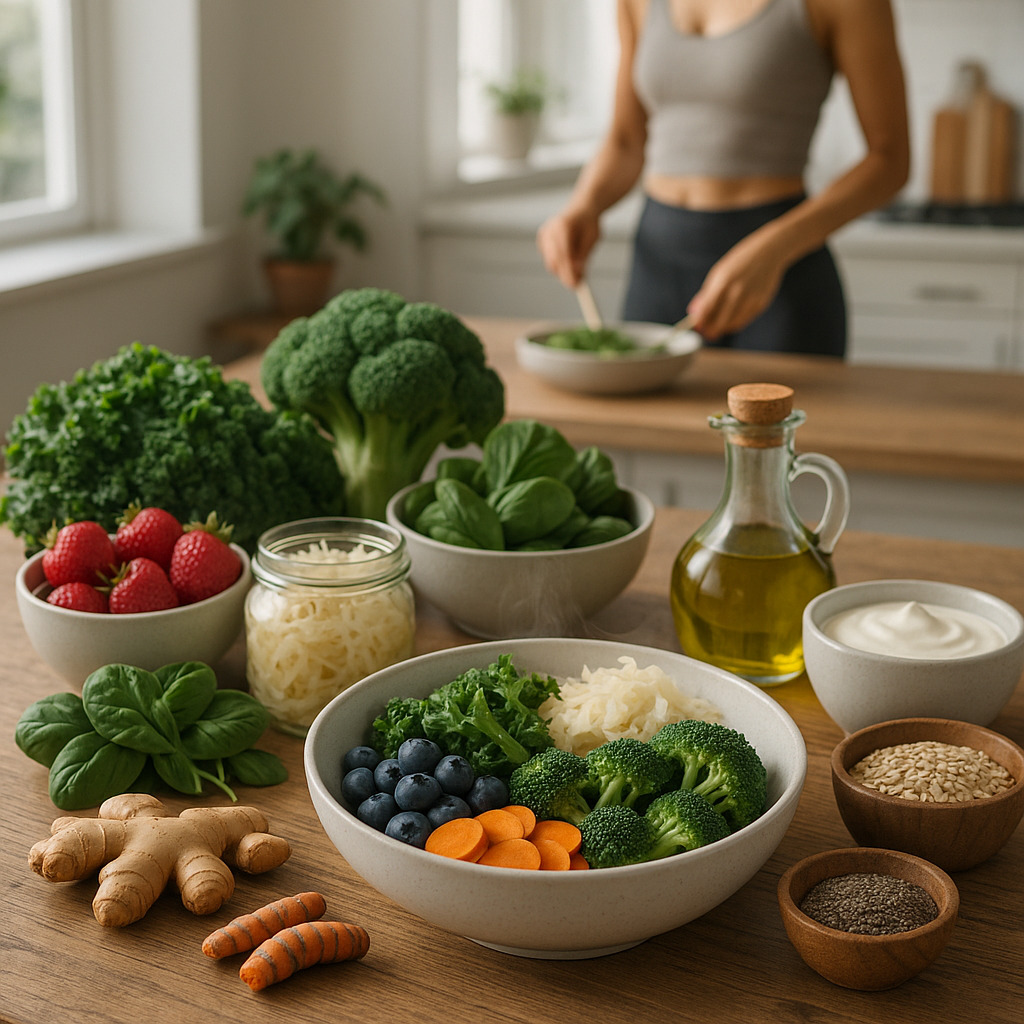
[IMAGE: healthy meal]
Foods That May Disrupt Gut Balance
When people focus only on what to add, they sometimes ignore what is quietly causing digestive issues. A high-quality organic diet is not about fear, but it is smart to notice which foods may make your body feel slower or more inflamed.
Common culprits to reduce
- Refined sugar in large amounts
- Deep-fried foods and excess seed-oil-heavy fast food
- Artificial sweeteners that may upset sensitive digestion
- Highly processed snack products with very little fiber
- Excess alcohol, which can interfere with gut lining integrity
- Large amounts of low-quality dairy if you are sensitive to it
Do you need to eliminate every one of these forever? Not necessarily. But if your stomach feels unpredictable, it is wise to observe patterns. Keep a simple food journal for one to two weeks and note which meals leave you energized versus bloated, sluggish, or uncomfortable.
Why moderation is more effective than extremes
People often approach gut health with a detox diet mentality, hoping one cleanse will reset everything. In reality, the most effective changes are steady ones. Cutting out a few irritants, increasing fiber gradually, and choosing better-quality foods will usually accomplish more than an aggressive short-term plan.
That is why an organic food approach is so appealing. It does not demand perfection. It asks for consistency, awareness, and a willingness to choose what genuinely supports your body.
How Organic Food Can Support Weight Loss Without Feeling Restrictive
Weight loss is often marketed as a battle of willpower, but sustainable results usually depend on better appetite control, better blood sugar balance, and better meal quality. Organic food can help on all three fronts when it is part of a larger healthy diet.
Why fiber matters for weight management
Fiber helps you feel full and supports smoother digestion. Meals rich in vegetables, fruit, legumes, and whole grains tend to naturally reduce overeating because they create physical fullness and digestive satisfaction. When you eat enough fiber, you may not feel the need to snack constantly.
This is one of the simplest connections between gut health and weight loss. A well-fed microbiome and a well-managed appetite often go hand in hand.
Protein and healthy fats make a difference
Organic protein sources like eggs, yogurt, tempeh, tofu, chicken, turkey, salmon, and lentils help preserve lean tissue while supporting satiety. Pair them with healthy fats such as olive oil, avocado, seeds, and nuts to slow digestion just enough for steady energy.
A plate that includes protein, fiber, and fat often works better than a plate made mostly of refined carbs, even if the calorie count is similar. Why? Because the body responds to food quality, not only quantity.
The psychology of eating well
There is also a mental benefit to choosing organic food. Many people feel more motivated when their meals look and taste fresh. That sense of care can reduce the all-or-nothing thinking that derails healthy habits. A beautiful bowl of vegetables, grains, and herbs feels more satisfying than a rushed meal eaten without intention.
When the food is enjoyable, the routine becomes easier to repeat. And when the routine is repeatable, weight loss tends to become more realistic.
Practical Grocery Shopping Tips for a Gut-Friendly Organic Kitchen
The best nutrition plan is only as strong as your weekly shopping habits. If your kitchen is stocked with nutritious staples, clean eating becomes a default rather than a daily negotiation.
Build a core grocery list
- Organic leafy greens and cruciferous vegetables
- Fresh or frozen berries
- Oats, quinoa, brown rice, and legumes
- Plain yogurt, kefir, or plant-based probiotic options
- Eggs, tofu, tempeh, chicken, fish, or other preferred proteins
- Olive oil, avocado, nuts, seeds, and nut butter
- Ginger, turmeric, garlic, cinnamon, and fresh herbs
A thoughtful grocery list saves time and prevents impulse purchases that do not support your goals. It also helps you stay committed to your healthy lifestyle when life gets busy.
Shop the perimeter, then choose carefully from the middle
A useful rule is to start with fresh produce, proteins, and dairy or dairy alternatives around the store perimeter. Then move into the center aisles for a few quality staples such as oats, beans, spices, and pantry items. This makes it much easier to avoid a cart full of highly processed foods that do not contribute much nutrition.
If you are on a budget, do not worry. Frozen organic vegetables, canned beans, and store-brand plain yogurt can still fit beautifully into a clean eating pattern. Healthy food does not have to be luxurious to be effective.
Simple Strategies to Improve Digestion Every Day
Organic food matters, but so do the habits around it. You can eat the best ingredients in the world and still struggle if your daily rhythm is chaotic. The following strategies help translate good nutrition into real results.
Eat slowly and pay attention
Digestion starts in the mouth. Chewing food thoroughly and eating without rushing gives your body time to register fullness and begin breaking down nutrients properly. This also helps you notice how different meals feel after you eat them.
Try asking yourself, while you eat, whether you are still hungry, comfortably satisfied, or simply eating out of habit. That single habit can improve both gut health and weight loss efforts.
Stay hydrated
Water helps fiber do its job. Without enough hydration, even a high-fiber organic diet can leave you feeling backed up or sluggish. Include water throughout the day, and consider herbal teas or infused water if plain water feels boring.
Hydration also supports your energy and can reduce the false sensation of hunger that sometimes appears when you are actually thirsty.
Balance raw and cooked foods
Some people thrive on plenty of raw produce, while others do better with more cooked meals. There is no single perfect formula. If your gut feels sensitive, start by cooking vegetables more often and adding raw salads gradually. If you feel energized by fresh greens and crunchy vegetables, keep them in the mix.
Personalization is one of the most important parts of nutrition. Your ideal clean eating plan should fit your body, not force your body to fit the plan.
Support your meals with sleep and movement
The gut is deeply connected to stress levels and circadian rhythm. Poor sleep can affect digestion, appetite, and cravings. Likewise, regular movement can help keep digestion more active and support a healthy lifestyle overall.
That does not mean you need an intense gym routine. A walk after meals, stretching in the morning, or a few strength sessions per week can all contribute to better gut function.
[IMAGE: fitness lifestyle]
A Sample Day of Organic Clean Eating for Gut Health
If you prefer a practical example, here is what a gut-friendly day might look like when centered on organic food and steady nutrition.
Morning
Start with warm water and lemon or ginger tea. Then eat a bowl of organic oats with chia seeds, blueberries, and cinnamon, or a vegetable omelet with sautéed spinach and herbs. This creates a calm, steady start rather than a sugar spike.
Midday
For lunch, try a quinoa bowl with roasted vegetables, chickpeas, avocado, and olive oil dressing. Add a side of sauerkraut if you enjoy fermented foods. This combination is rich in fiber, healthy fats, and nutrients that support digestion.
Afternoon
If you need a snack, choose an apple with almond butter, plain yogurt with berries, or a few carrots with hummus. Snacks should help you feel better, not merely keep you busy.
Evening
Dinner could be salmon, brown rice, and broccoli, or tofu with bok choy and ginger. Keep the meal satisfying but not overly heavy, so your body can digest comfortably before sleep.
Does that sound complicated? It should not. In fact, the most effective nutrition routines are usually the ones that look pleasantly simple on paper and feel dependable in real life.
Myths About Gut Health and Organic Food
There is a lot of misinformation around detox diet trends, organic food, and digestion. Clearing up a few myths can help you stay focused on what really matters.
Myth 1: You need an expensive cleanse to feel better
A reset can come from consistent clean eating, not necessarily from costly products or extreme restrictions. The gut generally benefits more from repeated daily support than from dramatic short-term change.
Myth 2: Organic food is the only thing that matters
Organic choices are valuable, but food quality, variety, portion balance, hydration, sleep, and stress management all matter too. A well-rounded healthy diet works best as a system.
Myth 3: All fiber is good in any amount
Fiber is helpful, but increasing it too quickly can cause discomfort. Build up gradually and pay attention to how your body responds. Nutrition should support comfort, not create a new problem.
Myth 4: Gut health is only about digestion
The gut is connected to mood, immunity, appetite, and even how energetic you feel. That is why so many people notice broader benefits when they improve their eating habits.
What to Do If You Are Just Getting Started
If all of this feels exciting but a little overwhelming, begin with the simplest steps. You do not need to transform your diet overnight. Start by adding one or two organic food choices each day and reducing a few foods that leave you feeling drained.
- Swap one packaged snack for fruit and nuts
- Add one extra vegetable to lunch or dinner
- Choose a fermented food a few times per week
- Drink more water before reaching for another coffee or soda
- Prepare one clean eating meal in advance so healthy choices are easier
These steps may seem small, but they add up quickly. That is the beauty of a real nutrition strategy: it changes your environment, your habits, and your energy gradually enough that the new routine feels natural.
Whether your main goal is better digestion, a cleaner relationship with food, or steady weight loss, the path does not have to be dramatic to be effective. Often, it is the quiet consistency of organic meals, simple preparation, and thoughtful choices that makes the biggest difference over time. If you are ready to explore more ways to support a healthy lifestyle, browse more articles on DietOrganic and keep building a way of eating that feels nourishing, balanced, and genuinely your own.
About the Author