
Your gut does far more than digest lunch. It influences how energized you feel, how clearly you think, how often you crave sugar, and even how confidently you approach a healthy lifestyle. That is why choosing the right organic food can be such a powerful part of clean eating. When your meals are built around nutrient-dense, minimally processed ingredients, your digestive system has a better chance to function smoothly, absorb nutrients properly, and support steady weight loss without the chaos of extreme diets.
But gut health is not just about avoiding discomfort. It is about creating the kind of internal balance that makes wellness feel natural. Have you ever noticed that certain meals leave you light, focused, and satisfied, while others leave you bloated, sluggish, or strangely hungry again an hour later? Those reactions are often your body giving you clues. The good news is that a thoughtful organic diet can help you respond to those signals with more confidence and less guesswork.
In this guide, we will explore the best organic foods for gut health, how they fit into a detox diet or weight loss plan, and why clean eating is so much more effective when it begins with digestion. Whether your goal is to feel less bloated, improve nutrition, support immunity, or simply build a more sustainable healthy lifestyle, the right foods can make a remarkable difference.
Why Gut Health Deserves a Place at the Center of Clean Eating
People often think of gut health as a niche topic, but it is really the foundation of how the body uses food. Your digestive system breaks down what you eat, absorbs vitamins and minerals, and helps remove waste. At the same time, the gut microbiome – the community of beneficial bacteria living in your intestines – communicates with nearly every system in the body. That means the quality of your organic food choices can affect more than digestion alone.
A balanced gut may support more stable energy, smoother elimination, healthier skin, better mood, and improved appetite control. On the other hand, a stressed digestive system can contribute to bloating, irregularity, cravings, and a general sense that your health is out of sync. This is why many nutrition experts now view gut-friendly eating as one of the smartest starting points for weight loss and long-term wellness.
Think about it: if you are constantly fighting digestive discomfort, how easy is it to stay consistent with exercise, sleep, hydration, and meal planning? When your gut feels supported, the rest of your healthy lifestyle tends to feel more manageable too.
What Makes Organic Food Especially Useful for Digestion?
Organic food is often chosen for its reduced exposure to synthetic pesticides and additives, but it can also encourage cleaner eating habits overall. When you prioritize organic fruits, vegetables, grains, dairy, and proteins, you naturally build meals around whole ingredients instead of ultra-processed products. That shift matters because the gut responds better to foods that are rich in fiber, antioxidants, and natural compounds the body recognizes more easily.
Organic produce also tends to be the anchor of a detox diet that is actually practical. Instead of relying on extremes, you can focus on foods that support the body’s own cleansing systems: the liver, kidneys, intestines, and lymphatic pathways. No dramatic claims, no unrealistic promises – just real nutrition doing real work.
Signs Your Gut May Need More Support
If you are unsure whether gut-focused clean eating is right for you, consider a few common signs that your digestive system may be asking for more care:
- Frequent bloating after meals
- Unpredictable bowel movements or constipation
- Cravings for sugar or refined carbs
- Low energy after eating
- Skin flare-ups that seem tied to diet
- Feeling heavy, sluggish, or foggy after larger meals
These signs do not automatically mean something is wrong, but they do suggest your body could benefit from a more thoughtful nutrition strategy. Could your daily menu be working harder for you than you realize?
The Best Organic Foods for Gut Health
When people ask which organic foods are most helpful for digestion, the answer is less about magic ingredients and more about smart combinations. You want foods that feed beneficial bacteria, calm inflammation, and make digestion less stressful. The best choices often fall into a few key categories.
1. Fermented Organic Foods
Fermented foods are among the most celebrated additions to a gut-supportive diet because they may contain naturally occurring probiotics. These are beneficial microorganisms that help maintain balance in the digestive tract. While every person responds differently, many people find that small daily servings of fermented foods make their meals feel lighter and more satisfying.
Examples include:
- Organic plain yogurt with live cultures
- Organic kefir
- Sauerkraut
- Kimchi
- Miso
- Tempeh
For best results, look for products with minimal added sugar and simple ingredient lists. A spoonful of sauerkraut alongside lunch may seem small, but consistency often matters more than quantity.
How to Use Fermented Foods Without Overdoing It
If you are new to fermented foods, start with a small serving. Some people who are sensitive to new probiotics may feel temporary fullness or bloating at first. That does not always mean the food is wrong for you; it may simply mean your system needs time to adjust. Begin with one serving a day and observe how your body responds.
2. Fiber-Rich Organic Vegetables
Fiber is essential for regular digestion, satiety, and blood sugar balance. It helps move waste through the intestines and feeds the beneficial bacteria that support your microbiome. Organic vegetables are especially valuable because they can be eaten in generous portions without adding excess calories, making them ideal for weight loss and clean eating.
Some of the most gut-friendly choices include:
- Leafy greens such as spinach, kale, and arugula
- Broccoli, cauliflower, and Brussels sprouts
- Carrots and beets
- Zucchini and cucumber
- Sweet potatoes
- Asparagus
These foods bring both soluble and insoluble fiber, which is one reason they can support smoother digestion from different angles. They also provide antioxidants that may help calm irritation in the digestive tract.
3. Prebiotic Organic Foods That Feed Good Bacteria
Prebiotics are not the same as probiotics. Rather than supplying bacteria directly, they provide the fuel that beneficial bacteria need to flourish. Think of them as the nourishment that helps your gut garden bloom. If your goal is better digestive balance, prebiotic foods deserve a regular place on your plate.
Top organic prebiotic foods include:
- Garlic
- Onions
- Leeks
- Asparagus
- Bananas, especially slightly underripe ones
- Oats
One useful strategy is to combine prebiotics with probiotic foods in the same day. For example, oatmeal with banana at breakfast and fermented vegetables at lunch can create a helpful daily rhythm for your gut.
4. Organic Fruit for Gentle Digestion
Fruit can be a beautiful part of a healthy diet when chosen wisely. Many organic fruits are high in water, fiber, and natural enzymes that make them easier to digest. They also offer natural sweetness, which can help reduce the urge for processed desserts and sugary snacks.
Gut-friendly options include:
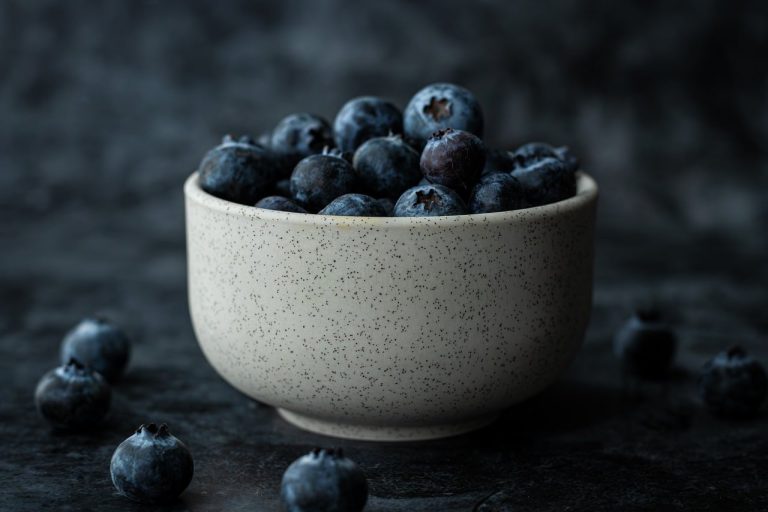
- Berries
- Papaya
- Kiwi
- Apples
- Pears
- Bananas
Why do many people feel better when fruit is part of a balanced meal rather than eaten alone in large amounts? Because pairing fruit with protein or healthy fat can help stabilize blood sugar and prevent the quick energy spike-and-crash pattern that often undermines a weight loss plan.
5. Whole Grains That Support Regularity
Clean eating does not mean eliminating all carbohydrates. In fact, certain whole grains can be excellent for digestion because they provide fiber, minerals, and sustained energy. The key is choosing organic, minimally processed versions instead of refined grains that have been stripped of much of their nutritional value.
Consider these options:
- Organic oats
- Brown rice
- Quinoa
- Millet
- Buckwheat
These foods can help you feel satisfied and prevent overeating later in the day. For many people, that is one of the simplest and most effective ways to support weight loss without feeling deprived.
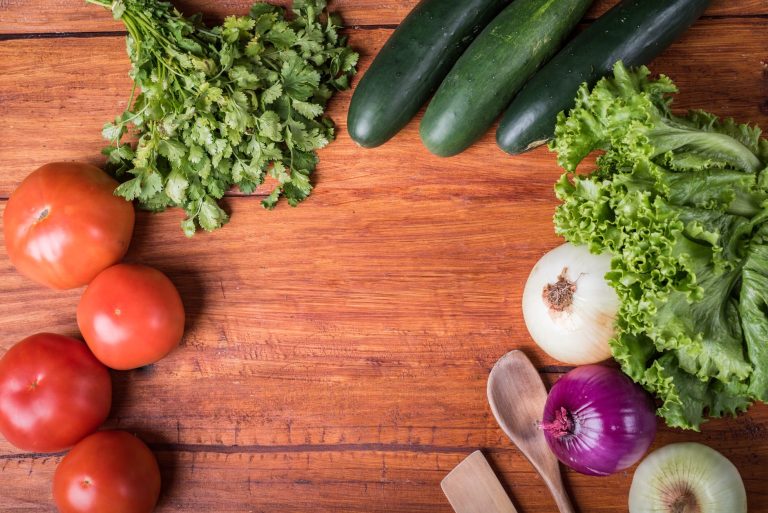
[IMAGE: organic vegetables]
How Organic Food Fits Into a Detox Diet Without Extremes
The phrase detox diet is often associated with restrictive cleanses, but your body already has built-in detoxification systems. The liver processes compounds, the kidneys filter waste, the digestive tract eliminates what you do not need, and the skin and lungs also play supporting roles. The goal of food is not to force detoxification through deprivation. The goal is to provide the raw materials your body needs to do its job efficiently.
This is where organic food becomes especially useful. By emphasizing fresh produce, clean proteins, healthy fats, and hydrating foods, you reduce the burden of excess additives while supporting natural elimination pathways. A calm, consistent detox diet is usually more sustainable – and more effective – than an intense short-term cleanse.
Foods That Support Natural Cleansing
Rather than chasing quick fixes, focus on foods that support the body’s daily housekeeping tasks:
- Cruciferous vegetables such as broccoli, cabbage, and cauliflower
- Citrus fruits for hydration and vitamin C
- Leafy greens to provide magnesium and folate
- Cucumbers and celery for water content
- Beets for fiber and antioxidants
- Flax and chia seeds for digestion-supporting fiber
These ingredients are not glamorous, but they are powerful in a practical sense. The most reliable nutrition habits are often the simplest ones repeated consistently.
Hydration: The Overlooked Partner of Gut Health
Even the best organic diet will struggle if hydration is poor. Water helps fiber do its job, supports regular bowel movements, and keeps digestion from becoming sluggish. Herbal teas, water-rich produce, and simple mineral-rich broths can all contribute to a healthier routine.
Ask yourself: are you drinking enough to help your body process the foods you eat? Many people focus on what they are eating and forget that digestion is a fluid process in every sense of the word.
Simple Hydration Habits That Make a Difference
- Start the day with a glass of water before coffee
- Keep a refillable bottle nearby during work
- Include hydrating produce in every meal
- Limit excessive sugary drinks that disrupt appetite and energy
Building a Clean Eating Plate That Supports Weight Loss
One of the best things about gut-friendly eating is that it naturally encourages portion balance. Instead of obsessing over calorie counting, you can use a simple plate method that supports nutrition, satisfaction, and sustainable weight loss. This is clean eating made practical.
A Simple Plate Formula
Try building meals around this structure:
- Half the plate: organic vegetables, especially leafy greens and colorful non-starchy options
- One quarter: clean protein such as organic eggs, Greek yogurt, lentils, tofu, fish, or poultry
- One quarter: whole grains or starchy vegetables like quinoa, brown rice, sweet potato, or oats
- Plus a healthy fat: avocado, olive oil, seeds, nuts, or tahini
This approach supports satiety and steady energy, both of which are essential if you want a weight loss plan that does not feel punishing. It also works beautifully for anyone trying to move away from processed convenience foods and toward a healthier lifestyle.
Why Balanced Meals Help You Eat Less Without Feeling Deprived
When meals are balanced, you are less likely to crash later and reach for snacks that do not support your goals. Protein helps preserve fullness, fiber slows digestion, and healthy fats improve satisfaction. Instead of feeling like you are constantly fighting hunger, you begin to feel more in sync with your body.
Would you rather spend your day calculating what you cannot eat, or build meals so satisfying that unhealthy cravings lose their pull?
Smart Organic Meal Combinations
Here are a few combinations that can work well for digestion and weight loss:
- Spinach salad with grilled chicken, avocado, and fermented vegetables
- Oatmeal topped with chia seeds, blueberries, and plain kefir on the side
- Quinoa bowl with roasted vegetables, chickpeas, and tahini dressing
- Sweet potato with salmon and steamed broccoli
- Egg scramble with spinach, onions, and a slice of sprouted toast
These meals are not complicated, but they are intelligently designed. That is often the secret to long-term success in nutrition.
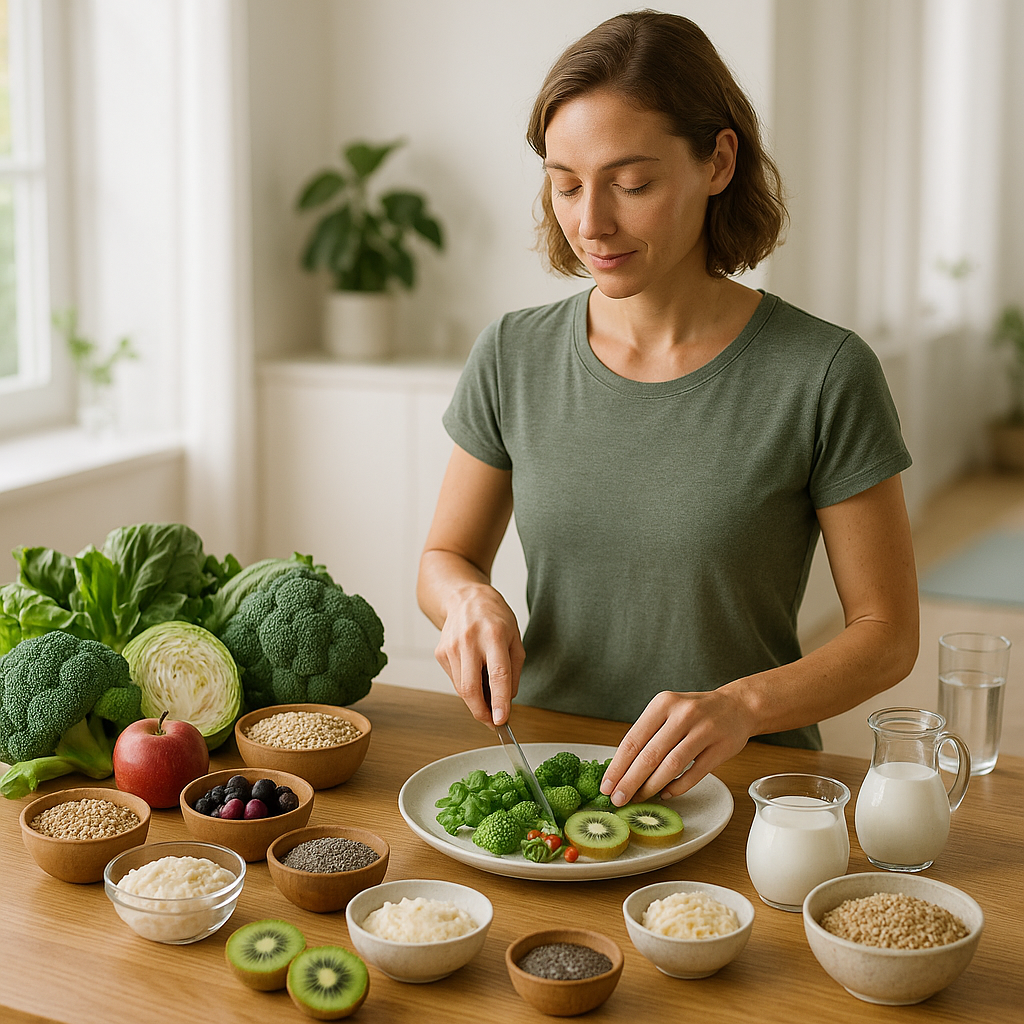
[IMAGE: healthy meal]
Organic Foods That May Help Reduce Bloating and Improve Comfort
Bloating can make even a healthy diet feel frustrating. You may be eating well and still not feel good in your body. In many cases, the issue is not that you need to eat less; it is that you need to choose foods that are easier on the digestive system and avoid combinations that overwhelm it.
Gentle, Gut-Friendly Choices
These foods are often well tolerated by people who want to feel lighter and less bloated:
- Cooked vegetables instead of large servings of raw ones
- Ginger, which may help soothe digestion
- Mint tea after meals
- Bananas and papaya
- Rice and oats in moderate portions
- Low-sugar fermented dairy if tolerated
Cooking vegetables can make them easier to digest, especially for people who find raw salads too heavy. This is a helpful reminder that clean eating is not about rigid rules. It is about choosing what works for your body.
Foods That May Cause Trouble for Some People
Not every healthy food feels good to every person. Some foods that are nutritious in theory may cause bloating or discomfort if you are sensitive to them. Examples may include:
- Large portions of beans or lentils without proper preparation
- Excessive cruciferous vegetables if eaten raw
- Sugar alcohols in packaged products
- Highly processed “diet” snacks
- Too much fat in one sitting
If your stomach feels uneasy after a meal, the answer may not be to abandon your healthy diet. It may simply be to adjust the texture, cooking method, or portion size.
A Practical Organic Grocery List for Gut Health
The easiest way to make clean eating stick is to shop with intention. When your kitchen is filled with supportive ingredients, you are far less likely to fall back on convenience foods that work against your goals. A well-stocked pantry is one of the most underrated tools for weight loss and nutrition success.
Produce
- Spinach
- Kale
- Broccoli
- Cauliflower
- Carrots
- Beets
- Apples
- Berries
- Bananas
- Kiwi
Proteins
- Organic eggs
- Plain Greek yogurt
- Kefir
- Lentils
- Chickpeas
- Tofu
- Wild-caught fish
- Organic chicken
Pantry Staples
- Organic oats
- Quinoa
- Brown rice
- Chia seeds
- Flax seeds
- Olive oil
- Apple cider vinegar
- Herbal teas
- Sauerkraut or kimchi
With a list like this, you can build breakfasts, lunches, dinners, and snacks that support digestion without requiring complicated recipes or expensive specialty items.
Meal Timing and Habits That Can Improve Digestion
What you eat matters, but how you eat also matters. The body digests best when it is not constantly rushed, overstimulated, or asked to process food in a chaotic environment. A healthy lifestyle includes more than ingredients; it includes rhythm.
Helpful Daily Habits
- Eat seated and avoid multitasking when possible
- Chew food thoroughly to ease the burden on the stomach
- Leave a little time between larger meals
- Try to keep meal times consistent
- Take a short walk after eating
These small habits may sound ordinary, but they can dramatically improve how food feels in your body. Sometimes the most effective nutrition advice is also the most easily overlooked.
Should You Eat Late at Night?
There is no universal rule that fits everyone, but heavy late-night meals often leave people feeling sluggish the next morning. If evening hunger is a challenge, choose lighter organic food options such as soup, yogurt with berries, or a small bowl of oats instead of heavily processed snacks. A calmer digestive evening can support better sleep, and better sleep often supports both gut health and weight loss.
[IMAGE: fitness lifestyle]
Common Organic Diet Mistakes That Can Hold Back Results
Even with the best intentions, it is easy to make a few mistakes that weaken the benefits of clean eating. If your organic diet is not giving you the results you expected, one of these patterns may be responsible.
1. Eating Too Little Fiber
Some people focus so much on organic protein and healthy fats that they forget vegetables and whole grains. Without enough fiber, digestion may slow down and gut bacteria may not receive the support they need.
2. Overloading on So-Called Healthy Snacks
Organic does not automatically mean balanced. You can still overeat granola, energy bars, sweetened yogurt, or packaged “wellness” products. A healthy lifestyle is built on thoughtful choices, not just fashionable packaging.
3. Ignoring Food Sensitivities
Sometimes a food can be organic, nutritious, and still not agree with your body. If you notice recurring bloating or discomfort, pay attention to patterns. Nutrition should be personalized, not blindly copied from someone else’s plan.
4. Trying to Force a Detox Diet
Extremely restrictive detox diet plans can backfire by leaving you undernourished, irritated, or overly focused on short-term fixes. Real detox support comes from consistency: hydration, fiber, sleep, movement, and nutrient-dense food.
5. Forgetting to Eat Enough
Some weight loss plans become so aggressive that the body responds with fatigue, cravings, and metabolic stress. The goal is not to shrink your meals until they are barely recognizable. The goal is to nourish your body well enough that it can function and feel good.
How to Start a Gut-Friendly Clean Eating Routine This Week
If you want to make this approach practical, begin with small, realistic changes. You do not need a perfect kitchen or a dramatic overhaul. In fact, the most successful habits often start with one meal at a time.
A Simple 7-Day Starter Strategy
- Day 1: Add one serving of leafy greens to lunch
- Day 2: Swap one processed snack for fruit and nuts
- Day 3: Include a fermented food in one meal
- Day 4: Drink more water and herbal tea
- Day 5: Replace refined grains with a whole grain
- Day 6: Prepare one balanced organic bowl meal
- Day 7: Review how your energy and digestion feel
This gentle method works because it builds confidence. Once you start noticing better digestion, you are more likely to stay consistent. And consistency is where real transformation happens.
Questions to Ask Yourself While Building the Habit
What does your body seem to tolerate best? Which meals leave you satisfied instead of restless? Which foods give you energy without discomfort? Asking these questions can turn nutrition from a confusing rulebook into a personal system of observation and improvement.
Sample Organic Gut-Friendly Day of Eating
If you prefer a concrete example, here is one balanced day that reflects the principles of clean eating, digestion support, and weight loss-friendly nutrition.
Breakfast
Organic oatmeal topped with blueberries, chia seeds, and a spoonful of plain yogurt. A cup of green tea or warm water with lemon can round it out gently.
Lunch
A large salad of mixed greens, cucumber, carrots, roasted chicken or chickpeas, avocado, and a small serving of sauerkraut. Olive oil and lemon make a simple, satisfying dressing.
Snack
Apple slices with almond butter, or kefir with cinnamon if you tolerate dairy well.
Dinner
Baked salmon or tofu with quinoa, roasted broccoli, and sweet potato. Finish with mint tea if you enjoy a calming end to the day.
This kind of menu is not flashy, but it is nutrient-dense, comforting, and easy to repeat. That repeatability is exactly what makes it powerful.
The Bigger Picture: Why Gut Health Supports More Than Digestion
When people begin to eat in a way that truly supports their gut, they often notice benefits beyond the bathroom scale. They may feel less foggy in the afternoon, more emotionally steady, or less dependent on quick fixes like caffeine and sugar. That is because digestion is tied to the body’s broader rhythm of energy, recovery, and resilience.
Organic food, clean eating, and a smart detox diet are not separate goals. They can work together as part of a coherent system that makes healthy choices easier to sustain. You are not only feeding hunger; you are supporting the body that carries you through work, relationships, movement, and rest.
And that is the real power of nutrition done well. It is not about chasing perfection. It is about making enough good decisions, often enough, that your body begins to trust the routine. When that happens, weight loss becomes more manageable, digestion becomes less unpredictable, and a healthy lifestyle starts to feel less like effort and more like alignment.
If you are ready to keep building that kind of momentum, keep exploring the recipes, guides, and wellness tips on DietOrganic. The more you learn, the easier it becomes to create meals that support your gut, your energy, and your long-term health in a way that feels both elegant and sustainable.
About the Author