
If you have ever tried to eat better and still felt bloated, sluggish, or strangely hungry an hour later, you are not alone. Many people focus on calories first, then wonder why their energy drops, their digestion feels off, or their weight loss stalls. The missing piece is often the gut. A healthy digestive system influences how you absorb nutrients, how steady your appetite feels, and even how motivated you are to keep up with clean eating. That is why an organic food approach can be so powerful: it supports nutrition, reduces unnecessary additives, and makes everyday meals feel more natural and satisfying.
Think about it for a moment. What would happen if your meals were built around organic vegetables, fiber-rich plants, fermented foods, and simple proteins instead of heavily processed convenience items? Could your body feel lighter, calmer, and more energized? For many people, the answer is yes. This is not about chasing perfection or following a harsh detox diet. It is about choosing foods that work with your body rather than against it, and creating a healthy lifestyle that feels realistic enough to maintain.
In this guide, we will look at organic foods that support gut health, what to limit if you want better digestion and weight loss, and how to turn clean eating into a practical daily habit. You will also find simple meal ideas, smart meal prep strategies, and a gentler way to think about detox and nutrition. If you are ready to eat in a way that feels lighter without feeling deprived, keep reading.
Why Gut Health Shapes Weight Loss and Daily Energy
The gut does much more than digest food. It helps regulate hunger hormones, supports immune function, and plays a major role in how comfortable you feel after eating. When your digestion is balanced, meals tend to be more satisfying, cravings are easier to manage, and energy stays steadier throughout the day. When your gut is irritated by low-quality food, excess sugar, or constant snacking, you may notice bloating, fatigue, and a stronger pull toward quick-fix foods.
That connection matters if your goals include weight loss and a cleaner diet. The right organic food choices can support the gut microbiome, which is the community of helpful bacteria living in the digestive tract. These bacteria thrive on fiber, variety, and consistency. They do not thrive on ultra-processed meals that are low in nutrients and high in additives. So the question becomes simple: are your everyday meals feeding the body you want, or just filling space?
The gut-weight connection
A healthy gut can make weight management feel less like a battle. Why? Because digestion influences satiety, inflammation, and even the way your body processes certain nutrients. If you routinely eat foods that upset your stomach, you may end up with more cravings and less motivation to move. On the other hand, when meals are rich in organic vegetables, seeds, legumes, and probiotic foods, the body often responds with better regularity and fewer energy crashes.
Here are a few ways gut health can affect weight loss:
- Satiety: Fiber and protein help you feel full longer, reducing the urge to overeat.
- Blood sugar stability: Balanced meals can prevent sharp spikes and drops that trigger cravings.
- Inflammation: A calmer digestive system may support a healthier metabolic response.
- Consistency: When you feel good, you are more likely to stick with clean eating habits.
Why organic food matters here
Organic food is not a magic solution, but it can be a meaningful part of a healthy diet. Choosing organic produce may reduce exposure to certain pesticides, and many people prefer the taste and texture of fresher ingredients. More importantly, organic eating often nudges people toward a simpler, more intentional pattern of meals. When your plate is built around whole foods instead of packages, nutrition becomes easier to manage.
This is where clean eating becomes practical rather than trendy. You do not need a complicated detox diet or strict rules to make progress. You need foods your body can recognize, digest, and use efficiently. That may sound basic, but basics are often what produce the best long-term results.
The Best Organic Foods for a Happier Gut
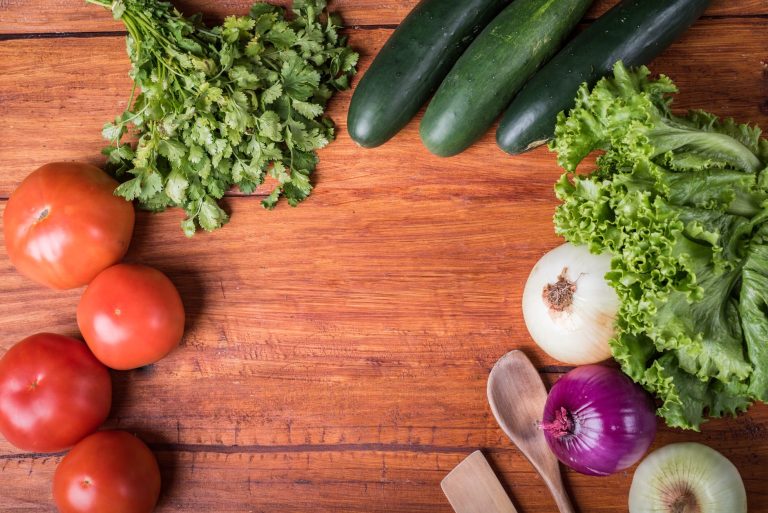
[IMAGE: organic vegetables]
If you want your digestive system to work smoothly, the best place to start is with variety. A resilient gut microbiome likes color, fiber, texture, and regular nourishment. Organic food can help you build those elements into your meals in a natural way. The goal is not to eat the same so-called superfood every day. The goal is to create a pattern of eating that includes plants, fermented ingredients, healthy fats, and enough protein to keep you satisfied.
1. Organic leafy greens
Leafy greens like spinach, kale, arugula, romaine, and Swiss chard are foundational foods for clean eating. They provide fiber, magnesium, folate, and antioxidants while keeping meals light and versatile. They also work beautifully in salads, smoothies, soups, and sautés. If weight loss is one of your goals, leafy greens can help you build meals that are generous in volume without being heavy.
Try adding them to:
- Morning omelets or tofu scrambles
- Salads topped with seeds and olive oil
- Warm bowls with grains and protein
- Green smoothies with fruit and chia
Simple tip
Rotate your greens instead of relying on only one type. Variety supports broader nutrition and keeps your meals interesting enough to repeat all week.
2. Organic fermented foods
Fermented foods are some of the most valuable additions to an organic diet because they bring beneficial bacteria and unique flavors into your routine. Options like organic yogurt, kefir, sauerkraut, kimchi, miso, and tempeh can support digestion when eaten consistently in moderate portions. They are especially useful if your meals have been bland or overly processed for a long time.
Fermented foods do not need to dominate the plate. A small serving with lunch or dinner can be enough to support a healthier internal environment. For people who are just beginning clean eating, this is one of the easiest places to start because the flavors can make wholesome meals feel more satisfying.
Practical caution
If you are sensitive to histamines, sodium, or certain fermented ingredients, introduce them slowly and pay attention to how your body responds. Healthy eating should feel supportive, not uncomfortable.
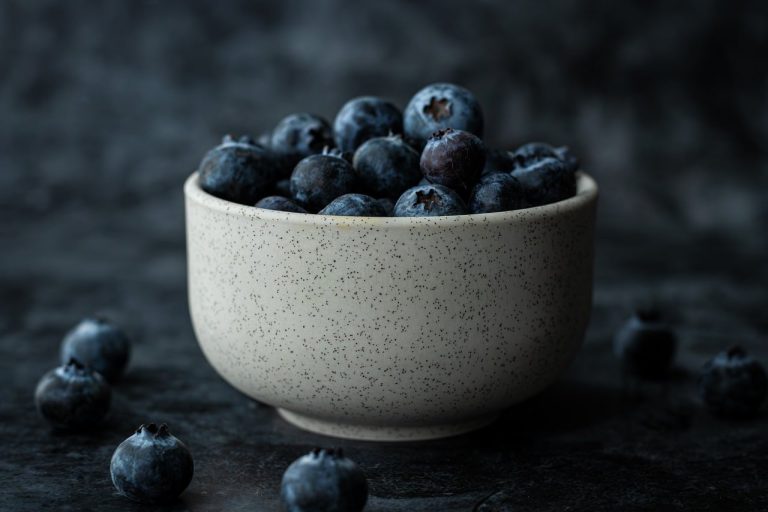
3. Organic berries and apples
Fruits can absolutely belong in a weight loss plan when they are chosen thoughtfully. Organic berries, in particular, are a smart choice because they are rich in antioxidants and relatively low in sugar compared with many packaged snacks. Apples are another excellent option because they are portable, filling, and naturally suited to clean eating. Their fiber content can help support regular digestion and steady appetite.
Use them in ways that feel easy:
- Add berries to plain yogurt or oats
- Slice apples with nut butter for a balanced snack
- Freeze berries for smoothies
- Combine fruit with seeds to improve fullness
What matters most is not avoiding fruit, but pairing it well. A fruit-only snack may leave you hungry again quickly, while fruit plus protein or fat is more likely to support stable energy.
4. Organic oats, chia, and flax
These humble pantry staples are powerful when it comes to nutrition and gut health. Oats offer soluble fiber, which can support digestion and help create a more satisfying breakfast. Chia and flax add fiber, omega-3 fats, and texture that makes meals feel more substantial. Together, they can transform a basic bowl into a breakfast that supports clean eating and healthier cravings throughout the morning.
For a simple routine, try:
- Overnight oats with berries and cinnamon
- Chia pudding with almond milk and fruit
- Ground flax mixed into smoothies or oatmeal
- Oats baked into homemade energy bites
These ingredients are especially helpful if mornings tend to be rushed. They require little effort but deliver a noticeable impact on fullness and digestion.
5. Organic legumes and lentils
Beans, chickpeas, and lentils are among the most underrated foods in a healthy diet. They provide plant-based protein, complex carbohydrates, and a strong dose of fiber that feeds beneficial gut bacteria. For weight loss, this combination matters because it helps you feel fuller for longer without relying on excessive calories or ultra-processed substitutes.
If you are not used to eating legumes often, start gradually. Smaller portions can help your digestive system adjust. You might try:
- Lentil soup with organic vegetables
- Chickpea salads with herbs and olive oil
- Black bean bowls with brown rice and greens
- Hummus with cucumber, carrots, or celery
The key is consistency. When legumes become a regular part of your week, they can support a more stable, more satisfying approach to clean eating.
6. Organic garlic, onions, and leeks
These aromatics are small in size but big in value. They add depth to soups, sauces, sautés, and roasts while also providing compounds that support digestive wellness. Garlic and onions are especially useful in a detox diet approach because they help make healthy meals taste better without relying on heavy sauces or excess salt.
Most people do not think of flavor builders as nutrition powerhouses, but they absolutely are. They can make it easier to stick to organic food at home because the meals feel rich and satisfying. After all, who wants a plain plate day after day?
7. Organic healthy fats
Avocados, olive oil, walnuts, chia seeds, pumpkin seeds, and almonds can support satiety and make meals feel more complete. Healthy fats are important for hormone production and for absorbing fat-soluble vitamins from vegetables. In a weight loss plan, they should be used thoughtfully, but not feared. Too many people cut fat too aggressively and end up hungry, irritable, and prone to overeating later.
Use healthy fats to anchor your meals:
- Drizzle olive oil over greens and roasted vegetables
- Add avocado to salads or toast
- Top oatmeal with seeds and nuts
- Snack on a small handful of walnuts with fruit
Balanced fats can make clean eating feel luxurious instead of restrictive.
What to Limit if You Want Better Digestion and Easier Weight Loss
Not every food needs to be perfectly clean to be part of a healthy lifestyle, but some patterns make digestion harder than necessary. If your goal is to feel lighter, reduce bloating, and support a more effective weight loss process, paying attention to what you limit can be just as important as what you add.
Ultra-processed foods disguised as healthy choices
Many foods are marketed as wholesome but are loaded with refined starches, sugar, seed oils, and additives. Granola bars, flavored yogurts, protein cookies, and ready-made smoothies may seem convenient, but they can leave you hungrier than expected. If the ingredient list reads like a chemistry lesson, pause and ask yourself: is this actually supporting clean eating, or just borrowing its image?
A better rule is simple. Choose foods that look close to their natural form whenever possible. Organic food does not need to come in a fancy package to be useful.
Excess sugar and refined grains
Too much sugar can disrupt appetite, energy, and digestion. Refined grains are not always harmful in isolation, but when they dominate the plate, they often crowd out the fiber and nutrients that help the gut function well. A breakfast of sweet pastries or a lunch of refined carbs alone may give you a quick boost, followed by a crash that leads you straight back to the kitchen.
Instead, build meals with a better balance of protein, fiber, and healthy fats. That simple shift can reduce cravings more effectively than any restrictive rule set.
Alcohol and frequent snacking
Alcohol can irritate digestion, interfere with sleep, and make it harder to maintain a healthy appetite rhythm. Frequent snacking, especially on highly processed foods, can also prevent your digestive system from getting the breaks it needs. This does not mean you need to eliminate every treat forever. It means being intentional about frequency and portion size.
Ask yourself: are you eating because you are hungry, or because you are bored, stressed, or simply surrounded by snacks? That one question can transform your results.
Common clean eating mistakes
- Buying organic products but still relying on packaged convenience foods
- Cutting calories too low and ending up exhausted
- Ignoring protein, which can make meals less satisfying
- Overloading on raw vegetables without any cooked foods
- Assuming a detox diet means only juices or restriction
Clean eating works best when it feels sustainable. If a plan is so strict that you cannot maintain it for more than a week, it is not helping your long-term healthy lifestyle.
A Simple Organic Day on a Plate
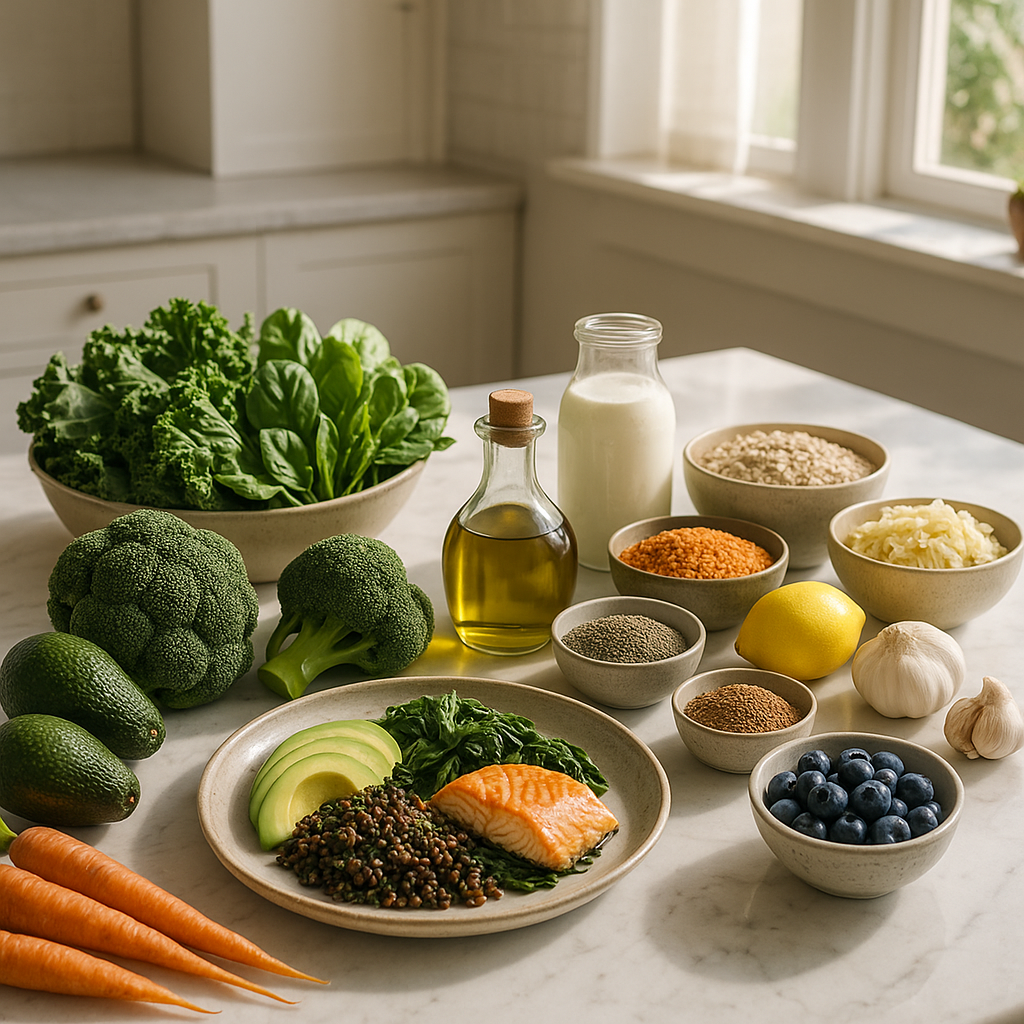
[IMAGE: healthy meal]
One of the best ways to make organic food feel practical is to see how it works across an entire day. You do not need a complicated menu. You need meals that are balanced, satisfying, and easy to repeat. The following structure can support gut health, weight loss, and clean eating without requiring hours in the kitchen.
Breakfast: steady energy instead of a sugar spike
Start with a breakfast that includes fiber, protein, and a little healthy fat. This combination can help you feel focused rather than scattered by midmorning. A smoothie is fine, but it should not be only fruit. Add greens, seeds, and protein to give your gut and energy levels something real to work with.
Examples include:
- Organic oats with chia, berries, and cinnamon
- Greek yogurt with apples, walnuts, and flax
- Vegetable scramble with avocado and whole-grain toast
- Green smoothie with spinach, kefir, berries, and hemp seeds
Lunch: the meal that keeps the afternoon on track
Lunch should be substantial enough to prevent the afternoon energy slump. A good formula is simple: protein, fiber, vegetables, and a flavorful dressing or sauce. If lunch is too light, you may end up overeating later. If it is too heavy, you may feel sluggish and mentally foggy.
A balanced organic lunch could look like a bowl with lentils, roasted vegetables, greens, avocado, and a lemon-olive oil dressing. Or it could be a soup and salad combination with enough protein to keep you satisfied. The point is not perfection. The point is to create a meal that leaves you comfortably full, not stuffed.
Snack: support, not sabotage
Snacks should help you bridge meals, not replace them. If you are genuinely hungry, choose something that combines fiber and protein. If you are not hungry, ask whether water, a short walk, or a pause might solve the problem better than food.
Smart organic snack ideas include:
- Apple slices with almond butter
- Carrot sticks with hummus
- Plain yogurt with berries
- Pumpkin seeds and cucumber slices
Ask yourself honestly: will this snack support my goals, or just keep my mouth busy?
Dinner: light enough for digestion, satisfying enough for sleep
Dinner is often where people either regain control or drift into old habits. A simple, vegetable-rich meal with protein and a moderate portion of starch can support digestion and sleep. Think roasted salmon with greens, baked tofu with vegetables, or a lentil stew with herbs and olive oil. You do not need a huge plate to feel content.
Keep dinner calm and uncluttered. Less chaos in the kitchen often means less chaos in the body.
A Gentler Detox Diet Approach That Actually Supports the Body
The phrase detox diet is often overused, and sometimes it creates unrealistic expectations. Your body already has natural detox systems, including the liver, kidneys, skin, and digestive tract. The smartest way to support those systems is not through extreme restriction, but through nourishment, hydration, fiber, and rest. That is where an organic food pattern can be especially helpful.
Rather than chasing a short-term cleanse, focus on a gentle reset. This could mean one week of cleaner meals, less alcohol, fewer ultra-processed foods, more water, and a stronger emphasis on vegetables. It may also mean eating more regularly so your blood sugar stays steady and your cravings calm down. The best detox diet is one that feels restorative rather than punishing.
Try these supportive habits:
- Begin the day with water and a fiber-rich breakfast
- Include at least two colorful vegetables at lunch and dinner
- Reduce added sugar for several days and notice the difference
- Prioritize sleep, which supports appetite regulation and recovery
- Use herbs, lemon, ginger, and garlic to make meals taste bright and fresh
When people say they want a detox, they usually want to feel clearer, lighter, and less inflamed. That is a reasonable goal, but it is usually achieved through consistent clean eating, not through starvation or gimmicks. Why force your body into stress when you can nourish it into balance?
Organic Meal Prep Ideas for Busy Weeks
Meal prep is one of the easiest ways to stay consistent with a healthy diet, especially when life gets hectic. If you wait until you are hungry to decide what to eat, the odds of choosing convenience foods go way up. A little planning can protect your goals without making your week feel rigid.
Build a flexible prep list
Instead of meal prepping entire recipes you may not want later, prepare components you can mix and match. This keeps the process flexible and prevents food boredom. A few hours on the weekend can set you up for several days of easy meals.
- Wash and chop leafy greens
- Roast a tray of organic vegetables
- Cook quinoa, brown rice, or lentils
- Prepare a protein source such as tofu, chicken, eggs, or fish
- Mix a simple dressing with olive oil, lemon, mustard, or herbs
Use a 3-part meal formula
When in doubt, build each meal with three simple parts: one protein, one fiber-rich plant, and one satisfying carb or healthy fat. That formula works for breakfast bowls, lunch salads, and dinner plates. It also makes weight loss easier to manage because it naturally supports fullness and balance.
Examples:
- Eggs + spinach + avocado toast
- Chicken + roasted broccoli + sweet potato
- Lentils + kale + olive oil and herbs
- Yogurt + berries + chia seeds
Make your fridge work for you
Keep the most convenient foods visible. When healthy food is easy to reach, you are more likely to eat it. Clear containers, pre-portioned snacks, and ready-to-assemble meal components can all make a big difference. You do not need a perfect kitchen, just a practical one.
That is the real secret of a lasting healthy lifestyle: make the good choice the easy choice.
How Movement, Sleep, and Stress Affect Digestion
[IMAGE: fitness lifestyle]
Food is central to gut health, but it is not the whole story. Exercise, sleep, and stress management all shape how your digestive system behaves. A person can eat organic food all day and still feel off if they never sleep enough, never move their body, or live under constant pressure. The body is interconnected, and digestion is often the first place that imbalance shows up.
Movement helps your gut keep moving
Regular movement supports circulation, metabolism, and digestion. It does not need to be intense. A brisk walk after meals can be especially helpful, and it is one of the easiest habits to build into a busy schedule. Strength training, cycling, yoga, and dancing can also support a more active, resilient body.
Try to think of exercise as a partner to clean eating, not a punishment for eating. When movement feels like part of a healthy lifestyle rather than a chore, it becomes much easier to maintain.
Sleep is part of nutrition
Lack of sleep can increase cravings, disrupt appetite hormones, and make it harder to make good decisions around food. If your evenings are chaotic, your breakfast choices often suffer the next morning. This is why a balanced organic diet should always be paired with a realistic sleep routine.
Helpful habits include:
- Eating dinner at a consistent time
- Limiting late-night grazing
- Reducing screen time before bed
- Choosing calming herbal tea instead of sugary snacks
Stress can show up in the stomach
Stress has a direct effect on digestion. Many people notice bloating, tightness, nausea, or erratic appetite when pressure rises. That is not a sign of weakness. It is the body communicating that something needs attention. Gentle breathing, time outside, shorter work breaks, and less frantic eating can all help.
Ask yourself: are you eating in a calm setting, or inhaling food while your mind is racing? The answer matters more than most people realize.
How to Start Clean Eating Without Feeling Restricted
One reason people abandon healthy eating is that they start with too many rules. They cut out entire food groups, obsess over labels, and expect instant transformation. The result is usually frustration. A more effective approach is to improve quality step by step. You do not need to overhaul your life in a day.
Start with one meal
Choose breakfast, lunch, or dinner and make that meal consistently better for one week. That might mean adding organic vegetables to breakfast, replacing a packaged lunch with a homemade bowl, or creating a more balanced dinner. Small wins matter because they build confidence.
Shop with a short list
A short grocery list keeps you focused and prevents random purchases. Try building around:
- Two or three organic vegetables
- Two fruits
- One or two proteins
- One whole grain or starchy vegetable
- One fermented food
- One healthy fat
This structure makes it easier to plan meals without overthinking every decision.
Read labels with a clear eye
Just because a package says natural or healthy does not mean it fits a clean eating plan. Check the ingredient list. If it is long, highly processed, or heavy in sugar and additives, think twice. The goal is not paranoia. The goal is awareness.
Focus on addition before subtraction
Instead of starting by removing everything you love, begin by adding more nourishing foods. Add more greens. Add more water. Add more fiber. Add more whole meals. Often, the less helpful foods naturally fall away when your body begins feeling better and more satisfied.
Questions People Often Ask About Organic Food and Gut Health
There is a lot of interest in organic food, healthy diet plans, and weight loss strategies, but there is also a lot of confusion. Here are a few questions worth asking before you make your next grocery list.
Is organic food always better for gut health?
Not automatically. Organic food can be a smart choice, especially for produce and items you eat often, but gut health depends on the whole pattern of eating. A bag of organic cookies is still a cookie. A plate of organic vegetables, legumes, fruit, and protein is where the real digestive support happens.
Can clean eating help with weight loss?
Yes, especially when clean eating means building balanced, satisfying meals rather than simply cutting calories. People often lose weight more easily when they eat more nutrient-dense foods because they feel fuller and snack less. That said, weight loss is still influenced by portions, activity, sleep, and stress.
Should a detox diet be extreme?
No. Extreme detox plans are usually unnecessary and hard to sustain. A better approach is to create a short period of simplified, nourishing meals that support digestion and reduce overload. Think organic vegetables, whole grains, water, herbs, and less alcohol or sugar. That is a cleaner reset than any harsh cleanse.
What if raw vegetables bother my stomach?
Then cook them. Many people digest roasted, steamed, or sautéed vegetables more comfortably than raw salads. Clean eating is not about forcing one style of food. It is about finding what supports your body best.
Building a Healthy Lifestyle That Lasts
The best organic food plan is one you can actually live with. If your meals are nourishing but stressful to prepare, the plan will not hold. If your rules are so strict that every dinner feels like a test, the plan will not hold. Sustainable nutrition is not dramatic. It is repeatable.
That is why the most successful changes tend to be simple: better breakfasts, more vegetables, fewer processed snacks, thoughtful meal prep, regular movement, and enough sleep to let the body recover. Over time, those habits do more than help digestion. They shape mood, focus, and confidence. They make healthy living feel less like a temporary project and more like a natural rhythm.
If you want to support gut health, weight loss, and clean eating at the same time, start with the foods that are easiest to repeat. Keep organic vegetables in view. Keep fermented foods on hand. Build meals that leave you satisfied instead of drained. Then notice how your body responds when you stop fighting it and start feeding it well.
For more practical ideas, recipes, and expert guidance on organic food, nutrition, and a healthier lifestyle, explore more articles on DietOrganic and keep building a way of eating that feels good to live with every day.
About the Author