
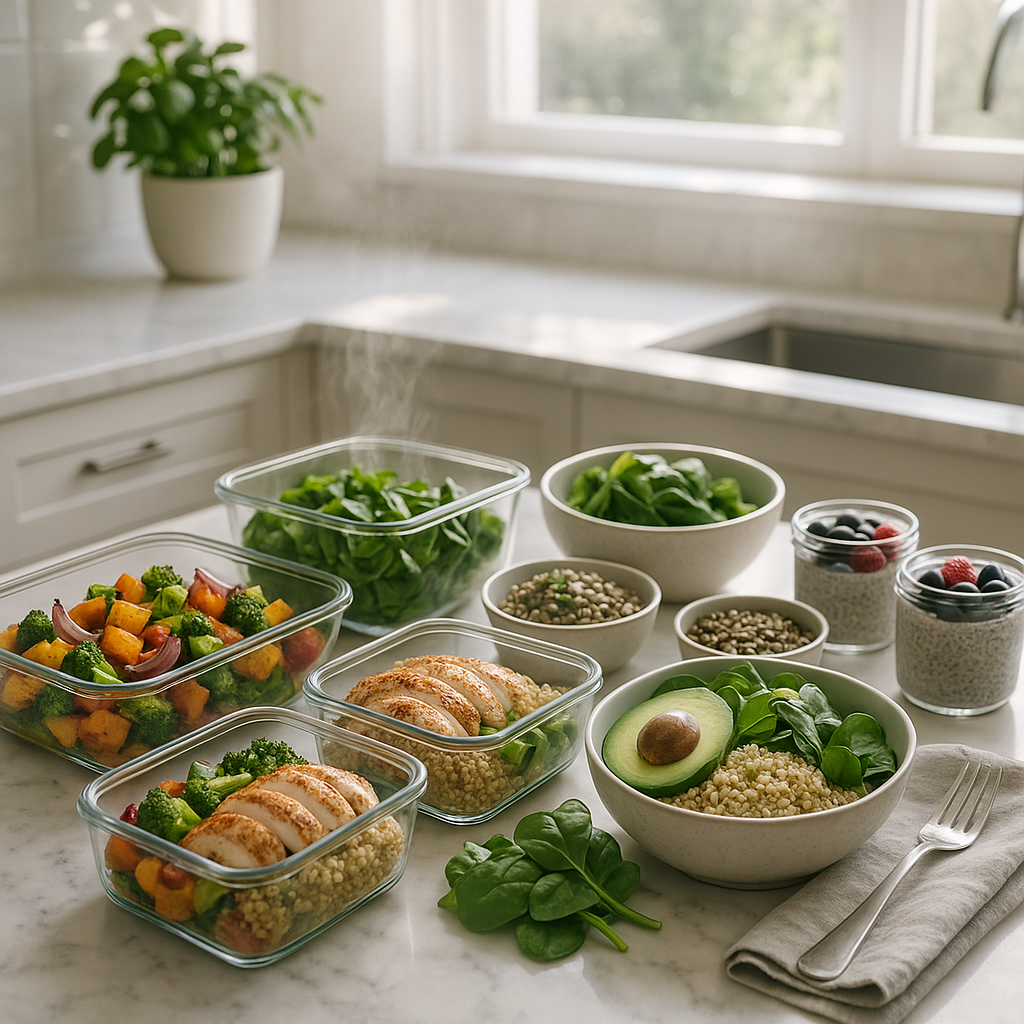
If you want to eat better without spending every evening in the kitchen, organic meal prep may be the simplest upgrade you can make to your routine. It brings structure to your week, supports a healthy diet, and makes clean eating feel realistic instead of restrictive. When your fridge is stocked with fresh, organic food that is already washed, chopped, cooked, and portioned, healthy choices become the easy choices. And isn’t that exactly what sustainable nutrition should feel like?
This guide explores practical organic meal prep ideas for busy people who want steady energy, better food quality, and smart support for weight loss. You will learn how to build balanced containers, which ingredients make prep easier, how to keep meals fresh, and how to turn a few simple staples into a full week of nourishing meals. Whether your goal is to improve your healthy lifestyle, simplify nutrition, or reduce the temptation to order takeout, these strategies can help you stay consistent without feeling overwhelmed.
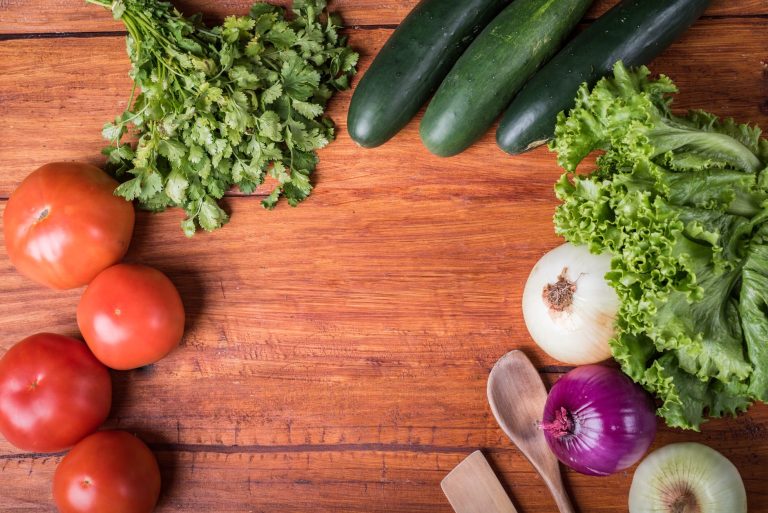
[IMAGE: organic vegetables]
Why Organic Meal Prep Works So Well for a Healthy Diet
Meal prep is more than a convenience tactic. Done well, it becomes a planning system that protects your energy, your budget, and your nutrition. Choosing organic food for your prep routine adds another layer of value because it prioritizes ingredients grown with fewer synthetic pesticides and often with more attention to soil health and farming practices. For many people, that combination feels like a cleaner, more intentional way to eat.
The biggest benefit is consistency. Healthy eating rarely fails because of a lack of knowledge. It usually fails because of a lack of readiness. When you are hungry, tired, or stressed, the nearest option wins. If that option is a bowl of prepped grain salad, roasted vegetables, and organic chicken or tofu, your healthy lifestyle stays on track with less effort. If the only option is an empty refrigerator, the outcome is very different.
Organic meal prep also supports weight loss in a practical way. When meals are planned in advance, portions are easier to control, protein intake is more consistent, and random snacking tends to decrease. You can still enjoy variety and flavor, but the structure helps prevent the all-too-common cycle of skipping meals during the day and overeating at night.
What Makes Meal Prep Different from Just Cooking Ahead?
Cooking ahead is helpful, but meal prep is more strategic. Rather than preparing a single dish and hoping it lasts, you create components that can mix and match throughout the week. That flexibility is what makes the system sustainable.
For example, one batch of roasted sweet potatoes can support breakfast bowls, lunch salads, and dinner plates. A tray of organic vegetables can be paired with eggs one day and lentils the next. A jar of homemade dressing can transform the same ingredients into completely different meals. This is where clean eating becomes exciting instead of repetitive.
- Meal prep saves time by reducing daily cooking decisions.
- It improves nutrition by making balanced meals easier to assemble.
- It reduces waste because planned ingredients are more likely to be used.
- It supports weight loss by helping you avoid impulsive eating.
- It strengthens healthy habits by creating a reliable food routine.
And perhaps most importantly, it creates calm. A well-organized fridge can feel like a quiet form of self-care. When the week gets busy, that calm matters more than people realize.
Choosing the Best Organic Foods for Meal Prep
Not every ingredient performs equally well in a meal prep plan. Some foods taste better after several days in the refrigerator, while others lose texture quickly. The best organic meal prep ideas start with ingredients that are versatile, durable, and satisfying. That does not mean boring. It simply means choosing foods that hold up well and work across multiple meals.
Think in categories: proteins, vegetables, grains, healthy fats, and flavor builders. Once each category is covered, your weekly prep becomes much easier to design. You do not need a pantry full of specialty items to eat well; you need a few dependable staples prepared with intention.
Protein Staples That Keep Meals Satisfying
Protein helps support satiety, muscle maintenance, and stable energy. For a healthy diet focused on weight loss or balanced nutrition, protein should be at the center of most meal prep containers.
- Organic eggs for breakfast boxes, grain bowls, and snacks
- Organic chicken breast or thighs for lunches and dinners
- Organic turkey for lean, high-protein options
- Lentils and chickpeas for plant-based clean eating
- Tofu or tempeh for versatile vegan prep meals
- Plain Greek yogurt for breakfast jars and sauces
- Wild-caught salmon for one or two fresh meals early in the week
If you prefer a plant-forward routine, pair legumes with grains to create a complete and satisfying profile. If your focus is weight loss, prioritizing protein at each meal can help you feel fuller with fewer calories, which makes the rest of the day easier to manage.
Vegetables That Hold Up Well in the Fridge
Vegetables are the backbone of organic food meal prep. They add volume, color, texture, and micronutrients while keeping meals light and refreshing. Some vegetables are especially meal-prep friendly because they stay crisp or flavorful for several days.
- Broccoli and cauliflower
- Carrots and bell peppers
- Zucchini and squash
- Green beans and asparagus
- Spinach and kale for salads or quick sautés
- Cabbage and shredded slaw mixes
- Cucumber and celery for fresh sides and snacks
A smart trick is to prepare vegetables in different forms. Roast one batch, keep another raw, and blanch a third if needed. That way, your meals don’t all feel the same. Wouldn’t it be easier to stay consistent if your containers looked and tasted different every day?
Carbohydrates That Support Energy Without Feeling Heavy
Healthy carbohydrates deserve a place in clean eating. They provide energy for work, workouts, and daily life. The goal is not to eliminate them, but to choose high-quality organic options that keep you satisfied.
- Brown rice
- Quinoa
- Farro
- Sweet potatoes
- Oats
- Beans and lentils
For weight loss, portion size matters more than fear. A moderate serving of whole-food carbohydrates can help prevent cravings and keep your blood sugar steadier. In many cases, the real issue is not the carbohydrate itself, but the lack of balance around it.
Healthy Fats That Improve Flavor and Satisfaction
Healthy fats make meal prep taste richer and feel more complete. They also help with the absorption of fat-soluble vitamins. Use them thoughtfully, especially if your goal is weight loss, because a little goes a long way.
- Avocado
- Extra-virgin olive oil
- Chia seeds
- Hemp seeds
- Walnuts and almonds
- Tahini
A spoonful of dressing or a sprinkle of seeds can make a simple bowl feel restaurant-worthy. That matters because food satisfaction is one of the most underrated parts of a healthy lifestyle. If your prep tastes good, you are far more likely to repeat it.
[IMAGE: healthy meal]
How to Build a Weekly Organic Meal Prep Plan
A weekly plan does not need to be complicated. In fact, simplicity is often the secret to consistency. Instead of trying to prep every meal from scratch, focus on a repeatable framework. You can always rotate ingredients and flavors later.
Start by deciding how many meals you want to prepare. Many people find it easiest to prep lunches and dinners for five days, while keeping breakfasts flexible. Others prefer to do breakfast jars, lunch bowls, and a few snack options all at once. There is no single correct model. The best system is the one you can maintain during a busy week.
The 3-2-1 Prep Formula
One easy structure is the 3-2-1 formula:
- 3 proteins to rotate across the week
- 2 vegetable preparations for texture and variety
- 1 or 2 carbohydrate bases such as quinoa, rice, or sweet potatoes
For example, you might roast organic chicken, bake tofu, and hard-boil eggs. Then you could prep roasted broccoli and a raw cucumber slaw. Add quinoa and sweet potatoes, and you have enough building blocks for bowls, salads, wraps, and breakfast plates.
Batch Cooking vs. Component Prep
Batch cooking means making a full meal in a large quantity. Component prep means preparing the individual parts of meals separately. Both methods can work, but component prep is usually more flexible for organic meal prep ideas because it allows you to mix and match.
Batch cooking is useful if you love repetition and want low decision-making. Component prep is better if you get bored easily or want to adapt meals to different hunger levels. Many people use a hybrid of both: a soup or stew as one batch-cooked meal, plus separate grains, proteins, and vegetables for the rest of the week.
A Simple Sunday Prep Flow
If Sunday is your prep day, this flow can help you stay efficient:
- Wash and dry all produce
- Preheat the oven and start roasting vegetables
- Cook grains on the stovetop or in a rice cooker
- Season and bake proteins
- Mix one or two sauces or dressings
- Portion snacks into containers
- Assemble the first few meals before refrigerating everything
By the time you finish, your kitchen should feel reset rather than chaotic. That sense of order can be surprisingly motivating. It reminds you that a healthy diet is not about perfection; it is about preparation.
Organic Breakfast Ideas for Busy Mornings
Breakfast is one of the easiest meals to prep in advance, and it can set the tone for your day. When the first meal is balanced and satisfying, you are less likely to chase energy with caffeine and sugar alone. That makes breakfast a powerful tool for nutrition and weight loss alike.
Organic breakfast meal prep can be sweet, savory, or somewhere in between. The key is to include protein, fiber, and a little healthy fat so that your meal keeps you full for longer. The best breakfasts are quick to grab and easy to enjoy even when the morning feels rushed.
Make-Ahead Breakfast Jars
Breakfast jars are ideal for overnight oats, yogurt parfaits, or chia pudding. They are portable, customizable, and visually appealing. A few layers can turn a simple breakfast into something that feels special.
- Overnight oats: organic oats, almond milk, chia seeds, cinnamon, berries
- Yogurt parfait: Greek yogurt, granola, sliced fruit, pumpkin seeds
- Chia pudding: chia seeds, coconut milk, vanilla, cacao nibs
These breakfasts can be prepared in minutes and stored for several days. They are especially helpful if you struggle to eat early in the morning but still want something nourishing ready to go.
Egg-Based Breakfast Boxes
If you prefer savory food, egg-based prep is excellent. Eggs pair well with vegetables, whole grains, and avocado. You can make egg muffins, a vegetable frittata, or a breakfast box with hard-boiled eggs, roasted potatoes, and sliced tomatoes.
An egg muffin tray is one of the most practical organic food ideas for meal prep because it freezes well and reheats quickly. Add spinach, mushrooms, onions, and a little cheese if desired, and you have a protein-rich breakfast that tastes fresh even on day four.
Warm Breakfasts That Reheat Well
Some people prefer a warm meal in the morning, especially during colder months. In that case, prep a base such as cooked oats or quinoa and pair it with fruit, seeds, and nut butter. You can also cook a breakfast hash using sweet potatoes, onions, peppers, and turkey or tofu.
If mornings feel rushed, ask yourself: what would it take to make breakfast feel effortless instead of optional? Often the answer is simply a few containers in the fridge.
Organic Lunch Ideas That Keep You Focused
Lunch is where meal prep often earns its reputation. It prevents the midday slump and helps you avoid random food decisions. A well-balanced organic lunch can support steady energy, better concentration, and a more stable appetite throughout the afternoon.
The most successful lunches are usually built around a formula: protein + vegetables + smart carbs + sauce. That structure keeps the meal satisfying while still feeling light enough to work through the rest of your day.
Grain Bowls with Endless Variations
Grain bowls are one of the most flexible clean eating strategies. You can use quinoa, brown rice, farro, or cauliflower rice as the base. Then add roasted vegetables, greens, a protein, and a dressing. One bowl can be Mediterranean, another Asian-inspired, and another Southwest-style without much additional effort.
Examples include:
- Quinoa, roasted broccoli, chicken, avocado, and lemon-tahini dressing
- Brown rice, edamame, carrots, cucumber, tofu, and sesame-ginger sauce
- Farro, roasted zucchini, chickpeas, arugula, and herb vinaigrette
These meals are practical, but they also feel elevated. That matters if you want a healthy lifestyle that feels enjoyable rather than dutiful.
Salads That Stay Fresh for Days
Meal prep salads only work if they stay crisp and flavorful. The best approach is to layer ingredients thoughtfully. Put dressing on the bottom or keep it separate, use sturdy greens like kale or cabbage, and store wetter ingredients apart from the rest.
A few excellent salad combinations include roasted beet and goat cheese, kale and chickpea crunch salad, or chicken with apple slices and sunflower seeds. If your salads tend to wilt, try massaging kale with a little olive oil or using cabbage as the base instead of delicate lettuce.
Wraps, Lettuce Cups, and Bento-Style Boxes
Not every lunch has to be a bowl. Organic wrap fillings can include hummus, grilled vegetables, turkey slices, or smashed avocado. Lettuce cups are great if you want something lighter. Bento-style boxes are ideal for variety because they let you separate components and create a more snack-like meal structure.
For example, a bento box might include hard-boiled eggs, hummus, carrots, cucumber, crackers, and berries. This is especially helpful for people who prefer grazing-style meals or who have a smaller appetite at lunch.
Organic Dinner Prep Ideas That Reduce Evening Stress
Dinner can be the hardest meal to keep healthy because fatigue tends to peak at the end of the day. That is exactly why organic meal prep can be so useful. If the most difficult meal is already partially prepared, you are less likely to rely on convenience foods that do not match your nutrition goals.
For dinner prep, think in terms of assembly rather than elaborate cooking. Roast, grill, or simmer a few items ahead of time, then reheat and combine them in different ways. The goal is not just to eat dinner; the goal is to make dinner feel manageable.
One-Pan Dinners That Reheat Well
One-pan meals are easy to store, easy to portion, and easy to reheat. They also reduce cleanup, which can be a huge bonus on busy nights. A sheet pan with chicken sausage, sweet potatoes, onions, and Brussels sprouts is hearty and simple. A pan of tofu, broccoli, and bell peppers with sesame sauce can offer a lighter but still satisfying option.
These meals work especially well when you know your week will be full. A few portions in the fridge can prevent the temptation to order food simply because you do not want to wash dishes.
Soups, Stews, and Hearty Bowls
Soup is one of the most forgiving forms of meal prep. It improves in flavor over time and can pack in vegetables, protein, and fiber. Lentil soup, chicken vegetable soup, and minestrone all align beautifully with a clean eating approach.
Stews and curry-style dishes also work well because they remain flavorful after reheating. Serve them with rice, quinoa, or a slice of whole-grain bread if you want more staying power. If weight loss is your goal, portion the grain thoughtfully and load up on vegetables.
Build-Your-Own Dinner Kits
A dinner kit is simply a set of prepared components ready for quick assembly. Imagine a container of roasted vegetables, a protein, a grain, and a sauce. In five minutes, that can become a stir-fry bowl, a salad plate, or a warm dinner dish.
Build-your-own kits are helpful if you cook for more than one person, because everyone can customize their plate slightly. That reduces mealtime complaints and makes healthy food more likely to be enjoyed by the whole household.
Healthy Snacks and Mini Meals for Clean Eating
Snacking gets a bad reputation, but when done intentionally, it can support a healthy diet instead of sabotaging it. The key is to choose organic snacks that are satisfying, portioned, and based on real food. A good snack should bridge the gap between meals, not turn into a grazing session that leaves you more tired than before.
Meal prep makes smart snacking much easier. You are less likely to reach for random packaged foods when ready-to-eat options are already prepared in your fridge or pantry.
Snack Ideas That Travel Well
- Apple slices with almond butter
- Carrot sticks with hummus
- Hard-boiled eggs with sea salt
- Greek yogurt with berries
- Roasted chickpeas
- Trail mix with nuts, seeds, and unsweetened coconut
- Cucumber rounds with cottage cheese or avocado
These are simple, but simplicity is often what makes them useful. You do not need a complicated snack to stay on track. You need something nourishing enough to keep you from becoming overly hungry and impulsive later.
Mini Meals for Bigger Appetites
Some people do better with smaller, more frequent meals. If that sounds like you, mini meals can be a helpful bridge between traditional meals and snacks. Think of them as mini plates with a protein, a vegetable, and a small carbohydrate or healthy fat.
Examples include a turkey roll-up with sliced cucumbers, a tuna salad cup with crackers, or a hummus plate with vegetables, olives, and a boiled egg. These mini meals are especially useful for people with demanding schedules or active fitness routines.
Flavor Strategies That Make Organic Food More Enjoyable
Healthy eating should not be bland. One of the biggest reasons people abandon meal prep is that they get bored. Flavor is not a luxury; it is part of making a healthy lifestyle sustainable. Fortunately, you do not need ultra-processed sauces or heavy ingredients to make food taste vibrant.
The best clean eating meals often rely on a few strategic flavor tools: herbs, spices, citrus, acids, and texture. When you use these well, even the simplest ingredient can feel exciting.
Use Acidity to Brighten Meals
A squeeze of lemon, a splash of vinegar, or a spoonful of fermented food can transform a dish. Acid wakes up flavor and balances richness. It is especially useful for grain bowls, roasted vegetables, and salads.
Build a Few Signature Sauces
Having two or three go-to sauces can make meal prep feel much less repetitive. Try making a creamy tahini dressing, a yogurt-herb sauce, or a ginger-sesame drizzle. Store them in small jars and use them throughout the week.
- Tahini lemon sauce: nutty, creamy, and great on bowls
- Herb yogurt sauce: fresh and excellent with grilled proteins
- Ginger dressing: bright and ideal for vegetables and rice
When food tastes good, healthy habits become easier to repeat. That is one of the most overlooked truths in nutrition.
Think in Layers, Not Just Ingredients
A satisfying meal usually has multiple textures: something crunchy, something soft, something fresh, and something rich. For example, roasted sweet potatoes, crisp greens, creamy avocado, and toasted seeds make a bowl feel complete. This kind of layering gives your brain more satisfaction and makes the meal feel intentional rather than routine.
How Organic Meal Prep Supports Weight Loss
Weight loss is often framed as a discipline problem, but in practice it is usually a system problem. When you make it easier to choose nutritious meals, you reduce the number of decisions that depend on willpower. Organic meal prep supports that system by reducing exposure to impulse foods and increasing access to balanced meals.
That does not mean every prep meal must be ultra-light or perfectly portioned. Sustainable weight loss comes from consistency, not punishment. A meal prep plan that you enjoy is far more effective than a restrictive plan you abandon after two weeks.
Portion Control Becomes More Natural
When you pre-portion meals, you do not have to guess. This is especially useful for calorie awareness without obsessive tracking. You can simply assemble your containers in advance and let the structure guide you.
- Use smaller containers for calorie-dense meals
- Fill half the container with vegetables
- Include a palm-sized protein portion
- Add carbs based on hunger and activity level
- Use fats intentionally, not automatically
This approach helps keep meals satisfying while still aligned with weight loss goals. It also teaches you what a balanced plate actually looks like in real life.
It Reduces Decision Fatigue
By the end of the day, many people make poor choices simply because they are mentally depleted. Meal prep removes the burden of constant decision-making. You already know what is for lunch, what is for dinner, and what snack is available if needed. That frees your attention for work, family, exercise, or rest.
If you have ever eaten poorly because you were too tired to think, you understand why this matters. Nutrition is not just about ingredients. It is about energy management.
It Makes Recovery from Slip-Ups Easier
Even the best routines are interrupted sometimes. A meeting runs late. A child gets sick. A workout goes long. Life happens. The beauty of meal prep is that one off-plan meal does not have to derail the whole week. You simply return to the system the next time you open the fridge.
That resilience is valuable. A healthy lifestyle should be flexible enough to accommodate real life, not fragile enough to collapse under it.
Common Organic Meal Prep Mistakes to Avoid
Even experienced home cooks can stumble when they are trying to create a better routine. The good news is that most meal prep mistakes are easy to fix once you notice them. If your containers keep going uneaten, if your fridge feels cluttered, or if you are still reaching for takeout, one of these issues may be the cause.
Making Too Much at Once
It is tempting to prep every meal for seven days, but that can lead to food fatigue. Start with a realistic number of meals. Four to five days is often the sweet spot for freshness and variety.
Ignoring Texture
A meal that is nutritious but soggy or dull will not stay exciting for long. Include crunchy, creamy, and fresh components. Keep dressings separate when needed. Store some ingredients raw and add them just before eating.
Overcomplicating Recipes
Many people quit because they try to cook like a restaurant every Sunday. You do not need ten ingredients per meal. You need reliable meals that are easy to repeat. Simple food can still be delicious when the ingredients are good and the seasoning is thoughtful.
Forgetting the Real Purpose
The purpose of meal prep is not to create a perfect social media fridge. It is to make your life easier. If your system looks impressive but fails in practice, simplify it. Sustainability should always beat perfection.
A Sample 5-Day Organic Meal Prep Menu
If you like structure, this sample menu can help you visualize how everything fits together. It is not meant to be rigid. Instead, think of it as a template you can adapt based on your schedule, appetite, and preferences.
Breakfasts
- Day 1: Overnight oats with berries and chia seeds
- Day 2: Egg muffins with spinach and tomatoes
- Day 3: Greek yogurt parfait with nuts and fruit
- Day 4: Chia pudding with cinnamon and sliced banana
- Day 5: Sweet potato breakfast hash with eggs
Lunches
- Day 1: Quinoa bowl with chicken, broccoli, and tahini dressing
- Day 2: Chickpea salad with cabbage, cucumber, and avocado
- Day 3: Turkey lettuce wraps with carrots and hummus
- Day 4: Lentil and roasted vegetable salad
- Day 5: Salmon rice bowl with greens and sesame sauce
Dinners
- Day 1: Sheet-pan chicken and vegetables
- Day 2: Tofu stir-fry with brown rice
- Day 3: Vegetable soup with beans and whole-grain toast
- Day 4: Turkey meatballs with zucchini and quinoa
- Day 5: Sweet potato and black bean bowl with salsa and avocado
Snacks
- Apple slices with almond butter
- Hard-boiled eggs
- Hummus and cucumbers
- Greek yogurt with seeds
- Roasted chickpeas
This kind of plan offers enough structure to support weight loss and clean eating while still giving you room to swap ingredients based on what is in season or what your body actually wants.
How to Keep Your Organic Meals Fresh All Week
Freshness is one of the most important parts of meal prep, especially when you are using organic food with fewer preservatives. If food looks and tastes good, you will want to eat it. If it wilts, dries out, or becomes soggy, even the best recipes can lose their appeal.
Storage Matters More Than Many People Realize
Use airtight containers, separate wet and dry ingredients when possible, and let hot food cool before sealing it. Greens should be dried well before storage, and herbs can be stored like flowers in a jar of water if you want them to last longer.
Prep in Stages if Needed
You do not have to do all of your meal prep in one marathon session. Some people do better with a Sunday prep plus a Wednesday refresh. This can keep produce crisp and prevent boredom. A midweek top-up of greens, berries, or a new sauce can make the whole routine feel brand new.
Know Which Foods Freeze Well
Freezing is a powerful tool for meal prep. Soups, cooked grains, chili, muffins, and cooked proteins often freeze beautifully. Freezing can help reduce waste and give you a backup plan for unexpectedly busy days. That backup plan may be the difference between staying on track and giving up on the week.
Pairing Meal Prep with a Healthy Lifestyle
Organic meal prep is most powerful when it fits into a wider healthy lifestyle. Food is only one part of the picture, even though it is often the most visible. Sleep, movement, hydration, and stress management all affect how well you follow through on your nutrition goals.
Ask yourself: are you eating poorly because you are disorganized, or because the rest of your life feels out of balance? Meal prep can help with both, but it works best when you treat it as one supportive habit among several.
Support Your Prep with Movement
Exercise often makes healthy eating easier because it reinforces motivation. A steady fitness routine can also increase your awareness of how different foods affect your energy, recovery, and appetite. That does not mean you need extreme workouts. Even walking, stretching, or short strength sessions can support your nutrition goals.
[IMAGE: fitness lifestyle]
Hydration Improves Food Choices
Many cravings become stronger when you are dehydrated. Keep water nearby and consider herbal teas, infused water, or mineral-rich beverages if that helps you stay consistent. Good hydration also supports digestion, which can make your clean eating plan feel lighter and more comfortable.
Stress Can Derail Good Intentions
When stress rises, planning often falls apart. If you know a difficult week is coming, simplify your meals in advance. Fewer recipes, fewer ingredients, and more repetition may be exactly what you need. The smartest organic meal prep idea is not always the most creative one. Sometimes it is simply the one you can follow when life gets noisy.
Practical Tips to Make Meal Prep Feel Easier
A few small habits can make the entire process feel more manageable. These may seem minor, but they reduce friction, which is what keeps people consistent.
- Keep a running grocery list throughout the week
- Use the same containers so portioning becomes automatic
- Choose two or three recurring breakfasts and lunches
- Prep sauces separately for variety
- Label containers with dates if needed
- Build meals around what is in season
- Start with one prep day before expanding to more
These habits do not require perfection or gourmet skills. They simply reduce the chance that your healthy intentions get lost in a busy schedule.
Where Organic Meal Prep Fits in the Bigger Picture of Nutrition
Meal prep is not a trend; it is a strategy for living well. When it is done with good ingredients and realistic expectations, it can support nearly every major nutrition goal. You can use it for weight loss, for better energy, for cleaner eating, or for building a more peaceful relationship with food.
It also shifts the meaning of healthy eating. Instead of thinking of nutrition as a daily battle, you begin to see it as a system you design. That shift matters. It gives you control over your environment, your choices, and your routine. And when your environment supports your goals, consistency starts to feel less like effort and more like identity.
Maybe that is the real advantage of organic meal prep: it gives your intentions a place to live. A stocked fridge, a simple plan, and a few thoughtful recipes can turn good ideas into repeatable habits. If you are ready to keep building a cleaner, calmer, more sustainable approach to food, keep exploring more articles on DietOrganic and use each new idea as another step toward a healthier week.
About the Author