
Bloating, low energy, unpredictable digestion, and cravings that seem to arrive out of nowhere have become the quiet complaints of modern life. In a world built on convenience foods, many people are eating more often but nourishing themselves less. That is why one of the biggest wellness shifts of 2026 is not another extreme cleanse or a complicated biohack. It is something far simpler, more affordable, and far more sustainable: fiber-maxxing through an organic diet.
Fiber-maxxing is the new clean eating mindset for people who want real results without starving, restricting, or obsessing. Instead of chasing shortcuts, it focuses on increasing fiber-rich organic foods in a way that supports gut health, steadier energy, and natural weight loss. It is modern because it fits the way people want to live now: realistic, flexible, and rooted in whole foods that actually make you feel better.
If you have been feeling heavy after meals, sluggish in the afternoon, or constantly hungry even when you think you ate enough, this trend may be the missing piece. Fiber-maxxing does not ask you to be perfect. It asks you to eat more of what your body already knows how to use well: vegetables, fruits, legumes, whole grains, seeds, and other fiber foods grown and prepared with care.

Clean Organic Eating for a New Kind of Reset
The appeal of clean organic eating in 2026 is not just about avoiding additives. It is about choosing meals that feel alive, colorful, and satisfying. Organic foods often bring more texture, more flavor, and more variety to the table, which makes healthy eating feel less like a chore and more like a lifestyle you can actually enjoy.
Fiber-maxxing fits perfectly into that mindset because it turns the focus away from subtraction and toward nourishment. Instead of asking what to remove, it asks what to add. More greens. More berries. More oats. More beans. More crunchy vegetables. More natural foods that support digestion, feed beneficial gut bacteria, and help you feel satisfied for longer.
This is why the trend is spreading so quickly among people who are tired of crash diets. It feels fresh because it is not extreme. It is grounded, practical, and easy to adapt whether you cook at home every day or just want smarter choices at the grocery store.

What Is the Fiber-Maxxing Organic Diet?
Fiber-maxxing is the practice of intentionally increasing your daily fiber intake through whole, organic foods. It is not a strict diet with hard rules. It is a nutrition strategy built around one simple idea: the more naturally fibrous foods you eat, the better your body tends to digest, regulate, and recover.
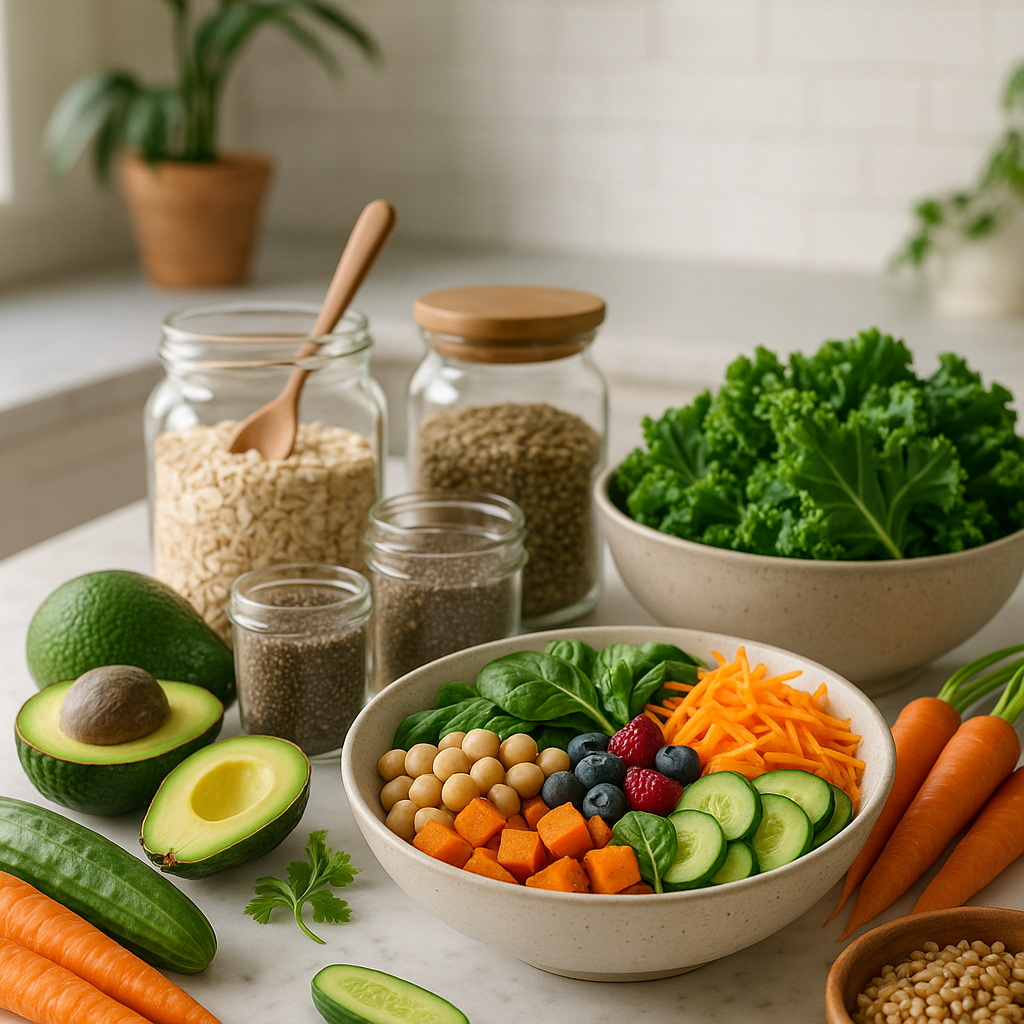
In practical terms, fiber-maxxing means building meals around ingredients that keep you full and support the digestive system. Think organic oats with berries, lentils with vegetables, chia pudding, roasted sweet potatoes, leafy salads with seeds, or brown rice bowls topped with beans and avocado. The goal is not to eat only fiber, but to make fiber the foundation of your meals.
The organic part matters too. Choosing organic foods can help reduce exposure to certain pesticides and often encourages a more mindful way of shopping and cooking. Combined with high-fiber ingredients, the result is a style of clean eating that feels modern, balanced, and far more sustainable than chasing a one-week detox.

Why Fiber Is the Missing Key in Modern Diets
Many modern diets are calorie-rich but fiber-poor. Ultra-processed snacks, refined grains, sugary drinks, and takeout meals can fill you up temporarily without giving your digestion much work to do. The result is a pattern many people recognize: a full stomach, but no real satiety, and a body that still seems to want something more.
Fiber changes that pattern in several ways. Soluble fiber helps slow digestion and supports steadier blood sugar. Insoluble fiber adds bulk and helps move waste through the digestive tract more efficiently. Together, they help the gut do its job with less strain, which is one reason fiber is now at the center of so many healthy lifestyle conversations.
Gut health has become one of the most talked-about wellness topics for good reason. Your gut is connected to digestion, energy, immune support, and even the way you experience cravings. When the diet is low in fiber, gut bacteria do not get enough of the fuel they prefer. When the diet becomes richer in fiber foods, the entire ecosystem can start working more smoothly.
That is why the fiber-maxxing organic diet feels so relevant in 2026. It is not just about looking leaner. It is about improving how you feel from the inside out, using foods that are simple, familiar, and easy to keep in rotation for the long term.

Benefits of Fiber-Rich Organic Eating
Better Digestion
One of the most immediate benefits of eating more fiber is a calmer, more regular digestive rhythm. Organic vegetables, fruits, legumes, and whole grains provide the material your digestive system needs to move food along efficiently. Many people notice less heaviness after meals, more consistent bathroom habits, and less of that uncomfortable, overstuffed feeling.
Natural Weight Loss Support
Fiber-rich meals tend to be more filling than low-fiber meals with the same calorie count. That matters because satiety is one of the biggest challenges in healthy eating. When meals include fiber foods, you are less likely to graze endlessly or chase snacks an hour later. Over time, that can support natural weight loss without making you feel deprived.
Stable Energy
Instead of the sharp rise and crash that can follow sugary or refined meals, fiber helps create a slower, steadier release of energy. That means fewer afternoon slumps and fewer moments when you feel like you need caffeine just to stay functional. Pairing organic fiber foods with protein and healthy fats creates a much more balanced fuel source.
Reduced Cravings
Cravings often get louder when meals are too light, too processed, or too low in fiber. A fiber-maxxing organic diet helps reduce those ups and downs by keeping you satisfied longer and supporting more stable blood sugar patterns. For many people, this is the difference between constantly fighting hunger and feeling naturally in control around food.

Top Organic High-Fiber Foods
Chia Seeds
Chia seeds are small but powerful. Just a spoonful can add texture, fiber, and a satisfying gel-like consistency to smoothies, yogurt bowls, and overnight oats. They are one of the easiest ways to upgrade breakfast without making it complicated. Organic chia seeds are especially popular in 2026 because they work beautifully in prep-ahead meals.
Oats
Organic oats remain a classic for a reason. They are comforting, affordable, and incredibly versatile. Whether you prefer overnight oats, warm porridge, or baked oat cups, oats bring slow-digesting fiber to the table. Add cinnamon, berries, nut butter, or seeds to turn them into a balanced meal that keeps you full for hours.
Leafy Greens
Spinach, kale, arugula, romaine, and Swiss chard may not seem dramatic, but they are essential in a fiber-maxxing organic diet. Leafy greens add volume, micronutrients, and a refreshing lightness to meals. They work well in salads, wraps, soups, and grain bowls, making them easy to include every day.
Berries
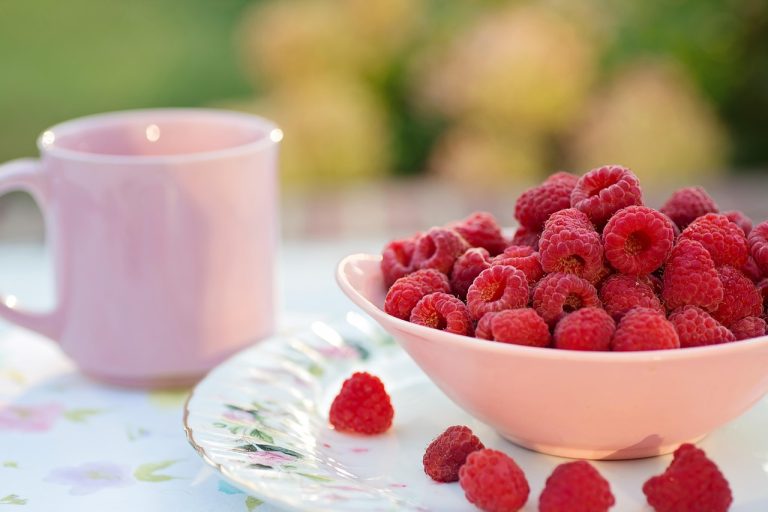
Blueberries, raspberries, blackberries, and strawberries deliver sweetness with a fiber advantage. They are one of the best organic fruits for people who want a dessert-like flavor without leaning on sugary snacks. Berries also pair well with oats, yogurt, chia pudding, and smoothie bowls, making them a go-to in clean eating routines.
Legumes
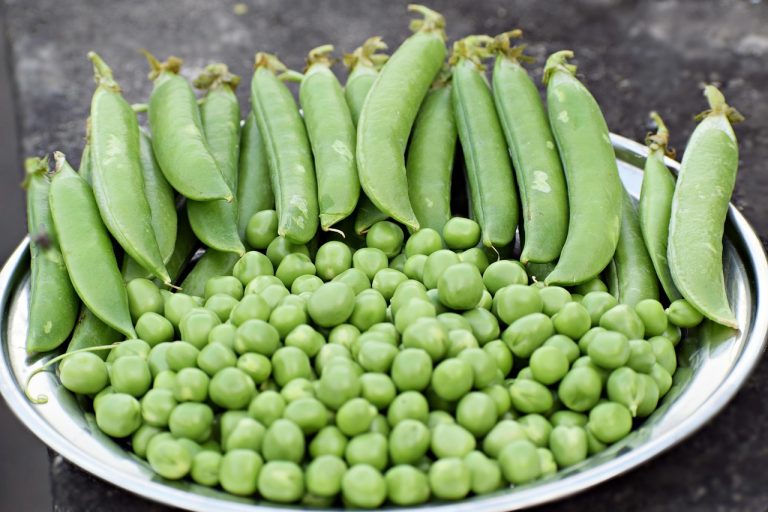
Beans, lentils, chickpeas, and peas are fiber all-stars. They bring protein and structure to meals while helping you stay satisfied. In a healthy lifestyle plan, legumes are especially useful because they can anchor soups, salads, tacos, wraps, and grain bowls. They are one of the smartest foods for people who want natural weight loss without feeling underfed.

7-Day Fiber Organic Meal Plan
A good fiber-maxxing plan should feel realistic, not rigid. The goal is to create meals you could actually repeat in normal life. This 7-day approach keeps organic ingredients front and center while gradually increasing fiber in a way that supports digestion and energy instead of overwhelming your system.
Day 1
Start with overnight oats made with chia seeds, organic oats, and blueberries. For lunch, try a quinoa bowl with leafy greens, cucumber, chickpeas, and olive oil. Dinner can be baked salmon or tofu with roasted broccoli and sweet potato. Keep snacks simple: an apple, carrot sticks, or a handful of walnuts.
Day 2
Blend a green smoothie with spinach, banana, flaxseed, and unsweetened yogurt. At lunch, have lentil soup with whole-grain toast and a side salad. For dinner, make a brown rice bowl with black beans, avocado, and salsa. If you need something sweet, choose raspberries with a spoonful of nut butter.

Day 3
Breakfast can be chia pudding topped with strawberries and pumpkin seeds. Lunch works well as a roasted vegetable wrap with hummus and greens. For dinner, choose a stir-fry with tofu, mushrooms, carrots, and brown rice. If cravings hit in the afternoon, reach for a pear or a small bowl of edamame.
Day 4
Make a warm bowl of oats with cinnamon and chopped apple in the morning. Lunch can be a large salad with kale, quinoa, lentils, cucumber, and tahini dressing. Dinner can be a vegetable soup with beans and a side of whole-grain crackers. This is a gentle day that keeps fiber high without feeling heavy.

Day 5
For breakfast, try yogurt with berries, chia seeds, and sliced almonds. Lunch can be a chickpea and vegetable grain bowl with avocado. For dinner, roast Brussels sprouts, carrots, and potatoes alongside a protein of your choice. A kiwi or orange after dinner can satisfy a sweet craving while adding more fiber.
Day 6
Start with a smoothie bowl made from frozen berries, spinach, and flaxseed. At lunch, make bean tacos with cabbage slaw and salsa. For dinner, serve baked tempeh or chicken with barley and steamed green beans. If you want a snack, keep it easy with cucumber slices and hummus or an organic apple.
Day 7
Finish the week with scrambled eggs or tofu scramble, whole-grain toast, and sautéed greens. Lunch can be a hearty minestrone-style soup loaded with beans and vegetables. For dinner, make a simple pasta bowl using whole-grain pasta, tomato sauce, mushrooms, and a side salad. The idea is to end the week feeling nourished, not restricted.

Foods to Avoid
Fiber-maxxing is not about perfection, but there are certain foods that work against the goal. Ultra-processed foods often contain refined flour, added sugar, and very little fiber, which means they can spike hunger without delivering real nourishment. When these foods become the base of your diet, gut health and energy usually suffer.
Sugary snacks are another common obstacle. They are easy to overeat, and they rarely leave you satisfied for long. A cookie or candy bar may feel like a quick fix, but it often sets off a cycle of wanting more sugar soon after. If you are trying to support natural weight loss, this cycle can make progress feel frustratingly slow.
Low-fiber junk food deserves special attention because it can crowd out the meals that actually help. White bread, refined pastries, and heavily processed convenience foods may be tasty, but they do not offer the same satiety or gut support as whole foods. The good news is you do not need to banish everything. You just need to make the higher-fiber choice the default more often.

Common Mistakes People Make
The biggest mistake in a fiber-maxxing plan is increasing fiber too fast. If your body is used to low-fiber meals, jumping suddenly into giant salads, huge bean portions, and multiple seed-based meals can lead to bloating and discomfort. A better strategy is to increase slowly so your digestion can adapt.
Another mistake is forgetting water. Fiber works best when it has enough fluid to move through the digestive system comfortably. If you raise your fiber intake without drinking more water, you may actually feel more sluggish instead of more energized. Hydration is not an optional side note; it is part of the plan.
People also sometimes focus on fiber alone and ignore balance. A healthy meal still needs protein, healthy fats, and enough calories to keep you satisfied. Fiber is the foundation, but not the entire house. When the meal is balanced, cravings calm down and energy becomes much more reliable.

Pro Tips for Best Results
Keep your meals simple at first. You do not need complicated recipes to get the benefits of an organic diet. A bowl of oats, a grain bowl with beans, or a salad with seeds can be enough to make a real difference. Simplicity makes the habit easier to repeat, and repetition is where results begin.
Pro Tip: Increase fiber gradually and drink more water.
This one habit can make the entire trend feel easier. Add one new fiber-rich food at a time, and give your body a few days to adjust. Pair each increase with extra water, herbal tea, or hydrating foods like cucumbers and oranges. That small adjustment helps you avoid discomfort while supporting better digestion.
Pay attention to how you feel after meals. The goal is not just a lower number on the scale. It is calmer digestion, fewer cravings, and a stronger sense of steady energy. When you notice those signs, you know the plan is working in a deeper way.
Finally, make fiber part of your routine instead of treating it like a short project. Use organic grocery staples you genuinely enjoy. Keep berries in the freezer, oats in the pantry, beans in the cupboard, and greens in the fridge. The more available your fiber foods are, the more naturally this healthy lifestyle will stick.

Frequently Asked Questions
What does fiber-maxxing mean?
Fiber-maxxing means intentionally increasing your fiber intake with whole, fiber-rich foods. In the 2026 wellness world, it usually refers to building meals around organic foods such as vegetables, fruits, legumes, oats, seeds, and whole grains. It is a realistic clean eating strategy, not a strict detox.
Is the fiber-maxxing organic diet good for weight loss?
Yes, it can support natural weight loss because fiber helps you feel full for longer and may reduce the urge to snack constantly. It is not a magic fix, but it can make it easier to eat less without feeling deprived. When combined with balanced meals and regular movement, it becomes a very practical approach.
How much fiber should I eat each day?
Needs vary, but many adults do well when they gradually move toward a higher-fiber pattern through fruits, vegetables, beans, seeds, and whole grains. If you are increasing your intake, start slowly and let your body adapt. The best target is the one you can maintain comfortably and consistently.

Can too much fiber cause bloating?
Yes, especially if you increase it too quickly or do not drink enough water. That is why the most sustainable approach is gradual. Your gut microbiome needs time to adjust, and some people notice temporary bloating before things improve. Slow changes usually feel much better than sudden ones.
What are the best fiber foods for beginners?
Start with easy, familiar options like oats, berries, apples, leafy greens, carrots, lentils, and chia seeds. These foods are versatile and simple to work into meals you already enjoy. Beginners often do best when they choose one or two fiber foods per meal instead of trying to overhaul everything at once.

Is this just another detox trend?
No. Fiber-maxxing is different because it focuses on nourishment rather than restriction. There is no need to cut entire food groups or rely on extreme rules. The emphasis is on creating a long-term organic diet that supports gut health, stable energy, and a healthier relationship with food.
The fiber-maxxing organic diet is popular because it solves a modern problem with a practical answer. People want to feel lighter, clearer, and more energetic, but they do not want a plan that disappears after two weeks. By choosing more fiber foods, more organic meals, and more consistency over perfection, you build a healthy lifestyle that feels grounded in real life. That is what makes this trend so powerful: it is simple enough to start today, and sustainable enough to still be helping you months from now.
About the Author