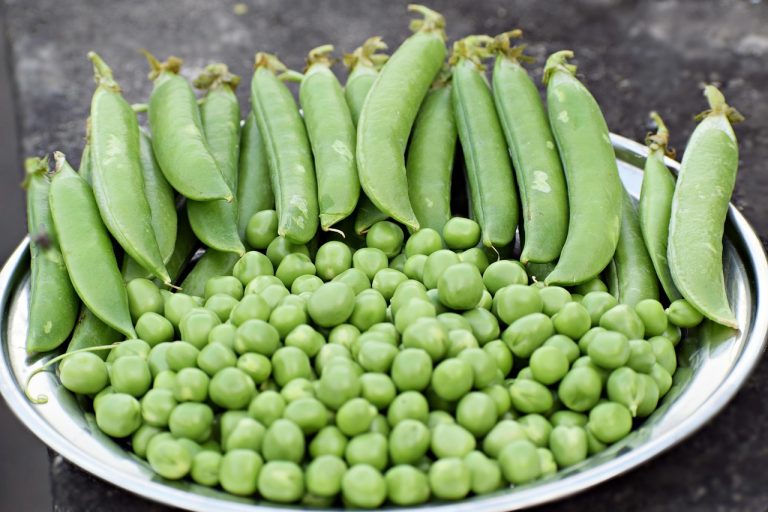

People often search for a healthier life in the most complicated places: strict rules, expensive supplements, extreme detox diets, and weight loss promises that sound almost too good to be true. But what if the real answer is much simpler? What if the shift your body has been waiting for starts with the food on your plate, the quality of your ingredients, and the way you build everyday meals? That is where organic food enters the conversation, not as a trend, but as a practical foundation for clean eating, steady energy, and sustainable natural weight loss.
Organic food has moved far beyond a niche label in specialty stores. For many health-conscious readers, it represents a smarter way to eat: fewer synthetic pesticides, more mindful sourcing, and a stronger connection to whole, minimally processed ingredients. Yet organic food is not just about what is excluded from farming. It is also about what is encouraged in the body when meals are built from foods that are fresh, balanced, and nourishing. Could your healthy diet become easier to follow when your kitchen starts reflecting that principle?
In this guide, we will explore how organic food can support a healthy lifestyle, why it fits naturally into clean eating habits, what it really means for weight loss, and how to avoid the myths that often confuse people trying to eat better. You will also find practical shopping tips, meal-building strategies, and realistic habits that make wellness feel less like a punishment and more like a long-term upgrade.
[IMAGE: organic vegetables]
What Organic Food Really Means for Your Body and Lifestyle
When people hear the term organic food, they often think only of produce. In reality, organic labeling can apply to a wide range of foods, including grains, dairy, eggs, meat, packaged pantry items, and even beverages. The key idea is that the food is produced according to standards that limit synthetic chemicals, genetically modified ingredients in many regions, and certain conventional farming practices.
But the true value of organic food goes deeper than labels. Many people choose organic because they want a simpler, cleaner eating pattern built around ingredients that feel closer to nature. That can make grocery shopping more intentional and meal preparation more thoughtful. If you have ever asked yourself, “Why do I feel better when I cook at home with real ingredients?” the answer may have to do with the quality of your food environment, not just your calories.
The difference between organic and just “healthy”
Healthy food is a broad category. A highly processed granola bar, for example, may be marketed as healthy even if it contains added sugars and refined oils. Organic food, however, usually signals a different standard of production. That does not mean every organic item is automatically ideal for your healthy diet, but it does mean you are more likely to find whole-food options with fewer artificial additives.
Think of it this way: organic food is not a magic label, but it can be a strong filter. It helps you choose ingredients that are less likely to be heavily altered before they reach your plate. In a world where so much of modern eating is built around convenience, that filter matters.
Why quality matters in a healthy lifestyle
A healthy lifestyle is not built on one perfect meal. It is shaped by repeated choices that either support or drain your energy. Choosing organic food often leads to a wider pattern of mindful eating: more fruits and vegetables, fewer ultra-processed snacks, better home cooking, and more respect for your body’s signals. That shift can influence everything from digestion to cravings to meal satisfaction.
When food quality improves, many people notice they feel more in control. They are not constantly chasing the next energy crash or calorie-heavy comfort meal. Instead, the body starts responding to nourishment in a more stable way. Isn’t that what a sustainable healthy diet should feel like?
How Organic Food Supports Clean Eating Without Extreme Rules
Clean eating has become a popular phrase, but it is often misunderstood. Some people turn it into a rigid system of “good” and “bad” foods. That approach can backfire quickly, leading to guilt, stress, and binge eating. A more balanced view of clean eating focuses on choosing foods that are minimally processed, nutrient-dense, and easy for the body to recognize and use.
Organic food fits naturally into this philosophy because it often overlaps with whole foods: fresh produce, legumes, eggs, plain yogurt, nuts, seeds, and grains. But the goal is not perfection. The goal is to create a food routine that feels clear, satisfying, and realistic.
What clean eating should actually look like
Instead of obsessing over every ingredient, clean eating should help you answer a few practical questions:
- Does this meal contain real food I can identify?
- Is it balanced enough to keep me full and focused?
- Is this something I can actually maintain during a busy week?
- Does it support my healthy lifestyle instead of sabotaging it?
If the answer is yes, you are already moving in the right direction. Clean eating does not have to be restrictive to be effective. In fact, the most sustainable version usually includes flexibility, variety, and enough enjoyment to keep you coming back.
Why “less processed” often feels better
Highly processed foods can be convenient, but they often come with a hidden cost: less fiber, less satiety, more sugar, more sodium, and a tendency to trigger overeating. Organic food does not automatically eliminate all processing, but it often encourages a return to simpler ingredients. That can help you build meals that are more satisfying and less likely to send your appetite into overdrive.
Imagine replacing a packaged snack cycle with a plate of organic vegetables, a lean protein, and a healthy fat. What changes? You may feel fuller longer, your energy may remain steadier, and your desire for constant snacking may decrease. That is the power of clean eating done well.
Natural Weight Loss Starts with Better Food Quality, Not Punishment
Many people approach weight loss as a battle against food. They slash calories aggressively, cut out entire categories, and chase rapid results that are difficult to maintain. Natural weight loss works differently. It focuses on creating an environment where your body can regulate hunger, energy, and metabolism more effectively. Organic food can support that process by making it easier to eat nutrient-dense meals without relying on empty calories.
Why does this matter? Because weight loss is not only about eating less. It is about eating in a way that helps you stay satisfied while gradually supporting a healthier body composition. Foods that are rich in protein, fiber, and micronutrients tend to do that best.
How organic food can support weight management
Organic food may help weight loss indirectly through better food choices. When you shop the outer aisles for fresh produce, eggs, plain dairy, whole grains, beans, and natural proteins, you often reduce your intake of highly processed items that are easier to overconsume. The result is a pattern of eating that feels lighter, cleaner, and more stable.
Here are a few ways that can help:
- More fiber: Organic fruits, vegetables, legumes, and whole grains can support fullness and digestive health.
- Better portion awareness: Whole foods are often easier to portion because they are less engineered for hyper-palatability.
- Reduced mindless eating: When meals are more satisfying, snacks tend to become more intentional.
- Improved meal structure: Organic cooking often encourages a balanced plate with protein, produce, and healthy fats.
That does not mean organic food guarantees weight loss. Calories still matter, meal balance still matters, and lifestyle habits still matter. But if your goal is natural weight loss that feels sustainable rather than punishing, better food quality can make the process much easier.
Can organic food help curb cravings?
Sometimes, yes. Many cravings are not just about “willpower.” They can be linked to blood sugar swings, poor meal composition, dehydration, stress, or not eating enough protein and fiber. When meals are built around organic whole foods, especially vegetables, lean proteins, and healthy fats, your hunger cues may become more stable. That can reduce the urge to reach for sugary or ultra-processed foods in the late afternoon or evening.
Of course, cravings can also be emotional. But even then, a nourishing food routine can make a difference. If you have ever noticed that a protein-rich breakfast helps you snack less, you already understand how food quality changes behavior.
Building a Healthy Diet Around Organic Foods
The best healthy diet is one that supports your body and fits your real life. It should not require a chef, a perfect schedule, or an unlimited grocery budget. It should be practical, delicious, and adaptable. Organic food can be the centerpiece of that plan when you use it strategically rather than trying to make everything organic overnight.
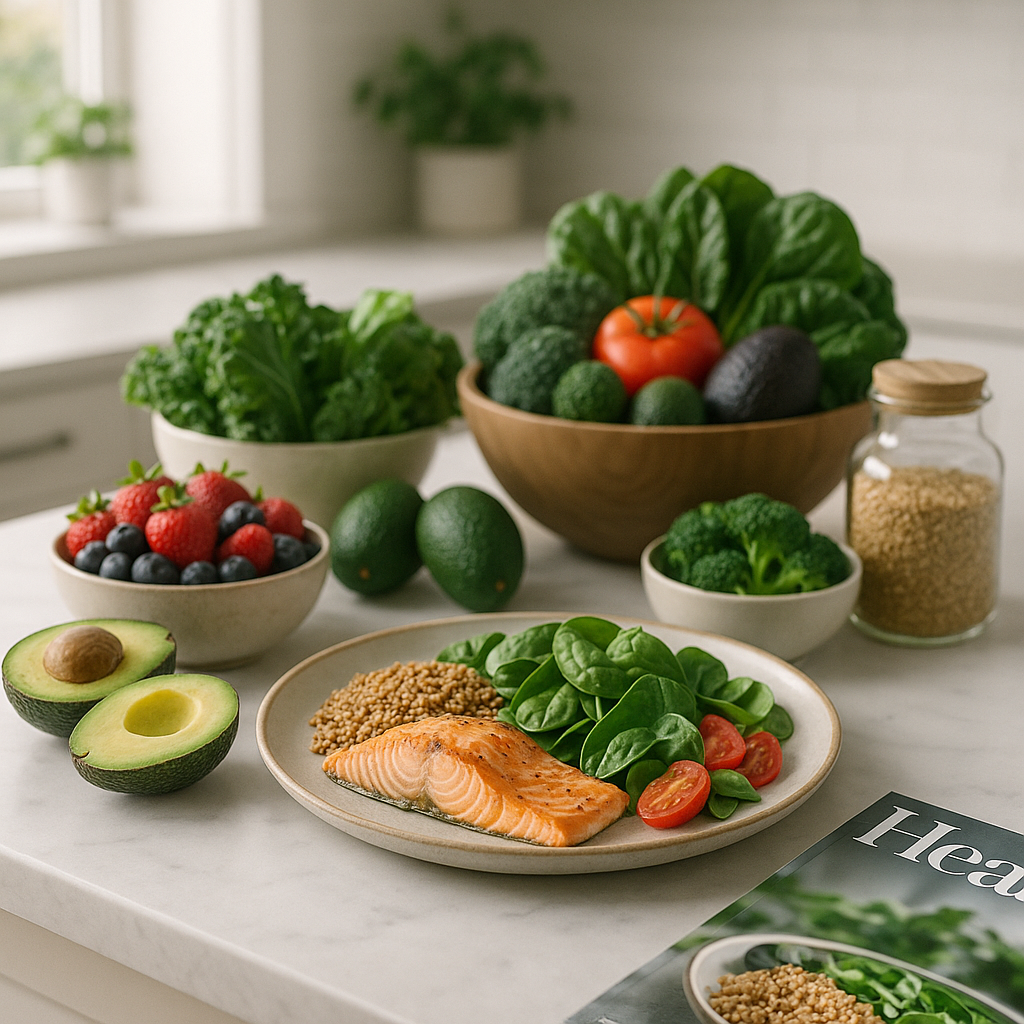
[IMAGE: healthy meal]
Start with the most important foods
If buying everything organic feels overwhelming, begin with the foods you eat most often and the items most likely to be the foundation of your meals. Many people choose to prioritize:
- Leafy greens
- Berries
- Apples
- Tomatoes
- Peppers
- Milk and yogurt
- Eggs
- Oats and grains
- Chicken, turkey, and lean proteins
This approach helps you get the biggest impact without unnecessary stress. A healthy diet is built over time, one decision at a time, not through all-or-nothing shopping habits.
Use the plate method for balance
A simple and effective way to structure meals is the plate method:
- Half the plate: organic vegetables and fruits
- One quarter: protein such as eggs, fish, chicken, tofu, or beans
- One quarter: whole grains or starchy vegetables
- Small amount: healthy fats such as olive oil, avocado, nuts, or seeds
This method is useful because it supports fullness without requiring you to count everything. It also helps with clean eating by emphasizing balance instead of extremes. Want to stay energized through the afternoon? Want to reduce the post-lunch slump? A balanced plate is one of the most reliable strategies available.
Smart pantry swaps that feel effortless
A healthy lifestyle becomes easier when your kitchen supports your goals. Consider replacing a few ultra-processed staples with cleaner, more versatile organic options:
- Swap sugary cereal for organic oats with berries and seeds
- Swap flavored yogurt for plain organic yogurt with fruit and cinnamon
- Swap refined snack bars for nuts, fruit, and hard-boiled eggs
- Swap packaged frozen meals for batch-cooked organic grain bowls
- Swap sugary drinks for water, herbal tea, or sparkling water with citrus
These swaps do not require dramatic changes. They simply make your environment more supportive. And when your environment changes, your habits often follow.
Detox Diet Myths: What Works and What Does Not
The word detox appears everywhere in health marketing, but it is often used loosely. The body already has sophisticated detox systems: the liver, kidneys, digestive tract, lungs, and skin all help process and remove waste. No juice cleanse can replace those systems, and no detox diet can undo weeks of poor habits in a single afternoon.
Still, many people search for detox solutions because they want to feel lighter, clearer, and more in control. That desire is understandable. The good news is that you can absolutely support your body’s natural detoxification processes through everyday choices, and organic food plays a role here too.
What a real “detox” looks like
A real detox-supportive routine is not about starvation. It is about removing excess and adding nourishment. Ask yourself: Am I giving my body enough hydration, fiber, sleep, and micronutrients? Am I reducing the intake of highly processed foods, excess alcohol, and added sugar?
That is where organic vegetables, fruits, herbs, legumes, and whole grains can help. They provide antioxidants, fiber, and nutrients that support the body’s own cleansing functions. This is much more effective than extreme detoxes that leave you tired, irritable, and ready to overeat the moment they end.
Signs a detox diet is too extreme
Be cautious if a detox plan:
- Promises rapid fat loss in just a few days
- Eliminates entire food groups without a clear reason
- Relies heavily on juices or supplements
- Leaves you weak, dizzy, or obsessively hungry
- Feels impossible to maintain in normal life
A healthy diet should improve your life, not shrink it into a temporary challenge. The best detox is a daily pattern of clean eating, good hydration, sleep, and organic food choices that keep your system running smoothly.
How to Shop for Organic Food Without Overspending
One of the most common objections to organic food is cost. It is true that some organic items are more expensive, but a smart shopping strategy can make them far more accessible. You do not need a luxury budget to eat well. You need priorities, planning, and a little flexibility.
Shop seasonally and locally
Seasonal produce is often fresher, tastier, and more affordable. Local organic farms, farmers markets, community-supported agriculture programs, and store-brand organic lines can all help you save money. If you buy what is in season, you may also enjoy better flavor and a more varied diet throughout the year.
Why pay more for a bland tomato in winter when you could wait for a seasonal option that tastes better and may cost less? This is where healthy eating becomes smarter, not harder.
Use the “priority list” method
Some shoppers find it helpful to create a personal organic priority list. Focus your budget on the foods you eat most often or those most important to you. For example:
- Priority 1: foods eaten daily, such as milk, eggs, oatmeal, and apples
- Priority 2: foods eaten several times a week, such as berries, spinach, and chicken
- Priority 3: occasional items, such as snacks, specialty condiments, or frozen treats
This method helps you stay realistic. A healthy lifestyle is about consistency, and consistency is easier when the rules are flexible.
Read labels with confidence
Organic food labels can be useful, but they are not the only thing to check. Look at the ingredient list, sodium content, added sugars, and serving size. A product can be organic and still not be the best choice for daily use.
Ask yourself:
- Does this food support my goals?
- Is it mostly whole ingredients?
- Would I feel good eating this regularly?
Those questions can help you shop with more clarity and less marketing influence.
Meal Ideas That Make Clean Eating Delicious
Clean eating should never feel like a punishment. If your meals are bland, repetitive, or boring, you are less likely to stay consistent. The good news is that organic food can be the starting point for meals that feel vibrant, comforting, and satisfying. You do not have to eat like a “diet person.” You can eat like someone who genuinely enjoys food and wants it to work for the body.
Breakfast that supports energy
Try one of these combinations:
- Organic oats with blueberries, chia seeds, and almond butter
- Vegetable omelet with organic eggs and sliced avocado
- Plain organic yogurt with fruit, walnuts, and cinnamon
A balanced breakfast can make the entire day easier. When your morning meal includes protein, fiber, and healthy fat, you are less likely to face a mid-morning crash.
Lunch that keeps you satisfied
Lunch should not be an afterthought. It should be a strategic meal that helps you stay focused and avoid overeating later. Consider:
- Organic quinoa bowl with roasted vegetables, chickpeas, and tahini
- Chicken salad with mixed greens, cucumbers, tomatoes, seeds, and olive oil dressing
- Brown rice bowl with salmon, broccoli, and lemon herb sauce
These meals provide structure without rigidity. They are nourishing, colorful, and easy to batch prep for the week.
Dinner that feels comforting and clean
Evening meals are where many people overdo calories or rely on takeout. Having a few go-to options makes all the difference:
- Organic vegetable stir-fry with tofu and whole-grain rice
- Roasted chicken with carrots, sweet potatoes, and leafy greens
- Lentil soup with a side salad and whole-grain bread
[IMAGE: fitness lifestyle]
Do you notice a pattern here? The meals are not extreme. They are simply real food, prepared in a way that respects hunger and flavor at the same time.
Habits That Make Organic Eating Stick
Even the best healthy diet will fail if the habits around it are chaotic. Meal planning, grocery routines, hydration, sleep, and movement all influence whether organic food becomes part of your lifestyle or just a short-lived experiment. Small systems can create big results.
Prep once, eat well all week
Set aside a few hours each week to make your healthy diet easier:
- Wash and store produce
- Cook a grain or two in advance
- Prepare one or two proteins
- Make a simple dressing or sauce
- Portion snacks into containers
When healthy food is easy to grab, you are much more likely to choose it. Convenience is not the enemy of wellness; it can actually support it when used wisely.
Hydrate like it matters, because it does
People often confuse thirst with hunger. Drinking enough water can support digestion, energy, and appetite control. Herbal teas, water-rich fruits, and soups can also contribute to hydration. If you are aiming for natural weight loss, this habit alone can make a meaningful difference.
Pair food with movement
A healthy lifestyle is not only about eating. Gentle, regular movement helps regulate mood, improve insulin sensitivity, and support weight management. A walk after lunch, a strength session before dinner, or a stretching routine in the morning can complement your clean eating plan.
It is not about punishing workouts. It is about building a body that feels capable and strong. Food and movement work best together.
Common Organic Food Mistakes to Avoid
Many people start strong with organic food and clean eating, then get discouraged because of a few avoidable mistakes. The goal is not to be perfect. The goal is to learn quickly and keep going.
Assuming organic means unlimited
Organic cookies are still cookies. Organic chips are still chips. Organic sweetened drinks are still sweetened drinks. These products can fit occasionally, but they should not replace the foundation of a healthy diet. Remember: organic does not always mean low-calorie, low-sugar, or nutrient-dense.
Ignoring total meal balance
Some people focus so much on buying organic produce that they forget protein and healthy fats. Then they feel hungry soon after eating and blame the diet. A meal that is mostly vegetables may be healthy, but if it is not balanced, it may not be satisfying enough.
Try to build each meal with three anchors: protein, fiber, and fat. That simple structure can improve satiety and help with natural weight loss over time.
Going too hard too fast
Switching your entire pantry overnight can feel exciting, but it often leads to burnout. Start with a few weekly meals, then expand. Replace one snack. Try one breakfast. Add one new vegetable. Sustainable change is usually built in layers.
What matters more: a dramatic reset that lasts two weeks, or a steady routine that supports you all year? The answer is obvious when you think about long-term health.
Who Benefits Most from an Organic, Clean Eating Approach?
Almost anyone can benefit from a healthier food routine, but certain people may notice especially strong results when organic food becomes a regular part of their diet.
Busy professionals
If your workday is filled with stress and fast decisions, simple organic meals can reduce reliance on vending machine snacks, delivery apps, and late-night overeating. A few reliable staples can keep your energy more stable.
Families
Parents often choose organic food because they want to feel confident about what their household is eating. Kids also tend to respond well to colorful fruit, simple proteins, and easy homemade meals when those foods are presented consistently.
People focused on natural weight loss
If your goal is gradual, realistic weight loss, organic food can help by making whole-food eating more appealing and more repeatable. It is not a shortcut, but it is a strong support system.
Anyone rebuilding energy and habits
If you feel stuck in a cycle of low energy, sugar crashes, or inconsistent eating, a more organic, whole-food-based approach can be grounding. It creates a clearer framework for daily decisions.
Practical 7-Day Organic Reset You Can Actually Follow
Instead of chasing a strict detox diet, consider a gentle 7-day reset built around organic food and clean eating. The purpose is not to be perfect. It is to create momentum.
Day 1: Simplify breakfast
Choose one balanced breakfast using organic oats, eggs, yogurt, or fruit. Keep it easy.
Day 2: Add one extra vegetable serving
At lunch or dinner, double your vegetables or add a side salad.
Day 3: Replace one packaged snack
Swap a processed snack for fruit, nuts, hummus, or plain yogurt.
Day 4: Cook one meal at home
Prepare a simple dinner with organic ingredients and enough protein to feel satisfying.
Day 5: Hydrate more intentionally
Carry a water bottle and notice how often thirst has been showing up as hunger.
Day 6: Build a better plate
Use the plate method at least once today and observe how full and balanced you feel.
Day 7: Plan next week
Choose three meals you will repeat. Simplicity is a powerful wellness tool.
This kind of reset can be more effective than a dramatic detox diet because it teaches habits you can keep using. And habits are what create lasting change.
How Organic Food Fits Into a Premium Healthy Lifestyle
At its best, organic eating is not about restriction. It is about elevation. It elevates the quality of the food you prepare, the attention you give to your meals, and the respect you show for your body’s needs. That is why organic food fits so naturally into a premium healthy lifestyle. It feels intentional. It feels thoughtful. It feels like care.
A premium healthy lifestyle is not defined by expensive products alone. It is defined by clarity. You know what you are eating. You know how it makes you feel. You know how to make small choices that add up. That mindset is often what separates short-term dieting from lifelong wellness.
And when clean eating becomes less about rules and more about rhythm, your entire relationship with food can improve. Meals become more enjoyable. Grocery shopping becomes more purposeful. Weight loss becomes less frantic. Energy becomes steadier. Isn’t that the kind of change most people are really looking for?
The next time you plan your meals, remember that you do not need a perfect system to start feeling better. You need a few high-quality ingredients, a little structure, and the willingness to keep going. Explore more healthy lifestyle ideas, organic food tips, and natural weight loss strategies throughout DietOrganic, and let each meal become another step toward a cleaner, stronger, more energized version of you.
About the Author