
Gut health has become one of the most important conversations in modern nutrition, and for good reason. When your digestive system is working well, everything tends to feel easier: meals sit better, energy is steadier, cravings are less intense, and your healthy lifestyle feels more sustainable. That is why so many people are turning to organic food as a practical way to support digestion, reduce unwanted bloat, and build a cleaner daily routine that may also support weight loss over time. But what exactly should you eat, and how do you make a gut-friendly plan that feels realistic rather than restrictive?
In this guide, we will explore how organic food can fit into a clean eating routine built around digestive comfort, balanced nutrition, and long-term wellness. You will learn which organic foods are especially helpful for the gut, how to combine them into satisfying meals, and what habits can make your routine easier to maintain. If you have ever wondered why some people seem to thrive on simple whole foods while others feel sluggish after even a small meal, the answer often starts in the digestive system.
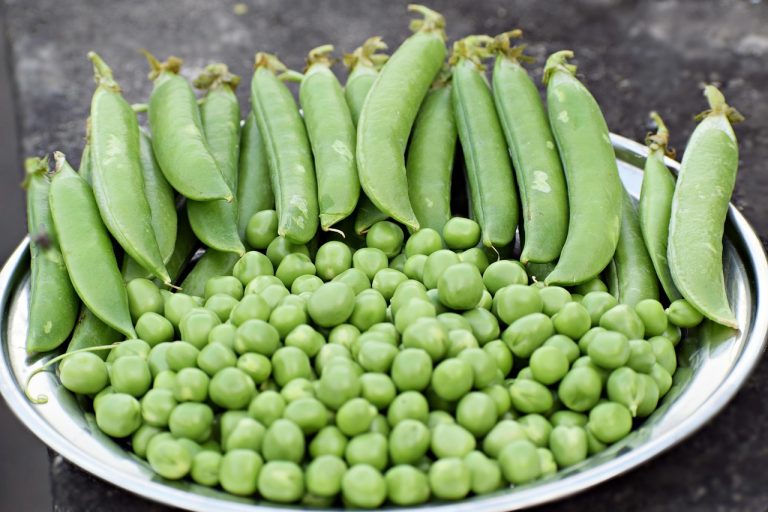
[IMAGE: organic vegetables]
Why Gut Health Matters More Than You Think
Your gut does far more than process food. It helps absorb nutrients, supports immune function, influences mood, and plays a major role in how energized or fatigued you feel throughout the day. When digestion is sluggish or irritated, it can affect appetite, sleep quality, skin appearance, and even motivation. A healthy gut is not a luxury; it is a foundation for a strong body and a steady mind.
This is one reason organic food has such strong appeal in a health-focused kitchen. Many people prefer organic produce and minimally processed organic staples because they want fewer synthetic pesticide residues and a more natural approach to nutrition. While no single food can “fix” digestion overnight, the right pattern of eating can make a remarkable difference. Could your current routine be working against your gut without you realizing it?
A gut-friendly plan does not require perfection. It requires consistency, variety, and an emphasis on foods that are easy to digest, rich in fiber, and supportive of beneficial bacteria. When you choose organic ingredients with care, you are not just filling your plate; you are creating an environment in which your digestive system can function more smoothly.
How Organic Food Supports a Clean Eating Lifestyle
Clean eating is often misunderstood as a strict diet, but in reality it is about choosing foods that are closer to their natural state and easier for the body to process. Organic food fits beautifully into that philosophy because it often encourages more whole fruits, vegetables, legumes, grains, nuts, seeds, and clean proteins while reducing highly refined products that can slow digestion and trigger cravings.
For many people, clean eating becomes more enjoyable when the food tastes fresh and feels satisfying. Organic vegetables tend to be the star of the plate, but organic dairy, eggs, beans, oats, and fermented foods can also be part of a nourishing routine. The goal is not just to eat “healthy”; the goal is to eat in a way that your body can truly use.
Here are a few reasons organic food can be a valuable part of a gut-conscious clean eating approach:
- It encourages more whole foods and fewer ultra-processed items.
- It can support higher fiber intake, which is essential for regular digestion.
- It often pairs well with anti-inflammatory and detox diet principles.
- It helps build meals that feel light yet satisfying, which may help with weight loss.
- It naturally shifts attention toward nutrition quality instead of empty calories.
That does not mean organic food is magical or that non-organic foods are always unhealthy. It means the clean eating mindset can make it easier to choose meals that are gentle on the gut, rich in nutrition, and aligned with a healthier lifestyle.
The Best Organic Foods for Gut Health
Not all healthy foods have the same effect on digestion. Some foods are especially useful for feeding beneficial bacteria, supporting regularity, and easing bloating. Below are the organic foods worth keeping on your weekly shopping list if gut health is your priority.
Organic leafy greens
Spinach, kale, arugula, romaine, and Swiss chard are all excellent choices. They are rich in fiber, chlorophyll, magnesium, and antioxidants, which may support digestion and help the body maintain a natural detox rhythm. Leafy greens are also easy to add to smoothies, soups, omelets, and grain bowls.
If you want a simple rule, aim to include at least one leafy green daily. Are you getting enough greens to keep your digestion moving well?
Organic berries
Blueberries, raspberries, strawberries, and blackberries provide fiber and polyphenols that help nourish gut-friendly bacteria. They are naturally sweet but not overly heavy, making them an ideal snack or breakfast topping. Because berries are frequently consumed with the skin intact, many people prefer buying organic when possible.
Organic apples and pears
These fruits are especially valuable for digestion because they contain soluble fiber that helps support smooth bowel function. Their natural sweetness also makes them a useful alternative to processed desserts. Eating them with the skin on can increase fiber intake even further, as long as you wash them well.
Organic oats
Oats are one of the best breakfast foods for steady energy and digestive comfort. They contain beta-glucan, a type of soluble fiber that can help support healthy cholesterol levels and a more balanced gut environment. Choose plain organic oats and build from there with berries, seeds, and unsweetened yogurt for a meal that feels nourishing without being heavy.
Organic fermented foods
Fermented foods deserve a special place in any gut health discussion. Organic yogurt, kefir, sauerkraut, kimchi, miso, and tempeh can introduce beneficial bacteria and support microbial diversity. Start slowly if you are not used to fermented foods, especially if your digestive system is sensitive. A small serving can be enough to make a difference over time.
Organic chia seeds and flaxseeds
These small seeds are nutritional powerhouses. They are rich in fiber and can help add bulk to stools, support regularity, and keep you full longer. Chia seeds gel when mixed with liquid, which makes them great for puddings and smoothies. Ground flaxseed is especially useful for digestion because it is easier to absorb.
Organic ginger and turmeric
These anti-inflammatory ingredients can be added to teas, soups, roasted vegetables, and smoothies. Ginger is known for its calming effect on the stomach, while turmeric is often included in a detox diet because of its antioxidant profile. When used consistently, they can help create meals that feel warming, soothing, and balanced.
Organic avocado
Avocado provides fiber and healthy fats, which help meals feel satisfying while supporting nutrient absorption. It is especially useful in a clean eating plan because it pairs well with eggs, salads, whole-grain toast, and grain bowls. If you are trying to lose weight, healthy fats like avocado can still be part of the plan when portions are sensible.
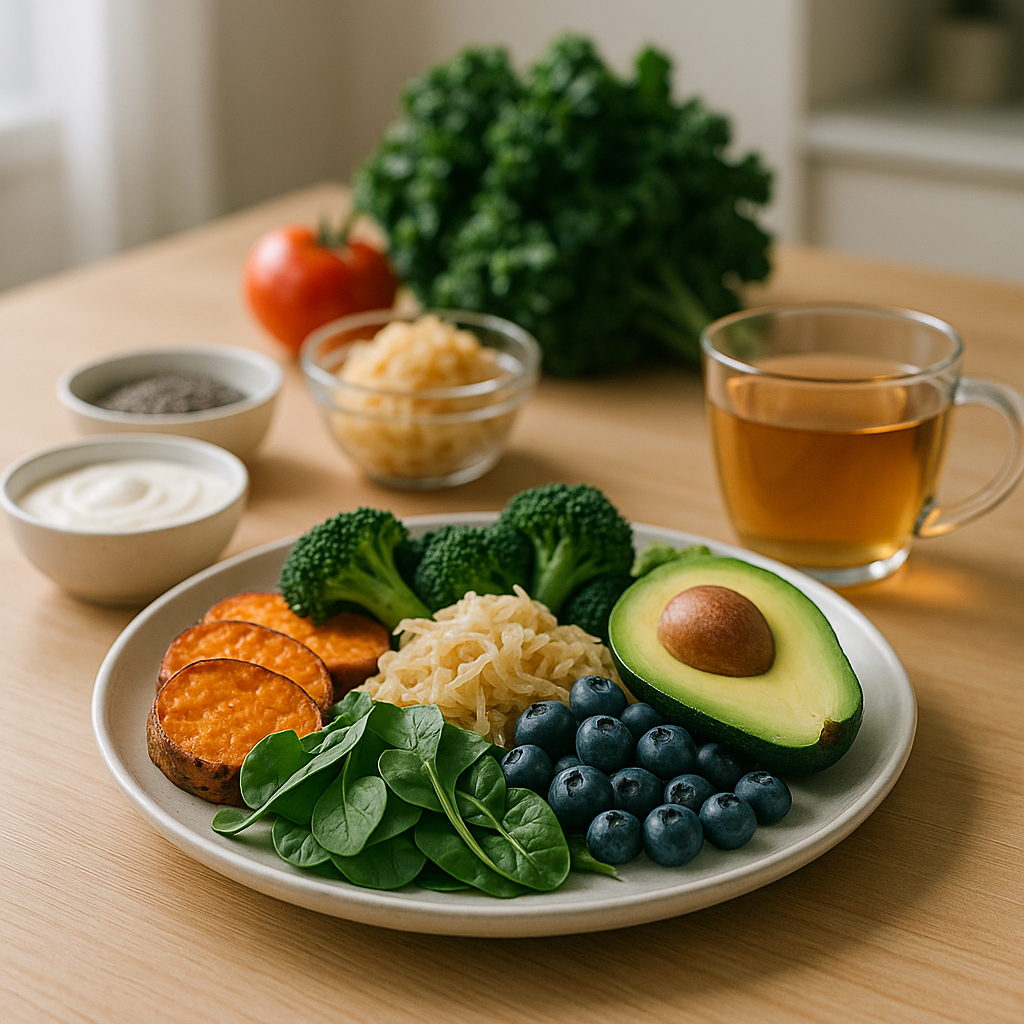
[IMAGE: healthy meal]
Foods That Can Help You Feel Lighter and Less Bloated
Many people searching for gut-friendly meals are also trying to reduce bloating and support weight loss. Those goals often overlap because the same habits that improve digestion can also help you feel lighter and more comfortable in your body. The key is to choose foods that are easy to digest, hydrating, and naturally rich in nutrients.
Consider including the following in your organic food rotation:
- Cucumber, celery, and zucchini for hydration and lightness
- Papaya and pineapple in moderation for digestive enzymes
- Cooked carrots and squash for gentle fiber
- Bone broth or vegetable broth-based soups for easy digestion
- Plain yogurt or kefir for probiotics if dairy works well for you
- Herbal teas such as peppermint, fennel, or ginger after meals
It is also important to pay attention to how your body responds to certain foods. Some people thrive on legumes, while others need smaller portions. Some digest raw vegetables well, while others feel better with lightly cooked greens. Clean eating is not about following someone else’s perfect template; it is about learning what helps your body feel its best.
How Organic Food Can Support Weight Loss Without Extreme Restriction
Weight loss becomes much more manageable when the focus shifts from punishment to nourishment. Instead of asking, “What should I cut out?” ask, “What foods help me feel satisfied, energized, and in control?” This mindset makes room for organic food in a way that supports the body rather than stressing it.
Organic foods can support weight loss because they often encourage:
- Higher fiber intake, which helps with fullness
- Better meal quality, which reduces mindless snacking
- More protein-rich whole foods
- Fewer refined sugars and artificial additives
- More stable blood sugar, which may reduce cravings
For example, a breakfast built around organic oats, seeds, and berries may keep you full far longer than a pastry or sugary cereal. A lunch with organic greens, beans, avocado, and a simple vinaigrette can feel satisfying without leaving you sluggish. When your meals are balanced, your body is less likely to ask for constant snacks.
Of course, sustainable weight loss depends on total eating patterns, movement, sleep, and stress management. But food quality matters. A clean eating approach built around organic ingredients can make it easier to stay consistent, and consistency is where real results are built.
Building a Gut-Friendly Organic Plate
When you are busy, the easiest way to simplify healthy eating is to use a plate formula. This removes guesswork and helps you create meals that support both digestion and energy.
The ideal structure
- Half the plate: non-starchy vegetables such as leafy greens, zucchini, broccoli, cauliflower, or cucumber
- One quarter of the plate: organic protein such as eggs, yogurt, tofu, tempeh, lentils, chicken, or fish
- One quarter of the plate: complex carbohydrates such as oats, quinoa, brown rice, or sweet potato
- Healthy fat: avocado, olive oil, nuts, seeds, or tahini
This structure works because it balances fiber, protein, and fat, which helps digestion stay steady and can support healthy weight management. It also makes meals look abundant and colorful, which makes clean eating feel more enjoyable.
If you want to take it one step further, try preparing your meals in advance. Meal prep does not have to be elaborate. A few containers of roasted organic vegetables, cooked grains, and a protein source can transform an entire week.
Organic Meal Ideas for Better Digestion
One of the best ways to stay consistent is to have a few dependable meal ideas that fit your routine. Below are examples of organic food combinations that work well for gut health, clean eating, and steady energy.
Breakfast ideas
- Organic oats with berries, chia seeds, and cinnamon
- Greek yogurt with flaxseed, walnuts, and sliced pear
- Veggie omelet with spinach, mushrooms, and avocado
- Green smoothie with kale, banana, ginger, and unsweetened kefir
Lunch ideas
- Quinoa bowl with roasted vegetables, chickpeas, and tahini dressing
- Salad with organic greens, salmon, cucumber, pumpkin seeds, and olive oil
- Lentil soup with carrots, celery, turmeric, and herbs
- Whole-grain wrap with hummus, spinach, avocado, and shredded vegetables
Dinner ideas
- Baked organic chicken with sweet potato and steamed broccoli
- Tempeh stir-fry with ginger, zucchini, and brown rice
- Vegetable soup with beans and a side of fermented sauerkraut
- Grilled fish with asparagus, quinoa, and lemon
[IMAGE: fitness lifestyle]
Smart Snacking for a Healthier Gut
Snacking is not the enemy. In fact, smart snacks can prevent overeating at meals and keep your energy steady. The key is choosing organic snack foods that deliver fiber, protein, or healthy fats rather than sugar-heavy convenience items that can disrupt digestion.
Better snack choices include:
- Apple slices with almond butter
- Plain yogurt with berries
- Carrot sticks with hummus
- A small handful of nuts and seeds
- Cucumber slices with guacamole
- Chia pudding made with unsweetened milk
Ask yourself: are you snacking because you are truly hungry, or because your meals are not filling enough? That one question can reveal whether you need a better meal structure or just a more strategic snack.
What to Limit if You Want Better Digestion
Supporting gut health is not only about what you add. It is also about what you reduce. Some foods can make digestion feel sluggish or uncomfortable, especially when they are eaten frequently or in large amounts.
Try to limit the following:
- Highly refined sugar and desserts
- Deep-fried foods
- Ultra-processed snacks
- Excessive alcohol
- Large portions of heavy creamy sauces
- Artificially sweetened drinks if they upset your stomach
This does not mean you need a rigid detox diet or a fear-based approach. Instead, think of it as creating more room for foods that help your body thrive. When your meals are built around organic food and whole ingredients, there is often less desire for the foods that leave you feeling drained later.
Hydration, Sleep, and Stress: The Hidden Side of Nutrition
Digestion is not controlled by food alone. Water intake, sleep quality, and stress levels all play major roles in how your gut functions. If you are eating all the right foods but still feel off, it may be time to look beyond the plate.
Hydration
Water helps move fiber through the digestive tract and can reduce the chances of constipation. Herbal teas and mineral-rich broths can also support hydration. Start the day with water before coffee if possible, and keep a bottle nearby during work or travel.
Sleep
Sleep affects hunger hormones, inflammation, and recovery. Poor sleep can make cravings stronger and digestion less predictable. A healthy lifestyle is not just about food choices; it is about allowing your body to restore itself.
Stress
Stress can change gut motility and make symptoms like bloating or discomfort worse. Even simple practices such as walking after meals, breathing deeply, or taking a short break before eating can help your nervous system settle. A calm body often digests better than a rushed one.
A Simple 3-Day Organic Gut Reset
If you want a practical starting point, a short reset can help you reconnect with clean eating without feeling overwhelmed. This is not a crash detox diet. It is a simple way to focus on digestion-friendly meals for a few days and observe how your body responds.
Day 1
- Breakfast: oats with berries and chia
- Lunch: greens, quinoa, cucumber, avocado, and chickpeas
- Dinner: baked fish, zucchini, and sweet potato
- Snack: yogurt with flaxseed
Day 2
- Breakfast: vegetable omelet with spinach and herbs
- Lunch: lentil soup with carrots and celery
- Dinner: tempeh with brown rice and steamed broccoli
- Snack: apple with nut butter
Day 3
- Breakfast: smoothie with kefir, banana, ginger, and kale
- Lunch: salad with salmon, pumpkin seeds, and olive oil dressing
- Dinner: chicken with roasted vegetables and quinoa
- Snack: cucumber with hummus
Use this as a template, not a rigid plan. The goal is to feel lighter, more energized, and more in tune with your body. If something bothers your digestion, adjust it. If a meal leaves you hungry too soon, add more protein or healthy fat. This is where nutrition becomes personal instead of generic.
Common Mistakes People Make with Healthy Eating
Many people try to improve their gut health but accidentally make the process harder. The most common mistake is eating too little, especially when pursuing weight loss. If meals are too small or too low in protein, the body may respond with fatigue, cravings, and irregular digestion.
Another mistake is assuming that every “healthy” product is truly supportive. A label can look clean while the ingredient list tells a different story. Always check for added sugars, refined oils, and overly processed fillers. Organic food can still be processed, so it is worth reading labels carefully.
Other mistakes include:
- Adding too much fiber too quickly
- Ignoring hydration
- Relying too heavily on raw vegetables when cooked ones would feel better
- Skipping protein at meals
- Expecting immediate results from every food change
A healthy lifestyle is built with patience. Your digestive system may need time to adapt as you increase fiber, fermented foods, and water. Give your body time to respond rather than chasing overnight transformation.
How to Make Organic Eating Affordable and Sustainable
One reason people hesitate to commit to organic food is cost. The good news is that a gut-friendly approach does not require an entirely organic pantry overnight. You can prioritize strategically and still make real progress.
Start with the foods you eat most often and the produce that tends to carry more residue or that you use with the skin on. Apples, berries, leafy greens, and herbs are often good candidates. Frozen organic fruits and vegetables can also be budget-friendly and just as useful for nutrition.
To keep the habit sustainable, try these tips:
- Buy in season whenever possible
- Choose store brands with simple ingredient lists
- Use bulk bins for grains, oats, and seeds
- Plan meals around what you already have
- Cook large batches and repurpose leftovers
Clean eating becomes far easier when it fits your budget, schedule, and preferences. A plan that is too expensive or complicated rarely lasts. A simple, repeatable routine usually wins.
Who Benefits Most from a Gut-Focused Organic Diet?
This approach can be helpful for many different people, especially those who feel overwhelmed by cravings, bloating, energy crashes, or irregular digestion. It can also be useful for people who want to lose weight in a way that feels calmer and more nourishing.
You may benefit from this style of eating if you:
- Feel better with simple whole foods
- Prefer clean eating over strict dieting
- Want to improve digestion naturally
- Need more stable energy throughout the day
- Are looking for an approach that supports a healthy lifestyle long term
Still, if you have digestive symptoms that are severe or persistent, it is wise to speak with a healthcare professional. Nutrition can help a great deal, but it should not replace proper medical guidance when needed.
Putting It All Together in Daily Life
The most effective nutrition plan is the one you can actually live with. You do not need to overhaul your entire kitchen in a single weekend. Start with one breakfast, one lunch, and one dinner that you know work for you. Build from there.
Maybe that means replacing a sugar-heavy breakfast with organic oats and berries. Maybe it means adding a side of fermented vegetables to dinner a few times per week. Maybe it means preparing one extra container of vegetables every Sunday so weekday meals feel easier. These small decisions create momentum, and momentum creates results.
As you refine your routine, pay attention to how you feel after eating. Do you have more energy? Less bloating? Better focus? Improved mood? Those responses matter more than chasing a perfect trend or following the latest detox diet. Real progress often looks quiet at first, but it builds quickly when the habits are right.
When organic food, clean eating, and smart nutrition come together, the result is more than a meal plan. It is a lifestyle that supports your digestion, helps you manage weight more naturally, and gives you a stronger sense of control over your wellbeing. The best part is that you do not need to be perfect to benefit from it; you just need to keep choosing foods that make you feel nourished, grounded, and ready to enjoy the life you are building. Explore more articles on DietOrganic to keep refining your healthy routine with practical ideas, expert guidance, and fresh inspiration.
About the Author