
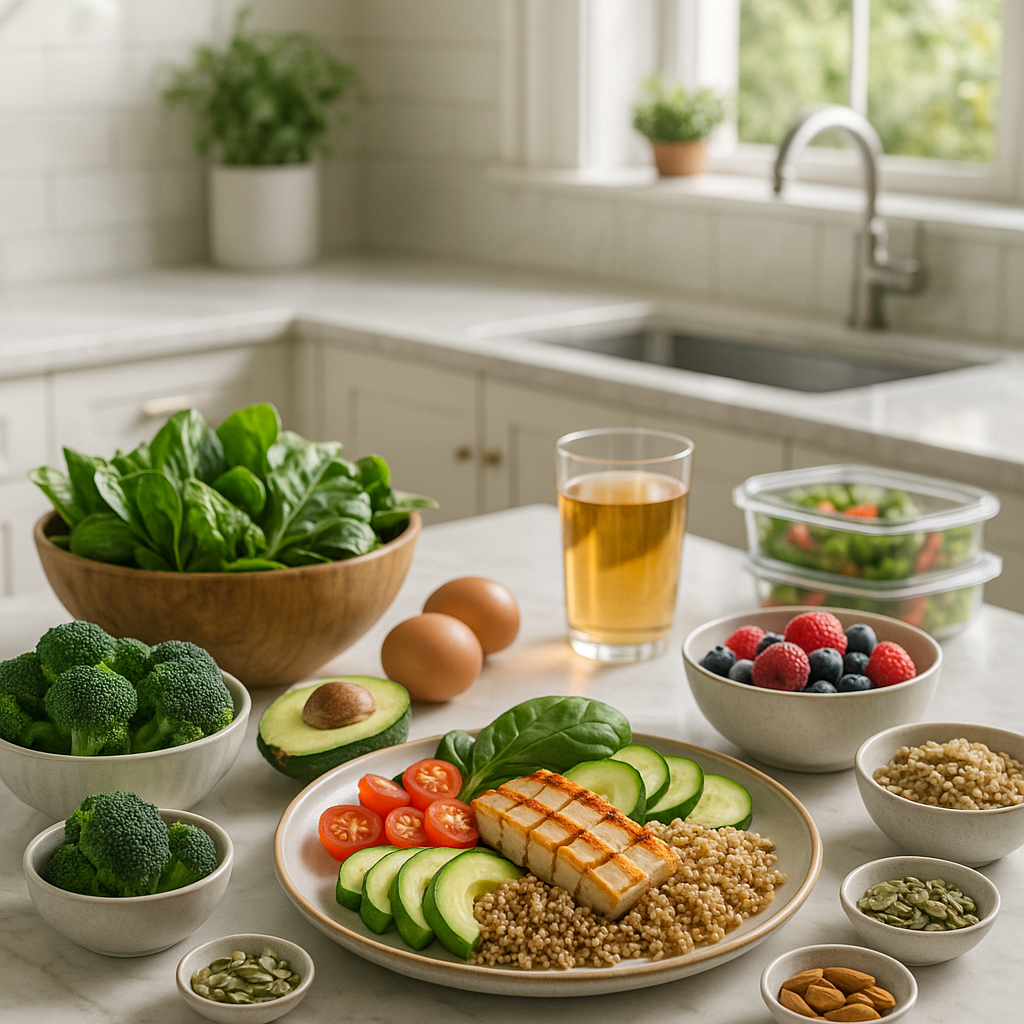
Trying to lose weight does not have to mean living on tiny portions, bland meals, or endless rules that collapse the moment real life gets busy. A more sustainable approach starts with the kind of food you choose every day, and that is where organic food can make a meaningful difference. When you build meals around high-quality organic ingredients, you are more likely to eat fewer empty calories, get better nutrition, and stay satisfied long enough to avoid the snack spiral that often derails progress. Isn’t that the kind of weight loss strategy most people actually want?
Organic eating is not a magic shortcut, and it is not about perfection. It is about creating a healthier environment for your body to do what it already knows how to do: regulate appetite, support metabolism, and maintain energy. If your idea of clean eating has felt vague or too restrictive, this guide will make it practical. You will discover which organic foods are especially helpful for weight loss, how to use them in real meals, and how to turn a healthy diet into a routine that feels natural rather than punishing.
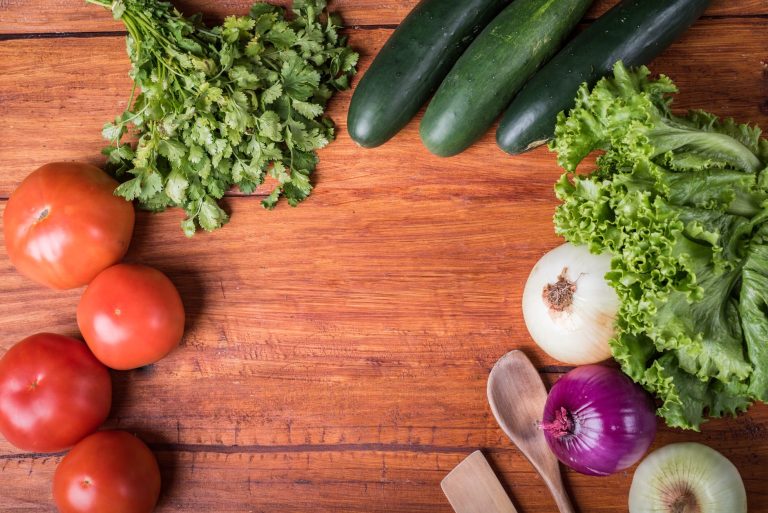
[IMAGE: organic vegetables]
Why organic food can support a smarter weight loss plan
Weight loss depends on a consistent calorie balance, but the quality of those calories matters far more than many people realize. A diet built on organic food often makes it easier to manage hunger, keep blood sugar steadier, and reduce the constant urge to graze. Why? Because whole organic ingredients typically come with more fiber, more water, more flavor, and fewer ultra-processed additives that can trigger overeating.
When you choose foods that are closer to their natural state, you are also choosing a cleaner version of nutrition. That does not mean every organic product is automatically healthy, but it does mean your meals are less likely to be packed with added sugars, refined oils, and synthetic flavor boosters that can confuse appetite signals. For many people, that shift alone is enough to support noticeable progress.
Cleaner ingredients can reduce mindless eating
One of the biggest obstacles to weight loss is not hunger itself, but the ease with which modern foods encourage overconsumption. Organic food, especially when it is minimally processed, tends to be more filling per bite. A bowl of organic berries, a plate of organic vegetables, or a protein-rich meal built from organic ingredients offers volume and nutrients without the calorie density of many packaged foods.
Think about your usual choices. Are they keeping you satisfied for hours, or are they setting you up for another snack within the hour? Clean eating works best when it replaces vague intentions with meals that feel nourishing enough to carry you through the day.
Better satiety can make weight loss more manageable
Satiety is the feeling of fullness that tells your brain you have had enough. Foods with fiber, protein, and healthy fats help strengthen that signal. Many organic foods are naturally high in these qualities, which can make it easier to stay in a calorie deficit without feeling deprived. That is the hidden advantage of a well-planned healthy diet: it does not rely on willpower alone.
Instead of battling cravings all afternoon, imagine eating a breakfast that keeps your energy stable, a lunch that prevents the 3 p.m. crash, and a dinner that satisfies without leaving you sluggish. That is what good nutrition should do.
Organic eating fits naturally into a healthy lifestyle
A healthy lifestyle is built from repeated habits, not temporary intensity. Organic food supports that rhythm because it often encourages better planning, better cooking, and better awareness of what is going onto your plate. When you start selecting more whole foods, you naturally become more intentional about hydration, portion size, and meal timing. Those habits matter just as much as the ingredients themselves.
And if you are also exploring a detox diet, it is worth remembering that the body already detoxifies itself through the liver, kidneys, and digestive system. The goal is not to force a cleanse with extreme rules; the goal is to support those natural systems with real food, enough fiber, and steady nourishment.
The best organic foods for weight loss
Not all organic foods play the same role in a weight loss plan. Some are ideal for adding volume with very few calories, while others help control appetite, stabilize energy, or support recovery after workouts. The best approach is to combine several types of foods so your meals feel balanced, flavorful, and easy to repeat.
1. Leafy greens and cruciferous vegetables
Leafy greens are among the most useful organic foods for weight loss because they give you a lot of nutrition for a small calorie cost. Spinach, kale, arugula, romaine, and Swiss chard are all rich in vitamins, minerals, and antioxidants, yet light enough to build generous portions around. Cruciferous vegetables such as broccoli, cauliflower, Brussels sprouts, and cabbage are also excellent because they add texture and fiber, which can improve fullness.
These vegetables are especially powerful when you want your meals to feel abundant. A large salad, a roasted vegetable tray, or a stir-fry loaded with greens can help you eat more food while keeping energy intake under control. That is one of the most practical clean eating strategies available.
- Use spinach in omelets, smoothies, or warm grain bowls
- Roast broccoli and Brussels sprouts with herbs and a light drizzle of olive oil
- Build lunch salads with romaine, cucumber, radish, and avocado
- Steam cauliflower and mash it as a lower-calorie alternative to potatoes
2. Berries and lower-sugar fruits
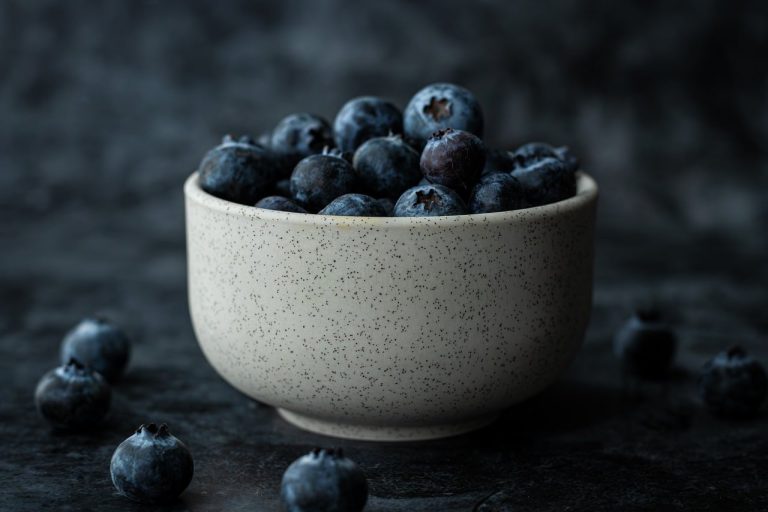
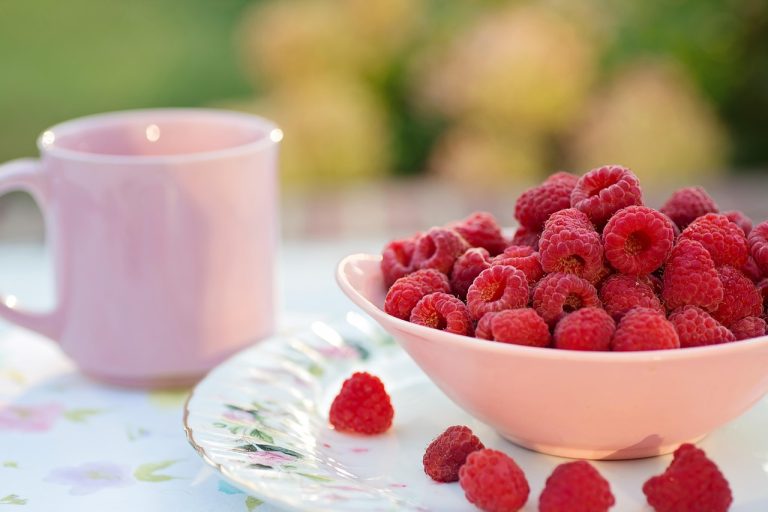
Fruit often gets unfairly blamed in weight loss conversations, but the right choices can absolutely support a healthy diet. Organic berries are especially valuable because they offer natural sweetness, water, fiber, and antioxidants without a heavy sugar load. Blueberries, raspberries, blackberries, and strawberries are all excellent options for satisfying a sweet craving in a more balanced way.
Apples, pears, citrus fruits, and kiwi can also work well when you want a portable snack that feels refreshing instead of heavy. The key is to pair fruit with a source of protein or fat when possible. That combination helps slow digestion and can keep your appetite steadier.
- Top plain Greek yogurt with berries and chia seeds
- Pair an apple with almond butter
- Add citrus segments to salads for brightness and flavor
- Freeze berries for a cool, dessert-like snack
3. Organic protein sources that support satiety
Protein is one of the most important nutrients for weight loss because it helps maintain lean mass while you reduce body fat. It also tends to be the most filling macronutrient, which means a protein-rich meal can help reduce cravings later in the day. Organic eggs, organic Greek yogurt, organic chicken, turkey, wild-caught fish, tofu, tempeh, and legumes can all fit into a clean eating plan.
If your meals are low in protein, you may notice that you feel hungry soon after eating even when you have consumed enough calories. That makes weight loss harder to sustain. A smarter strategy is to build each meal around a protein anchor, then add vegetables, fiber, and a moderate portion of healthy fats.
[IMAGE: healthy meal]
- Scramble organic eggs with spinach and tomatoes for breakfast
- Use grilled organic chicken in lunch bowls or wraps
- Choose plain organic Greek yogurt instead of sweetened flavored versions
- Add tofu or tempeh to vegetable stir-fries for plant-based protein
- Include lentils or chickpeas in salads, soups, and grain bowls
4. Fiber-rich legumes and whole grains
Fiber is a major ally in any healthy diet because it slows digestion, supports the gut, and helps you feel full longer. Organic lentils, chickpeas, black beans, and kidney beans are especially helpful when you want a meal that is satisfying without being overly calorie dense. Organic oats, quinoa, brown rice, and barley can also contribute to better meal structure and more stable energy.
Some people avoid carbs completely when trying to lose weight, but that is often unnecessary. The better question is: which carbs help you feel nourished instead of tired? Whole grains and legumes answer that question well because they come with fiber, protein, and essential nutrients that refined carbohydrates lack.
- Start the day with organic oats topped with fruit and seeds
- Use quinoa as a base for roasted vegetable bowls
- Add beans to salads for extra volume and protein
- Choose lentil soup for a filling lunch or light dinner
5. Healthy fats that help control appetite
Healthy fats are not the enemy of weight loss. In fact, a small amount of fat can make meals more satisfying and help your body absorb fat-soluble vitamins from vegetables. Organic avocado, extra-virgin olive oil, nuts, seeds, tahini, and nut butters can all play a useful role when used in sensible portions.
The challenge is not to eliminate fats, but to respect their calorie density. A spoonful of almond butter or a quarter of an avocado can enhance a meal, while large portions can quietly add up. Portion awareness is what turns a healthy ingredient into a weight loss-friendly one.
- Add sliced avocado to salads and eggs
- Use olive oil as a finishing touch, not a heavy pour
- Sprinkle chia, flax, or pumpkin seeds on yogurt and oatmeal
- Measure nut butters instead of eating directly from the jar
6. Fermented foods that support digestion
When digestion feels off, weight loss can become more frustrating than it needs to be. Organic fermented foods like sauerkraut, kimchi, kefir, and plain yogurt can help support a healthier gut environment and improve the diversity of your daily nutrition. A happier digestive system can make clean eating easier to maintain because you feel lighter, more comfortable, and less bloated.
This is not a quick fix, and it will not replace balanced meals, but it can absolutely complement them. Small daily habits often matter more than dramatic changes. Would you rather rely on a harsh detox diet for three days, or build habits that keep your body functioning well all month?
How to build meals that actually keep you full
A common mistake in weight loss is focusing too much on what to avoid and not enough on what to add. The most effective clean eating meals are usually simple: one protein source, one or two high-fiber vegetables, a thoughtful portion of smart carbohydrates, and a little healthy fat for flavor and satisfaction. That structure supports nutrition without making meals feel restrictive.
Use the plate method for effortless balance
The plate method is a practical way to keep portions in check without counting every bite. Fill half your plate with vegetables, one quarter with protein, and one quarter with smart carbohydrates or starchy vegetables. Then add a small portion of healthy fat if needed. This works whether you are cooking at home, preparing lunch for work, or building dinner after a long day.
- Half the plate: leafy greens, broccoli, peppers, zucchini, or cabbage
- One quarter: eggs, fish, chicken, tofu, beans, or yogurt-based dishes
- One quarter: quinoa, brown rice, oats, sweet potato, or lentils
- Small addition: avocado, seeds, olive oil, or nuts
Meal prep makes clean eating realistic
Healthy eating becomes much easier when your kitchen already contains ready-to-use ingredients. Meal prep does not need to be extreme. You do not have to cook seven identical containers on Sunday to stay on track. Instead, prep the components that save time and remove friction during the week.
For example, wash and chop vegetables, cook one or two proteins, make a grain base, and portion out snacks that support your goals. When healthy food is easy to grab, you are far less likely to default to less nourishing choices.
[IMAGE: fitness lifestyle]
- Roast a tray of vegetables for lunches and dinners
- Cook quinoa, lentils, or brown rice in advance
- Boil eggs or grill chicken for quick protein
- Portion berries, nuts, and yogurt into grab-and-go containers
- Keep salad greens and herbs washed and ready
Healthy snacks can prevent overeating later
Many weight loss plans fail because they ignore the gap between meals. If you wait too long to eat, you may arrive at the next meal overly hungry and more likely to overdo portions. Smart organic snacks can bridge that gap and support a healthier rhythm.
- Apple slices with almond butter
- Plain yogurt with berries and cinnamon
- Carrot sticks with hummus
- Hard-boiled eggs with sea salt and pepper
- A small handful of nuts and seeds
The goal is not to snack constantly. It is to choose snacks that stabilize energy instead of causing another craving cycle. If you feel hungry every afternoon, ask yourself whether your lunch has enough protein and fiber before blaming your willpower.
How organic foods can support a detox diet without extremes
The phrase detox diet is often used in ways that are overly dramatic, but the concept behind it can be useful when it is grounded in reality. Your body is already designed to remove waste and process toxins. What it needs is support, not punishment. That is where organic food, hydration, and a higher intake of fiber-rich produce can make a genuine difference.
Rather than reaching for restrictive juice cleanses, focus on meals that help your digestive system work smoothly. Organic vegetables, fresh herbs, berries, citrus, seeds, and adequate water all help create a more supportive environment for the body’s natural detoxification pathways. In other words, the most effective detox diet is often just clean eating done consistently.
What to prioritize during a reset period
If you want a short period of especially focused eating, make it gentle and nourishing. A healthy reset should leave you energized, not drained. That means including enough calories, enough protein, and enough variety to avoid rebound cravings later.
- Eat more vegetables at each meal
- Increase water intake throughout the day
- Choose whole organic foods over packaged snacks
- Add herbs like parsley, cilantro, and ginger for flavor
- Keep meals simple and easy to digest
Ask yourself a better question than, “What can I cut out?” Instead, ask, “What can I add that makes my body feel lighter, calmer, and more energized?” That shift can completely change your experience of healthy eating.
Common organic diet mistakes that slow progress
Even the best ingredients can work against your goals if they are used without structure. Organic food is powerful, but it is still possible to eat too much, eat too little, or accidentally replace one problem with another. Knowing the common mistakes ahead of time can save you weeks of frustration.
1. Treating organic packaged foods as automatically healthy
Organic cookies, chips, granola bars, and frozen desserts are still processed foods. They may be made with better ingredients, but they can still be high in calories, sugar, and refined starches. If they appear too often in your diet, they can slow weight loss just as much as conventional versions.
Read labels carefully and ask a simple question: is this food supporting my healthy lifestyle, or just wearing a healthier label?
2. Skipping protein and relying on produce alone
Vegetables are essential, but a plate of produce without enough protein may not keep you full. That can lead to snacking, late-night overeating, or obsessive thoughts about food. Protein provides structure to your meals and helps your body maintain muscle while losing fat, which matters for both appearance and metabolism.
3. Ignoring portion size with healthy fats
Avocado toast, nut butters, seeds, and olive oil are excellent in moderation, but they are easy to overeat. If your weight loss has stalled, it may not be the sweet treat you think it is. It may be the extra handful of nuts, the oversized salad dressing portion, or the second helping of a calorie-dense food you assumed was harmless.
4. Expecting a detox diet to do the work for you
No cleanse can replace daily habits. If your plan is to “reset” on Monday and return to chaos on Friday, you will keep repeating the same cycle. Real progress comes from building repeatable nutrition habits that feel normal enough to maintain for months, not days.
5. Not making the kitchen environment work for you
What is inside your refrigerator, pantry, and desk drawer matters. If you keep only convenient processed foods around, you will eat them when energy is low. Set yourself up for success by stocking organic food that is ready to use, easy to prepare, and aligned with your goals.
Simple meal ideas for a clean eating weight loss routine
Knowing what to buy is only part of the equation. The next step is turning those ingredients into meals you will actually want to eat. Variety matters, but so does repeatability. The best healthy diet is one that feels delicious enough to stick with and simple enough to prepare when life gets hectic.
Breakfast ideas that set the tone for the day
A strong breakfast can reduce cravings later and help you avoid the blood sugar ups and downs that make weight loss harder. Choose a combination of protein, fiber, and modest healthy fats.
- Organic Greek yogurt with berries, chia seeds, and cinnamon
- Scrambled eggs with spinach, mushrooms, and tomatoes
- Overnight oats with flaxseed, blueberries, and almond butter
- Tofu scramble with kale, onions, and avocado
Lunch ideas that keep energy steady
Lunch should be satisfying enough to support the second half of the day without causing a midafternoon crash. Keep it colorful and balanced.
- Quinoa bowl with roasted vegetables, chickpeas, and tahini
- Chicken salad with greens, cucumber, celery, and olive oil dressing
- Lentil soup with side greens and a piece of fruit
- Salmon with broccoli and sweet potato
Dinner ideas that feel comforting without being heavy
Many people struggle with dinner because they are tired and vulnerable to convenience foods. That is exactly why simple organic meals matter most at night.
- Baked fish with asparagus and cauliflower mash
- Turkey lettuce wraps with shredded carrots and herbs
- Vegetable stir-fry with tofu over brown rice
- Sheet-pan chicken with Brussels sprouts and carrots
Snack ideas that support a healthy lifestyle
Choose snacks that solve a real problem, such as hunger between meals or a need for a small energy boost. Keep portions intentional.
- Celery with hummus
- Plain kefir with cinnamon
- Cucumber slices with guacamole
- A small handful of walnuts and berries
- Edamame with sea salt
How to make organic eating affordable and sustainable
One of the biggest objections to organic food is cost, and that concern is understandable. But a healthy diet does not need to rely on expensive specialty products. The smartest way to eat organically is to focus on the foods that give you the most nutritional return for your money. That usually means produce, eggs, legumes, oats, and a few high-impact staples rather than a cart full of trendy items.
Buying organic strategically is often easier than trying to make everything organic all at once. Prioritize foods you eat often, foods that are usually eaten with the skin, and foods that fit into your most common meals. When your habits are realistic, they last longer.
Budget-friendly tips that work
- Buy frozen organic vegetables and berries when fresh prices are high
- Use oats, lentils, beans, and eggs as economical staples
- Shop seasonal produce for better flavor and lower cost
- Build meals from a few versatile ingredients instead of many specialty items
- Cook at home more often so you get more value from each ingredient
Affordability matters because a healthy lifestyle should not depend on short-term motivation. If your plan is too expensive, too complex, or too rigid, it will eventually break. A more thoughtful approach is always more effective in the long run.
How exercise and nutrition work together
Weight loss is not just about food, but food is the part that usually has the biggest daily impact. When paired with movement, organic nutrition becomes even more effective. Exercise improves insulin sensitivity, supports muscle maintenance, and helps create the energy balance needed for fat loss. In return, good nutrition gives you the fuel to stay active.
You do not need a punishing workout routine to see results. Walking, strength training, cycling, yoga, and short home workouts can all support a healthy lifestyle when paired with a sensible eating pattern. The goal is consistency, not exhaustion.
- Eat a balanced meal before or after activity to support recovery
- Use protein-rich snacks after workouts if needed
- Hydrate well, especially when increasing movement
- Choose meals that help you feel energized, not sluggish
Have you noticed how much easier it is to move when your meals are lighter, cleaner, and more balanced? That is one of the reasons organic food can feel so transformative. It helps your body work with you, not against you.
Creating a routine you can actually repeat
The real secret behind long-term weight loss is repetition. Not repetition in a boring sense, but repetition in a stabilizing sense. When you know how to make a few organic meals that taste good, digest well, and keep you full, you remove decision fatigue from the process. And that is often what people need most.
Build a routine around a few core behaviors:
- Buy mostly whole organic foods each week
- Prepare one or two proteins ahead of time
- Keep vegetables washed and ready to cook
- Plan snacks before hunger becomes urgent
- Use clean eating principles without obsessing over perfection
- Adjust portions based on hunger, activity, and goals
A healthy diet should feel flexible enough for real life. If you eat out, choose the best available option. If you travel, make the next meal better instead of trying to make the entire day flawless. If you have a celebration, enjoy it and return to your routine the next day. That mindset is far more powerful than guilt.
What progress really looks like
Progress is not just a lower number on the scale. It is waking up with more energy, feeling less bloated, recognizing hunger more clearly, and making food choices without constant mental negotiation. It is noticing that your clothes fit more comfortably because your habits are more consistent. It is having a healthy lifestyle that feels like part of your identity rather than a temporary challenge.
Organic food can support that shift because it brings you closer to the essentials: real ingredients, practical nutrition, and meals that respect your body. When you focus on the best foods for weight loss instead of the most extreme rules, you are much more likely to create change that lasts.
The most effective weight-loss strategy is rarely the most dramatic one; it is the one you can repeat with confidence, using real organic food, balanced nutrition, and clean eating habits that fit your life. If you are ready to keep building a healthy lifestyle, read more expert articles on DietOrganic for recipes, meal ideas, and practical guidance that make healthy eating feel achievable every day.
About the Author