
Your gut does far more than digest dinner. It influences energy, cravings, immunity, mood, skin, and even how efficiently your body manages weight. That is why more people are turning to organic food as the foundation of a clean eating routine that supports better digestion and a healthier lifestyle. If you have ever wondered why one diet leaves you bloated and sluggish while another makes you feel light, clear-headed, and energized, the answer often starts in the gut.
The modern conversation around nutrition has shifted. We are no longer asking only which foods are low in calories. We are asking which foods help the body function better, reduce inflammation, support the microbiome, and make weight loss feel more sustainable. Organic food fits naturally into that conversation because it tends to be closer to its original form, with fewer pesticide residues and less processing. For many people, that difference matters more than they expected.
A gut-friendly organic diet is not about perfection or restriction. It is about creating a pattern of eating that feeds beneficial bacteria, reduces digestive stress, and supports steady energy throughout the day. Why keep chasing temporary fixes when you can build a healthy diet that works with your body instead of against it?
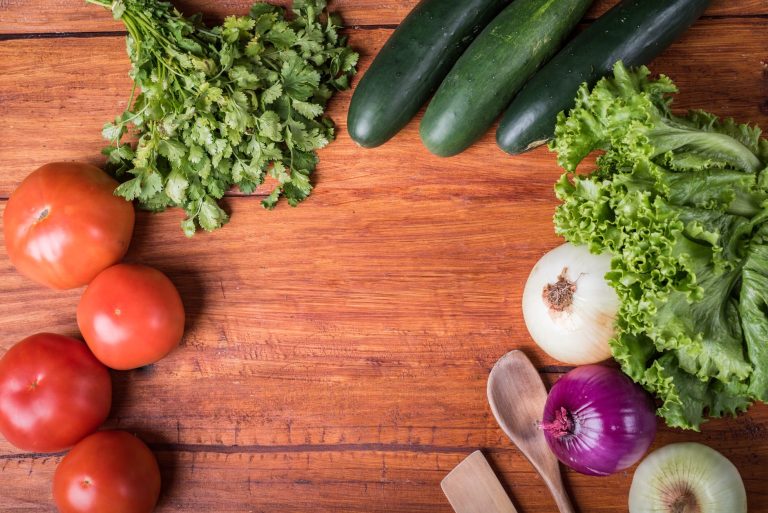
[IMAGE: organic vegetables]
Why Gut Health Deserves Your Attention
The gut is often called the body’s second brain, and for good reason. Inside the digestive tract lives a vast community of microorganisms known as the gut microbiome. These bacteria, fungi, and other microbes help break down food, produce certain vitamins, train the immune system, and protect the intestinal lining. When this ecosystem is balanced, digestion feels smoother and the entire body tends to perform better.
When the gut becomes overwhelmed by poor nutrition, chronic stress, low fiber intake, or highly processed foods, symptoms can show up quickly. Bloating, irregular bowel movements, gas, reflux, fatigue, food sensitivities, and stubborn cravings are all common signs that your digestive system may need support. Could your daily food choices be silently shaping how you feel from morning to night?
An organic food approach can help because it often emphasizes fresh produce, whole grains, legumes, nuts, seeds, and minimally processed ingredients. That combination delivers the fiber, antioxidants, and micronutrients the gut needs to thrive. It also helps reduce dependence on ultra-processed convenience foods that can interfere with digestion and encourage overeating.
What Makes Organic Food Helpful for Digestion?
Organic food is grown and produced according to standards that limit synthetic pesticides, herbicides, genetically modified ingredients, and many artificial additives. While organic does not automatically mean healthier in every single case, it often encourages a cleaner food environment overall. For gut health, that matters because the digestive system is sensitive to both the quality and the composition of what you eat.
Fresh organic fruits and vegetables are usually the centerpiece of a gut-supportive plate. Their fiber helps bulk stool, feed beneficial bacteria, and support regular elimination. Their natural plant compounds can also reduce oxidative stress and inflammation, both of which can affect the digestive tract. When your meals are built around nutrient-dense ingredients, your body does not have to work as hard to extract value from them.
For many people, the shift to organic food also means fewer additives, colorants, preservatives, and emulsifiers from packaged foods. Those ingredients are not always harmful on their own, but frequent intake can create a diet pattern that is harder on digestion. Clean eating becomes easier when the food is recognizable, simple, and satisfying.
Key Gut-Supportive Benefits of Organic Food
- Higher intake of fiber-rich whole foods that support regular digestion
- More antioxidants that help protect the gut lining from stress
- Fewer synthetic pesticide residues in frequently eaten produce
- Less reliance on ultra-processed foods and artificial additives
- Better alignment with a long-term healthy lifestyle
The Connection Between Gut Health and Weight Loss
If weight loss has felt frustrating, your gut may be part of the story. The microbiome influences appetite signals, how well nutrients are absorbed, and the body’s relationship with blood sugar. Certain gut bacteria appear to support better metabolic function, while a less balanced microbiome may be associated with cravings, energy dips, and stronger hunger cues.
This does not mean gut health is a magic switch for fat loss. It means that a thoughtfully designed organic diet can create conditions that make weight loss more manageable. When digestion improves, you may notice that you feel full faster, snack less often, and recover more easily from meals that once left you sluggish. Isn’t it easier to stick to healthy habits when your body actually feels good doing them?
Clean eating also plays a role here. A meal based on organic vegetables, lean protein, healthy fats, and naturally fermented foods tends to support satiety better than a meal built around refined starches and sugary sauces. That improved satisfaction can make calorie control feel less forced and more intuitive.
How Better Digestion Supports Fat Loss
When digestion works efficiently, the body can better regulate appetite and energy. Fiber slows digestion and helps you stay full longer. Protein helps preserve lean muscle mass, which supports metabolism. Healthy fats support hormone balance and can reduce the urge to overeat. Fermented foods may improve microbiome diversity, which can influence everything from cravings to bloating.
In practical terms, that means a healthy diet focused on organic food can help reduce the background noise that often sabotages weight loss. You may not need to fight constant hunger. You may not need to recover from heavy, processed meals. You may simply feel more in sync with your body’s natural rhythm.
The Best Organic Foods for a Healthy Gut
Not all healthy foods contribute equally to gut wellness. Some ingredients are especially valuable because they provide prebiotics, probiotics, and anti-inflammatory compounds that nourish the digestive system from different angles. Building your meals with these foods is one of the simplest ways to support clean eating and long-term wellness.
1. Organic Leafy Greens
Spinach, kale, arugula, romaine, and Swiss chard are rich in fiber, folate, magnesium, and plant compounds that support the digestive tract. Their light structure makes them easy to incorporate into salads, smoothies, omelets, and sautéed dishes. Leafy greens are also a smart choice if you want to build volume into meals without excessive calories, which can support weight loss.
2. Organic Cruciferous Vegetables
Broccoli, cauliflower, Brussels sprouts, and cabbage are especially valuable for gut health because they contain fiber and unique sulfur compounds that support detox pathways. If you are working toward a detox diet centered on real food rather than extremes, these vegetables are excellent staples. They can be steamed, roasted, shredded into slaws, or blended into soups.
3. Organic Berries
Blueberries, raspberries, strawberries, and blackberries are high in antioxidants and fiber. They support a healthy gut environment while adding natural sweetness to meals and snacks. If sugar cravings are a challenge, berries can be a powerful replacement for refined desserts and sweetened snacks.
4. Organic Fermented Foods
Plain yogurt, kefir, sauerkraut, kimchi, and miso can supply beneficial bacteria and fermentation byproducts that support digestion. These foods are not for everyone, especially if you have histamine sensitivity or certain digestive conditions, but for many people they are valuable additions to a healthy lifestyle. Start with small portions and notice how your body responds.
5. Organic Whole Grains
Oats, quinoa, brown rice, and barley provide steady carbohydrates and fiber that help feed beneficial microbes. Whole grains are especially useful when you want a healthy diet that feels satisfying rather than restrictive. They can anchor breakfast bowls, grain salads, and balanced dinner plates.
6. Organic Legumes
Lentils, chickpeas, black beans, and kidney beans are rich in fiber and plant-based protein. They support fullness, stable blood sugar, and a healthier gut microbiome. If you are new to clean eating, legumes are one of the best budget-friendly foods to learn to use well. Rinse them thoroughly and introduce them gradually if you are sensitive to fiber.
7. Organic Seeds and Nuts
Chia seeds, flaxseeds, pumpkin seeds, walnuts, and almonds offer fiber, healthy fats, and minerals like zinc and magnesium. Flax and chia are particularly useful because they can help support regular bowel movements. A spoonful of seeds in breakfast or a snack can make a surprising difference over time.
8. Organic Herbs and Spices
Ginger, turmeric, mint, fennel, cinnamon, and parsley can add both flavor and functional support to the diet. Ginger and mint may ease digestive discomfort, while turmeric is known for its anti-inflammatory properties. Small additions like these often elevate an ordinary meal into something both satisfying and supportive.
What a Gut-Friendly Organic Plate Looks Like
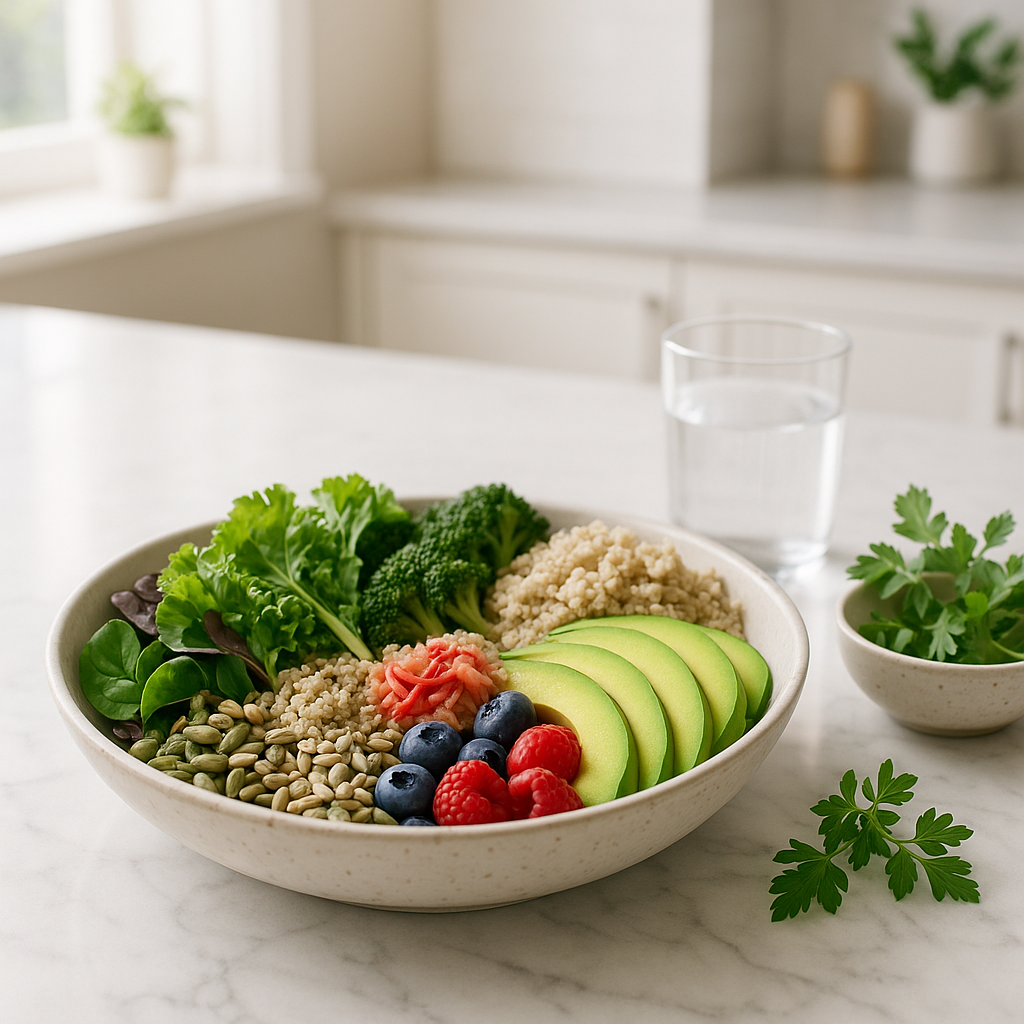
A balanced plate is often more effective than a strict food list because it gives your body a steady mix of nutrients. A gut-supportive meal usually includes fiber, protein, healthy fat, and plenty of color. This structure helps digestion, stabilizes energy, and makes overeating less likely.
Imagine a lunch plate with roasted organic vegetables, quinoa, grilled salmon or chickpeas, olive oil, and a side of sauerkraut. That meal offers texture, satiety, and microbiome support all at once. It is clean eating without the feeling that you are missing out.
[IMAGE: healthy meal]
Simple Formula for a Gut-Supportive Meal
- Start with non-starchy organic vegetables
- Add a quality protein source
- Include a fiber-rich carbohydrate if needed
- Finish with a healthy fat for satisfaction
- Optional: add a fermented food or herb for extra support
This formula works at breakfast, lunch, and dinner. You do not need to reinvent your whole routine. You simply need a reliable structure that keeps your healthy diet easy to follow.
Foods That May Disrupt Gut Health
To improve digestion, it helps to know what tends to create problems. Some foods are not inherently bad, but they become problematic when they dominate the diet. If your goal is better nutrition, more energy, and sustainable weight loss, reducing these foods can make a meaningful difference.
Common Gut Irritants in a Modern Diet
- Ultra-processed snacks with long ingredient lists
- Sugar-sweetened beverages and desserts
- Frequent fried foods
- Artificial sweeteners that cause bloating in some people
- Highly refined grains with little fiber
- Heavy alcohol intake
- Excessive amounts of greasy or creamy fast food
Many people notice that once they reduce these foods, digestion improves almost immediately. Bloating may decrease. Energy may become more stable. Meals may feel lighter and more satisfying. If you have tried to improve your healthy lifestyle through exercise alone, could your food choices be the missing link?
How to Build an Organic Gut Health Routine
Consistency matters more than occasional perfection. A single salad will not transform the microbiome, just as one processed meal will not ruin it. The real progress comes from daily habits repeated over time. A gut-friendly routine should feel realistic, not punishing.
Morning Habits That Support Digestion
Begin the day with water rather than immediately reaching for coffee on an empty stomach if that tends to upset you. Add a breakfast that includes fiber and protein, such as oats with chia seeds and berries, or eggs with sautéed greens and avocado. Gentle movement, even a short walk, can help stimulate digestion and set the tone for the day.
Lunch and Dinner Habits That Support Balance
Try to include vegetables at both lunch and dinner. Choose whole-food proteins like eggs, fish, chicken, tofu, tempeh, lentils, or beans. When possible, use olive oil, herbs, lemon, garlic, ginger, and fresh spices to add flavor without heavy sauces. The more satisfying your meals are, the easier it is to stay committed to clean eating.
Snacking With Intention
Smart snacks can prevent blood sugar crashes and overeating later in the day. Organic apples with almond butter, plain yogurt with berries, hummus with cucumbers, or pumpkin seeds with fruit are simple options that fit a healthy diet. Snacking is not the problem. Mindless snacking on nutrient-poor foods is.
Organic Detox Diet: A Smarter Approach
The phrase detox diet is often used in dramatic ways, but the body already has built-in detox systems. Your liver, kidneys, digestive tract, skin, and lungs work every day to process and remove waste. What you can do is support those systems with nourishing food rather than overloading them with excess sugar, alcohol, and processed ingredients.
An organic detox diet should be understood as a short-term reset or a long-term clean eating style built around whole foods. That means organic vegetables, fruits, herbs, clean proteins, fiber-rich grains, and adequate hydration. It does not mean starvation, juice-only plans, or extreme restrictions that leave you exhausted.
When people adopt a realistic detox diet centered on organic food, they often notice a reduction in heaviness and bloating. They also tend to feel more motivated to keep going because the plan is sustainable. The goal is not to chase a trend. The goal is to support your body with nutrition it can actually use.
Signs a Gentle Detox-Style Reset May Help
- You feel sluggish after meals
- Your cravings seem hard to control
- You rely on caffeine and sugar to get through the day
- You experience frequent bloating or irregular digestion
- Your meals are often processed and low in fiber
If several of these sound familiar, it may be time to simplify your plate and return to basic, nutrient-dense organic food. Small changes can create a surprisingly large shift in how you feel.
A Sample Day of Clean Eating for Gut Health
If you want this to feel practical, it helps to see how an actual day might look. The following sample pattern is not rigid, but it shows how organic food can create a healthy diet that supports digestion, weight loss, and energy without leaving you hungry.
Breakfast
Organic oats cooked with chia seeds, cinnamon, and blueberries, topped with walnuts. Or a vegetable omelet with spinach, mushrooms, and avocado. Both options offer fiber, protein, and healthy fats to stabilize the morning.
Lunch
A large salad with organic mixed greens, cucumber, shredded carrots, roasted broccoli, quinoa, grilled chicken or chickpeas, pumpkin seeds, and olive oil-lemon dressing. This meal is light enough to avoid a midday crash, yet filling enough to keep you focused.
Snack
Plain kefir with berries, or hummus with celery and bell peppers. If you prefer something crunchy, a small handful of almonds with an apple can keep your energy steady.
Dinner
Baked salmon or baked tofu with roasted cauliflower, Brussels sprouts, and brown rice. Add fresh herbs, garlic, and a splash of lemon to brighten the flavor. This style of meal supports recovery and helps you feel satisfied without heaviness.
Optional Evening Wind-Down
Herbal tea such as peppermint, ginger, or fennel can be a calming way to finish the day. Many people find that a warm, caffeine-free beverage supports digestion and helps them avoid late-night snacking.
Healthy Lifestyle Habits That Strengthen Gut Health
Food is the foundation, but it is not the only factor. A true healthy lifestyle includes sleep, movement, hydration, and stress management. These elements all influence digestion and how well the body responds to nutrition. Even the best organic diet can feel less effective if the rest of life is chaotic.
1. Prioritize Sleep
Poor sleep can alter appetite hormones and make cravings harder to manage. It can also affect the gut microbiome. Aim for a consistent sleep schedule, and pay attention to how your digestive comfort changes when rest improves.
2. Move Daily
Physical activity helps stimulate the digestive tract, improve circulation, and support weight loss. You do not need an intense workout every day. Walking, strength training, yoga, cycling, and stretching all contribute to a healthier body. [IMAGE: fitness lifestyle]
3. Manage Stress
Stress can directly influence the gut-brain connection. When stress is high, digestion can slow down or become irregular. Gentle routines, breathing exercises, time outdoors, journaling, and mindful meals can help bring the nervous system back into balance.
4. Hydrate Properly
Water helps move fiber through the digestive tract and supports normal elimination. If you eat more organic vegetables, seeds, and legumes, hydration becomes even more important. Add lemon or cucumber if it helps make water more appealing, but keep the focus on consistency.
Organic Meal Prep Ideas for Easier Clean Eating
One of the biggest barriers to healthy eating is convenience. When you are tired, busy, or stressed, the easiest food usually wins. That is why meal prep is so valuable. It gives you ready-to-eat components that make organic food feel effortless instead of aspirational.
Batch-Cook These Staples
- Roasted organic vegetables like broccoli, carrots, and cauliflower
- Cooked grains such as quinoa, brown rice, or oats
- Protein options like hard-boiled eggs, grilled chicken, baked tofu, or lentils
- Simple dressings made from olive oil, lemon juice, mustard, and herbs
- Snack boxes with fruit, nuts, seeds, and cut vegetables
Once these basics are in your fridge, assembling meals becomes simple. You can create bowls, salads, wraps, and soups in minutes. This is where clean eating becomes realistic. How much easier would it be to stay consistent if your healthiest option was also the most convenient one?
Nutrition Mistakes That Can Weaken Gut Health
Even people with good intentions often make a few common nutrition mistakes. Avoiding them can help you get better results from your organic food plan and reduce unnecessary digestive discomfort.
Too Little Fiber Too Fast
Fiber is essential, but increasing it too rapidly can cause bloating. If your current diet is low in plant foods, build up gradually. Add one serving of vegetables at a time, increase water intake, and let your gut adjust.
Too Much Variety in a Single Meal
A meal with too many ingredients can be harder to digest for sensitive people. Simpler meals are often better, especially when you are trying to identify triggers. Focus on quality, not complexity.
Neglecting Protein
Some clean eating plans overemphasize produce and underemphasize protein. That can leave you hungry and unsatisfied. Protein is essential for metabolism, muscle maintenance, and fullness, all of which matter for weight loss and overall nutrition.
Ignoring Food Sensitivities
Even healthy foods can be troublesome if they do not agree with your body. Dairy, gluten, high-FODMAP vegetables, or fermented foods may need to be adjusted depending on the individual. A healthy diet is personal, not one-size-fits-all.
How to Make Organic Food Affordable
Many people assume organic food is too expensive for daily life, but smart shopping can make it much more accessible. You do not need to buy everything organic overnight. Start with the foods you eat most often or produce that is typically more heavily treated in conventional farming.
Budget-Friendly Shopping Tips
- Buy seasonal produce when prices are lower
- Choose frozen organic fruits and vegetables for convenience and value
- Purchase grains, beans, and seeds in larger bags
- Prioritize organic versions of foods you eat frequently
- Plan meals before shopping to reduce waste
Affordable clean eating is possible when you focus on staples rather than specialty products. A bag of oats, a few vegetables, lentils, eggs, and fruit can create many meals that support digestion and weight loss. Organic food does not have to be luxurious to be effective.
When to Expect Results
Many readers want to know how quickly gut health changes appear. The honest answer is that some improvements can happen within days, while deeper changes often take weeks or months. You may notice lighter digestion, less bloating, better regularity, or fewer cravings fairly quickly once your diet becomes more consistent.
Long-term improvements in the microbiome usually come from repeated habits. That means eating more plant diversity, reducing ultra-processed foods, staying hydrated, and managing stress. The process is gradual, but the results are worth it. Better digestion can become a new normal rather than a temporary peak.
If you have been waiting for the right moment to change your routine, it may already be here. One meal can be the first step toward a cleaner, stronger, more balanced healthy lifestyle.
Choosing organic food for gut health is not just about digestion; it is about creating a foundation that supports weight loss, steady energy, and a calmer relationship with food. When clean eating becomes a habit instead of a chore, your body tends to respond with greater comfort and resilience. The simplest meals, built from real ingredients, often deliver the most lasting value. If this approach resonates with you, explore more articles on DietOrganic and keep building a routine that feels both nourishing and realistic.
About the Author