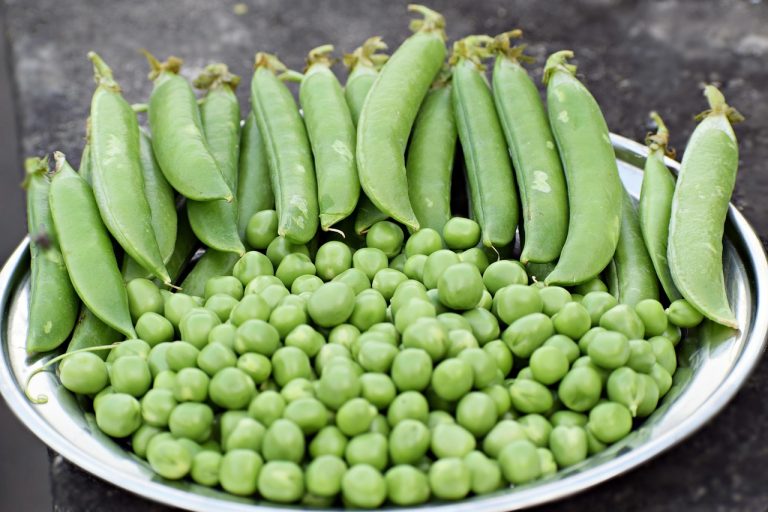


Photo by RDNE Stock project on Pexels
When people talk about clean eating, they often focus on calories, carbs, or the latest wellness trend. But if you want a healthy diet that actually changes how you feel, the conversation should start in the gut. The foods you choose every day can influence digestion, cravings, energy, inflammation, and even how easily your body manages weight loss. That is why organic food has become such a powerful part of modern nutrition: it supports a more intentional way of eating while helping many people simplify their routines and avoid the excess of ultra-processed ingredients that crowd the standard diet.
So what does a gut-friendly organic eating plan really look like? It is not about perfection, and it is not about forcing extreme rules. It is about choosing foods that work with your body instead of against it. Think fresh organic vegetables, fiber-rich fruits, fermented foods, plant proteins, and balanced meals that leave you nourished rather than sluggish. Could something as simple as a better breakfast or a cleaner shopping list make a real difference in your day? For many people, the answer is yes.
[IMAGE: organic vegetables]
Why Gut Health Is the Hidden Driver of Healthy Weight Loss
Most weight loss advice is written as if the body were a simple equation of calories in and calories out. In reality, digestion and the gut microbiome play a much bigger role than many people realize. If your gut is struggling, your body may have a harder time breaking down food efficiently, absorbing nutrients, regulating appetite, and keeping inflammation under control. That can leave you feeling hungry soon after meals, bloated by the afternoon, or tired even when your day is not especially demanding.
The gut microbiome is the community of bacteria and other microorganisms living in your digestive tract. Some microbes support nutrient absorption, produce helpful compounds, and train your immune system to function more smoothly. Others can contribute to imbalance when your diet is low in fiber and high in refined sugar, artificial additives, or heavily processed fats. The goal of a healthy lifestyle is not to eliminate every bad microbe, but to feed the helpful ones well enough that they can thrive.
The Gut Microbiome and Appetite
Have you ever felt like you could not stop snacking, even after a decent meal? Your gut may have had something to do with it. Research suggests that the microbiome can influence hormones related to hunger and fullness, including signals that help the brain understand when you have had enough. When meals are built around organic food that is rich in fiber, protein, and healthy fats, those signals tend to feel more stable. That is one reason people often experience fewer cravings once they shift toward clean eating.
Instead of chasing appetite with restrictive rules, a better strategy is to build meals that are satisfying enough to support steady energy. That means including vegetables, a quality protein source, and a small amount of healthy fat at most meals. The result is a more balanced pattern that can support weight loss without the rebound effect of constant deprivation.
Inflammation, Cravings, and Energy
Digestive imbalance does not always announce itself loudly. Sometimes it shows up as foggy thinking, sugar cravings, skin issues, or a stubborn lack of motivation. When your body is dealing with too much inflammatory stress, everyday tasks can feel heavier than they should. That is where organic food can be useful in a broader nutrition strategy. By emphasizing whole ingredients and minimizing exposure to unnecessary additives, many people find it easier to create a detox diet style of eating without resorting to extreme cleanses or juice-only plans.
A good gut-supporting plan should leave you energized, not deprived. If your meals are too restrictive, your body may respond with more stress and more cravings. If your meals are too processed, your body may never get the raw materials it needs to heal and regulate itself. The sweet spot is a clean eating approach that is practical, nourishing, and sustainable.
What Organic Food Brings to a Clean Eating Plan
Organic food is not magic, but it can be a smart foundation for a healthy diet. In simple terms, organic farming standards limit many synthetic pesticides, fertilizers, and certain additives. For the average reader, this usually translates into a cleaner ingredient profile and a more mindful approach to grocery shopping. When you are trying to improve digestion and support weight loss, that matters more than many people expect.
There is also a psychological benefit. Once people begin prioritizing organic produce, whole grains, pasture-raised eggs, or minimally processed pantry staples, they often become more selective about the rest of their food choices too. That shift can quietly improve nutrition across the week. Instead of a random collection of snacks and convenience items, your kitchen starts to feel like a system designed to support a healthy lifestyle.
Lower Pesticide Exposure and Simpler Ingredient Lists
One reason people prefer organic food is simple: fewer unwanted extras. While no diet can guarantee perfect purity, buying organic for key items may reduce exposure to pesticide residues compared with conventional options. This is especially appealing for people who eat a lot of produce or want to create a cleaner overall routine. When a grocery basket contains mostly whole foods, the ingredient list becomes shorter by default, and that makes healthy choices easier to repeat.
For gut health, simplicity matters. The fewer highly processed ingredients you rely on, the easier it is to notice how your body responds. Do certain foods leave you bloated? Does a breakfast with more fiber help you stay focused longer? Does a clean dinner make sleep feel deeper? These are the questions a good nutrition plan should help you answer.
Organic Food Encourages More Whole Foods
People often start with the label and end up changing the pattern. Once you begin looking for organic vegetables, organic berries, or organic dairy, you naturally move closer to whole foods and farther from packaged convenience products. That is a win for digestion, because highly refined foods tend to be lower in fiber and higher in ingredients that can make appetite regulation harder.
Organic food also pairs beautifully with meal planning. You can build a fridge around a few staple items and create different combinations throughout the week. That means fewer last-minute compromises and fewer meals that leave you feeling heavy. Clean eating becomes less of a challenge and more of a habit.
The Best Organic Foods for Gut Health
Not every organic product will support digestion equally. The most useful choices are usually the ones that deliver fiber, natural probiotics, prebiotics, antioxidants, and balanced macronutrients. If your goal is better gut health and steady weight loss, these categories deserve a place on your grocery list.
Organic Leafy Greens and Cruciferous Vegetables
Spinach, kale, arugula, broccoli, Brussels sprouts, and cabbage all offer a powerful combination of fiber and plant compounds that support a healthy digestive environment. Leafy greens are easy to toss into omelets, soups, smoothies, grain bowls, and salads. Cruciferous vegetables bring crunch and depth to meals while helping you feel fuller for longer.
These vegetables are especially valuable for clean eating because they add volume without excessive calories. If your plate looks generous but still leaves you light and energized, you are more likely to stay consistent. That consistency matters far more than short bursts of perfection.
Organic Berries and Colorful Fruit
Berries are one of the smartest choices for anyone focused on nutrition and weight loss. Blueberries, raspberries, strawberries, and blackberries deliver fiber, antioxidants, and natural sweetness without the same blood sugar impact as many desserts. They are excellent in breakfast bowls, yogurt parfaits, or as a simple afternoon snack.
Fruit is sometimes unfairly treated as the villain in weight loss conversations, but the right kinds of fruit can be deeply supportive of a healthy lifestyle. When eaten in whole form and paired with protein or fat, fruit can help satisfy sweet cravings while still keeping your meals balanced.
Fermented Organic Foods
Fermented foods may be some of the most exciting ingredients in a gut-focused organic diet. Their living cultures can support microbial diversity, which is one reason they are often recommended in digestion-friendly meal plans. Think plain yogurt, kefir, sauerkraut, kimchi, miso, tempeh, and certain cultured vegetables. The key is to look for products with minimal added sugar and simple ingredient lists.
How to Use Fermented Foods Without Overdoing It
If you are new to fermented foods, start small. A tablespoon of sauerkraut or a half cup of kefir may be enough at first. Too much too soon can cause discomfort for people with sensitive digestion. Build gradually, observe how your body responds, and use these foods as accents rather than the entire meal. That is the kind of practical nutrition advice that keeps a detox diet approach gentle rather than extreme.
Organic Prebiotic Foods
Prebiotics are the fibers that feed beneficial gut bacteria. They do not digest in the same way as ordinary carbohydrates, which is exactly why they are so useful. Organic garlic, onions, leeks, asparagus, oats, bananas, and Jerusalem artichokes are all strong prebiotic options. When you eat them regularly, you are essentially feeding the helpful microbes that support digestive resilience.
Prebiotic foods are one of the most underrated tools in clean eating. They are inexpensive, easy to store, and simple to add to familiar meals. A little garlic in a soup or a handful of oats at breakfast can do more for gut health than a fancy supplement routine that is hard to maintain.
Organic Legumes and Whole Grains
Beans, lentils, chickpeas, quinoa, steel-cut oats, and brown rice can all fit into an organic diet when they are prepared well and balanced with other foods. These ingredients supply fiber and slow-digesting carbohydrates that can help stabilize energy through the day. For people trying to lose weight without feeling constantly hungry, this matters a lot.
If legumes have not agreed with you in the past, start with smaller portions and make sure they are cooked thoroughly. The goal is to increase tolerance over time, not to force a major change overnight. Could a bowl of lentil soup or a quinoa salad become a more satisfying choice than the usual takeout option? Often, yes.
[IMAGE: healthy meal]
How to Build a Gut-Friendly Organic Plate
One of the easiest ways to stay consistent is to stop thinking in terms of strict diets and start thinking in terms of plate structure. A gut-friendly organic plate is not complicated. It simply gives your digestive system the balance it needs to function well while keeping meals enjoyable.
A practical plate often includes the following:
- A generous portion of organic vegetables, especially leafy greens and colorful produce
- A quality protein source such as eggs, fish, tofu, tempeh, Greek yogurt, or legumes
- A smart carbohydrate source like quinoa, oats, sweet potato, or brown rice
- A moderate amount of healthy fat from avocado, olive oil, nuts, or seeds
- A small serving of fermented food when tolerated
That structure supports fullness, blood sugar control, and digestive comfort. It also creates a rhythm that makes meal planning easier. Instead of asking whether a food is good or bad, ask whether it helps the plate work as a whole. That question is much more useful for real life.
Sample Organic Breakfast for Energy
A high-quality breakfast can set the tone for the entire day. Try plain organic Greek yogurt topped with blueberries, chia seeds, and a spoonful of walnuts. If you prefer savory options, scrambled eggs with spinach, mushrooms, and a side of avocado can be just as effective. Both choices offer protein, fiber, and healthy fat, which means better satiety and a more stable morning.
For those who skip breakfast or rely on sugary coffee drinks, this shift can feel surprisingly powerful. You may notice better focus, fewer midmorning cravings, and more even energy. That is not a coincidence. It is what happens when nutrition works with your body instead of against it.
Lunch and Dinner That Support Digestion
Lunch and dinner should feel satisfying without being heavy. A salmon bowl with roasted broccoli, cucumber, brown rice, and a light olive oil dressing is an excellent example. So is a lentil and vegetable soup with a side salad and fermented vegetables on top. These meals are colorful, nutrient-dense, and simple to digest for many people.
If you are used to richer restaurant meals, start by building your plate with half vegetables, one quarter protein, and one quarter carbohydrates. Then add a little fat for flavor and satiety. Over time, your appetite often adjusts to this style of eating, and you may find that you no longer need oversized portions to feel satisfied.
A Gentle Detox Diet Approach Without the Extremes
There is a reason people are drawn to detox diet language: they want to feel lighter, clearer, and more in control. The problem is that many detox plans rely on starvation, juice fasts, or expensive supplements that do not create lasting change. A better approach is to support the body’s natural detoxification systems with food, hydration, rest, and consistency.
Your liver, kidneys, skin, and digestive tract already do a great deal of the work. Organic food supports these systems best when it is part of a balanced routine. That means more vegetables, enough protein, fewer refined snacks, and plenty of water. It also means reducing the overload that comes from alcohol, excess sugar, and late-night processed foods.
What a Realistic Reset Looks Like
A realistic reset might include a week of organic meals built from simple ingredients. Breakfast could be oats with berries and seeds. Lunch might be a vegetable soup with lentils. Dinner could be grilled fish with roasted vegetables and quinoa. Snacks might include an apple with almond butter, carrots with hummus, or plain yogurt with cinnamon.
This kind of reset is more sustainable than a harsh cleanse because it respects your schedule, your hunger, and your social life. You are still eating real food, and you are still enjoying meals. The difference is that the food is now serving a purpose beyond temporary comfort.
Clean Eating Habits That Improve Digestion Naturally
Healthy food matters, but how you eat matters too. Sometimes the most powerful changes have nothing to do with a new recipe and everything to do with your daily rhythm. If you want your organic diet to support gut health, build these habits into your routine.
Eat Slower and Chew More
Digestion begins before the food even reaches the stomach. When you eat quickly, you are more likely to swallow air, miss your body’s fullness signals, and overload the digestive system. Slowing down gives your body time to register that food is coming and allows enzymes to do their job more effectively.
Try setting your fork down between bites or eating one meal a day without a screen. It sounds simple, but this small change can help with bloating, satisfaction, and awareness. Are you eating because you are hungry, or because the meal is in front of you? That question alone can transform your relationship with food.
Hydrate Strategically
Water is essential for digestion, but the timing matters. Many people feel better when they drink water consistently throughout the day rather than chugging large amounts right before or during a meal. Herbal tea, infused water, and broths can also be useful, especially if you are increasing your fiber intake.
Hydration supports bowel regularity, nutrient transport, and energy. If your goal is healthy weight loss, it also helps distinguish true hunger from thirst, which can reduce unnecessary snacking.
Balance Fiber With Protein and Fat
Fiber is wonderful, but fiber without balance can leave some people uncomfortable. If you suddenly increase organic vegetables and whole grains without enough protein or fat, your digestion may feel noisy or unpredictable. That is why meal balance matters so much. Protein and fat slow digestion in a good way, helping you feel steady instead of spiking and crashing.
Think of balance as a form of kindness to your body. You are not trying to eat the lightest possible meal. You are trying to eat the meal that supports your energy, focus, and appetite most effectively.
Move After Meals
A short walk after eating can help digestion and blood sugar control. You do not need a workout plan with complicated rules. Ten to fifteen minutes of movement after lunch or dinner can be enough to support a lighter feeling and a calmer digestive rhythm. This is one reason a healthy lifestyle feels so much easier when small habits work together.
[IMAGE: fitness lifestyle]
Common Mistakes to Avoid on an Organic Diet
Even a strong food plan can fall apart if it is built on misunderstanding. Organic food is a wonderful tool, but it still needs to be used wisely. If you want your clean eating plan to support digestion and weight loss, avoid these common mistakes.
Assuming Organic Automatically Means Healthy
Organic cookies are still cookies. Organic chips are still chips. Organic sugar is still sugar. The label matters, but the whole food quality matters more. A good healthy diet uses organic food as a foundation, not as permission to overdo treats. Ask yourself whether the food is actually nourishing you or simply looking better in the package.
Increasing Fiber Too Quickly
It is easy to get excited about gut health and suddenly load up on raw vegetables, beans, seeds, and bran-heavy foods. For some people, that leads to bloating, gas, or discomfort. Build gradually. Cook vegetables when needed. Soak legumes. Rotate food choices. The most effective nutrition plan is one your body can actually tolerate.
Forgetting Protein
Many people build a clean eating plate that is all produce and grains, then wonder why they are hungry an hour later. Protein helps support fullness, muscle maintenance, and stable energy. Whether you eat animal products or prefer plant-based options, be intentional about including enough of it in each meal.
Ignoring Stress and Sleep
Your gut does not live in a vacuum. If your stress is high and your sleep is poor, digestion often suffers. The best organic diet in the world cannot fully compensate for chronic stress. Make time for rest, quiet, and real downtime. Good nutrition is not only what you eat, but how your nervous system receives it.
Smart Grocery Choices for a Gut-Friendly Organic Kitchen
Shopping well is one of the easiest ways to stay on track. A smart grocery list keeps your kitchen ready for clean eating even on busy weeks. Instead of buying random healthy items and hoping for the best, create a repeatable system you can trust.
- Organic leafy greens such as spinach, kale, and arugula
- Organic cruciferous vegetables like broccoli, cauliflower, and cabbage
- Organic berries, apples, pears, and citrus
- Fermented foods such as plain yogurt, kefir, sauerkraut, and kimchi
- Organic oats, quinoa, lentils, chickpeas, and brown rice
- Avocados, nuts, seeds, and extra-virgin olive oil
- Fresh herbs, garlic, onions, and ginger for flavor and digestive support
When you shop from this list regularly, meal prep becomes much easier. You no longer need inspiration to start cooking because the ingredients already guide you toward better choices. That is the secret many people miss: the environment does half the work.
What to Prioritize Organic First
If buying everything organic is not realistic, start with the foods you eat most often and the produce that tends to carry higher residue levels in conventional form. Many people begin with leafy greens, berries, apples, and items eaten with the skin on. Over time, you can expand based on budget and availability. Clean eating should feel like progress, not pressure.
Local farmers markets can also be a great option, especially when you want seasonal food with fewer steps between harvest and plate. The more direct the supply chain, the more connected you may feel to the food itself.
When Your Gut Needs a Slower Start
Not everyone should jump into a high-fiber organic food plan overnight. If you live with IBS, a sensitive digestive system, or a history of reacting to certain fibers or fermented foods, your approach needs to be more gradual. The goal is still better digestion, but the path may be more individualized.
Go Slowly With New Foods
Introduce one or two new foods at a time so you can notice what helps and what does not. Cook vegetables well before eating them raw. Start with smaller servings of beans or fermented foods. Keep a simple food journal if it helps you connect meals to symptoms. This is not about becoming obsessive. It is about becoming observant.
Work With Your Body, Not Against It
Some people do best with warmer meals, softer textures, and lower amounts of certain fibers at first. Others tolerate salads and raw vegetables very well. Your body gives useful feedback if you are willing to listen. The best nutrition plan is the one that supports your actual life, not an idealized version of it.
That is also why organic food can be such a useful framework. It gives you a cleaner starting point, then allows you to customize based on your own digestion, energy, and goals. If you are trying to lose weight while feeling healthier overall, that flexibility is a real advantage.
Make Organic Eating a Habit You Can Live With
Long-term success rarely comes from dramatic transformations. It comes from systems. If you want the benefits of clean eating, gut support, and healthy weight loss to last, your routine has to be practical enough for ordinary weeks, busy mornings, and the occasional imperfect day. That means keeping a few reliable meals on repeat, stocking the right foods, and making the easiest option the healthiest one.
Start with breakfast, because the first meal often shapes the rest of the day. Then simplify lunch by using leftovers or meal-prepped components. Build dinner around vegetables and protein, and keep snacks intentional instead of random. Over time, these choices stop feeling like effort and start feeling normal. That is when a healthy lifestyle becomes truly sustainable.
If you are ready to feel lighter, clearer, and more in control of your nutrition, keep building from here with more expert articles on DietOrganic. The more you learn about organic food, clean eating, and practical weight loss, the easier it becomes to create a routine that supports both your digestion and your everyday energy.
About the Author