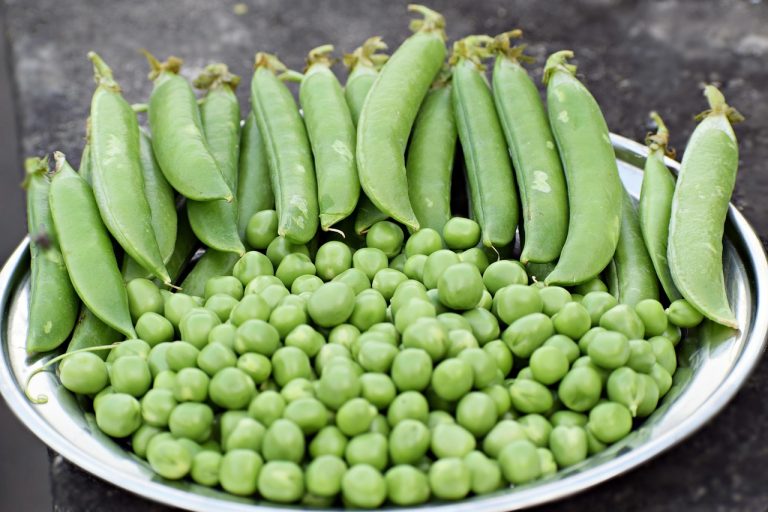


Photo by Joseph Gonzalez on Unsplash
If you have ever felt bloated after meals, struggled with stubborn cravings, or wondered why your energy rises and falls so dramatically, your gut may be asking for a reset. The modern approach to wellness often focuses on calories alone, but real change starts much deeper: with the quality of the food you eat, the balance of your digestion, and the daily habits that support your body from the inside out. That is where organic food, clean eating, and a thoughtful healthy diet can make a remarkable difference.
A healthy lifestyle does not require extreme rules or complicated restrictions. In fact, some of the most effective changes are also the simplest: choosing organic produce, eating more fiber-rich plants, supporting your microbiome, and building meals that nourish rather than overwhelm. When digestion improves, everything else can begin to shift. Energy feels steadier. Skin may look clearer. Cravings become easier to manage. Weight loss can feel less like a battle and more like a natural response to balanced nutrition.
This guide explores how organic food supports gut health, why digestion matters for weight loss, and how clean eating can become a realistic part of your everyday life. You will also find practical meal ideas, expert-backed habits, and actionable steps you can use right away. Are you ready to eat in a way that helps your body work better instead of harder?
Why Gut Health Shapes the Way You Feel Every Day
Your digestive system is more than a place where food gets broken down. It influences how nutrients are absorbed, how hormones behave, how your immune system responds, and even how satisfied you feel after eating. When the gut is functioning well, your body is better prepared to manage stress, regulate appetite, and extract the full value of the nutrition you consume.
Many people think of gut issues only in terms of discomfort, but the signs are often broader than that. Low energy, brain fog, irregular bowel movements, sugar cravings, poor sleep, and skin flare-ups can all be connected to digestive imbalance. If you have been trying to improve your health without seeing results, have you considered whether your gut is doing the heavy lifting it was designed to do?
The gut microbiome and its role in wellness
Inside your digestive tract lives a vast community of bacteria and other microorganisms known as the gut microbiome. Some of these microbes help break down fiber, produce beneficial compounds, and support immune function. Others may become problematic when your diet is low in plant diversity, high in ultra-processed foods, or exposed to excessive stress and environmental triggers.
A balanced microbiome can support:
- More regular digestion
- Reduced bloating and discomfort
- Improved nutrient absorption
- Better appetite regulation
- Stronger immune resilience
- More consistent energy levels
This is one reason organic food has earned so much attention among people seeking better digestion. While no single food can transform your health overnight, a clean eating approach based on whole ingredients can create an environment where beneficial gut bacteria thrive.
How digestion affects weight loss
Weight loss is often discussed as if it were only a matter of willpower, but digestion plays a major role. If your body is not processing food efficiently, if inflammation is high, or if your hunger and fullness signals are confused, losing weight can become far more difficult than it needs to be. A healthy diet supports metabolic balance, which can make weight management feel more sustainable.
When gut health improves, people often notice that they feel full more quickly, experience fewer cravings, and are less tempted by processed snacks. That does not mean you need a restrictive detox diet or an extreme cleanse. It means that supporting digestion may naturally align your body with healthier eating patterns.
Why Organic Food Can Be a Smarter Choice for Digestive Wellness
Organic food is often associated with freshness and quality, but its value goes beyond appearance. Organic farming standards generally limit synthetic pesticides, certain additives, and genetically engineered ingredients. For many people, that matters because the digestive system is sensitive to the total load of what you eat, not just the calories on the label.
Choosing organic food can be especially beneficial when you are trying to build a clean eating routine. It encourages you to focus on simple, recognizable ingredients and reduce the number of highly processed foods that may disrupt digestion. While organic does not automatically mean perfect, it often provides a cleaner starting point for a healthy lifestyle.
What makes organic food appealing for gut support?
Organic produce, grains, legumes, dairy, eggs, and proteins can help create meals that are naturally aligned with nutrition goals. They are often minimally processed, rich in fiber or protein, and less likely to contain artificial additives that some people find irritating. For individuals with sensitive digestion, this can matter a great deal.
Consider the difference between a breakfast made from organic oats, chia seeds, berries, and plain yogurt versus a breakfast pastry loaded with refined flour and sugar. Both are meals, but only one offers sustained nourishment, fiber, and a friendlier environment for gut bacteria. Which one do you think supports a healthy diet over time?
Common foods worth prioritizing organic
If you are building a budget-conscious organic pantry, start where it matters most. Not every ingredient needs to be organic, but some foods are more commonly chosen in organic form because they are eaten often and are less heavily processed.
- Leafy greens such as spinach, kale, and arugula
- Berries and other soft-skinned fruits
- Apples, grapes, peaches, and pears
- Oats, quinoa, and whole grains
- Legumes such as lentils and chickpeas
- Eggs, yogurt, and fermented dairy if tolerated
- Chicken, turkey, or wild-caught fish when available
[IMAGE: organic vegetables]
The Best Organic Foods for a Happier Digestive System
Not all organic food supports digestion in the same way. Some foods are especially powerful because they offer fiber, natural enzymes, prebiotics, or beneficial bacteria. Others help calm inflammation or support regularity. A thoughtful clean eating plan includes a wide variety of these foods rather than relying on one or two so-called superfoods.
1. Leafy greens
Organic leafy greens are rich in magnesium, folate, antioxidants, and fiber. They also add volume to meals without adding many calories, which makes them useful for weight loss and appetite control. Spinach, kale, Swiss chard, and romaine can be blended into smoothies, folded into omelets, or tossed into grain bowls.
Try asking yourself: are you eating enough greens each day to support your digestion and nutrition goals? If not, start by adding one extra serving at lunch or dinner.
2. Berries
Blueberries, raspberries, strawberries, and blackberries are among the best organic foods for gut health because they are rich in fiber and antioxidants. Their natural sweetness can also satisfy cravings without the blood sugar crash that comes from sugary snacks. Berries are easy to add to yogurt, oatmeal, salads, and smoothies.
3. Fermented foods
Fermented foods provide live cultures that may support a healthier microbiome. Organic yogurt, kefir, sauerkraut, kimchi, miso, and tempeh can all be included in a clean eating routine if they suit your preferences and digestive tolerance. Start slowly and observe how your body responds.
Simple ways to enjoy fermented foods
- Add a spoonful of sauerkraut to eggs or grain bowls
- Blend kefir with fruit and flaxseed for a quick breakfast
- Use miso in soups with vegetables and tofu
- Serve kimchi with rice, avocado, and lean protein
4. Legumes and pulses
Organic lentils, chickpeas, black beans, and split peas are fiber-rich and affordable. They help feed beneficial gut bacteria and provide plant-based protein, making them ideal for healthy weight management. If legumes cause discomfort at first, soak them properly, start with smaller portions, and pair them with cooked vegetables.
5. Seeds and nuts
Chia seeds, flaxseeds, pumpkin seeds, almonds, and walnuts offer healthy fats, fiber, and micronutrients. Ground flaxseed is especially useful for digestion because it can help support regular bowel movements when consumed with adequate water. Sprinkle seeds over salads, cereals, or yogurt to boost nutrition without adding complexity.
6. Whole grains
Organic oats, brown rice, quinoa, farro, and buckwheat provide slow-digesting carbohydrates and prebiotic fiber. These grains help you feel satisfied longer and can be a useful alternative to refined grains when building a healthy diet. For many people, simply switching from low-fiber processed carbohydrates to whole grains can change energy levels and digestion noticeably.
[IMAGE: healthy meal]
How Clean Eating Supports a Natural Detox Diet
Detox diet is a phrase that often gets misused. Your body already has powerful detoxification systems, including the liver, kidneys, digestive tract, and skin. What your body needs is not an extreme cleanse, but daily support through clean eating, hydration, fiber, and balanced nutrition. The goal is not to punish your body; it is to help it function more efficiently.
A clean eating approach supports this natural process by reducing the burden of highly processed foods, added sugars, excess alcohol, and artificial additives. Instead of relying on short-term detox drinks or dramatic restrictions, think in terms of daily nourishment. What would happen if every meal made your body feel a little lighter, calmer, and more energized?
Foods that support the body’s natural detox pathways
Many organic foods are particularly helpful because they contain compounds that assist liver function, digestion, and cellular repair. The focus should not be on detox gimmicks, but on steady support.
- Cruciferous vegetables such as broccoli, cabbage, and Brussels sprouts
- Garlic and onions for flavor and beneficial compounds
- Citrus fruits for hydration and vitamin C
- Cucumbers and celery for water content and freshness
- Beets for naturally occurring plant compounds
- Herbs like parsley, cilantro, mint, and ginger
These foods can be combined into soups, salads, stir-fries, and smoothies to create meals that feel clean without being bland. The point is not to eat less; it is to eat better.
What to reduce if you want better digestion
Sometimes gut health improves just as much from subtraction as from addition. If you are serious about clean eating and healthy weight goals, pay attention to foods that leave you feeling sluggish or inflamed.
- Ultra-processed packaged snacks
- Refined sugar-heavy desserts
- Fried foods consumed frequently
- Artificial sweeteners that upset digestion
- Large amounts of alcohol
- Meals with very little fiber
Reducing these foods does not mean living without pleasure. It means making room for meals that help you feel good after eating, not just while eating.
Organic Food and Weight Loss: Why the Connection Is So Strong
Weight loss becomes more manageable when your food choices support satiety, stable blood sugar, and fewer cravings. Organic food can be an excellent tool in that process because it naturally pushes you toward whole ingredients. That shift alone can improve portion control and nutritional quality without requiring obsessive calorie counting.
The most effective approach to weight loss is not starvation. It is consistency. When you eat meals rich in protein, fiber, and healthy fats, your body is less likely to trigger intense hunger between meals. That is where organic food and clean eating work so well together: they encourage the kinds of meals that help you feel satisfied and in control.
What a weight-supportive organic plate looks like
A balanced plate can be simple. In fact, simplicity often helps you stay consistent long enough to see results.
- Half the plate: non-starchy vegetables such as greens, broccoli, zucchini, and peppers
- One quarter: protein from organic eggs, fish, chicken, tofu, lentils, or yogurt
- One quarter: whole grains or starchy vegetables such as quinoa, sweet potato, or brown rice
- Extra support: avocado, olive oil, seeds, or nuts for healthy fats
This pattern is satisfying, flexible, and realistic. It can be adapted to nearly any dietary preference while still supporting healthy weight management and better nutrition.
Why restrictive dieting often backfires
Extremely low-calorie plans can slow adherence, increase cravings, and leave you feeling drained. A detox diet built on juice alone may sound appealing, but it does not provide the protein, fiber, and balance your body needs to thrive. When the body feels deprived, it often responds by increasing hunger and reducing energy.
A better strategy is to create meals that are enjoyable enough to repeat and nourishing enough to sustain you. That is the real secret behind lasting weight loss. The question is not whether you can follow a plan for three days. The question is whether you can live with it for months and feel better because of it.
[IMAGE: fitness lifestyle]
Practical Clean Eating Habits That Make a Real Difference
Knowing what to eat is helpful, but habits determine results. Many people begin with enthusiasm and then lose momentum because their routine is not designed for real life. Clean eating works best when it is simple, repeatable, and compatible with your schedule.
Start with breakfast that stabilizes appetite
A breakfast built on protein, fiber, and healthy fats can help reduce cravings later in the day. Instead of reaching for a sugary pastry or a coffee drink that leaves you hungry an hour later, choose a meal that keeps your blood sugar steadier.
Good options include:
- Organic oats with berries, chia, and almond butter
- Eggs with sautéed spinach and avocado
- Greek yogurt with flaxseed and walnuts
- Smoothies with greens, protein, fruit, and kefir
Prepare the environment, not just the menu
Your surroundings influence your choices more than motivation does. If your kitchen is stocked with whole foods and easy options, clean eating becomes far less effortful. Keep washed greens, chopped vegetables, cooked grains, and protein sources ready to use.
Smart prep strategies for busy people
- Cook one grain and one protein at the start of the week
- Wash and store greens in clear containers
- Keep organic fruit visible and accessible
- Batch-roast vegetables for bowls and salads
- Pre-make dressings with olive oil, lemon, and herbs
These small systems save time and reduce the chance that you will default to less nourishing choices when life gets hectic.
Hydration matters more than most people realize
Digestion depends on adequate water intake. Fiber works best when paired with fluids, and hydration helps the body move waste through the digestive tract more smoothly. Warm lemon water in the morning, herbal teas during the day, and water-rich produce can all contribute to better gut comfort.
Ask yourself: are you truly hungry, or are you thirsty, tired, or overstimulated? That question alone can prevent unnecessary snacking and help you tune into real needs.
Meals and Recipes That Support Gut Health Naturally
Healthy eating becomes easier when you have a few go-to meals that are delicious, quick, and grounded in whole ingredients. The best recipes do not feel like a punishment. They taste good, satisfy real hunger, and fit into a busy life.
Breakfast idea: berry probiotic bowl
Combine organic Greek yogurt or kefir with blueberries, raspberries, chia seeds, and chopped walnuts. Add cinnamon for warmth and flavor. This bowl supports protein intake, microbiome-friendly foods, and steady energy.
Lunch idea: detox-inspired grain bowl
Build a bowl with quinoa, roasted broccoli, shredded carrots, cucumber, chickpeas, avocado, and a lemon-tahini dressing. This meal is rich in fiber, color, and plant diversity, making it a strong choice for clean eating and weight management.
Dinner idea: salmon with greens and sweet potato
Serve wild salmon with sautéed kale, roasted sweet potato, and a side of fermented vegetables such as sauerkraut. The protein supports fullness, the greens provide fiber and micronutrients, and the fermented element adds a gut-friendly boost.
Snack idea: apple slices with nut butter
Simple snacks often work best. Organic apple slices with almond or peanut butter provide fiber, fat, and a pleasant sweet-savory balance. If you want an easy snack that feels satisfying without derailing your healthy diet, this is a strong option.
Snack idea: crunchy seed mix
Create a small container of pumpkin seeds, sunflower seeds, walnuts, and a few cacao nibs. This can curb hunger and provide minerals without relying on packaged snacks.
Signs Your Diet May Need a Gut-Friendly Reset
Sometimes the body sends subtle signals long before a major issue becomes obvious. A gut-friendly reset through organic food and clean eating may be helpful if you regularly experience any of the following:
- Bloating after most meals
- Irregular digestion or constipation
- Cravings that feel difficult to manage
- Energy crashes after eating
- Poor tolerance for rich or processed foods
- Brain fog or difficulty concentrating
- Frequent skin irritation or breakouts
These signs do not automatically mean something is seriously wrong, but they can indicate that your current eating pattern is not supporting your body optimally. Would it be worth experimenting with more organic food, more fiber, and fewer processed items for a few weeks to see how you feel?
Common Mistakes to Avoid on a Clean Eating Plan
Clean eating can be incredibly effective, but only if it remains balanced. Some people accidentally turn it into a rigid system that creates stress instead of wellness. Others make changes too quickly and expect immediate results. Avoiding a few common mistakes can help you stay consistent.
1. Cutting out too many foods at once
Eliminating every comfort food overnight may seem disciplined, but it can backfire. A healthier approach is to focus on addition first: more vegetables, more water, more organic whole foods, and more protein. Over time, the less helpful foods tend to crowd themselves out.
2. Neglecting protein
Some clean eating plans overemphasize produce and underemphasize protein. That can leave you hungry and unsatisfied. Include eggs, legumes, fish, poultry, tofu, yogurt, or other protein sources in every meal when possible.
3. Assuming organic automatically means healthy
Organic cookies are still cookies, and organic chips are still chips. Organic food is a better starting point, but nutrition still depends on balance, preparation, and portion awareness. Clean eating is about the whole pattern, not only the label.
4. Ignoring fiber
If you want better digestion, fiber is not optional. It helps keep things moving and feeds beneficial bacteria. Build meals around vegetables, fruits, legumes, seeds, and whole grains rather than relying mostly on fats and refined carbohydrates.
5. Expecting perfection
A healthy lifestyle is built on consistency, not perfection. A single meal will not define your progress. What matters is the overall direction of your choices. Can you return to your routine without guilt after an off day? That skill is often the difference between short-term effort and long-term success.
A Simple 3-Day Organic Clean Eating Reset
If you are ready to begin, a short reset can help you notice how food affects your energy and digestion. This is not a severe detox diet. It is simply a structured way to eat more whole foods for a few days so your body can settle into a better rhythm.
Day 1
- Breakfast: Oats with berries, flaxseed, and cinnamon
- Lunch: Organic chicken salad with greens, cucumber, and avocado
- Dinner: Salmon, roasted broccoli, and quinoa
- Snack: Apple with almond butter
Day 2
- Breakfast: Kefir smoothie with spinach, berries, and chia
- Lunch: Lentil soup with carrots, celery, and herbs
- Dinner: Stir-fried tofu with brown rice and mixed vegetables
- Snack: Pumpkin seeds and cucumber slices
Day 3
- Breakfast: Eggs with sautéed kale and tomato
- Lunch: Quinoa bowl with chickpeas, roasted vegetables, and tahini dressing
- Dinner: Turkey lettuce wraps with fermented vegetables
- Snack: Berries with plain yogurt
This type of reset can help you identify which foods leave you feeling energized, which ones cause bloating, and which habits are easiest to maintain. The goal is not to be strict forever. The goal is to learn what your body responds to best.
Building a Sustainable Healthy Lifestyle Around Food
At its best, clean eating is not a temporary project. It is a supportive framework for a healthy lifestyle that lasts. That means your approach should be enjoyable, flexible, and rooted in everyday reality. You do not need to cook elaborate meals to eat well. You just need a few dependable patterns.
Organic food, gut health, and weight loss all connect through one essential principle: the body responds to consistency. The more often you choose foods that digest well, nourish steadily, and satisfy deeply, the more your body learns to trust the rhythm of your eating. Over time, that trust can translate into fewer cravings, smoother digestion, and greater confidence around food.
Questions worth asking yourself each week
Sometimes progress begins with reflection. Ask yourself:
- Do my meals leave me energized or depleted?
- Am I getting enough fiber and protein?
- How often am I relying on packaged foods?
- Which organic foods do I enjoy enough to eat regularly?
- What small habit would make clean eating easier this week?
These questions can help you move from vague intentions to practical action. And when action becomes simple, consistency follows.
How to Make Organic Eating Affordable and Realistic
One of the biggest myths about organic food is that it is only for people with a large grocery budget. While some organic items are more expensive, smart planning can make them far more accessible. You do not need every item in your kitchen to be organic to benefit from a cleaner, healthier diet.
Ways to shop smarter
- Buy seasonal produce for better value
- Choose frozen organic vegetables and berries when fresh is costly
- Prioritize the foods you eat most often
- Buy grains, beans, and seeds in bulk
- Plan meals before shopping to reduce waste
Even small upgrades can add up. Swapping out one processed breakfast for an organic one, or replacing one snack per day with fruit and nuts, may seem minor. But over time, those choices can significantly improve nutrition and support a more balanced healthy diet.
What Better Digestion Can Look Like Over Time
When people begin eating more organic food and embracing clean eating, they often expect dramatic overnight changes. The reality is usually subtler, but more meaningful. Better digestion may show up as less bloating, smoother energy, more stable appetite, and a calmer relationship with food.
Weight loss may also begin to feel less stressful because your meals are working with your body rather than against it. You may find that you crave fewer sugary foods, recover faster from indulgences, and feel more in tune with what satisfies you. That is the kind of change that lasts.
Organic food is not magic, and clean eating is not about chasing perfection. Yet when these choices become part of a grounded healthy lifestyle, they can support a more resilient digestive system, better nutrition, and a body that feels easier to live in. That is worth paying attention to, isn’t it?
For more inspiration, practical meal ideas, and expert-backed strategies on organic food, nutrition, weight loss, and clean eating, explore more articles on DietOrganic and keep building a way of eating that feels as good as it looks.
About the Author