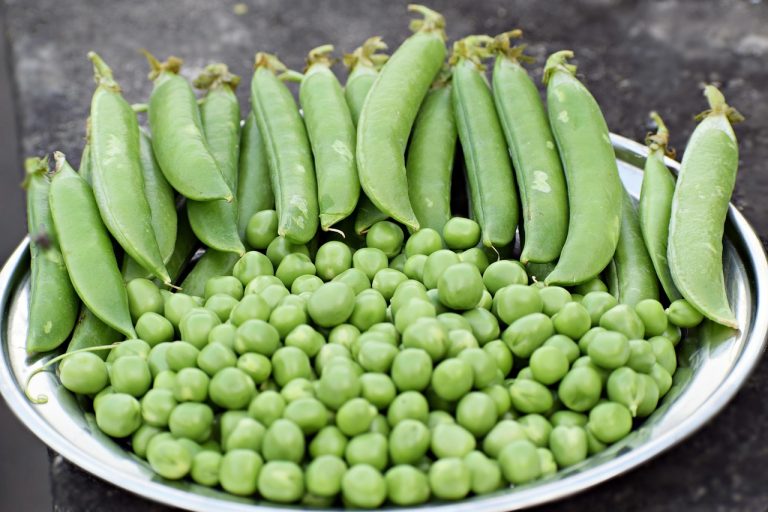


Photo by Esra Erdem on Pexels
If you have ever felt bloated after a seemingly healthy meal, struggled with cravings that appear out of nowhere, or wondered why weight loss feels easier some weeks than others, your gut may be asking for a reset. The good news is that the answer does not have to be complicated or extreme. A thoughtful approach to organic food, clean eating, and everyday nutrition can make a remarkable difference in how you feel from morning to night. Instead of chasing quick fixes, you can build a healthier gut with meals that are simpler, fresher, and more aligned with your body’s natural rhythm.
What makes this approach so powerful is that it connects several goals at once. A gut-friendly organic diet can support digestion, steady energy, healthy appetite control, and even more comfortable weight loss. It can also fit beautifully into a modern healthy lifestyle without feeling restrictive. Have you noticed how certain foods leave you energized while others leave you sluggish? That difference is often about more than calories. It is about quality, freshness, and how your body processes what you eat.
In a world full of processed snacks, rushed meals, and confusing nutrition advice, the idea of eating well can feel surprisingly complicated. Yet the most reliable foundation is still the same: choose whole organic food when possible, reduce unnecessary additives, and build meals that are satisfying enough to keep you consistent. When you do that, clean eating stops being a trend and starts becoming a practical, enjoyable way to feel better every day.
Why Gut Health and Organic Food Belong Together
Your gut is more than a place where food is digested. It is a complex ecosystem that influences immunity, mood, appetite, and energy. When your digestive system is comfortable and balanced, the rest of your body often follows. When it is irritated, overworked, or undernourished, you may notice bloating, cravings, irregular digestion, or a general sense that something is off.
Organic food can support this system in several ways. While no single meal can transform your health overnight, the cumulative effect of eating fewer synthetic additives and more nutrient-dense whole foods can be significant. Organic produce is often chosen because it fits a cleaner eating style, one that emphasizes ingredients your body recognizes easily. For many people, that shift alone makes meals feel lighter and more satisfying.
The microbiome in plain English
Your microbiome is the community of bacteria and other microorganisms living in your digestive tract. Some of these microbes help break down food, support nutrient absorption, and maintain a healthy intestinal environment. Others can become problematic when your diet is low in fiber, high in ultra-processed ingredients, or too repetitive. The balance matters.
A healthy lifestyle that includes organic food can nourish the good bacteria through fiber-rich vegetables, fruit, legumes, seeds, and fermented foods. When you think about nutrition in this way, you move beyond counting calories and start feeding your body at the source. Isn’t it more motivating to eat for resilience than to eat only for restriction?
Why organic choices can feel gentler
Many people turn to organic food because it feels cleaner and more transparent. That mindset matters. The more you prioritize whole ingredients, the less room there is for hidden sugars, artificial flavors, and excess sodium. For some people, that can mean less digestive discomfort and fewer energy crashes. For others, it simply creates a more mindful relationship with food.
Organic food does not need to be expensive perfection. It simply needs to be chosen strategically. If you focus your budget on the foods you eat often, such as leafy greens, apples, berries, eggs, yogurt, oats, and staples that support a healthy diet, the long-term benefits can be substantial. Small changes, repeated consistently, are often the most powerful part of any detox diet or weight loss plan.
The Best Organic Foods for a Gut-Friendly Meal Plan
The best gut-friendly meals are not built around one miracle ingredient. They are built around a variety of foods that support digestion from different angles. That includes fiber, hydration, healthy fats, protein, and naturally occurring probiotics or prebiotics. A thoughtful mix can help you feel satisfied while also supporting a more stable digestive rhythm.
1. Leafy greens and cruciferous vegetables
Spinach, kale, arugula, broccoli, cauliflower, Brussels sprouts, and cabbage are among the most useful vegetables for a clean eating plan. They provide fiber, antioxidants, and plant compounds that support overall wellness. If your meals have felt heavy lately, adding one extra serving of vegetables can create an immediate shift in how balanced your plate feels.
These vegetables are especially valuable in an organic diet because they are often eaten regularly and in larger portions. Using organic versions when possible can be a practical way to reduce exposure to residues and keep your meals aligned with a more intentional healthy lifestyle.
2. Fermented foods that support digestion
Fermented foods add variety to your gut health strategy. Think of plain yogurt with live cultures, kefir, sauerkraut, kimchi, miso, and some naturally fermented pickles. These foods can be easy to include in breakfast bowls, lunch plates, or light dinners. They are not a cure-all, but they are a valuable part of a balanced nutrition routine.
If you are new to fermented foods, start small. A spoonful of sauerkraut or a few tablespoons of kefir may be enough at first. Why start cautiously? Because your digestive system can adapt gradually, and a slow approach often feels better than jumping in too fast.
3. Prebiotic foods that feed beneficial bacteria
Prebiotic foods are the fibers and starches that nourish good bacteria in the gut. Organic bananas, oats, garlic, onions, asparagus, leeks, chicory root, and cooked-and-cooled potatoes are excellent examples. When people talk about gut-friendly nutrition, they often focus on probiotics and forget that your existing bacteria also need fuel.
This is where clean eating becomes especially practical. A simple bowl of oatmeal with berries and seeds, a vegetable soup with onions and garlic, or a salad topped with roasted asparagus can make a real difference. The key is variety, because different fibers feed different microbes.
4. Clean proteins that keep you satisfied
Protein is one of the most underrated parts of a gut-friendly weight loss plan. If your meals are too light on protein, you may feel hungry again quickly, which makes it harder to maintain healthy habits. Organic eggs, Greek yogurt, cottage cheese, lentils, chickpeas, wild-caught fish, chicken, tofu, tempeh, and beans can all support satiety and steady energy.
Protein also helps create balanced meals that are less likely to trigger sugar cravings later in the day. That does not mean you need high-protein everything. It simply means each meal should offer enough support to keep your energy level stable.
5. Healthy fats that make meals more satisfying
Avocados, extra-virgin olive oil, walnuts, chia seeds, flaxseeds, and almonds are examples of fats that can improve the texture and staying power of your meals. When used wisely, healthy fats can help you feel nourished rather than deprived. They also make vegetables and grains more enjoyable, which matters because sustainable eating is always about taste as much as it is about nutrition.
Some people avoid fats when trying to lose weight, but that approach often backfires. Balanced fats can improve meal satisfaction and help you stick to your clean eating plan long term. The goal is not to eat more fat; it is to eat the right amount of quality fat in the right context.
A simple gut-friendly grocery list
- Organic leafy greens
- Broccoli, cauliflower, and Brussels sprouts
- Plain yogurt or kefir with live cultures
- Bananas, berries, apples, and pears
- Oats, chia seeds, flaxseeds, and quinoa
- Garlic, onions, leeks, and asparagus
- Organic eggs, lentils, beans, tofu, and fish
- Avocados, nuts, and extra-virgin olive oil
[IMAGE: organic vegetables]
What a Healthy Plate Looks Like in Real Life
It is one thing to know which foods are helpful. It is another thing to put them together in a way that feels realistic on busy weekdays. The best clean eating strategy is not rigid. It is repeatable. If your plan is elegant but impossible to maintain, it will not support long-term weight loss or a consistent healthy lifestyle.
A gut-friendly plate typically includes fiber, protein, and healthy fats. When these elements work together, your meals feel more complete, digestion is often more comfortable, and your energy tends to stay steadier between meals. Wouldn’t it be easier if every meal naturally helped you avoid the afternoon slump?
The plate formula
Try using a simple structure when you build lunch or dinner:
- Half of the plate: non-starchy organic vegetables
- One quarter of the plate: quality protein
- One quarter of the plate: whole grains, beans, or starchy vegetables
- One small portion: healthy fat for flavor and satisfaction
This is not a strict rule. It is a useful guide. If your body needs more vegetables some days and more protein on others, listen to that. Clean eating should feel intelligent, not mechanical.
Examples of balanced meals
Here are a few meals that work especially well for gut health and weight loss:
- Grilled salmon with quinoa, roasted broccoli, and olive oil dressing
- Organic omelet with spinach, onions, and avocado on the side
- Lentil soup with carrots, celery, garlic, and a side salad
- Plain yogurt bowl with berries, chia seeds, and walnuts
- Tofu stir-fry with cabbage, mushrooms, and brown rice
Meals like these do more than fill you up. They create momentum. The more often you eat in a way that supports your digestion, the easier it becomes to recognize what your body truly needs.
Clean Eating Habits That Quiet Digestive Stress
Sometimes the issue is not one dramatic food choice. It is the accumulation of habits that make digestion harder than it needs to be. Eating too quickly, skipping meals, relying on convenience foods, and drinking too little water can all undermine even the best organic diet. The encouraging part is that these habits can be changed gradually.
Eat slower than your schedule
Digestion starts before the first bite reaches your stomach. When you eat in a rush, your body has less time to register fullness and less opportunity to prepare for digestion. That can lead to overeating, bloating, or a feeling of heaviness after meals. Try taking a few deep breaths before you eat and putting your fork down between bites. Simple? Yes. Effective? Often, very.
Drink enough water, but not in extremes
Hydration supports digestion, energy, and overall nutrition. Water helps move fiber through the digestive tract and may reduce the sluggish feeling that can appear when meals are too salty or too dry. At the same time, there is no need to force excessive water intake. Aim for consistent hydration throughout the day and listen to thirst signals.
Make fiber your ally, not your shock treatment
Fiber is essential for gut health, but too much too fast can backfire. If you suddenly increase beans, cruciferous vegetables, and seeds all at once, your digestive system may feel overwhelmed. A cleaner approach is to increase fiber gradually and pair it with enough water and protein. That makes the process more comfortable and sustainable.
Keep ultra-processed foods out of the center of the plate
You do not need a perfect kitchen to support a healthy lifestyle, but it helps if the foods you reach for most often are actually nourishing. Chips, pastries, sugary cereals, and packaged snacks can still fit occasionally, but they should not dominate your routine. If you are serious about weight loss or better digestion, shift the center of your plate toward whole, organic food whenever possible.
Choose meals that work for your real life
A good plan is one you can use at home, at work, and on the road. That may mean simple leftovers, quick grain bowls, soups that reheat well, or snack plates made from nuts, fruit, and yogurt. Clean eating becomes much easier when it is designed around your actual schedule instead of an idealized one.
A Gentle Detox Diet Built on Organic Foods
The phrase detox diet is often used in extreme ways, but the most helpful version is straightforward: eat in a way that supports your body’s natural systems rather than working against them. Your liver, kidneys, digestive tract, and skin already do the hard work of detoxification. Your job is to give them the resources they need.
This is why an organic food-focused detox diet should be about nourishment, not deprivation. Think of it as a reset that emphasizes hydration, fiber, antioxidants, and balanced meals instead of restrictive juices or unrealistic rules. Wouldn’t it feel better to support your body than to punish it?
What to emphasize during a reset
- Organic vegetables at every meal
- Fresh fruit instead of processed sweets
- Lean protein to keep hunger stable
- Fermented foods in modest amounts
- Healthy fats to support satisfaction
- Herbal teas and water for hydration
What to reduce temporarily
You may notice that your body responds well when you temporarily reduce foods that are hard to digest or easy to overeat. This does not mean labeling foods as bad. It simply means giving your system fewer distractions while you focus on clean eating.
- Highly sugary drinks
- Alcohol in excess
- Deep-fried foods
- Ultra-processed snacks
- Heavy late-night meals
After a few days of simpler meals, many people find that they can better notice hunger, fullness, and energy patterns. That awareness is valuable because it helps you make better choices long after the detox-style reset ends.
A practical three-day framework
If you want to test a gentler reset without overcomplicating it, try this pattern:
- Start the day with a fiber-rich breakfast and protein
- Build lunch around vegetables, whole grains, and a clean protein source
- Choose a light but satisfying dinner with cooked vegetables
- Include one or two planned snacks if needed
- Drink water steadily and avoid grazing all day
This approach can support both digestion and weight loss without feeling like a crash diet. The objective is consistency, not restriction for its own sake.
[IMAGE: healthy meal]
A Sample Day of Organic Eating for Gut Support
Sometimes the easiest way to make nutrition feel real is to see what it looks like in practice. The following sample day is not a prescription. It is a template that shows how organic food, clean eating, and a balanced healthy lifestyle can fit together without drama.
Breakfast
Organic oatmeal cooked with cinnamon, topped with blueberries, chia seeds, and a spoonful of plain yogurt. This kind of breakfast supports steady energy and supplies fiber early in the day.
Mid-morning option
An apple with a small handful of walnuts, or a kefir smoothie with spinach and berries if you need something more substantial.
Lunch
A bowl with quinoa, roasted vegetables, chickpeas, arugula, and olive oil dressing. Add sauerkraut or a few slices of avocado if you want more flavor and texture.
Afternoon option
Carrot sticks with hummus, a plain yogurt cup, or a small handful of almonds. The goal is to keep energy stable without turning snacks into mindless grazing.
Dinner
Grilled fish or tofu with steamed broccoli, sweet potato, and a side salad. If you prefer plant-based meals, lentils with sautéed greens and herbs are equally effective.
Evening routine
Herbal tea, a short walk, and a calm kitchen environment can do more for digestion than many people realize. How often do we overlook the simple habits that make meals easier to process?
Organic Meal Prep Ideas That Make Healthy Eating Easier
One of the biggest reasons people struggle to maintain a healthy diet is not lack of motivation. It is lack of readiness. When hungry and busy, we all tend to choose the most convenient food available. Meal prep removes friction, and that is especially useful if your goal is weight loss, less bloating, or a more consistent detox diet approach.
Batch-cook the building blocks
Instead of preparing full meals for every day, cook versatile ingredients that can be mixed and matched:
- Roasted organic vegetables
- Quinoa, brown rice, or farro
- Hard-boiled eggs or baked tofu
- Washed greens and chopped herbs
- A simple dressing made with olive oil and lemon
These basics can become salads, bowls, wraps, and quick dinners in minutes.
Use a flavor strategy
Healthy food should taste good enough that you want to eat it again. Fresh herbs, lemon, garlic, ginger, cumin, turmeric, and sesame can transform a simple bowl into something memorable. When meals are satisfying, clean eating becomes less about discipline and more about preference.
Keep gut-friendly snacks visible
Place washed fruit, cut vegetables, yogurt, and nuts where you can see them. Visibility matters. The foods you see first are often the foods you eat first. This simple environmental change can make a noticeable difference in nutrition quality over time.
Common Organic Diet Mistakes That Slow Progress
Even with the best intentions, it is easy to make choices that look healthy but do not actually support your goals. Some people rely too heavily on packaged organic snacks. Others eat too little protein or overload on raw vegetables without enough variety. Awareness can help you avoid frustration.
1. Thinking organic automatically means balanced
An organic cookie is still a cookie. Organic ingredients matter, but the overall structure of your meals matters more. If your diet is low in protein, low in fiber, or overly snack-based, the benefits of organic food will be limited.
2. Eating too little
Many people reduce calories aggressively when trying to lose weight, then wonder why they feel tired, irritable, or fixated on food. A smarter approach is to create satisfying meals that naturally reduce overeating. Stable nutrition often leads to better adherence than severe restriction.
3. Overdoing raw foods
Raw salads are healthy, but they are not always the most digestible choice. Some people feel better with a mix of raw and cooked vegetables. Cooking can make certain foods gentler on the gut and more enjoyable to eat, especially during cooler months or periods of digestive sensitivity.
4. Forgetting hydration and movement
A healthy lifestyle is not built on food alone. Water, walking, sleep, and stress management all play a role in digestion. If your routine is chaotic, even the cleanest meal plan may not feel as effective as it should.
Lifestyle Choices That Strengthen Digestive Health
Food is the foundation, but your daily rhythm matters too. A body under chronic stress does not always digest well, even if meals are carefully chosen. That is why the best organic food strategy also includes the habits that support your nervous system.
Move after meals
A short walk after eating can support digestion and help you feel less sluggish. You do not need a full workout. Ten to fifteen minutes is often enough to make a difference. This small habit also supports weight loss by encouraging consistency and reducing the temptation to lie down immediately after meals.
Protect your sleep
Sleep influences hunger hormones, cravings, energy, and even the way you choose food the next day. If you regularly sleep too little, your appetite may become harder to manage. A healthy lifestyle includes a bedtime routine that lets your body recover.
Lower stress where you can
Stress can affect digestion in ways that are easy to underestimate. Mindful breathing, time outdoors, regular meals, and realistic expectations are all part of nutrition. In other words, your body does not only need nutrients; it needs enough calm to use them well.
Use exercise as support, not punishment
[IMAGE: fitness lifestyle]
Movement should strengthen your system, not drain it. Strength training, brisk walking, cycling, yoga, and simple home workouts can all support a healthy lifestyle. If the activity helps you feel grounded, energized, and more connected to your body, it is serving the right purpose.
How to Start This Week Without Overwhelming Yourself
If you are ready to improve gut health with organic food, begin with one or two changes instead of rewriting your whole routine overnight. The people who sustain clean eating for the long term are usually the ones who make it easy to repeat. That might mean shopping for a few new staples, preparing one extra vegetable dish, or replacing a processed snack with fruit and nuts.
A simple first-week plan
- Choose three organic vegetables you will eat often
- Add one fermented food to your routine
- Build each meal around protein and fiber
- Drink water consistently throughout the day
- Walk for 10 minutes after at least one meal daily
- Prepare one or two backup meals in advance
That is enough to create momentum. Once you feel better, you will likely want to continue. And when a habit starts to feel rewarding, it becomes much easier to protect.
Questions worth asking yourself
Are your meals giving you steady energy or sudden crashes? Do your snacks help you feel satisfied, or do they keep you in a cycle of grazing? Which organic food choices would make the biggest difference in your week? These questions matter because sustainable change starts with honest observation, not perfection.
You do not need to eat flawlessly to enjoy the benefits of a gut-friendly organic diet. You only need to keep choosing meals that respect your body, support digestion, and make healthy living feel more natural than forced. If you want more expert-led ideas for clean eating, weight loss, organic food swaps, and practical nutrition strategies, explore more articles on DietOrganic and keep building a lifestyle that feels as good as it looks.
About the Author