How to Choose and Store Organic Produce So It Lasts
Organic fruit and vegetables usually carry no wax coatings or post-harvest treatments, which is part of the appeal, but it also means some of them spoil sooner once you get them home. Buying with a plan and storing each item in the right place makes a real difference to how much of your shopping you actually eat.
This guide covers what to look for when you shop, where each type of produce keeps best, and a few habits that help a weekly haul last until the next market day.
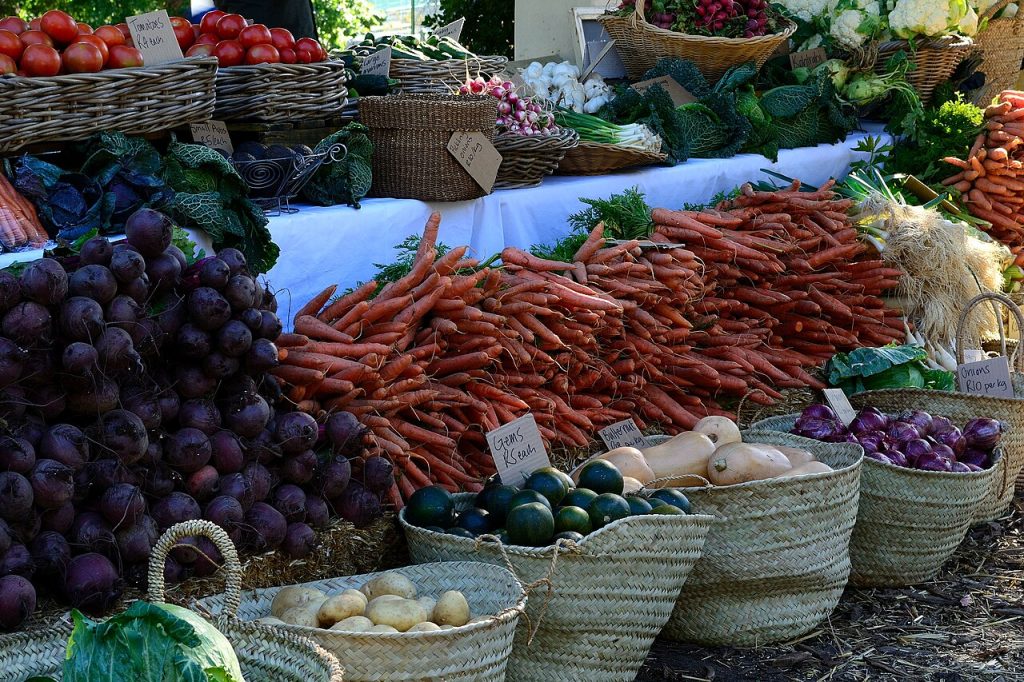
Shopping: what to look for
Use your senses rather than the size or shine of the produce. A few general signs apply to most items:
- Weight: citrus, melons and cabbages should feel heavy for their size, a sign of juiciness.
- Firmness: root vegetables, peppers and cucumbers should be firm, with no soft spots or wrinkles.
- Leaves: greens and herbs should be perky, with no slime or yellowing at the cut ends.
- Smell: ripe peaches, melons and tomatoes smell like themselves at the stem end.
Buy fragile items, such as berries, herbs and tender greens, in amounts you can use within a few days, and stock up on keepers such as onions, winter squash, apples and cabbage.
Countertop, pantry or fridge?
Not everything belongs in the refrigerator. Cold dulls the flavor of tomatoes and makes the flesh mealy, and it slows the ripening of stone fruit and avocados that are not yet ready.
- Countertop: tomatoes, bananas, unripe avocados, peaches, plums, pears and mangoes until ripe.
- Cool, dark pantry: onions, garlic, potatoes, sweet potatoes and winter squash. Keep potatoes and onions apart; onions can speed sprouting.
- Refrigerator: leafy greens, broccoli, carrots, celery, berries, grapes, apples, citrus for long storage, and ripe fruit you want to hold.
Ethylene: why some fruit ripens its neighbors
Apples, bananas, avocados, pears and tomatoes release ethylene, a natural gas that speeds ripening. That is useful when you want a hard avocado to soften (put it in a paper bag with a banana) and a problem when it makes lettuce wilt or carrots taste bitter. Keep strong ethylene producers away from greens and other sensitive vegetables in the fridge.
Washing: when and how
Wash produce just before you eat or cook it, not before storing it, because moisture encourages mold. Rinse under cool running water and rub firm items with your hands or a vegetable brush. Swish leafy greens in a bowl of cold water, lift them out so the grit stays behind, and repeat if needed. Soap and produce washes are not necessary, and plain water is the standard advice from food-safety agencies. Organic produce still needs washing, since soil and handling are the same regardless of how it was grown.
Habits that cut waste
- Store herbs like flowers: trim the stems and stand them in a jar of water, loosely covered with a bag, in the fridge (basil prefers the counter).
- Wrap washed, dried greens in a towel inside a container to absorb extra moisture.
- Remove carrot and beet tops before storing; the greens draw moisture from the roots.
- Put the oldest produce at the front of the drawer, and plan one ‘use it up’ meal a week, such as soup, fried rice or a frittata.
Once you get used to the pattern, storing produce well takes no extra time, and a cup of soft herbs or half a bag of spinach stops being something you throw away.
This guide is general kitchen information, not food-safety certification or medical advice. See our Disclaimer and Image Credits.