A Balanced 7-Day Whole-Food Meal Plan Framework (No Calorie Counting)
Most meal plans fail for a simple reason: they are too rigid. A plan that lists every bite for seven days falls apart the first time you work late or a store is out of salmon. A framework is more forgiving. Rather than a fixed menu, it gives you a repeatable structure you can fill with foods you like, foods that are in season and foods that fit your budget.
This guide walks through a simple whole-food framework for a week of meals. It doesn’t count calories or promise a specific result. The aim is to make balanced, home-cooked meals the easy default.
A quick note: this is general information about everyday eating, not medical or nutrition advice. If you want to lose weight, have a health condition, take medication or are pregnant, talk to your doctor or a registered dietitian before changing how you eat.
The plate pattern behind every meal
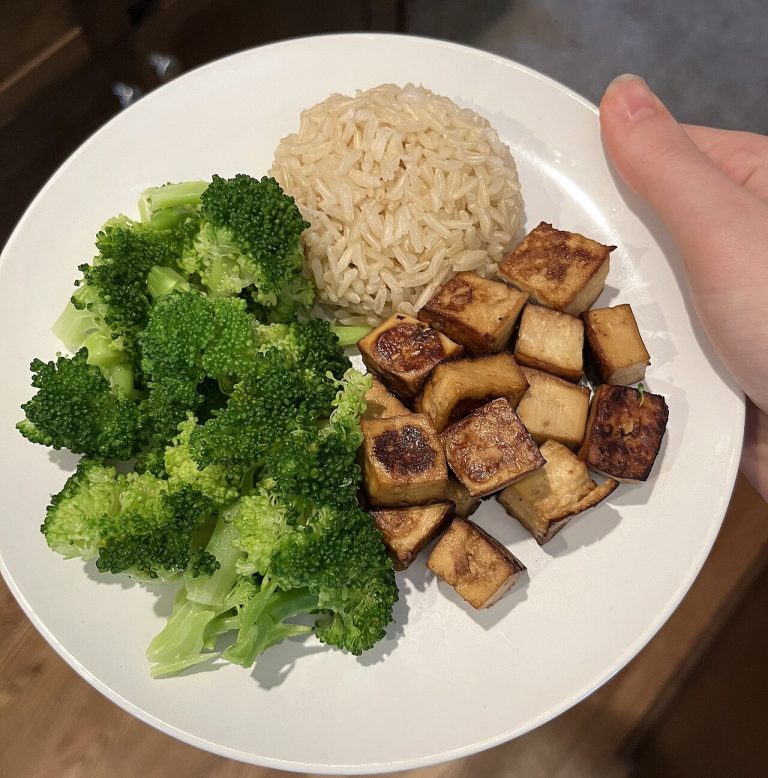
Instead of tracking numbers, the framework builds each lunch and dinner around a simple plate pattern:
- About half the plate: vegetables. Cooked, raw or a mix. Variety matters more than perfection.
- About a quarter: protein. Beans, lentils, tofu, eggs, fish, poultry, yogurt or lean meat.
- About a quarter: a fiber-rich carbohydrate. Whole grains, potatoes, sweet potatoes, or fruit.
- A little healthy fat and flavor. Olive oil, nuts, seeds, avocado, herbs, citrus and spices.
Breakfasts follow a lighter version: some protein, some fiber, and fruit or vegetables where you can fit them. This pattern is flexible enough for vegetarian, omnivore and budget-minded kitchens.
Step 1: Choose your anchors
An anchor is a large-batch component you cook once and use several times. Pick three or four for the week:
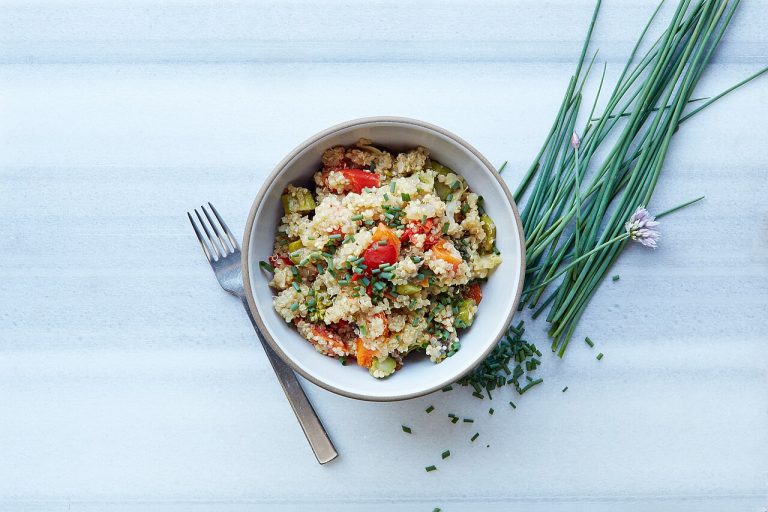
- One grain or starch: a pot of brown rice, quinoa or farro, or a tray of roasted potatoes. Our quinoa guide and stovetop rice guide make this easy.
- One or two proteins: for example a pot of beans or lentils plus baked chicken or tofu.
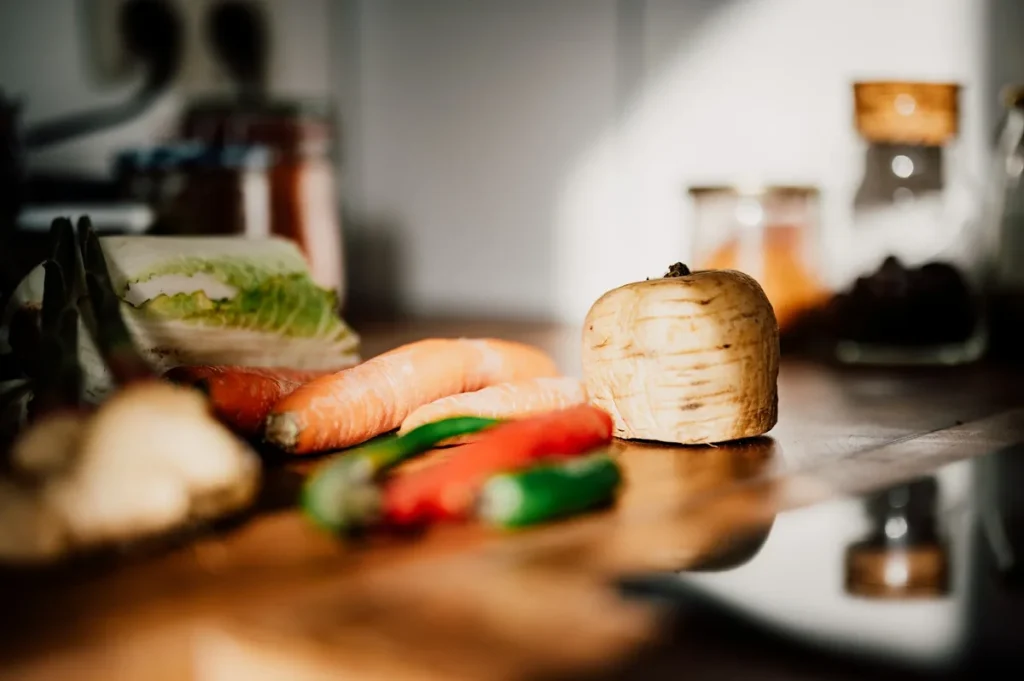
- One tray of roasted vegetables: whatever is in season. See how to roast vegetables.
- One sauce or dressing: a vinaigrette, a yogurt-herb sauce or a tahini dressing.
Step 2: Sketch the week
Here’s one way a week might look. Treat it as a template, not a rule. Swap days around, repeat favorites, and plan at least one “use it up” night.
- Day 1: Cook your anchors. Dinner is a simple plate of roasted vegetables, grain and protein.
- Day 2: Turn the anchors into grain bowls with fresh greens and dressing.
- Day 3: A soup night. A big pot of lentil or bean soup makes extra portions for lunches or the freezer, like our lentil and vegetable soup.
- Day 4: A quick stir-fry or sheet-pan dinner using fresh vegetables and a protein.
- Day 5: Leftover soup or bowls. No cooking.
- Day 6: A more relaxed cooking night: something you enjoy making, such as homemade tacos, a frittata or a roast.
- Day 7: “Use it up” night: an omelette, fried rice or a big salad built from whatever is left. Then plan the next week.
Step 3: Plan breakfasts and snacks simply
Breakfast is easier when it’s mostly decided. Pick two options and rotate them: for example, overnight oats on busy days and eggs with vegetables on slower days. For snacks, keep a few whole-food options visible: fruit, cut vegetables with hummus, yogurt, or a small handful of nuts.
Step 4: Write a shopping list by category
Turn your sketch into a list grouped by section: produce, proteins, grains and pantry, dairy or alternatives. Check what you already have before you shop. Buying organic is a personal and budget choice. Many people prioritize organic for the produce they eat most often, and buy conventional for the rest. Either way, eating more vegetables and fruit is the bigger win.
Step 5: Do a short prep session
An hour or two of prep makes the rest of the week much easier. Cook your anchors, wash and cut sturdy vegetables, and make your dressing. Our Sunday meal prep plan shows a sample timeline, and how to meal-prep vegetables covers what to cut ahead and how to store it.
Tips for making the framework stick
- Start smaller than you think. Plan four dinners instead of seven. Leftovers and flexible nights fill the gaps.
- Repeat what works. It’s fine to have the same breakfast every weekday.
- Let hunger guide portions. Eat slowly and notice when you feel satisfied. Needs change day to day.
- Keep a backup meal. Frozen soup, canned beans and eggs can turn into a dinner in minutes and keep takeout from becoming the default.
- Drink water through the day and keep it easy to reach.
- Don’t aim for perfect. A pizza night doesn’t undo the week. Consistency over time matters far more than any single meal.
Storage reminders
- Most cooked grains, proteins and vegetables keep about three to four days in the fridge.
- Freeze anything you won’t eat in that window. Soups, beans, grains and cooked chicken all freeze well.
- Cool food quickly in shallow containers, and refrigerate within two hours of cooking.
Frequently asked questions
Is this a weight-loss diet?
No. It’s a way to organize balanced, whole-food meals. Some people find that cooking more at home and eating more vegetables and protein helps them feel satisfied with their meals. Weight and health goals are personal, so talk to your doctor or a registered dietitian for advice that fits you.
Do I have to buy everything organic?
No. The framework works with any ingredients. Buy what you can afford and will actually eat.
What if I don’t like leftovers?
Transform them instead of repeating them. The same roasted vegetables can become a bowl, a frittata filling and a blended soup across three days.
How do I handle a family with different preferences?
Cook shared anchors and let everyone build their own plate. A “bowl bar” or taco night works well for this.
Can I follow this if I’m vegetarian?
Yes. Use beans, lentils, tofu, eggs and dairy or plant-based alternatives as your protein anchors.
This article is for general information only and is not medical or nutrition advice. See our Disclaimer.