What’s in Season in November: Organic Produce Guide
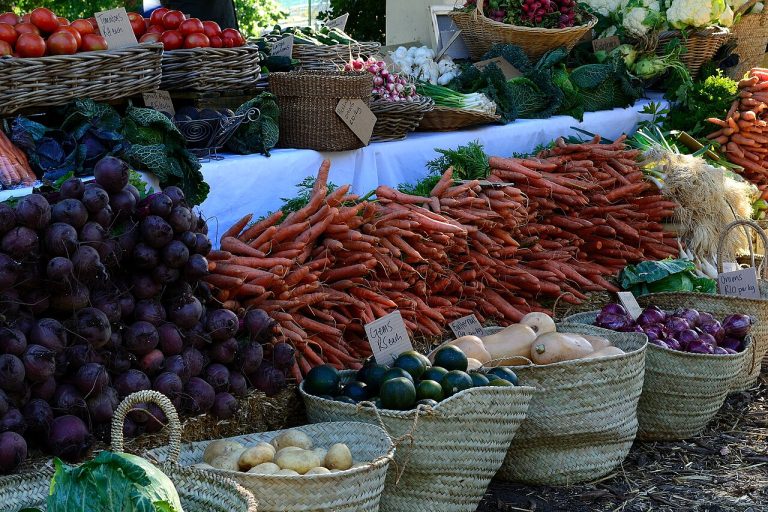
November is when the farmers market shifts fully into cold-weather mode. The tender summer crops are gone, and in their place you will find dense squash, earthy roots, sturdy greens and the last of the orchard fruit. This is produce that keeps well, roasts beautifully and makes the kind of warm, filling meals that suit shorter days. Below is a practical guide to what is typically in season across much of the United States in November, how to pick good organic produce, how to store it so nothing goes to waste, and which of our recipes to make with it.
Seasons vary by region and by year, so treat this as a general guide. Your local market and farm stands are always the best signal of what is truly fresh where you live.
Winter squash and pumpkins
Butternut, acorn, delicata, kabocha and sugar pumpkins are at their best now. Their hard skins let them keep for weeks, which makes them one of the most useful vegetables to have on hand.
How to choose: Pick squash that feels heavy for its size, with a matte (not shiny) skin and no soft spots, cracks or mold. A dry, intact stem is a good sign.
How to store: Keep whole squash in a cool, dry, well-ventilated spot, not in the refrigerator. Once cut, wrap the pieces and refrigerate them, and use them within a few days.
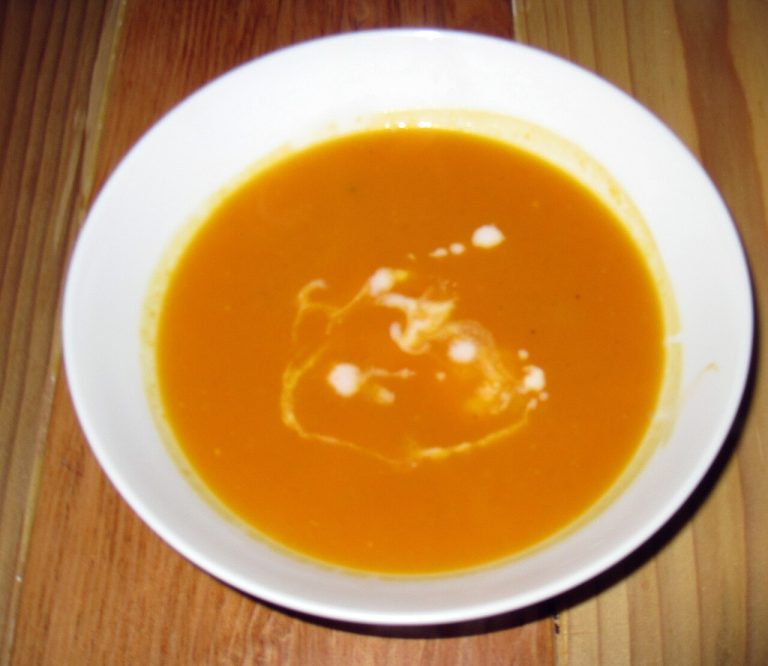
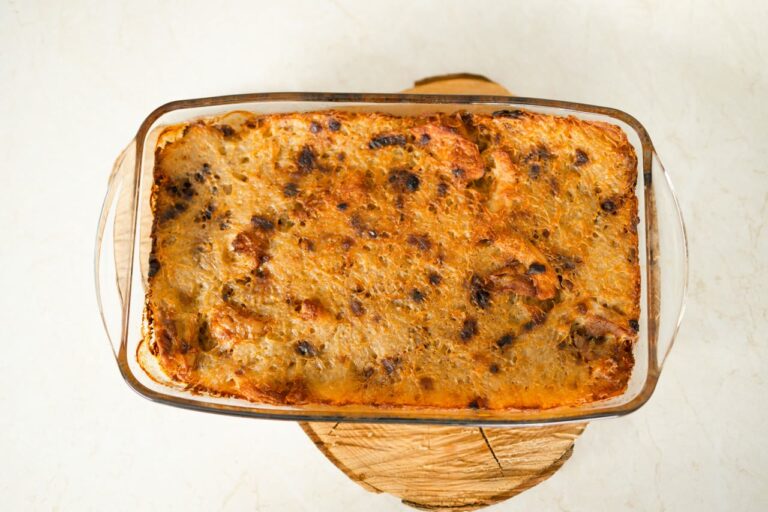
Cook it: Our Silky Roasted Butternut Squash Soup is an easy starting point, and Baked Acorn Squash with Garlic Mushrooms makes a satisfying vegetarian main. For pumpkin, try Pumpkin Curry Soup with Coconut Milk, and don’t throw away the seeds: Crunchy Roasted Pumpkin Seeds are a great snack.
Sweet potatoes
Sweet potatoes are harvested in the fall and are often cured for a few weeks afterward, which helps develop their sweetness.
How to choose: Look for firm potatoes with smooth skin and no wrinkles, sprouts or dark, soft patches.
How to store: Store them somewhere cool, dark and dry. Avoid the refrigerator, which can harm their texture and flavor. Don’t wash them until just before cooking.
Cook it: Mashed Sweet Potatoes with Maple and Brown Butter is a holiday favorite, and Sweet Potato Breakfast Hash with Eggs is an easy way to use up leftovers.
Brussels sprouts
Brussels sprouts are a classic cool-weather crop, and many people find they taste sweeter after a touch of frost.
How to choose: Choose small to medium sprouts that are firm, tightly closed and bright green. Skip any with yellowing leaves or small holes.
How to store: Refrigerate them unwashed in a loosely closed bag and use within about a week. Trim the stem ends and pull off any loose outer leaves just before cooking.
Cook it: Roasted Brussels Sprouts with Apples and Maple pairs two November staples in one pan. For general roasting times, see How to Roast Vegetables.
Cranberries
Fresh cranberries usually show up in stores in the fall and are easiest to find in the weeks before Thanksgiving.
How to choose: Good berries are firm, shiny and deep red. Sort out any that are soft, shriveled or bruised before you cook.
How to store: Keep them in the refrigerator in their bag for a few weeks. They also freeze very well; just put the bag straight into the freezer and use the berries frozen.
Cook it: Fresh Cranberry Sauce with Orange and Cinnamon takes very little time and is far brighter than canned sauce.
Apples and pears
Many apple and pear varieties are harvested in the fall, and plenty are still available in November from local orchards and storage.
How to choose: Apples should be firm with no bruises or soft spots. Pears are usually sold firm and ripen at home; press gently near the stem, and when it gives slightly, the pear is ready.
How to store: Apples keep longest in the refrigerator crisper. Leave pears on the counter to ripen, then refrigerate to slow them down. Keep apples away from leafy greens, because apples release ethylene gas, which can make nearby produce spoil faster.
Cook it: Try Baked Apples with Oat Crumble, Apple Cinnamon Oatmeal on the Stovetop, or a warm mug of Stovetop Spiced Apple Cider. Raw apples are also great in Kale and Apple Salad with Toasted Walnuts.
Kale and other hearty greens
Kale, collards, chard and other sturdy greens handle cool weather well and are easy to find now.
How to choose: Look for crisp, deeply colored leaves without yellowing or wilting.
How to store: Wrap the unwashed leaves loosely in a dry towel, put them in a bag and refrigerate. Use them within several days. For more tips, see How to Choose and Store Organic Produce So It Lasts.
Cook it: Massage raw kale for salads, or stir chopped greens into soups such as our Hearty Vegetable Minestrone with Beans during the last few minutes of cooking.
Root vegetables: carrots, beets, parsnips and potatoes
Root vegetables are the backbone of fall and winter cooking. They keep well and get sweeter and more caramelized when roasted.
How to choose: Choose firm roots with no soft spots or cracks. If the greens are still attached, they should look fresh.
How to store: Cut off any leafy tops (they pull moisture out of the root), then refrigerate carrots, beets and parsnips in a bag. Store potatoes in a cool, dark place away from onions.
Cook it: Roasted Beet Salad with Greens, Goat Cheese and Walnuts, Creamy Carrot Ginger Soup, Creamy Garlic Mashed Potatoes and One-Pan Organic Chicken Thighs with Roasted Root Vegetables are all good ways to use them.
Citrus season begins
As fall turns to winter, citrus such as oranges, mandarins and grapefruit begins to arrive from warmer growing regions. It adds welcome brightness to heavier seasonal food.
How to choose: Choose fruit that feels heavy for its size, which usually means it is juicy. Skin should be firm, not puffy or soft.
How to store: Citrus is fine on the counter for a few days and lasts longer in the refrigerator.
Cook it: Zest an orange into cranberry sauce, or blend one into an Orange Banana Oat Breakfast Smoothie.
A simple way to shop in November
- Start with the keepers. Squash, sweet potatoes, roots, apples and onions last a long time, so it is fine to buy a little extra.
- Buy delicate items last. Greens and mushrooms spoil fastest, so plan to cook them in the first half of the week.
- Roast in batches. One full tray of mixed vegetables can become a side dish, a grain bowl topping and a blended soup.
- Save your scraps. Onion ends, carrot peels and herb stems can become homemade vegetable stock.
Eating seasonally in November is simply a matter of letting the market guide you. Pick up a squash, a bag of cranberries and a few apples, and you already have the start of a week of warm, comforting meals.
Common questions
Is frozen produce a good option in November?
Yes. Frozen fruits and vegetables are useful when fresh options are limited or expensive, especially berries and green vegetables.
How should I cook these vegetables?
Most November produce roasts very well. Our guide on how to roast vegetables covers times and temperatures.
How long does winter squash keep?
Whole winter squash stored in a cool, dry spot can keep for weeks or longer. Once cut, wrap it and refrigerate, and use it within a few days.