Creamy Garlic Mashed Potatoes
These mashed potatoes are fluffy and creamy at the same time, flavored with garlic that has been gently simmered in the milk and butter so it turns sweet and mellow rather than sharp. They are made with Yukon Gold potatoes, which have a naturally buttery taste and a texture between floury and waxy that mashes beautifully.
Mashed potatoes look simple, but a few small details make the difference between gluey and fluffy: starting the potatoes in cold water, drying them after draining and adding warm dairy rather than cold.
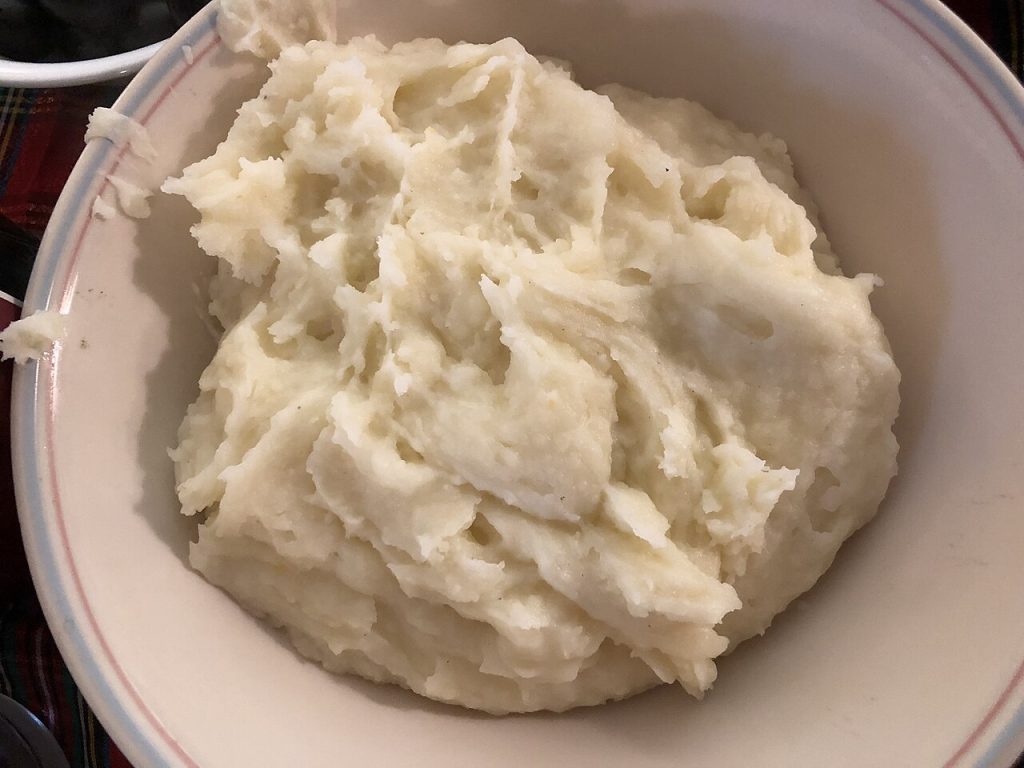
Which potatoes to use
Russets are high in starch and make the fluffiest, lightest mash, though they can taste a little plain and absorb a lot of butter. Yukon Golds are medium-starch, creamier and more flavorful, and hold up well if they have to wait. Red potatoes are waxy and best for rustic, skin-on smashed potatoes rather than a smooth mash. A mix of Russet and Yukon Gold gives you a bit of both.
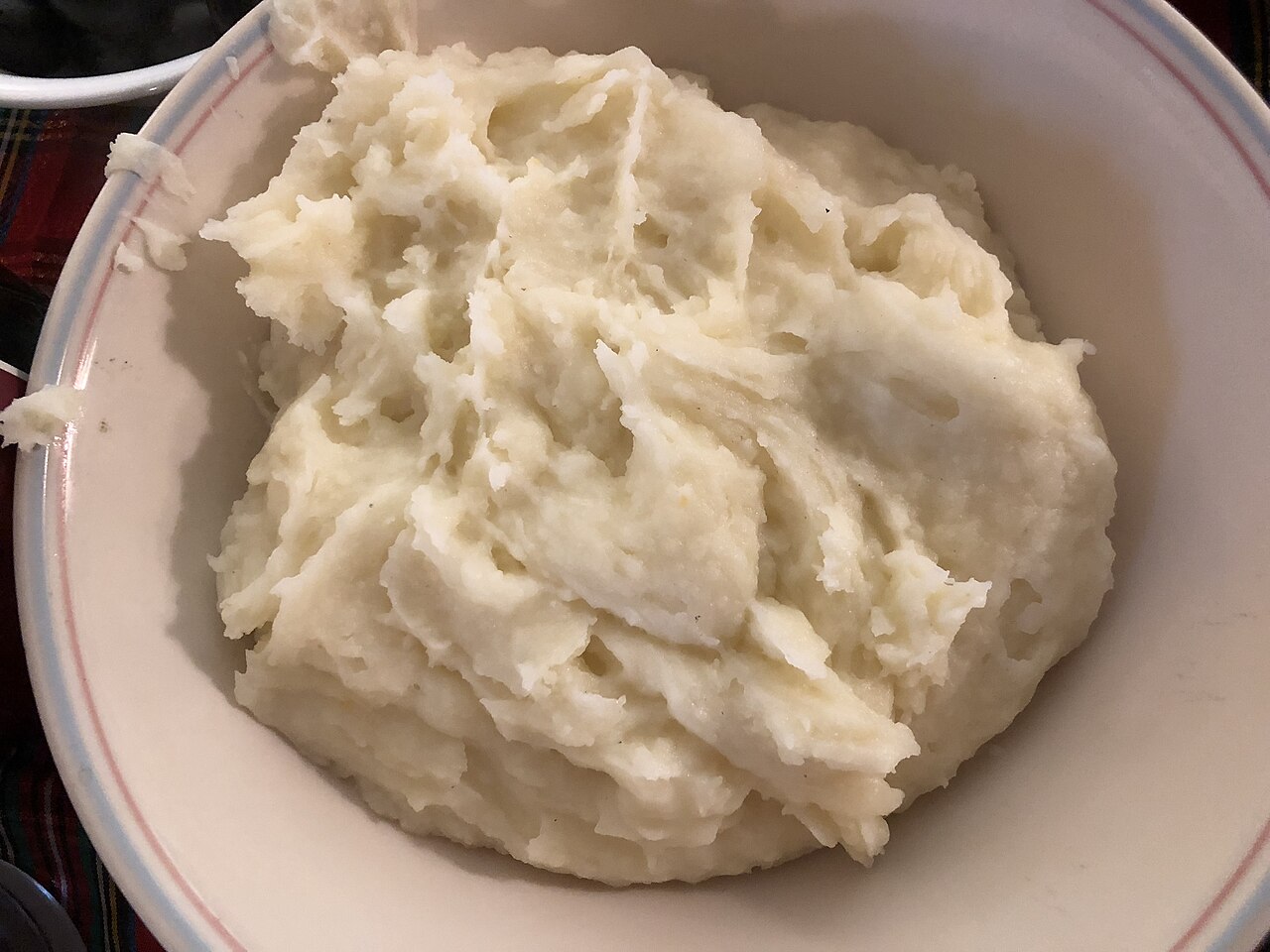
Creamy Garlic Mashed Potatoes
Ingredients
Method
- Put the potatoes in a large pot and cover with cold water by an inch. Add 1 tablespoon salt. Bring to a boil over high heat, then reduce to a steady simmer.
- Cook until a knife slides through the chunks with no resistance, 15–20 minutes.
- Meanwhile, combine the milk, butter and smashed garlic in a small saucepan. Warm over low heat for 10–15 minutes without boiling, until the garlic is soft. Remove the garlic, mash it with a fork and return it to the pan, or discard it for a milder flavor.
- Drain the potatoes well and return them to the hot pot. Set over low heat for 1–2 minutes, shaking the pot, to steam off excess moisture.
- Mash with a potato masher or pass through a ricer. Pour in the warm garlic milk in two or three additions, stirring gently with a spatula until smooth and creamy. Fold in the sour cream if using.
- Season with salt and pepper, top with chives and serve hot.
Notes
- Never use a blender or food processor; the fast blades break the starch cells and turn potatoes gluey.
- Cut all the chunks about the same size so they cook evenly.
Avoiding gluey potatoes
Glueyness comes from overworking. When cooked potato cells are smashed too hard or too long, they release starch that turns the mash sticky. Mash just until smooth, add the dairy gently, and stop. A ricer or food mill gives the smoothest result with the least effort because it presses each piece only once.
Cold milk is the other culprit. It cools the potatoes, so they need more stirring to absorb it. Warm milk blends in quickly.
Keeping them warm
Mashed potatoes can hold for up to two hours in a heatproof bowl set over a pot of barely simmering water, covered, with a little extra warm milk stirred in before serving. A slow cooker on the warm setting also works for a busy holiday kitchen.
Storing and reheating
Refrigerate leftovers in a covered container for up to 4 days. Reheat in a saucepan over low heat with a splash of milk, stirring, or in the microwave. Leftovers are good formed into patties and pan-fried until golden.
FAQ
Can I make them ahead?
Yes. Make them up to 2 days ahead, refrigerate, and reheat with extra warm milk. They will be slightly less fluffy but still very good.
Why start in cold water?
Starting cold lets the potatoes heat evenly, so the outsides do not fall apart before the centers cook.
How much salt is right?
The water should taste pleasantly salty. Seasoning the water gives the potatoes flavor all the way through.
Ingredient swaps
- Use olive oil and unsweetened oat milk for dairy-free mashed potatoes.
- Roast a whole head of garlic and mash it in instead of simmering the cloves.
- Leave the skins on for rustic smashed potatoes.
- Stir in grated Parmesan or a spoonful of horseradish.
This recipe is for general cooking information only and is not medical or nutrition advice. See our Disclaimer and Image Credits.