What to Cook in November: A Seasonal Produce Guide
November is the month of root cellars and full ovens. Summer fruit is long gone, but markets and grocery produce sections are full of hard squash, apples, pears, sturdy greens and roots that keep for weeks. It is also the run-up to Thanksgiving in the US, so this guide covers both everyday cooking and dishes that work for a holiday table.
What is available depends a lot on where you live and on the weather each year, so treat the list below as a general guide and check what your local farmers or store actually have.
Produce to look for in November
For storage tips on all of these, see How to Choose and Store Organic Produce So It Lasts.
What to cook this month
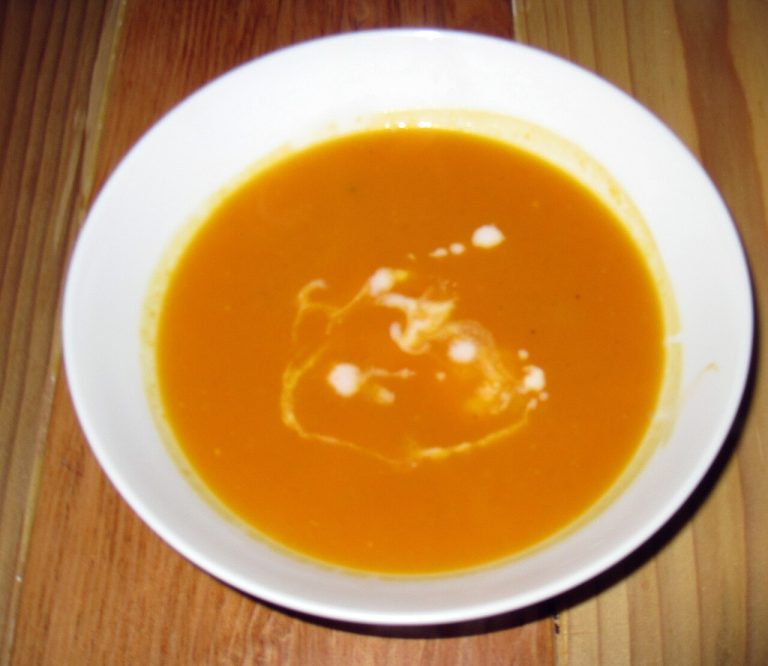
Silky Roasted Butternut Squash Soup
Our favorite way to use a butternut squash. Serve it in small cups as a first course before a holiday meal.
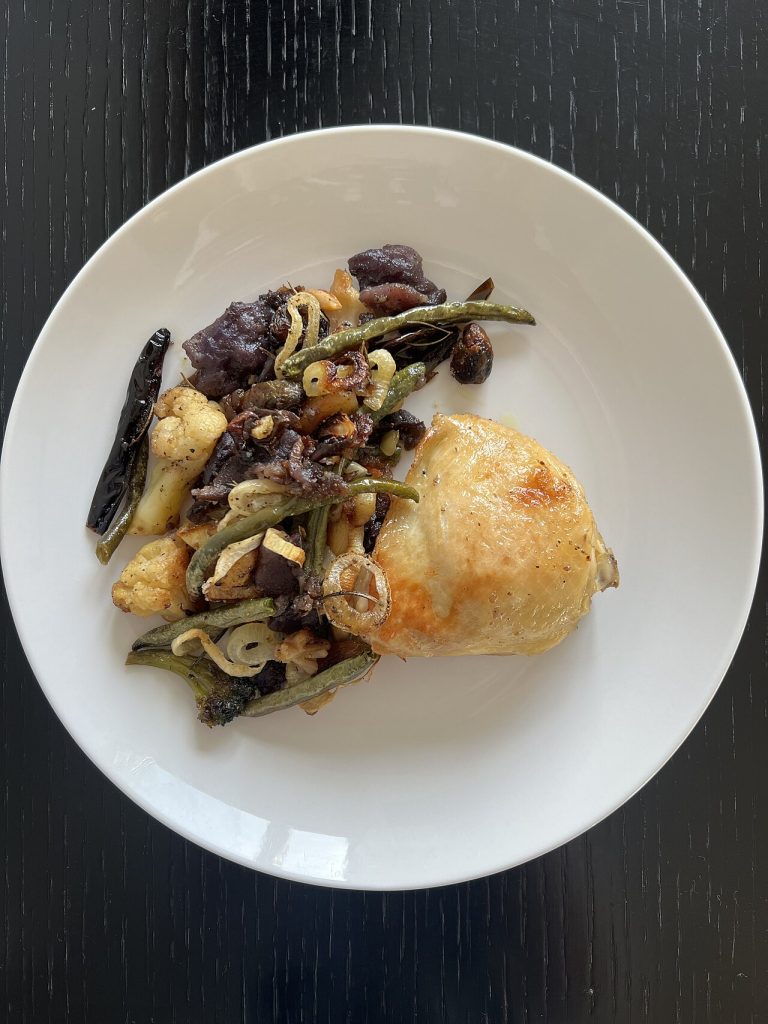
One-Pan Organic Chicken Thighs with Roasted Root Vegetables
Roasted carrots, sweet potato and parsnips under crisp chicken thighs. A good main for a smaller gathering.
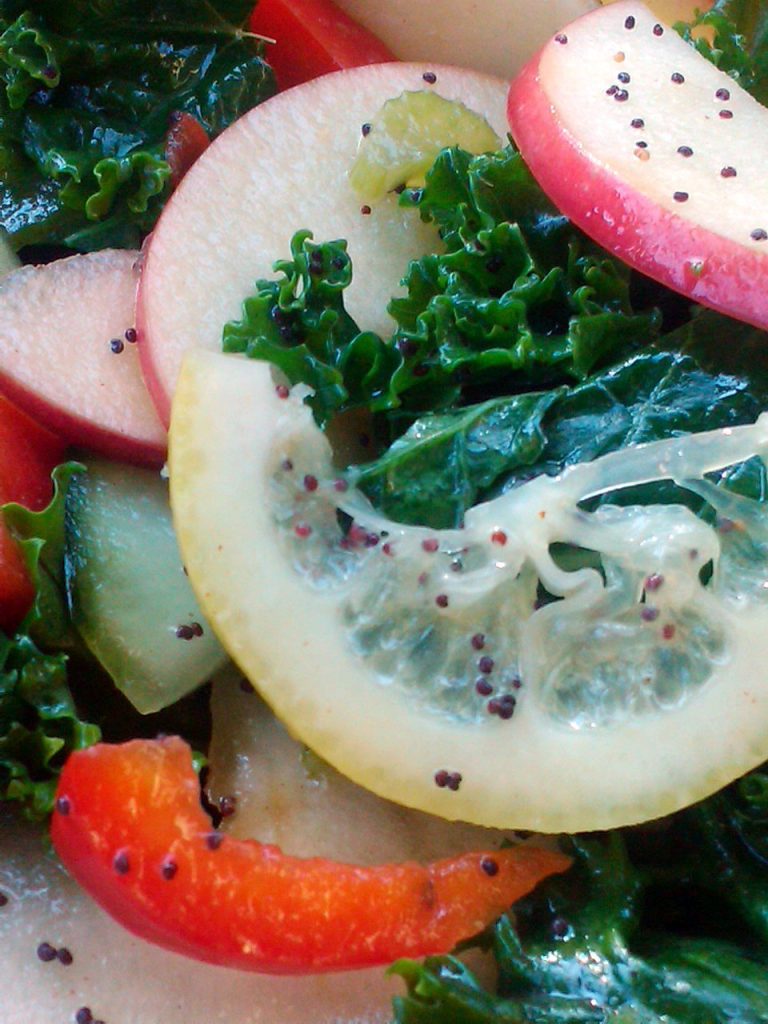
Kale and Apple Salad with Toasted Walnuts
A fresh, crunchy side to balance rich holiday dishes. Toss with dressing up to a day ahead.
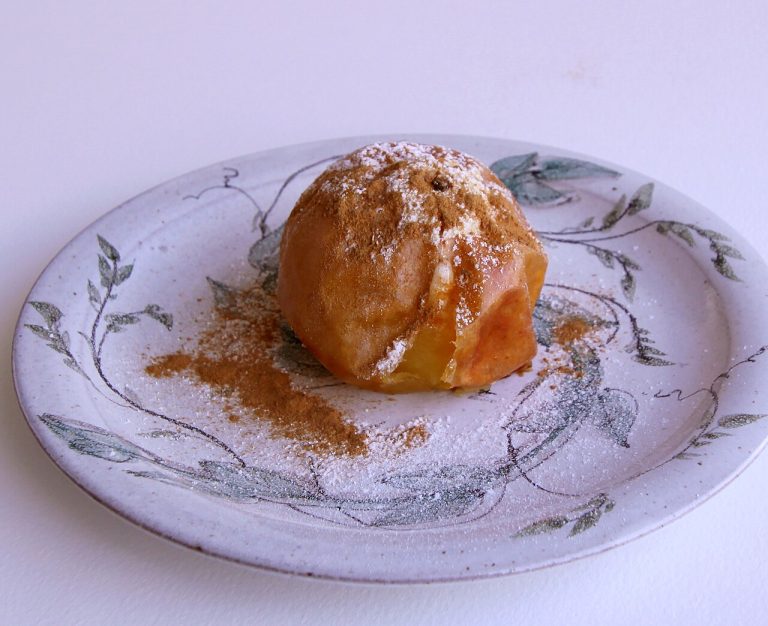
Baked Apples with Oat Crumble
An easy alternative to pie: warm baked apples with an oat crumble. Serve with yogurt or ice cream.
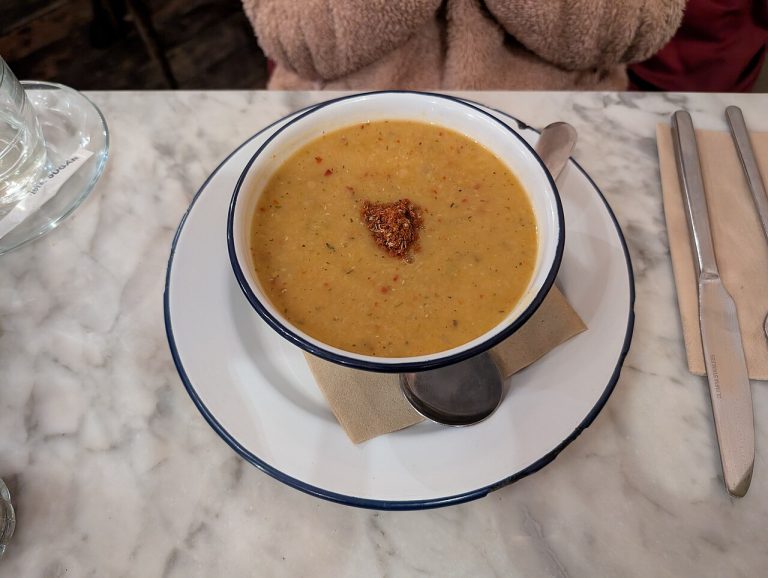
Lentil and Vegetable Soup That Freezes Well
A pot to make on a quiet weekend and freeze for the busy weeks before the holidays.
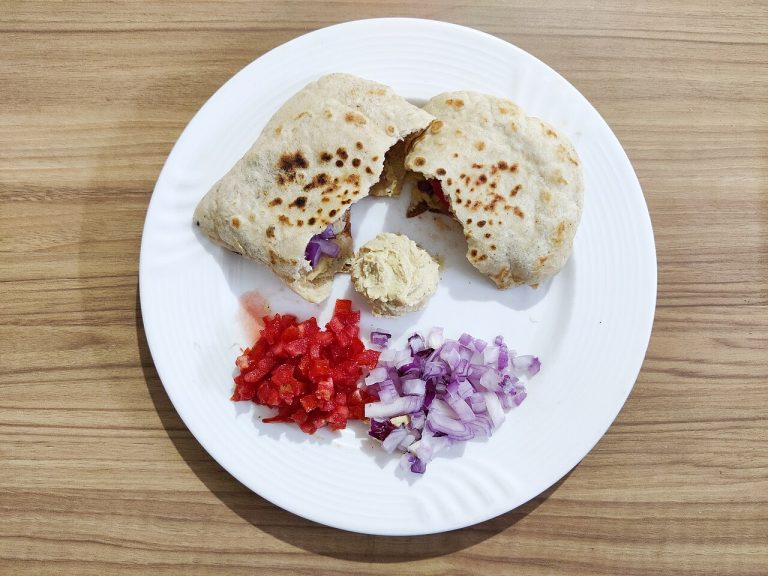
Hummus from Dried Chickpeas (Smoother Than Store-Bought)
Set out with cut vegetables and warm pita as an easy appetizer while the main course finishes.
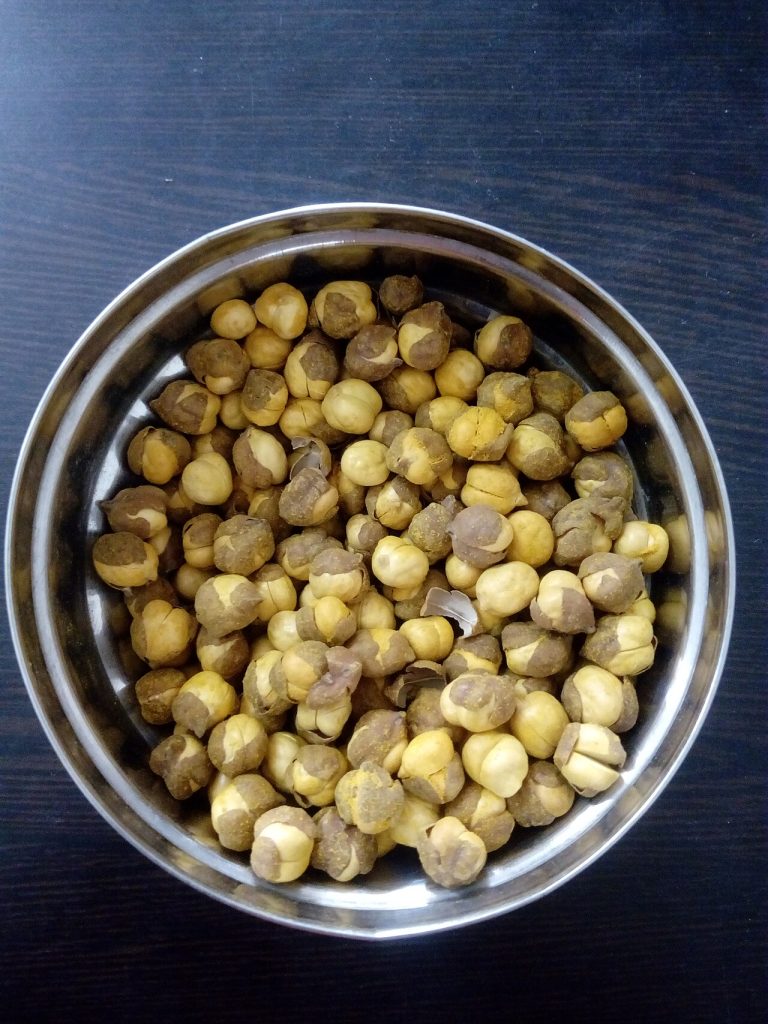
Crispy Roasted Chickpeas, Sweet or Savory
A crunchy snack bowl for guests. Make the cinnamon-maple version for something sweet.

Freezer-Friendly Breakfast Burritos
If you have overnight guests, a freezer full of breakfast burritos takes care of the mornings.
Planning a Thanksgiving-style meal
Choose dishes that use different parts of the kitchen so they are not all fighting for oven space at once. Soup can be made days ahead and reheated on the stove; the kale salad is assembled cold; baked apples can go into the oven while everyone is eating the main course. Write a simple timeline for the day, working back from when you want to eat, and do as much chopping as you can the day before.