
Photo by Nadine Primeau on Unsplash
If you have been trying to improve digestion, feel lighter after meals, and build a healthier routine that actually lasts, gut health is one of the smartest places to start. The foods you choose every day can shape energy, cravings, inflammation, and even how easily your body manages weight. That is why so many people are turning to organic food as a foundation for clean eating, better nutrition, and a more balanced healthy lifestyle.
The gut is more than a digestion center. It is closely connected to immunity, mood, metabolism, and how your body responds to stress. When your meals are built around high-quality organic ingredients, you reduce your exposure to unnecessary additives and often increase your intake of nutrient-dense produce, fiber, and natural antioxidants. Could a simple shift in the way you shop and cook really support weight loss and long-term wellness? For many people, the answer is yes.
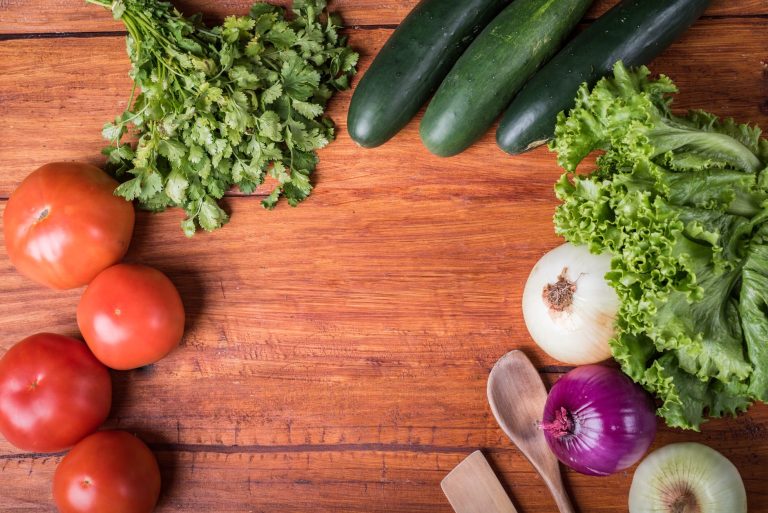
[IMAGE: organic vegetables]
This article explores how organic foods can support gut health in a practical, realistic way. You will find the best foods to include, how to combine them into a healthy diet, and the small habits that turn clean eating from an idea into an everyday rhythm. If you have been looking for a gentle detox diet approach that does not rely on extremes, this is your starting point.
Why Gut Health Matters More Than You Think
Your gut contains trillions of microorganisms that help digest food, absorb nutrients, and keep your body in balance. When that ecosystem is thriving, you may notice fewer digestive complaints, more stable energy, and better appetite control. When it is disrupted, the effects can show up in many surprising ways, from bloating and sluggishness to cravings and skin issues.
Gut health matters because it influences almost every system in the body. Think about the last time your digestion felt off. Did you feel tired, uncomfortable, or less motivated to make healthy choices? That connection is very real. A strong digestive system can make a weight loss plan feel easier because your body is more efficient, your meals feel satisfying, and your hunger signals tend to be clearer.
Organic food supports this process by encouraging a cleaner, more natural pattern of eating. Many organic products are less likely to contain synthetic pesticide residues or unnecessary processing aids. While that is not the only reason they are beneficial, it is one more way they can fit into a health-focused lifestyle built around whole ingredients and mindful nutrition.
How Organic Food Supports Digestive Balance
Organic food is not a magical solution, but it can be a powerful ally. When your meals emphasize organic fruits, vegetables, legumes, grains, nuts, seeds, and quality proteins, you are naturally moving toward a diet that is richer in fiber and micronutrients. That combination matters because the gut microbiome thrives on variety, especially plant diversity.
More fiber, better feeding for beneficial bacteria
Fiber is one of the most important nutrients for gut health. It supports regular bowel movements, slows digestion so you feel full longer, and acts as fuel for beneficial bacteria in the colon. Organic produce often becomes the centerpiece of a cleaner plate, which means it is easier to build meals with enough fiber to support digestion and weight loss.
Examples of fiber-rich organic foods include:
- Organic oats
- Organic apples and pears
- Organic berries
- Organic leafy greens
- Organic carrots
- Organic lentils and beans
- Organic chia seeds and flaxseeds
Each of these foods can support a more regular, comfortable digestive pattern while also helping you stay satisfied between meals. And when you are satisfied, you are less likely to drift toward mindless snacking or highly processed foods that can work against your healthy diet goals.
Less ultra-processed food, more real nourishment
One of the biggest benefits of an organic food-focused approach is that it often reduces dependence on packaged foods. Of course, organic packaged products exist, but the real strength of an organic diet comes from choosing ingredients close to their natural state. The more often your meals look like food rather than a formula, the easier it becomes to support gut health, energy, and body composition.
Ultra-processed foods can be low in fiber and high in sugar, refined starches, or emulsifiers that may not support digestive comfort for everyone. When you choose clean eating recipes made from organic ingredients, you are more likely to keep your meals simple, satisfying, and aligned with your wellness goals.
The Best Organic Foods for Gut Health
If you want to support digestion without making your routine complicated, start with foods that are gentle, versatile, and easy to use in daily meals. The goal is not to be perfect. The goal is to consistently include ingredients that feed your body well and make healthy eating feel enjoyable.
1. Organic leafy greens
Spinach, kale, arugula, romaine, and Swiss chard provide fiber, folate, magnesium, and antioxidants. They are easy to add to smoothies, salads, omelets, and soups. Their light texture and high water content can also help you feel refreshed and less weighed down after meals.
2. Organic fermented foods
Fermented foods can be a helpful addition to a gut-friendly diet because they contain live cultures that support microbial diversity. Choose organic versions when possible to keep your clean eating approach consistent. Great examples include:
- Organic plain yogurt
- Organic kefir
- Organic sauerkraut
- Organic kimchi
- Organic miso
Start slowly if you are not used to fermented foods. A small serving can be enough to help your body adapt comfortably.
3. Organic berries
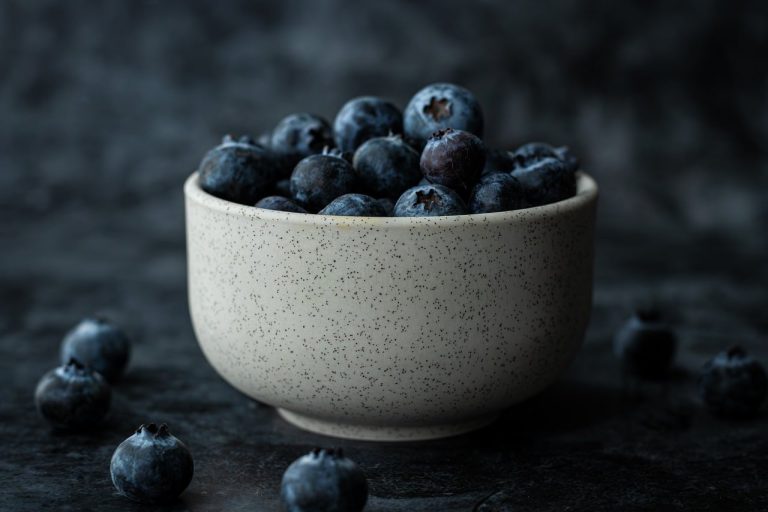
Blueberries, raspberries, blackberries, and strawberries are rich in fiber and polyphenols. These compounds can help support a healthy gut environment while also satisfying a sweet craving in a more nourishing way. If you are trying to reduce added sugar, berries can be an excellent swap in breakfast bowls or snack plates.
4. Organic root vegetables
Carrots, beets, sweet potatoes, and turnips are grounding, filling, and easy to digest when cooked. They are especially useful in a detox diet style of eating because they provide natural sweetness, steady energy, and a comforting base for balanced meals.
5. Organic oats and whole grains
Steel-cut oats, quinoa, brown rice, and buckwheat can help create steady energy and support regular digestion. Their fiber content gives meals more staying power, which is useful if you are aiming for weight loss without feeling deprived.
6. Organic legumes
Lentils, chickpeas, black beans, and white beans are powerful sources of plant protein and fiber. They support fullness, help stabilize blood sugar, and contribute to a healthy lifestyle built around simple, nutrient-dense meals. If legumes are new to you, start with small amounts and cook them thoroughly for easier digestion.
7. Organic seeds and nuts
Chia seeds, flaxseeds, pumpkin seeds, almonds, and walnuts provide healthy fats, fiber, and minerals. They can be sprinkled onto yogurt, blended into smoothies, or added to salads. Just a small amount can make a meal more satisfying.
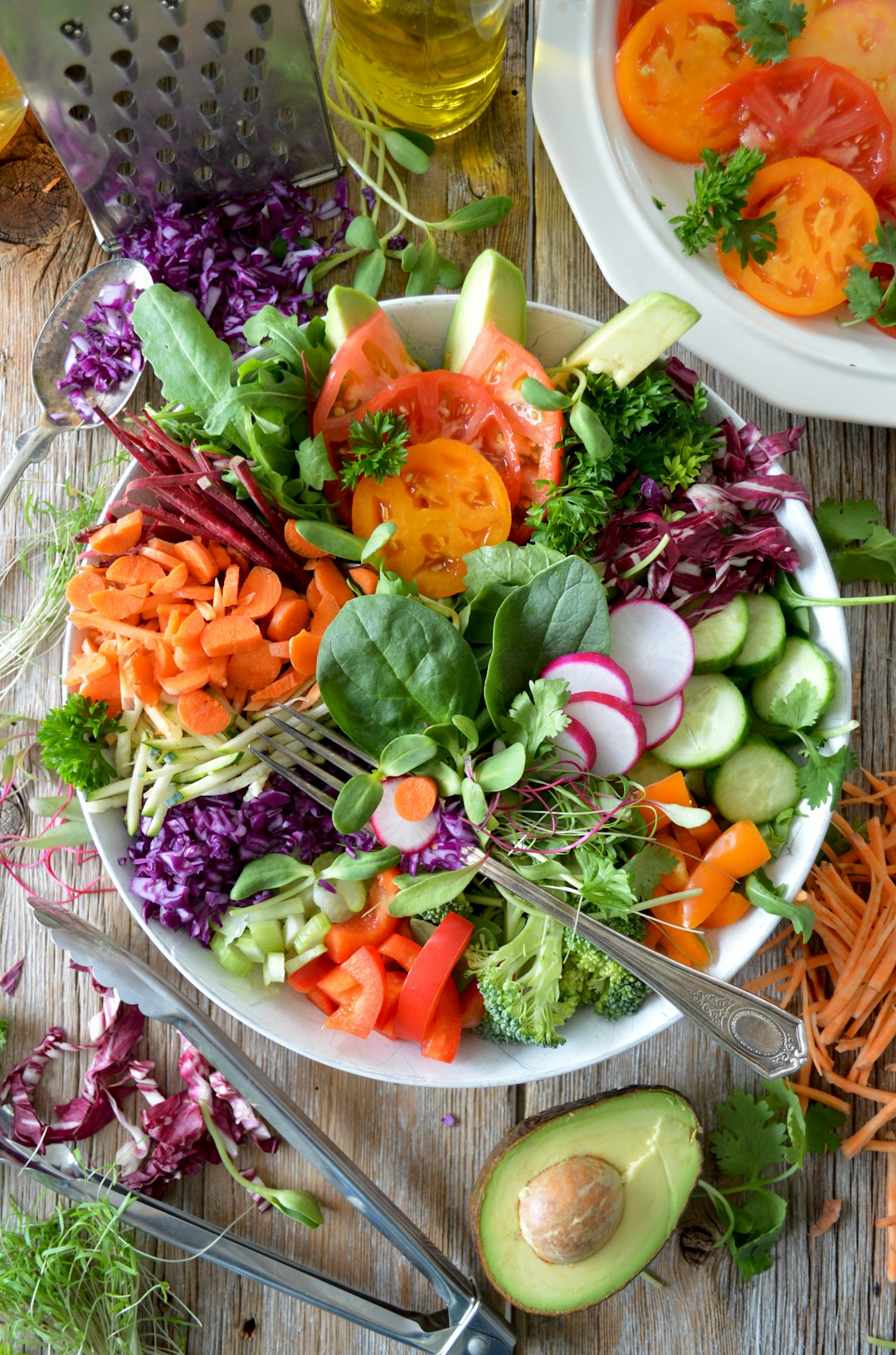
[IMAGE: healthy meal]
Clean Eating Habits That Make Organic Food Work Better
Buying organic food is only part of the story. How you combine ingredients, how often you eat, and how much attention you give to meal timing can make the difference between a short-lived change and a lasting healthy diet. Clean eating is not about strict rules. It is about making food choices that support your body with clarity and consistency.
Build meals around balance
Each main meal should ideally include a source of protein, fiber, and healthy fat. That combination helps regulate appetite and gives your digestive system a smoother ride. For example, a bowl of organic quinoa with roasted vegetables, chickpeas, olive oil, and herbs is more balanced than a bowl of refined carbs alone.
Try this simple plate formula:
- Half the plate: organic vegetables
- One quarter: organic protein source
- One quarter: whole grains or starchy vegetables
- Small amount: healthy fat or seeds
This structure is especially helpful if you want a weight loss plan that feels sustainable rather than restrictive.
Eat slowly and with intention
Digestion begins before the food reaches your stomach. The way you eat affects how well you chew, how much air you swallow, and how quickly your brain registers fullness. Try sitting down without distractions for at least one meal a day. Notice the flavor, texture, and warmth of your food. A calmer eating pace can support better digestion and help you recognize when you have had enough.
Stay hydrated throughout the day
Water is essential for digestion, nutrient transport, and elimination. If your meals are high in fiber, hydration becomes even more important. Herbal teas, infused water, and simple mineral-rich broths can also support comfort without adding unnecessary sugar or stimulants.
Ask yourself honestly: are you drinking enough water to help your clean eating plan work as intended? Many people focus on food but forget that hydration is part of nutrition too.
A Gentle Detox Diet Approach Using Organic Foods
The word detox is often misunderstood. Your body already has detoxification systems in place, especially the liver, kidneys, and digestive tract. The role of a smart detox diet is not to force the body into an extreme cleanse. Instead, it is to reduce the burden of heavy, processed choices and give your system more of what it naturally uses to function well.
An organic food-based detox diet can be a gentle reset. It may help you feel lighter, support better digestion, and reduce the sense of sluggishness that comes from too much sugar, alcohol, or processed food. The key is nourishment, not deprivation.
What to emphasize
- Organic vegetables of many colors
- Organic fruits with lower sugar loads, such as berries and citrus
- Organic herbal teas
- Organic lean proteins
- Organic soups, broths, and steamed dishes
- Simple meals with minimal ingredients
What to reduce temporarily
- Highly processed snacks
- Excess sugar
- Refined grains
- Deep-fried foods
- Alcohol
- Heavy sauces and artificial additives
This is not about punishment. It is about creating space for your body to reset. If you have ever felt pulled toward a simple meal after a stretch of overeating, you already understand the value of a lighter, cleaner pattern of eating.
Organic Foods That Help with Weight Loss Without Feeling Deprived
Weight loss becomes much more achievable when meals help you feel full, steady, and satisfied. Organic food can support that process because it often leads to more whole-ingredient cooking and fewer empty calories. The most effective foods are usually not the trendiest; they are the ones that give you the best return in energy, satiety, and nutrient density.
High-satiety organic options
- Organic eggs
- Organic Greek yogurt
- Organic chicken or turkey
- Organic tofu or tempeh
- Organic beans and lentils
- Organic avocado
- Organic sweet potatoes
- Organic cauliflower
These foods support a healthy diet because they are filling without being excessively calorie-dense. They can help prevent the late-night cravings that often derail progress.
Why fiber and protein matter so much
When fiber and protein appear together at meals, you usually stay satisfied for longer. That means fewer snacks driven by boredom or blood sugar swings. For people pursuing weight loss, this is one of the simplest and most effective changes to make.
For example, an organic salad with grilled chicken, beans, avocado, and seeds has a very different effect on the body than a light salad with minimal protein. The first meal can help you feel stable for hours. The second might leave you hungry again in thirty minutes. Which one would better support your goals?
Small swaps that make a big difference
- Replace sweetened yogurt with organic plain yogurt and berries
- Swap chips for roasted chickpeas or sliced vegetables
- Use oatmeal instead of sugary breakfast cereal
- Choose sparkling water with citrus instead of soda
- Make dressing from olive oil, lemon, and herbs instead of bottled sugar-heavy sauces
These swaps may look modest, but they add up over time. Healthy lifestyle changes are often built from small decisions repeated consistently.
How to Build a Gut-Friendly Organic Kitchen
If you want clean eating to feel effortless, your environment needs to support it. A well-stocked kitchen makes it much easier to prepare nourishing meals instead of defaulting to takeout or processed convenience food. You do not need a gourmet pantry. You need a reliable collection of foods that make healthy choices easy.
Stock these core staples
- Organic oats
- Organic quinoa
- Organic brown rice
- Organic lentils and beans
- Organic nut butter
- Organic olive oil
- Organic canned tomatoes
- Organic frozen vegetables
- Organic fresh fruits
- Organic herbs and spices
Having these ingredients on hand saves time and encourages consistency. Frozen organic vegetables, in particular, are underrated. They are convenient, budget-friendly, and often just as useful as fresh produce in soups, stir-fries, and grain bowls.
Keep your cooking simple
You do not need complicated recipes to support gut health. In fact, simpler meals can be easier to digest and more enjoyable to repeat. Try to master a few dependable formats: a bowl, a soup, a salad, a stir-fry, and a breakfast option. Once those are in place, your healthy diet becomes much easier to sustain.
Simple meal structure example
Breakfast: organic oats with berries, flaxseed, and yogurt.
Lunch: quinoa bowl with roasted vegetables, chickpeas, olive oil, and herbs.
Dinner: salmon or tofu with steamed greens and sweet potato.
Snack: apple slices with nut butter or cucumber with hummus.
Organic Meal Ideas for Better Digestion
Sometimes people know what to buy but not what to make. That is where practical meal ideas can bridge the gap. These combinations are easy enough for a busy week but thoughtful enough to support digestion and nutrition.
Breakfast ideas
- Organic oats with chia seeds, cinnamon, and blueberries
- Greek yogurt bowl with raspberries, walnuts, and pumpkin seeds
- Vegetable omelet with spinach and mushrooms
- Green smoothie with organic kale, banana, flaxseed, and almond milk
Lunch ideas
- Organic lentil soup with carrots and celery
- Quinoa salad with cucumber, tomatoes, herbs, and feta
- Brown rice bowl with roasted vegetables and tofu
- Turkey lettuce wraps with avocado and shredded carrots
Dinner ideas
- Baked salmon with steamed broccoli and sweet potato
- Chicken stir-fry with bok choy and brown rice
- Chickpea curry with cauliflower and spinach
- Stuffed bell peppers with quinoa and beans
Snack ideas
- Carrot sticks and hummus
- Apple with almond butter
- Plain kefir with berries
- Pepitas and dried unsweetened fruit in small portions
[IMAGE: fitness lifestyle]
Common Mistakes That Can Undermine Your Results
Even with the best intentions, it is easy to make choices that slow progress or create frustration. A gut-friendly healthy lifestyle is not only about what to include. It is also about avoiding the habits that make your body work harder than it needs to.
1. Assuming organic automatically means healthy
Organic cookies, organic chips, and organic sweets still count as processed foods. They may be a better option than conventional versions in some cases, but they are not the same as a meal built from whole ingredients. If your goal is better digestion or weight loss, focus on real food first.
2. Eating too little fiber
Many people eat organic food but still fall short on fiber because they rely too heavily on animal products or refined foods. Make sure your meals contain vegetables, fruit, beans, seeds, and whole grains in meaningful amounts.
3. Moving too fast
Big dietary changes can be motivating at first, but they can also be hard to sustain. If you overhaul your kitchen overnight and feel overwhelmed, you may quit before the habits take root. Start with one meal per day, then one week at a time.
4. Ignoring hydration and sleep
Digestion does not happen in a vacuum. Poor sleep and dehydration can affect hunger, cravings, and stress response. If you are serious about nutrition, these fundamentals matter just as much as your grocery list.
5. Relying on willpower instead of preparation
Healthy eating becomes much easier when you prep ingredients in advance. Wash greens, cook grains, portion snacks, and keep simple meals ready. Preparation is one of the most underrated tools in any weight loss or clean eating strategy.
A Practical One-Day Organic Gut Health Menu
If you want a clear example of how this all comes together, here is a simple day of eating that balances flavor, digestion support, and healthy lifestyle goals. It is not meant to be rigid. Use it as a flexible template.
Morning
Start with a glass of water and a short walk if possible. Breakfast could be organic oats with chia seeds, cinnamon, blueberries, and a spoonful of plain yogurt. This combination gives you fiber, slow-burning energy, and a satisfying texture that does not spike cravings.
Midday
Lunch might be a quinoa bowl with organic greens, roasted carrots, chickpeas, cucumber, pumpkin seeds, and a lemon-olive oil dressing. It is light enough to feel comfortable but substantial enough to support energy through the afternoon.
Afternoon
A snack of apple slices with almond butter or kefir with berries can help prevent energy dips. If you tend to reach for convenience snacks, having a prepared option on hand can make all the difference.
Evening
Dinner could be baked salmon, roasted sweet potatoes, and steamed broccoli with herbs. If you prefer plant-based meals, replace the salmon with tofu or lentils. The focus should remain on simple, nourishing ingredients that your body can easily use.
Later in the evening, herbal tea and a calm routine can support digestion before bed. What would happen if your day ended with less stimulation and more consistency? Many people discover that their cravings improve once their evenings become more intentional.
How to Make Organic Eating Sustainable on a Real Budget
A common myth is that organic food is only for people with unlimited time and money. In reality, a sustainable organic diet is possible when you plan strategically. You do not have to buy everything organic at once. You can prioritize the foods you eat most often and build from there.
Budget-smart priorities
- Buy organic versions of heavily used produce first
- Choose frozen organic fruits and vegetables when they are more affordable
- Purchase grains, beans, and oats in bulk
- Cook larger batches and repurpose leftovers
- Use seasonal produce for better price and flavor
Another practical strategy is to focus on quality over quantity. A few well-chosen organic ingredients can create several meals, especially when paired with pantry staples. This approach is not only economical, it also supports a cleaner and less stressful relationship with food.
Plan once, eat well all week
When you prep grains, roast vegetables, and cook a protein source in advance, you make it easier to assemble balanced meals quickly. That matters on busy days when the temptation to skip a healthy meal is highest. Convenience should work for your health, not against it.
Who Can Benefit Most from an Organic Gut Health Approach
Almost anyone can benefit from a more thoughtful way of eating, but this approach is especially useful for people who notice bloating, unstable energy, frequent snacking, or a sense that their current routine is not helping them feel their best. If you want weight loss to feel less like a battle and more like a natural outcome of your habits, gut-friendly organic meals can help.
It may also be especially valuable if you are trying to:
- Improve digestion naturally
- Reduce reliance on processed foods
- Support a healthy lifestyle with realistic routines
- Increase daily fiber intake
- Build meals that are satisfying and nutrient-rich
- Explore a gentle detox diet without extreme restriction
No single food plan works for everyone, of course. But when you center your diet on whole organic ingredients, you give your body a better chance to respond with steadier appetite, improved comfort, and more reliable energy.
There is something powerful about eating in a way that feels both nourishing and calm. Organic food can help make that possible because it encourages you to slow down, choose better ingredients, and reconnect with the basics of nutrition. Whether your goal is weight loss, better digestion, or simply a more balanced healthy lifestyle, the path often begins with the meals you repeat every day. Choose foods that support your body, keep your kitchen simple, and let clean eating become the routine that quietly changes everything. If you want more practical guidance on organic food, detox diet ideas, and healthy recipes, keep exploring the articles on DietOrganic and build your next meal with intention.
About the Author