
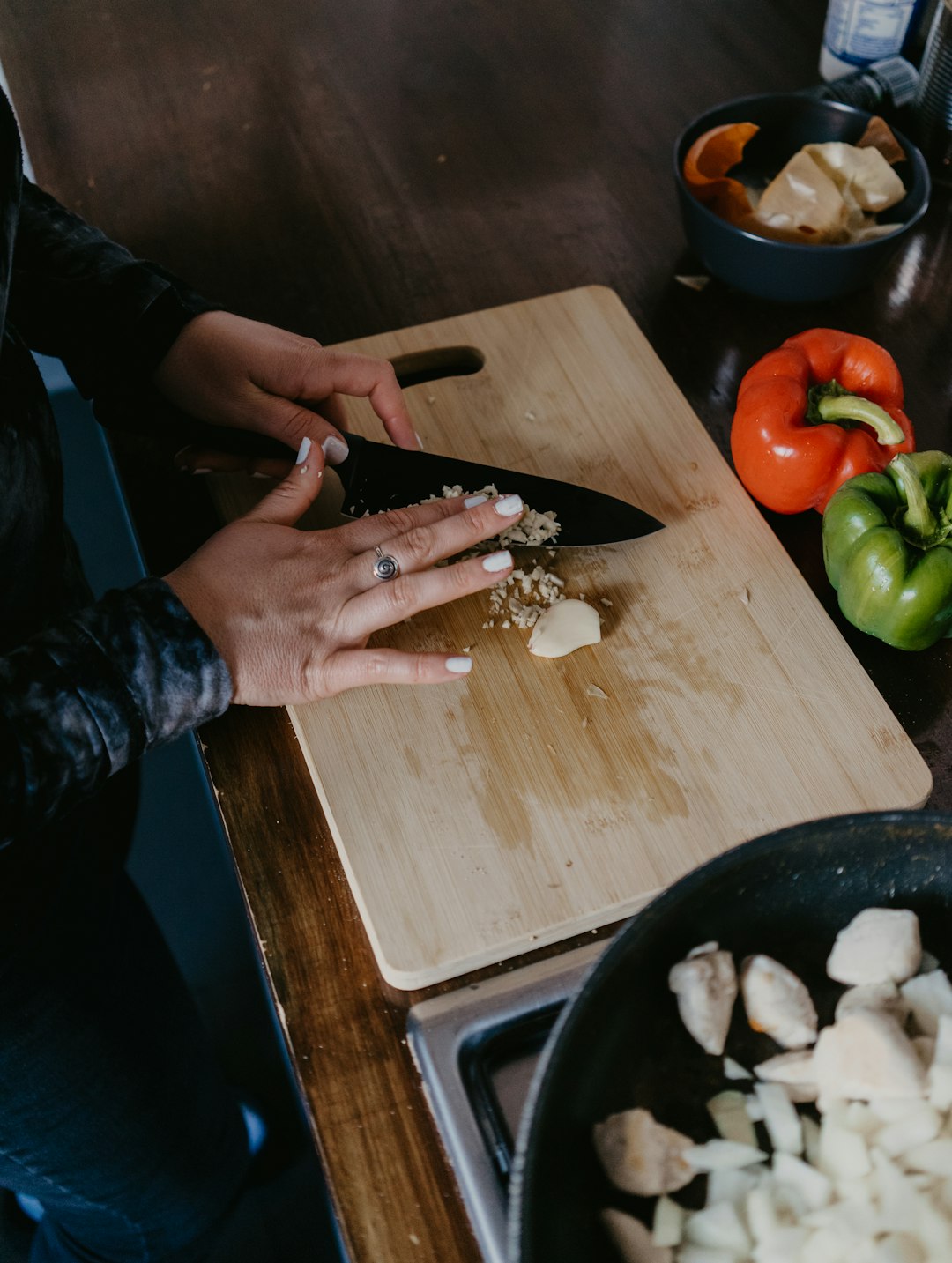
Photo by Toa Heftiba on Unsplash
If you have been trying to lose weight without feeling deprived, you are not alone. The modern conversation around weight loss often focuses on restriction, but the more sustainable path usually looks very different: smarter food choices, better nutrition, steady energy, and a clean eating routine you can live with long term. That is where organic food can make a meaningful difference. When your plate is built around minimally processed, nutrient-rich ingredients, it becomes easier to support a healthy lifestyle, manage cravings, and stay consistent enough to see results.
What should you actually be eating if your goal is fat loss without the constant rebound of extreme diets? Which organic foods are worth prioritizing, and which ones just sound healthy but quietly slow progress? Those questions matter because not all healthy-looking foods support weight loss equally. In this guide, we will look at the best organic foods for weight loss, how to build balanced meals, and how to turn a good plan into a realistic daily habit. Along the way, you will see why organic nutrition is not about perfection, but about making choices that help your body feel lighter, steadier, and more energized.
Why organic food can support weight loss
Weight loss is not only about eating less. It is also about creating a food environment that helps you feel satisfied, stable, and less likely to overeat. Organic food can support that process because it often fits naturally into a cleaner, less processed diet. When you choose more whole foods and fewer packaged products, you usually consume more fiber, more micronutrients, and fewer hidden sugars or additives that can make appetite harder to manage.
There is also a behavioral side to this. People who shift toward clean eating often become more intentional with every meal. They pay attention to ingredient labels, portion sizes, and cooking methods. That awareness alone can lead to better nutrition decisions. Have you noticed how easy it is to mindlessly eat when food comes from a box or bag? Whole organic foods tend to interrupt that autopilot pattern.
Organic does not mean magical, but it can be practical
It is important to be honest: no single organic food burns body fat on its own. Weight loss still depends on calorie balance, movement, sleep, stress management, and consistency. But organic foods can make those fundamentals easier to follow because they usually encourage simpler meals. A plate of roasted vegetables, grilled fish, and quinoa is more filling than a processed meal with the same calorie count. That kind of meal structure matters when you want long-term results instead of a short burst of progress.
Another advantage is taste. Fresh organic produce often has a more vibrant flavor, which can make healthy eating feel more satisfying. When healthy food tastes good, you are far more likely to repeat the habit. And repeatable habits are what create real body composition changes.
The clean eating effect on appetite and energy
Clean eating tends to stabilize blood sugar better than a diet built on refined carbohydrates and ultra-processed snacks. Stable blood sugar can mean fewer energy crashes, fewer sudden cravings, and less emotional eating. If your goal is weight loss, that matters. Why? Because many people do not struggle with overeating at one large meal; they struggle with repeated snacking triggered by fatigue, stress, or unstable hunger.
Organic foods that are rich in protein, fiber, and water content can help you feel full for longer. That fullness is not only physical. It creates mental ease. You stop thinking about food every hour and begin to trust your body again.
The best organic foods for weight loss
Some organic foods offer especially strong support for fat loss because they are low in calories, high in nutrients, and easy to build into everyday meals. The goal is not to chase novelty. It is to choose foods that help you stay satisfied while keeping your overall diet balanced. Below are some of the smartest options to prioritize.
Leafy greens
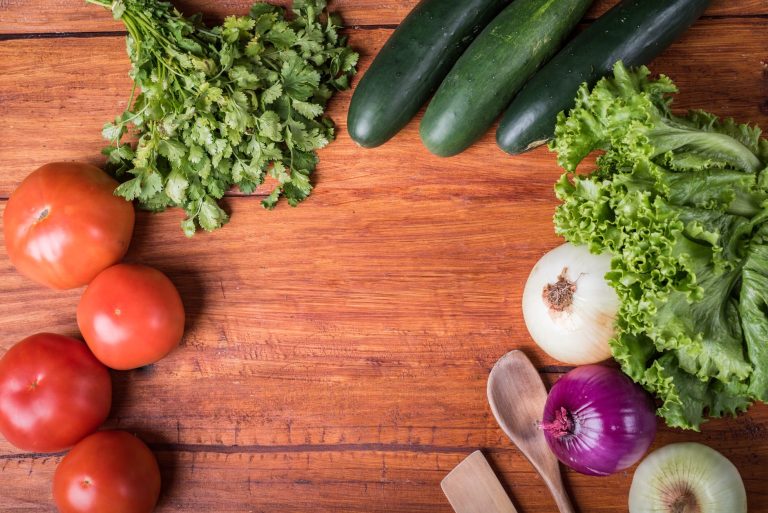
Spinach, kale, arugula, romaine, Swiss chard, and mixed salad greens should be at the center of a clean eating plan. They are low in calories but high in volume, so you can eat a generous portion without pushing your calorie intake too high. They also provide folate, vitamin K, magnesium, and antioxidants that support overall nutrition.
Leafy greens are especially useful when weight loss feels slow. They help you build bigger meals with fewer calories, which can be psychologically helpful. A plate that looks abundant tends to feel more satisfying than a sparse plate, even if the calorie difference is meaningful.
- Add spinach to omelets or smoothies
- Use romaine or kale as a base for lunch bowls
- Quickly sauté greens with garlic and olive oil for dinner
- Mix arugula into grain bowls for a peppery bite
Cruciferous vegetables
Broccoli, cauliflower, Brussels sprouts, cabbage, and bok choy are among the best organic foods for weight loss because they are filling, versatile, and deeply nourishing. They contain fiber and plant compounds that support digestive health and may help your body process food more efficiently. If you are looking for a nutrient-dense side dish that does not sabotage your goals, this category deserves a permanent spot on your shopping list.
Cauliflower rice, roasted broccoli, and cabbage slaw can replace more calorie-dense sides without making meals feel bland. The key is seasoning them well. Clean eating should never mean dull eating.
Berries
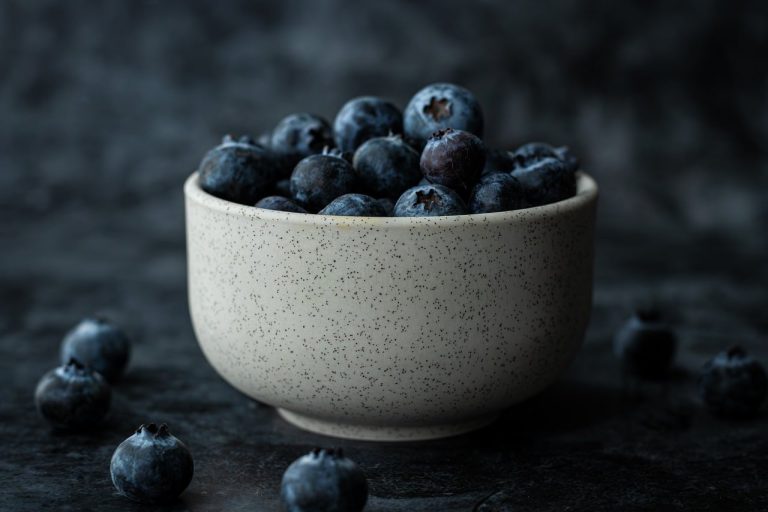
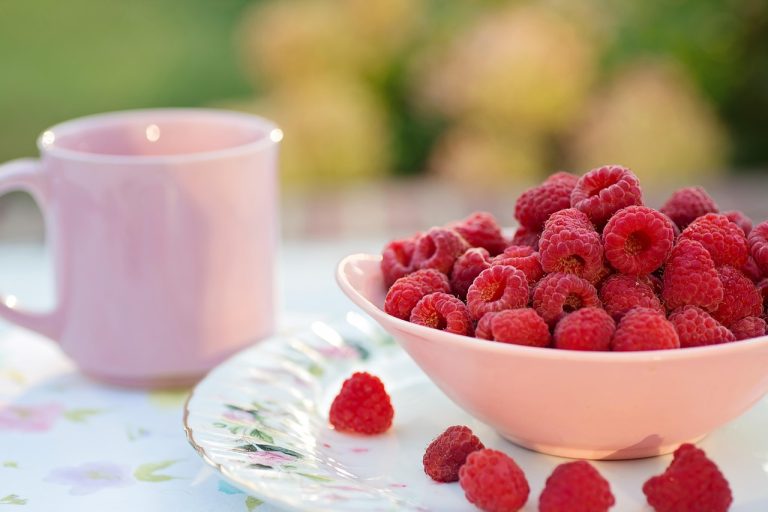
Blueberries, strawberries, raspberries, and blackberries are excellent choices for anyone focusing on weight loss. They satisfy a sweet craving while providing fiber, water, and antioxidants. Because berries are naturally portion-friendly, they are easier to enjoy mindfully than many dried or processed snacks.
If you often crave dessert at night, berries can be a smart swap. Pair them with plain Greek yogurt, cottage cheese, or a small handful of nuts, and you have a balanced snack that supports satiety instead of triggering another round of snacking.
Apples and citrus fruits
Apples, oranges, grapefruit, lemons, and limes are classic organic staples for a healthy lifestyle. Apples deliver fiber and crunch, which makes them especially useful for appetite control. Citrus fruits are hydrating and refreshing, and they can make water, salads, and simple dishes feel more vibrant. When you want to stay committed to a detox diet or a lighter eating pattern, these fruits are practical allies.
A whole apple will usually support your goals better than apple juice. Why? Because chewing, fiber, and volume all help the body register fullness more effectively.
Organic eggs
Organic eggs are one of the most useful protein sources for weight loss. They are quick to cook, easy to pair with vegetables, and highly satiating. Starting the day with a protein-rich breakfast can help reduce midmorning cravings and keep your nutrition on track. If you have ever felt hungry an hour after eating breakfast, a low-protein, high-carb meal may be part of the problem.
Eggs are also flexible. You can boil them ahead of time, scramble them with greens, or build a breakfast bowl with avocado and tomatoes. That kind of convenience matters when you are trying to eat well on a busy schedule.
Plain Greek yogurt
Unsweetened Greek yogurt offers high protein, probiotics, and a creamy texture that can replace less healthy desserts or snacks. Choose plain organic versions whenever possible, then add your own berries, chia seeds, or cinnamon. This keeps added sugar low while still giving you a meal or snack that feels satisfying.
If your goal is weight loss, yogurt is most effective when it is used deliberately. A fruit-flavored cup with extra sweeteners may look healthy, but it can behave more like dessert than a nourishing snack.
Legumes and lentils
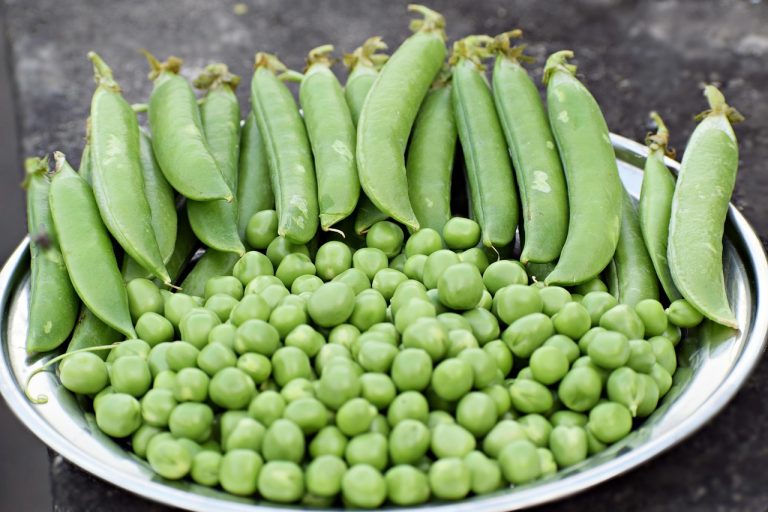
Organic lentils, black beans, chickpeas, and other legumes are excellent for nutrition and weight loss because they combine fiber and plant-based protein. This combination promotes fullness and supports stable energy levels. They are also budget-friendly, which makes clean eating more sustainable over time.
Legumes work especially well in soups, salads, grain bowls, and vegetable stews. If you are trying to reduce reliance on processed meats or refined carbs, these foods can help you build a satisfying plate without overspending or overcomplicating your meals.
Nuts and seeds
Almonds, walnuts, chia seeds, flaxseeds, hemp seeds, and pumpkin seeds provide healthy fats, protein, and important minerals. They are calorie-dense, so portion size matters, but they can support weight loss when used thoughtfully. A tablespoon of chia seeds in yogurt or a small handful of almonds with fruit can help curb hunger between meals.
These foods are especially valuable when you need a snack that is more stable than a refined carbohydrate option. Instead of reaching for crackers or cookies, you can create a more nourishing pause in your day.
Avocados
Avocados deserve a place in a healthy diet, but they work best in measured amounts. Their healthy fats and fiber can make meals more satisfying, which can reduce overeating later. Think of avocado as a quality fat source rather than a free food. A few slices on a salad or a half avocado in a breakfast bowl is often enough.
Used wisely, avocado can make clean eating feel richer and more enjoyable. Used carelessly, it can quietly add more calories than you intended.
Whole grains like oats and quinoa
Organic oats, quinoa, brown rice, and barley can support weight loss when portions are controlled. These grains provide steady energy and fiber, which can be especially useful if you exercise regularly or need a filling base for meals. The trick is to let grains support the plate rather than dominate it.
For example, a bowl of quinoa with roasted vegetables, greens, and grilled chicken is very different from a large mound of quinoa topped with a small garnish of vegetables. The structure of the meal matters as much as the ingredients.
Lean organic proteins
Weight loss becomes much easier when every main meal includes a solid source of protein. Organic chicken breast, turkey, fish, tofu, tempeh, and low-fat dairy all help preserve muscle while keeping hunger under control. Protein also has a high thermic effect, meaning your body uses more energy digesting it than it does digesting fat or carbohydrate.
When people struggle to lose weight, protein intake is often one of the first things that needs attention. Ask yourself: are you building meals around protein, or are you hoping vegetables and snacks will somehow do the job alone?
[IMAGE: organic vegetables]
How to build a clean eating plate that supports fat loss
Once you know which organic foods to prioritize, the next step is learning how to combine them. The right meal structure can make a major difference in how full, focused, and satisfied you feel after eating. A healthy diet should work with your appetite, not against it. That is why a simple plate method is often more effective than a rigid set of rules.
The half-plate rule
Fill half your plate with non-starchy vegetables. This could mean leafy greens, broccoli, cauliflower, zucchini, asparagus, cucumbers, peppers, or a mixed salad. That one habit creates volume, fiber, and a sense of abundance without excessive calories. It also naturally crowds out more calorie-heavy foods that may not serve your goals.
If your plate is dominated by starches or oils, you may feel full for a moment but hungry again soon after. Vegetables help solve that problem by making the meal physically bigger and nutritionally richer.
Anchor meals with protein
Every meal should include a clear protein source. This can be eggs, Greek yogurt, fish, chicken, turkey, tofu, tempeh, lentils, or beans. Protein supports muscle maintenance during weight loss, and muscle tissue is metabolically important. The more lean mass you preserve, the better your body tends to handle fat loss over time.
A practical target is to include a palm-sized portion of protein at lunch and dinner, and a meaningful amount at breakfast as well. If your mornings are rushed, make overnight oats with yogurt, chia, and berries, or prepare egg muffins in advance.
Add healthy fats with intention
Healthy fats are essential for hormones, satiety, and nutrient absorption, but they are easy to overconsume. Use them to enhance meals, not to drown them. Olive oil, avocado, seeds, nuts, and small amounts of nut butter can make clean eating more enjoyable when portioned carefully.
A useful question is this: am I adding this fat to improve the meal, or am I adding it because it tastes so good that I am no longer paying attention to portion size?
Do not fear carbohydrates
Organic carbohydrates are not the enemy. In fact, carbohydrates from fruit, oats, beans, and whole grains can support energy, training, and recovery. The problem is usually not carbohydrates themselves, but the form they come in and the quantity consumed. Refined carbs tend to digest quickly and may leave you hungry again; fiber-rich carbs do the opposite.
For a healthy lifestyle, choose carbohydrates that come packaged with nutrients and fiber. A baked sweet potato with vegetables and salmon will do more for your body than a pastry, even if both contain carbs.
A simple plate formula
Here is a practical way to assemble meals:
- Half the plate: non-starchy vegetables
- One quarter of the plate: lean protein
- One quarter of the plate: whole carbohydrates or legumes
- One small portion: healthy fat or garnish
This formula is flexible, which is why it works. It gives you structure without turning every meal into a math problem.
Organic foods that are helpful, but easy to overeat
One of the biggest myths in clean eating is that healthy food cannot slow weight loss. In reality, even organic foods can stall progress if portions are uncontrolled. This is not a reason to avoid them; it is a reason to use them wisely. A balanced nutrition plan is built on awareness, not fear.
Nut butters
Organic peanut butter and almond butter can be excellent sources of flavor and healthy fat, but they are calorie-dense. A spoonful can become three spoonfuls very quickly, especially if you are hungry or eating from the jar. Measure it when possible and pair it with fruit or whole-grain toast for a more balanced snack.
Granola and energy bars
These products often market themselves as natural or organic, yet many still contain substantial amounts of sugar and oils. They can be useful in a pinch, but they should not become your primary food source. If weight loss is your goal, build your snacks around whole ingredients more often than packaged ones.
Dried fruit
Dried organic fruit may seem harmless, but it is much easier to overeat than fresh fruit because the water has been removed. A handful of raisins can contain a surprisingly large amount of sugar and calories. Fresh berries, apples, and oranges are usually better choices for daily use.
Smoothies
Even healthy smoothies can become calorie bombs when they contain too much fruit, sweeteners, nut butters, and add-ins. A better approach is to keep smoothies simple: greens, protein, berries, liquid, and maybe a small amount of seeds. That way, you get nutrition without turning a drink into a dessert.
A sample organic eating framework for a weight loss day
One of the easiest ways to stay on track is to stop wondering what to eat at each meal. Instead, build a framework you can repeat and adapt. Here is a sample day that reflects a clean eating, organic food approach without feeling extreme or unrealistic.
Breakfast
Try scrambled organic eggs with spinach and tomatoes, plus a side of berries. If you prefer something lighter, Greek yogurt with chia seeds and blueberries is another strong option. Breakfast should wake up your metabolism, not drain your energy. What would happen if your first meal made you feel focused instead of sluggish?
- 2 to 3 eggs with sautéed greens
- 1 small serving of oats with cinnamon and berries
- Plain Greek yogurt with seeds
Lunch
A lunch bowl might include grilled chicken, leafy greens, cucumber, broccoli, quinoa, and a light olive oil dressing. If you eat plant-based, swap the chicken for chickpeas or lentils and add tofu or tempeh. The goal is to create a meal that is satisfying enough to prevent afternoon snacking.
- Protein: chicken, tofu, beans, or fish
- Vegetables: leafy greens, peppers, cucumber, broccoli
- Carb: quinoa, brown rice, or lentils
- Fat: olive oil, seeds, or avocado
Snack
Choose one or two small snacks rather than grazing all afternoon. A good snack might be an apple with a few almonds, carrot sticks with hummus, or yogurt with cinnamon. If you are not truly hungry, water, tea, or a walk may be more effective than food.
Dinner
Dinner can be simple and deeply nourishing. Salmon with roasted Brussels sprouts and cauliflower is a strong option. So is turkey with cabbage slaw and sweet potato. If you want a plant-based meal, lentil stew with greens and herbs is comforting while still supporting weight loss.
[IMAGE: healthy meal]
Evening pattern
If you tend to snack late at night, create a routine that supports recovery instead of boredom eating. Herbal tea, a short walk, stretching, or a protein-forward dessert like yogurt with berries can help close the kitchen without feeling deprived.
Organic meal prep ideas that make healthy eating easier
Meal prep is one of the simplest ways to stay aligned with a healthy diet when life gets busy. The more decisions you remove from the week, the easier it becomes to follow through. You do not need a perfect Sunday reset. You need a few reliable staples that reduce friction during the busiest hours of your day.
Prep proteins in batches
Cook several portions of chicken, turkey, tofu, or lentils at once. Store them in clear containers so they are easy to see and use. Once protein is ready, building meals becomes much faster.
Wash and chop vegetables
Prepping vegetables in advance is one of the best clean eating habits you can build. Wash greens, cut cucumbers, roast broccoli, and slice peppers so they are ready to add to any meal. If healthy food is easy to reach, you are more likely to choose it.
Keep quick staples on hand
Stock your kitchen with organic foods that can become meals in minutes:
- Frozen organic berries
- Organic eggs
- Plain Greek yogurt
- Lentils and beans
- Brown rice or quinoa
- Baby spinach and salad greens
- Carrots, cucumbers, and peppers
These staples make it easier to avoid impulsive takeout or processed snacks when your schedule gets hectic.
Use frozen organic produce strategically
Frozen organic fruits and vegetables are often just as useful as fresh ones, and sometimes more convenient. They reduce waste, save money, and make it easier to keep healthy ingredients available all week. For weight loss, convenience is not a weakness. It is a success factor.
Common organic diet mistakes that slow weight loss
Many people begin a clean eating journey with good intentions but accidentally make choices that undermine progress. The goal is not to judge those mistakes. It is to recognize them early so you can keep moving forward with confidence. If weight loss feels inconsistent, one of these patterns may be the reason.
Eating too much of the healthy stuff
Organic food is still food, and food still contains calories. Nuts, oils, avocados, cheese, and even whole grains can push intake higher than you realize. This is why portion awareness matters. Healthy ingredients work best when they are part of a thoughtful structure.
Skipping protein
If meals are mostly fruit, salads, or low-calorie snacks, hunger will usually catch up later. Protein is not optional in a fat-loss plan. It is a stabilizer. Without enough protein, it is harder to preserve muscle, stay full, and avoid rebound hunger.
Confusing natural with low-calorie
Honey, maple syrup, coconut sugar, and organic juices are often seen as healthier than refined sugar, but they still count. Natural does not mean unlimited. If you are trying to lose weight, even better-quality sweeteners should be used sparingly.
Turning every meal into a project
Some people burn out because they believe clean eating must involve elaborate recipes every day. It does not. Simple meals are often the best meals. The fewer obstacles between you and a healthy choice, the more consistent you will be.
Not eating enough
There is a difference between a sustainable calorie deficit and chronic under-eating. If you feel weak, irritable, or obsessed with food, your plan may be too aggressive. Sustainable weight loss should still allow you to think clearly, move well, and enjoy your life.
Clean eating and metabolism: what actually helps
Many people want foods that boost metabolism naturally, but the truth is more practical than dramatic. No organic food will transform your metabolism overnight. Still, certain habits support a healthier metabolic environment over time. Protein, muscle-building movement, sleep, hydration, and regular meals all play a role.
Some foods may slightly increase the thermic effect of food, especially protein-rich meals, but the bigger picture is more important. When your nutrition is stable and your body is well fueled, it becomes easier to stay active, recover from workouts, and maintain consistent energy. That consistency is what supports meaningful weight loss.
Hydration matters more than most people think
Sometimes hunger is actually thirst or fatigue in disguise. Drinking enough water can support digestion, reduce unnecessary snacking, and improve how you feel during workouts. Add lemon, cucumber, or mint if plain water feels boring. The best hydration routine is the one you actually follow.
Sleep and stress influence appetite
If you sleep poorly, your appetite hormones may become harder to manage. If stress is high, you may crave salt, sugar, or quick energy more often. Organic food can help, but it cannot fully compensate for a stressed nervous system. Rest is part of nutrition, even though many people forget that.
Movement improves the result
Walking, strength training, cycling, yoga, and interval sessions can all support weight loss when paired with good nutrition. Movement improves insulin sensitivity, preserves muscle, and helps you use the energy from food more effectively. Clean eating and exercise are most powerful when they work together, not separately.
[IMAGE: fitness lifestyle]
Smart shopping tips for an organic weight loss diet
Healthy eating becomes much easier when your kitchen is stocked with the right ingredients. Grocery shopping is where success often begins. If the cart is full of supportive foods, your daily choices get simpler. If your kitchen is full of random snacks and convenience items, willpower has to work much harder.
Shop the perimeter, then the freezer aisle
Fresh produce, dairy, eggs, fish, and lean proteins are often found around the edges of the store. The freezer aisle can also be a goldmine for organic vegetables, berries, and prepped ingredients. You do not need to buy everything fresh to eat well.
Choose seasonal produce
Seasonal fruits and vegetables tend to taste better and cost less. They also make your meals feel more connected to the rhythm of the year. In spring, think asparagus, greens, and strawberries. In fall, think squash, apples, and Brussels sprouts. Shopping seasonally can make clean eating feel more enjoyable and less repetitive.
Read labels with a calm eye
Organic labels can be helpful, but they do not replace ingredient awareness. Check for added sugars, refined oils, and excessive sodium. A product can be organic and still be highly processed. If the ingredient list is long and the food is easy to overeat, consider whether it truly belongs in your weight loss plan.
Buy what supports your routine
The best diet is the one you can sustain. If pre-washed greens help you eat more salad, buy them. If plain yogurt and berries make breakfast easier, keep them stocked. The more your grocery list matches your real life, the more successful your healthy lifestyle will be.
What an organic diet can do for body confidence and energy
Weight loss is often framed as the ultimate goal, but many people discover that the deeper reward is how much better they feel along the way. Better digestion, fewer energy crashes, more stable mood, and a lighter relationship with food can be just as valuable as changes on the scale. That is one reason clean eating has such lasting appeal.
When your meals are based on organic food, you may begin to notice subtle improvements that add up: less bloating after meals, better focus in the afternoon, and a stronger sense of control around food choices. Those are not small wins. They are the building blocks of a healthier life.
The best part is that you do not need to do everything at once. Start with breakfast. Add vegetables to lunch. Swap one processed snack for fruit and protein. Then repeat. Does that sound too simple? In practice, simple is exactly what makes the change stick.
If you want weight loss that feels grounded instead of punishing, build your days around organic foods that help you feel full, clear-headed, and steady. Keep your meals simple, your portions intentional, and your expectations realistic. Over time, those choices support more than a smaller waistline; they support a healthier rhythm of living that feels good to repeat. If you are ready for more practical guidance on organic food, nutrition, and a clean eating lifestyle, explore more DietOrganic articles and keep refining the habits that make healthy living feel natural.
About the Author