
Photo by www.kaboompics.com on Pexels
Gut health has become one of the most important conversations in modern nutrition, and for good reason. The digestive system does far more than process meals; it influences energy, immunity, skin, mood, and even the way your body handles weight. When your gut feels calm and balanced, healthy living starts to feel easier. When it does not, everything from cravings to bloating can make clean eating feel frustrating instead of empowering. That is why organic food deserves a closer look. Choosing organic foods for gut health is not about chasing trends. It is about giving your body ingredients that are closer to their natural state, richer in supportive nutrients, and often easier to work into a long-term healthy lifestyle.
If you have ever wondered why some people seem to thrive on a simple diet of organic vegetables, fermented foods, whole grains, and lean proteins, the answer often begins in the digestive tract. The gut is home to trillions of microorganisms that help break down food, produce useful compounds, and maintain balance throughout the body. The foods you choose every day can either feed this ecosystem or disrupt it. That is where an organic food approach can make a meaningful difference. It is not a miracle cure, and it does not replace medical advice, but it can be one of the most practical ways to support nutrition, reduce unnecessary additives, and build meals that feel naturally satisfying.
In this guide, you will discover how organic foods support digestion, which ingredients are best for a gut-friendly plate, what to avoid if you want less bloating and better regularity, and how to turn clean eating into a routine you can actually enjoy. If your goals include better digestion, more stable energy, or even weight loss without extreme restriction, the relationship between gut health and food quality is worth your attention. And the best part? You do not need a complicated plan to begin.
Why Gut Health Influences So Much More Than Digestion
Many people think of the gut as a simple processing system, but it behaves more like a central hub. It helps regulate how nutrients are absorbed, how the immune system responds, and how the body communicates stress. A healthy gut can make clean eating feel easier because your system is less likely to react strongly to meals. An irritated gut, on the other hand, can create a chain reaction of discomfort that affects concentration, appetite, sleep, and cravings. Have you ever noticed that when your digestion is off, you do not just feel physically heavy; you feel mentally drained too?
The gut microbiome and everyday wellness
The gut microbiome is the community of bacteria, fungi, and other microorganisms living in the digestive tract. Some of these organisms are beneficial, and they thrive when you feed them fiber-rich plant foods, fermented ingredients, and balanced meals. Others become more dominant when the diet is overloaded with processed sugar, refined flour, and ultra-processed snacks. That imbalance can affect digestion and may also influence inflammation, metabolism, and appetite regulation. This is one reason people often notice that a better nutrition pattern leads to more stable energy and fewer cravings.
Organic food can help here because it encourages a cleaner pattern of eating. Instead of relying on heavily processed items, organic eating tends to center meals around vegetables, fruits, legumes, whole grains, seeds, nuts, and quality proteins. These foods naturally deliver the fibers and plant compounds that good gut bacteria love. A healthy lifestyle is rarely built on one superfood alone. It is built through repetition, consistency, and choices that are easy to sustain.
Signs your gut may need more support
Not every digestive symptom means something serious is happening, but your body does send signals when it needs attention. If you recognize several of the following patterns, your diet may benefit from a gentler, more organic approach:
- Frequent bloating after meals
- Gas or discomfort that seems to return often
- Irregular bowel movements or sluggish digestion
- Cravings for sugar or refined carbohydrates
- Low energy after eating
- Skin that seems reactive or inflamed
- Feeling heavy even after moderate meals
These signs do not automatically mean you need a strict detox diet. In most cases, they simply suggest that your digestive system may respond better to more whole foods, more hydration, and fewer irritating ingredients. That is exactly where organic foods can shine.
How Organic Foods Support a Healthier Digestive System
Organic foods are often chosen for their lower exposure to synthetic pesticides and for the way they fit into a cleaner eating pattern. From a gut health perspective, that matters. While every body responds differently, many people appreciate the simplicity of eating ingredients that have fewer unwanted extras. This is especially helpful for those who want to reduce digestive stress and create a more supportive nutrition routine.
Less unnecessary residue, more focus on whole ingredients
Organic produce is grown according to standards that limit many synthetic pesticides and fertilizers. For some people, that extra level of care adds peace of mind. More importantly, it usually encourages a shift toward eating more vegetables, fruits, legumes, and whole grains instead of packaged snacks and convenience foods. That shift itself is powerful. The gut does not benefit much from vague wellness promises, but it does respond to real fiber, real nutrients, and a steady intake of plant diversity.
Think about it this way: if your meals are built around organic food, you are naturally more likely to choose grilled vegetables over fried sides, oats over sugary cereals, and homemade soups over highly processed frozen meals. Those smaller choices create a healthier lifestyle over time. They also make weight loss feel less like punishment and more like a byproduct of nourishing yourself well.
Fiber feeds the bacteria that help you feel better
Fiber is one of the strongest allies of gut health. It supports regularity, adds bulk to stool, and feeds beneficial bacteria in the colon. Organic vegetables, fruits, beans, lentils, seeds, and whole grains are excellent sources. The more colorful and varied your plate, the more likely you are to support a broad range of microbes. That diversity matters because no single food can do everything. A healthy gut loves variety.
When people start clean eating, they sometimes focus only on removing foods. That approach is incomplete. It is not enough to cut back on fast food and sweet drinks. You also need to replace them with foods that actively support digestion. Organic fiber-rich foods do exactly that. They can help you feel fuller, keep your meals more satisfying, and make steady nutrition easier to maintain.
Plant compounds can support balance
Organic fruits and vegetables are rich in polyphenols and antioxidants, plant compounds that help protect cells and may support a healthier inflammatory response. Berries, leafy greens, herbs, cruciferous vegetables, and colorful root vegetables are especially useful. These foods are often central in a detox diet done the right way, meaning a diet built around lighter, cleaner meals that help your body function well rather than a harsh cleanse that leaves you drained.
That is the more sustainable view of detox: not deprivation, but support. Your liver, kidneys, and digestive system already work hard every day. A clean eating plan filled with organic ingredients simply gives them a better environment to do their job.
Best Organic Foods for Gut Health
There is no single food that fixes digestion, but certain organic choices stand out for their ability to support comfort, regularity, and microbial balance. The goal is not perfection. The goal is to create meals that feel calm, satisfying, and repeatable.
Organic leafy greens
Spinach, kale, arugula, chard, and romaine are some of the easiest foods to include in an organic diet. They provide fiber, magnesium, folate, and a range of plant compounds that support overall nutrition. They are also versatile. You can blend them into smoothies, add them to omelets, toss them into soups, or use them as the base of a salad.
For people working toward weight loss, leafy greens can be especially helpful because they add volume without a heavy calorie load. That means you can eat enough to feel satisfied without feeling overly full. A large bowl of organic greens with olive oil, seeds, avocado, and lean protein can be a perfect lunch for anyone focused on clean eating.
Organic berries
Berries such as blueberries, raspberries, strawberries, and blackberries are rich in fiber and antioxidants. They are sweet enough to satisfy a craving, but balanced enough to fit into a healthy diet. Because they are often eaten with the skin intact, choosing organic versions can feel especially appealing for people who want to reduce exposure to synthetic residues.
Try adding berries to oatmeal, yogurt, chia pudding, or cottage cheese. They work beautifully in breakfast bowls and make a simple snack feel elevated. When paired with protein or healthy fat, berries can also help steady blood sugar, which may reduce the energy crashes that sometimes trigger overeating later in the day.
Organic oats, chia seeds, and flaxseed
Whole grains and seeds play an important role in digestive comfort. Organic oats contain beta-glucan, a type of soluble fiber that supports satiety and feeds beneficial bacteria. Chia seeds and flaxseed add both fiber and healthy fats, helping meals feel more complete. These ingredients are particularly helpful for people who want organic breakfast ideas that provide energy without a sugar spike.
Here is a simple pattern to remember: one fiber-rich base, one protein source, and one healthy fat. That combination can make a major difference in how long you feel satisfied after eating. It also fits naturally into clean eating because it emphasizes balance rather than restriction.
Fermented organic foods
Fermented foods are some of the most talked-about options in gut health, and with good reason. Yogurt with live cultures, kefir, sauerkraut, kimchi, miso, and tempeh can provide beneficial microbes and compounds that support digestion. Not all fermented foods are equal, so label reading matters. Look for options with live cultures, lower added sugar, and ingredients you recognize.
Fermented foods are especially useful in an organic food plan because they introduce variety and complexity to meals. A spoonful of sauerkraut beside eggs, a glass of kefir with berries, or miso in a vegetable soup can add flavor without relying on heavy sauces or excess salt. Have you noticed how some of the healthiest foods are also the simplest?
Organic vegetables that support regularity
Vegetables like broccoli, Brussels sprouts, carrots, beets, cucumbers, zucchini, and asparagus are valuable for digestion because they provide fiber, water, and micronutrients. Some also contain prebiotic fibers that help feed gut bacteria. Asparagus, onions, garlic, leeks, and slightly green bananas are especially useful in that category. If your goal is a gentle detox diet or a more regular digestive pattern, these foods deserve a place on your plate.
Cooking matters too. Some people tolerate steamed or roasted vegetables better than raw ones, especially if their digestion is sensitive. Organic food gives you the freedom to experiment with texture and preparation until you find what feels best.
Healthy fats and clean proteins
Gut health is not just about fiber. Your body also needs enough protein and fat to build balanced meals. Organic eggs, plain Greek yogurt, wild fish, skinless poultry, tofu, tempeh, nuts, seeds, and olive oil can all support satiety and stable energy. These foods make it easier to follow a healthy lifestyle because they reduce the urge to snack constantly.
Proteins and fats also slow digestion, which can help prevent blood sugar swings. That is useful for anyone pursuing weight loss because steadier blood sugar often means fewer cravings and better appetite control. Clean eating becomes more realistic when meals are satisfying rather than sparse.
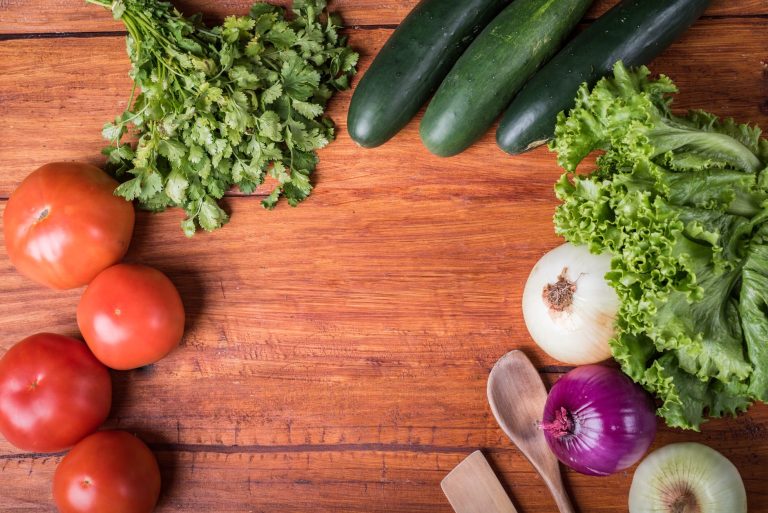
[IMAGE: organic vegetables]
How to Build Gut-Friendly Meals Without Overthinking It
One of the biggest barriers to long-term nutrition success is complexity. People often start with enthusiasm and then abandon the plan because meal prep feels overwhelming. The answer is to make a few practical templates you can reuse. Once you understand the structure of a gut-friendly meal, shopping and cooking become much easier.
The balanced plate approach
A useful formula is simple: half the plate vegetables, one quarter protein, one quarter smart carbohydrates, plus a small amount of healthy fat. That structure works especially well with organic foods because it encourages variety and portion balance. For example:
- Roasted organic vegetables with quinoa and salmon
- Leafy green salad with chicken, avocado, seeds, and berries
- Brown rice bowl with tofu, steamed broccoli, and sesame dressing
- Oatmeal with chia, walnuts, cinnamon, and blueberries
This kind of meal planning supports digestion because it avoids the extremes that can upset the gut. Too much heaviness can make you sluggish. Too little food can leave you anxious and hungry. Balanced organic meals hit the middle ground.
Smart breakfast ideas
Breakfast does not need to be complicated to support gut health. In fact, simple often works best. A warm bowl of organic oats with flaxseed, berries, and plain yogurt can be a steadying start. A vegetable omelet with spinach and mushrooms offers protein and fiber in a form that feels satisfying. A smoothie made with organic greens, banana, chia seeds, and kefir can be especially useful on busy mornings.
If you tend to skip breakfast and then overeat later, try a lighter but nourishing option instead of forcing yourself to wait too long. The best organic breakfast ideas are the ones you can repeat during the week without boredom or digestive discomfort.
Lunch and dinner that support calm digestion
Lunch is often where people lose momentum. They reach for convenience foods, eat too quickly, or skip vegetables altogether. An organic lunch can be as simple as a grain bowl with roasted vegetables, greens, hummus, and grilled protein. Dinner can follow the same principle. Keep it colorful, keep it balanced, and keep it digestible.
Soups and stews are particularly helpful if you are easing into cleaner eating. They are warm, hydrating, and easy to digest. Add organic carrots, celery, lentils, tomatoes, garlic, herbs, and a lean protein source, and you have a meal that supports both comfort and nutrition. If your evenings are busy, double the recipe and use leftovers for the next day.
What to Limit if You Want Better Digestion
Food quality matters, but so does reducing the ingredients that regularly irritate the gut. You do not need to eliminate every treat forever. However, noticing patterns can help you make more intelligent choices. If your digestion feels unpredictable, take an honest look at what you are eating most often.
Ultra-processed foods
Packaged snacks, fast food, and heavily refined convenience meals usually contain a mix of excess sodium, added sugar, refined oils, and additives. For some people, these foods are convenient in the short term but disruptive in the long term. They often lack fiber and can be hard on digestion. When you replace them with organic food, your body usually gets more of what it needs and less of what it does not.
Excess sugar and refined flour
Too much sugar and refined flour can feed cravings and create sharp energy swings. That pattern is not ideal for anyone trying to maintain a healthy lifestyle or support weight loss. It can also crowd out nutrient-dense foods that actually help your gut. A more supportive approach is to satisfy sweet cravings with fruit, yogurt, cinnamon, or a small square of dark chocolate after a balanced meal.
Alcohol and highly greasy meals
Both alcohol and greasy foods can be tough on digestion, especially when consumed frequently. You do not need to avoid them forever, but if bloating or reflux is a regular issue, it may help to reduce how often you include them. Many people discover that when they limit these foods and move toward a cleaner organic diet, their body responds with less discomfort and more steady energy.
It is also worth paying attention to how fast you eat. Even the best organic meal can feel heavy if you are rushing through it. Slow down, chew more thoroughly, and notice what your body is telling you. What if part of better digestion has less to do with restriction and more to do with respect for the meal itself?
Seven Habits That Make Organic Clean Eating Easier
Gut health improves when the right habits become automatic. You do not need a dramatic transformation. Small, repeatable actions often create the biggest results. If clean eating has felt difficult in the past, these habits can make it feel far more doable.
- Choose at least one organic vegetable at every meal
- Include fermented foods several times a week
- Drink water consistently throughout the day
- Pair carbohydrates with protein and healthy fat
- Keep fruit, nuts, and yogurt available for easy snacks
- Cook in batches to reduce last-minute food decisions
- Notice which foods support your energy and comfort
These habits are simple, but they are powerful because they lower friction. When good choices are easy to access, you are more likely to make them. That matters for anyone who wants organic food to become part of real life rather than a short-lived wellness experiment.
Hydration is part of digestion too
Water is easy to overlook, yet it plays a crucial role in gut function. Fiber needs fluid to do its job well, and dehydration can make digestion feel sluggish. Add lemon, cucumber, mint, or a splash of organic fruit juice if that helps you drink more. Herbal teas can also support a calming routine, especially after meals. Hydration is one of the most underrated tools in nutrition, and it pairs beautifully with a clean eating plan.
Movement helps the gut work better
You do not need an intense fitness routine to support digestion. A walk after meals, light stretching, or gentle yoga can help the body move food through the system more comfortably. This is one reason a healthy lifestyle is best viewed as a set of connected habits, not separate boxes. What you eat, how you move, and how you recover all influence one another.
[IMAGE: healthy meal]
How Organic Foods Can Support Weight Loss Without Harsh Restriction
Weight loss is often discussed in terms of calories alone, but quality matters too. Organic foods can support weight loss by making meals more filling, more nutrient-rich, and less reliant on empty calories. When you eat foods that genuinely nourish you, it becomes easier to stay satisfied and avoid the cycle of overeating followed by guilt.
For many people, this is where organic eating feels especially freeing. You are not counting every bite. You are building a plate that naturally supports fullness, regular digestion, and steady energy. Fiber-rich organic vegetables, lean proteins, fruits, whole grains, and healthy fats help create that effect. The result is a routine that feels less like punishment and more like intelligent self-care.
This is also why an organic detox diet can be helpful when it is approached sensibly. A good detox routine does not involve starvation or risky cleanses. It means emphasizing whole foods, reducing processed choices, drinking enough water, and letting the digestive system operate without constant overload. If the idea of detox has ever sounded extreme, try redefining it as a return to basics.
Simple Meal Prep Ideas for Busy Weeks
Busy schedules often undermine the best intentions. That is why meal prep matters so much for gut health. When nutritious food is already prepared, you are less tempted to grab whatever is closest. You also gain more control over ingredients, which makes it easier to keep meals aligned with your organic food goals.
Prep ingredients, not just recipes
Instead of cooking five identical meals, prepare versatile building blocks that can be mixed and matched. Roast a tray of organic vegetables, cook a pot of quinoa or brown rice, wash greens, boil eggs, portion nuts, and make one simple dressing. With those ingredients ready, you can create breakfast bowls, lunch salads, and dinner plates in minutes.
Use sauces wisely
Some healthy meals become less healthy when the dressing or sauce is overloaded with sugar and additives. Keep a few cleaner options on hand, such as olive oil with lemon, tahini dressing, yogurt-based herb sauce, or mashed avocado with herbs. A good sauce can make organic vegetables and lean proteins much more appealing without disrupting digestion.
Keep gut-friendly snacks visible
Snacking is not the enemy. Mindless snacking is the problem. Keep organic options like apples with nut butter, berries with yogurt, carrots with hummus, or a handful of walnuts within easy reach. When a snack actually supports nutrition, it can help you stay on track without feeling deprived. That is essential for long-term clean eating success.
[IMAGE: fitness lifestyle]
Common Organic Diet Mistakes to Avoid
Even the most well-intentioned healthy lifestyle can go off track if the plan becomes too rigid or too narrow. Organic foods are valuable, but they still need to be used wisely. Avoiding a few common mistakes can make your approach much more effective and enjoyable.
Eating too little
Many people cut back too aggressively when they are trying to improve digestion or lose weight. Undereating can lead to fatigue, irritability, cravings, and rebound overeating. A gut-friendly organic diet should feel nourishing, not punishing. If you are constantly hungry, your meal structure probably needs more protein, fiber, or healthy fat.
Assuming organic automatically means healthy
An organic cookie is still a cookie. Organic sugar is still sugar. Organic processed foods may be slightly better than their conventional counterparts in some ways, but they are not the same as whole organic foods. The real benefit comes from choosing ingredients that are close to their natural form. That is where nutrition improves most noticeably.
Ignoring personal tolerance
Some foods that are considered healthy can still cause discomfort for certain people. Raw cruciferous vegetables, dairy, legumes, or even high-fiber breakfasts may feel too heavy for some digestive systems. Listen to your body. A helpful organic food plan adapts to your needs instead of forcing a generic template. If you tolerate cooked vegetables better than raw salads, choose cooked vegetables. If yogurt works for you but milk does not, build around that.
Chasing perfection
Perfection is not the goal. Consistency is. The most effective healthy diet is one you can follow on ordinary weekdays, not just on highly motivated mornings. If you eat organic food most of the time and make thoughtful choices the rest of the time, you are still moving in the right direction. Progress in nutrition usually looks calm, not dramatic.
When a Detox Diet Becomes More Useful as a Reset
People often search for a detox diet when they feel bloated, tired, or mentally foggy. The problem is that many detox plans are too aggressive to be sustainable. A better strategy is to use a short reset that emphasizes organic foods, plenty of water, enough protein, and digestible meals. This may help you reduce the processed foods that crowd out better nutrition without leaving you depleted.
A realistic reset might include simple breakfasts, vegetable-heavy lunches, fruit-based snacks, and lighter dinners. Add broth-based soups, herbal tea, fermented foods, and a walk after meals. The point is not to cleanse in an extreme way. The point is to give your system an easier workload so it can settle into a healthier rhythm. If you feel better after a week of cleaner meals, that information is valuable. It tells you what your body responds to most positively.
A Practical Grocery List for Better Gut Health
If you are ready to start, the grocery store is where the change begins. A thoughtful list removes decision fatigue and helps you stay aligned with your goals. Consider stocking the following:
- Organic leafy greens such as spinach, kale, and arugula
- Organic berries, apples, bananas, and citrus fruits
- Organic oats, brown rice, quinoa, and whole-grain bread
- Chia seeds, flaxseed, walnuts, almonds, and pumpkin seeds
- Fermented foods like kefir, yogurt, sauerkraut, and kimchi
- Broccoli, carrots, zucchini, asparagus, garlic, and onions
- Eggs, fish, chicken, tofu, tempeh, and plain Greek yogurt
- Olive oil, avocado, herbs, lemon, ginger, and turmeric
With these basics on hand, it becomes much easier to build meals that support gut health and a healthy lifestyle. The best nutrition strategy is often the one that is ready when you are hungry.
How to Make This Approach Last
Long-term results come from habits that fit your life. That means your organic diet should be flexible enough to adapt to work, travel, family meals, and social events. You do not need to be perfect to benefit from clean eating. You simply need to keep returning to the foods that help you feel well.
Start with one change, such as replacing sugary breakfast foods with oats and berries, or adding a serving of vegetables to dinner each night. Then build from there. Small steps are easier to maintain, and maintenance is what transforms a good idea into a real lifestyle. If your gut feels better, your energy steadies, and your meals become more satisfying, you will know the effort is worth it.
When your meals begin to support the gut rather than stress it, everything from energy to mood can feel more balanced. Keep experimenting with simple organic meals, stay curious about how your body responds, and explore more DietOrganic articles for ideas that make clean eating easier to live with every day.
About the Author