
Photo by MabelAmber on Pixabay
If you have ever noticed that your energy, cravings, mood, and even your waistline seem to change when your digestion is off, you are not imagining it. The gut is far more than a place where food is broken down. It is a central hub that influences how you absorb nutrients, how steady your blood sugar feels, how satisfied you are after meals, and how easily you can maintain a healthy weight. That is why choosing organic food can be such a powerful step toward better digestion and a more balanced healthy lifestyle.
Clean eating does not need to be extreme, expensive, or complicated. In fact, one of the smartest ways to support your body is to focus on simple, nutrient-dense foods that help the gut do its job well. When your meals are built around organic vegetables, fruits, legumes, whole grains, fermented foods, seeds, and quality fats, you create the kind of internal environment that supports comfort, vitality, and long-term weight loss. Could your next meal be the start of better digestion, fewer cravings, and more natural energy? Absolutely.
In this guide, you will learn how organic food supports gut health, which ingredients matter most, how to build a clean eating plate that works in real life, and what habits can make the biggest difference without turning your routine into a rigid detox diet. If you have been searching for practical nutrition advice that feels modern, realistic, and genuinely effective, this is where to begin.
Why Gut Health Shapes More Than Digestion
The gut is often described as a second brain, and for good reason. It communicates with the nervous system, helps regulate immune activity, and plays a major role in the way your body uses food for fuel. When digestion is smooth, nutrients are absorbed more efficiently, waste moves through the system more comfortably, and the body is less likely to hold on to bloating or irregularity that can make weight loss feel frustrating.
A healthy gut can also influence appetite. If the bacteria in your digestive system are well nourished, they tend to support more stable hunger cues and fewer dramatic sugar cravings. Have you ever eaten a meal and felt hungry again an hour later, even though you were technically full? Sometimes the issue is not willpower at all. It is the quality of the food and the balance of fiber, protein, and healthy fat that determine how long satisfaction lasts.
That is one reason clean eating is so effective when it is done with intention. Instead of focusing on restriction, it shifts attention to food quality and gut-friendly habits. This is where organic food has a unique advantage: it often encourages more whole produce, fewer artificial additives, and a more mindful connection to what you are putting on your plate.
What a Healthy Gut Can Help You Feel
When digestion is functioning well, many people notice changes that go far beyond the bathroom. Meals may feel lighter. Energy may stay steadier. Cravings may become more manageable. Skin may look calmer. Sleep may even improve. None of these benefits are magic, but they are signs that the body is getting the support it needs through balanced nutrition.
Common signs that your gut may need more support include frequent bloating, irregular bowel movements, sluggishness after meals, strong sugar cravings, and discomfort after eating highly processed foods. If these sound familiar, it may be time to look at your daily food choices, rather than jumping straight into a harsh detox diet or an unrealistic cleanse.
Why Organic Food Can Be a Smart Choice for Digestion
Organic food is not a cure-all, but it can be a helpful foundation for a gut-friendly routine. Many people choose organic produce because it reduces exposure to certain pesticide residues and encourages a more whole-food-focused diet. That simple shift matters. The more your meals are built around minimally processed ingredients, the easier it becomes to support digestion, reduce inflammatory load, and stay consistent with clean eating.
Organic eating also tends to make people more selective. When you shop with intention, you are often more likely to buy fresh vegetables, berries, leafy greens, oats, beans, seeds, yogurt alternatives, and other foods that contribute to a healthy lifestyle. Those habits matter more than perfection. A few smart choices repeated every day will always beat an aggressive plan that cannot be maintained.
For many people, the appeal of organic food is that it feels cleaner, simpler, and more aligned with long-term nutrition goals. If you are building a plan for weight loss, better digestion, or a gentler detox diet, organic ingredients can help make your routine feel more nourishing and less chaotic.
What Organic Eating Does Well
- Supports a whole-food approach to nutrition
- Encourages more fruit and vegetable intake
- Can reduce reliance on ultra-processed packaged foods
- Makes it easier to build clean eating meals around fiber and micronutrients
- Helps many people feel more intentional about what they eat
It is worth asking: if your current routine is making you feel bloated, tired, or constantly hungry, what would happen if you upgraded the quality of your ingredients for just two weeks? Small changes can reveal a great deal about how your body responds.
The Best Organic Foods for Gut Health
Not all organic food supports gut health in the same way. The goal is not simply to buy items with a green label. The real win comes from choosing foods that feed beneficial bacteria, support regularity, and reduce digestive stress. Below are the most useful groups to prioritize if your goal is better digestion and sustainable weight loss.
1. Organic Fiber-Rich Vegetables
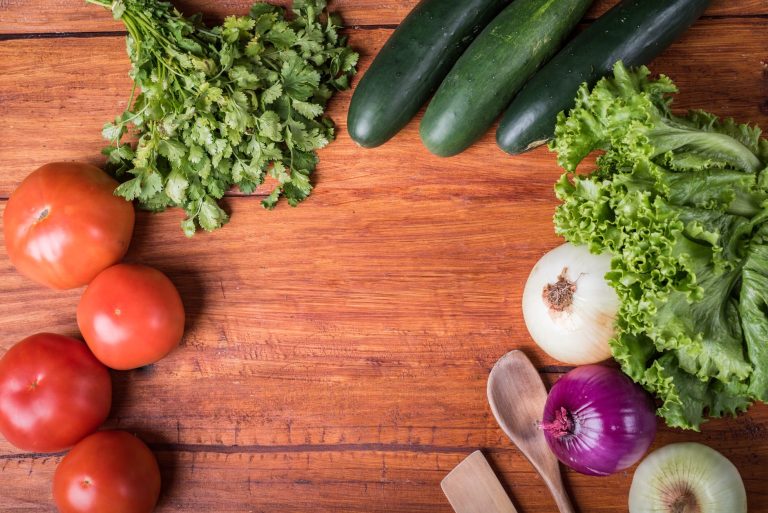
Vegetables are the backbone of a gut-friendly plate because they deliver fiber, water, minerals, and plant compounds that help your digestive system function smoothly. Organic leafy greens, carrots, zucchini, broccoli, cauliflower, Brussels sprouts, and asparagus are particularly valuable because they support both satiety and regular bowel movements.
Fiber is important because it feeds beneficial bacteria and helps bulk up stool so that waste moves efficiently through the intestines. That means less sluggishness, less bloating, and fewer swings in appetite. If you are trying to lose weight, this matters even more. Fiber-rich meals help you feel full with fewer calories, making clean eating easier to maintain.
Smart organic vegetables to keep on hand
- Spinach
- Kale
- Romaine lettuce
- Broccoli
- Carrots
- Beets
- Asparagus
- Artichokes
- Cauliflower
- Zucchini
[IMAGE: organic vegetables]
2. Organic Fermented Foods
Fermented foods bring live cultures to the table, which can help support microbial diversity in the gut. Organic yogurt, kefir, sauerkraut, kimchi, miso, and unsweetened cultured coconut yogurt are all practical options, depending on your diet. These foods are especially useful if you are recovering from a period of heavy processed food intake or simply want to strengthen your nutrition routine.
Not every fermented product is right for every person. If you are sensitive to histamines or notice that certain foods make you feel uncomfortable, start slowly. A few forkfuls of sauerkraut or a small serving of kefir may be enough at first. The point is not to force large amounts. The point is to gently support the ecosystem inside your body.
When people ask whether a detox diet has to mean juice fasting or severe restriction, the answer is no. A smarter approach is to include fermented organic foods that support the body’s natural processes instead of overwhelming them.
3. Organic Prebiotic Foods
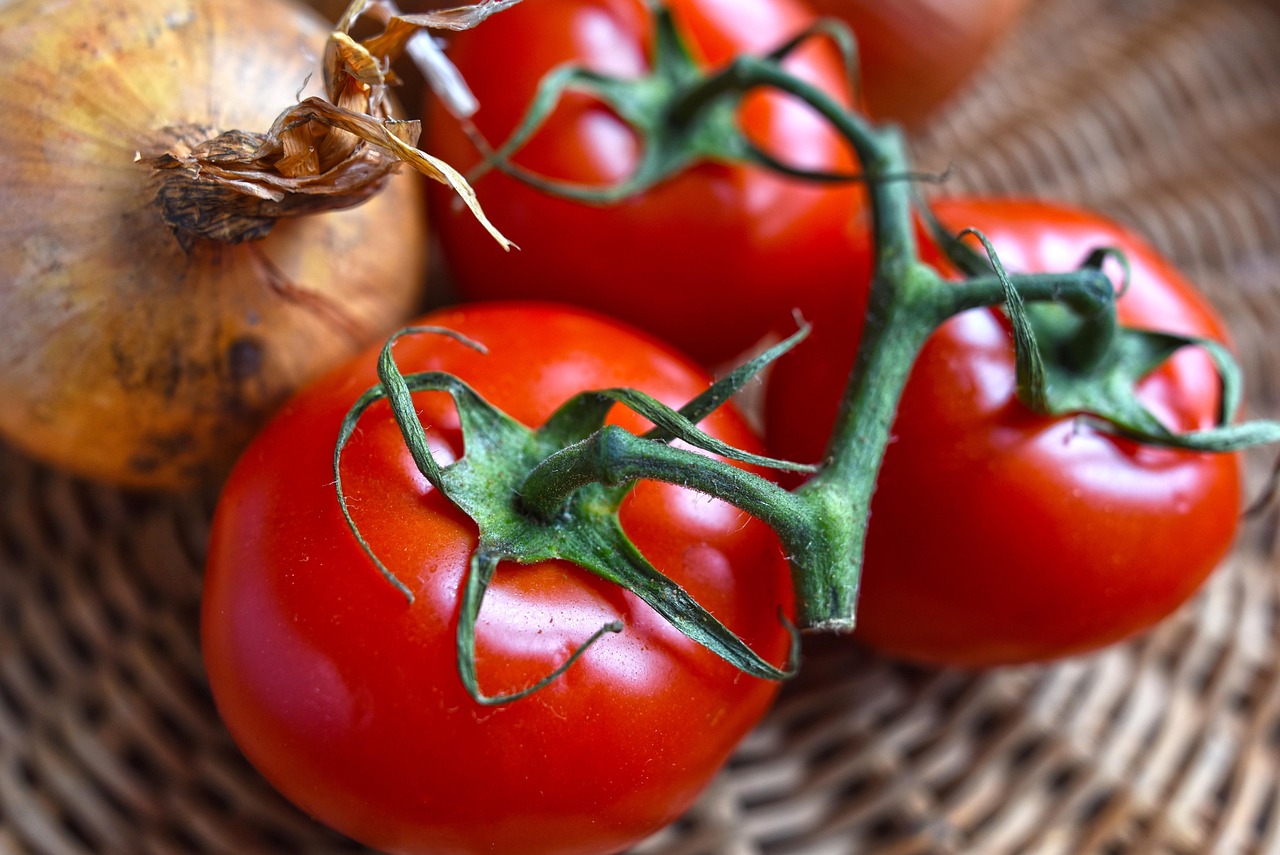
Prebiotic foods are just as important as probiotics because they feed the beneficial microbes already living in your system. Without enough prebiotic fiber, the gut bacteria cannot thrive. Organic onions, garlic, leeks, bananas, oats, apples, flaxseeds, and Jerusalem artichokes are all excellent choices.
Think of prebiotics as the nourishment that helps your gut garden grow. When you combine them with fermented foods, you build a more complete digestive strategy. For example, an oat bowl topped with flaxseed and berries, or a salad with onions, greens, and seeds, can create a satisfying meal that supports long-lasting energy and smoother digestion.
4. Organic Fruit That Balances Sweetness and Fiber
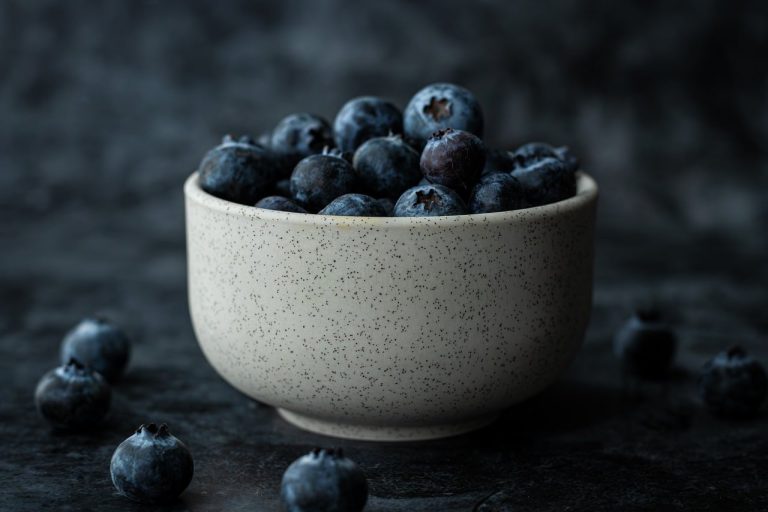
Fruit is often misunderstood by people who are trying to lose weight. In reality, whole fruit can be one of the most helpful parts of a clean eating plan because it delivers natural sweetness along with water, fiber, and antioxidants. Organic berries, apples, pears, kiwi, and citrus fruits are especially useful for gut health because they are light, refreshing, and easy to pair with protein or healthy fats.
If you are trying to break a cycle of dessert cravings, adding fruit after meals can be more effective than trying to avoid sweetness entirely. Have you noticed that the more deprived you feel, the stronger the cravings become? Sustainable nutrition works better when it feels satisfying, not punishing.
5. Organic Seeds, Nuts, and Healthy Fats
Seeds and nuts help support digestion by providing minerals, healthy fats, and a satisfying texture that can stabilize appetite. Chia seeds, pumpkin seeds, hemp seeds, walnuts, and almonds are all useful in a gut-friendly clean eating plan. They also help slow digestion just enough to keep blood sugar more balanced, which can make weight loss feel more manageable.
Healthy fats from avocado, olive oil, and unsweetened nut butters can also support the gut by reducing the need for constant snacking. When meals are too low in fat, people often feel unsatisfied and end up grazing later. A small amount of good fat can be the difference between a meal that lasts and one that fades too quickly.
How to Build a Clean Eating Plate That Supports the Gut
One of the simplest ways to make healthy eating sustainable is to use a reliable plate formula. You do not need a complicated detox diet chart or an elaborate meal plan to begin. You need a repeatable structure that gives your body what it needs most often: fiber, protein, healthy fat, and hydration.
A gut-friendly clean eating plate might look like this: half colorful vegetables, one quarter protein, one quarter high-fiber carbohydrates, plus a small amount of healthy fat. Add fermented foods or prebiotic ingredients when possible. This kind of balance is useful for weight loss because it naturally encourages portion control without making you feel restricted.
Ask yourself: when was the last time a meal actually kept you satisfied for four to five hours? If that feels rare, the issue may not be discipline. It may be structure.
- Half the plate: Organic non-starchy vegetables
- One quarter: Organic protein such as eggs, tofu, tempeh, beans, lentils, fish, or poultry
- One quarter: Organic whole grains or starchy vegetables like quinoa, oats, sweet potato, or brown rice
- Small addition: Avocado, olive oil, seeds, or nuts
- Optional extras: Fermented vegetables, herbs, citrus, and fresh greens
When you follow this pattern consistently, you are doing more than eating well. You are teaching your body what balanced nutrition feels like. That consistency is one of the most overlooked drivers of better digestion and long-term healthy lifestyle habits.
[IMAGE: healthy meal]
Simple Meal Ideas for a Gut-Friendly Day
Breakfast could be organic oats with chia seeds, blueberries, and a spoonful of almond butter. Lunch might be a large salad with leafy greens, cucumber, carrots, lentils, sauerkraut, and olive oil dressing. Dinner could include roasted vegetables, quinoa, and baked salmon or tofu. Snacks might be an apple with walnuts or plain yogurt with berries.
The beauty of this style of eating is that it feels both nourishing and practical. You are not chasing novelty. You are building a pattern that makes clean eating easier to repeat, which matters far more than any short-lived burst of motivation.
Can Organic Food Improve Digestion Overnight?
Many people hope for immediate results, especially when bloating or discomfort makes them desperate for relief. While some people do feel better within a day or two after replacing heavy processed foods with lighter organic meals, gut health usually improves through steady habits rather than overnight miracles. That is not disappointing news. It is empowering news because it means you can influence your results through daily choices.
Think of the first week as a reset in behavior, not a final test. A well-designed detox diet should reduce the burden on your digestive system by removing excess sugar, refined flour, fried food, and highly processed snacks. But it should also include foods that rebuild and nourish, not just foods that subtract. This is where organic food shines. It helps you shift from depletion to nourishment.
If you feel better after a few clean meals, that is a sign to keep going. If you do not notice much change right away, that does not mean the effort is wasted. Gut health often improves in layers, and the benefits of good nutrition accumulate over time.
What to Limit if You Want Better Gut Health and Weight Loss
Supporting the gut is not only about what you add. It is also about what you reduce. Certain foods can make digestion more difficult, trigger blood sugar swings, and create the kind of inflammation that makes weight loss feel harder than it should. You do not need perfection, but you do need awareness.
Foods That Commonly Disrupt Digestion
- Ultra-processed snacks with artificial additives
- Excess added sugar
- Refined grains with little fiber
- Deep-fried foods
- Large amounts of alcohol
- Highly sweetened beverages
- Heavy meals eaten very late at night
These foods are not automatically off-limits forever, but when they dominate the diet, they can crowd out the foods your gut actually needs. A clean eating approach works best when the majority of your meals come from whole organic ingredients rather than packaged options that are engineered for convenience.
Hidden Traps in a Supposedly Healthy Diet
Some foods appear healthy on the surface but still work against your goals. Granola bars with lots of sugar, flavored yogurts with minimal live cultures, smoothies overloaded with sweet fruit but little protein, and salad dressings made with refined oils and sugar can all slow progress. Nutrition labels matter, but so does common sense. Does the food look like something your grandmother would recognize? If not, it may not be the best daily staple.
For a true healthy lifestyle, focus on food that is close to its natural form. Organic food is most valuable when it is fresh, simple, and used in meals that are easy for the body to process.
How Gut Health Supports Natural Weight Loss
Weight loss is often treated like a math problem, but the body is more complex than calories alone. Hormones, hunger cues, digestion, stress, sleep, and food quality all influence how easily fat loss happens. A gut-friendly way of eating helps on several fronts at once, which is why it can feel more sustainable than strict dieting.
Fiber-rich foods support fullness. Fermented foods may support microbial balance. Protein helps preserve muscle and stabilize appetite. Healthy fats reduce the urge to snack constantly. Together, these factors make clean eating feel less like a battle and more like a system that works with your biology.
When digestion improves, many people notice less bloating and more abdominal comfort. That alone can make a body appear leaner and feel lighter. But beyond appearance, the real benefit is how your body functions. Good nutrition should not just change the scale. It should improve the experience of living in your body.
Why a Healthy Gut Can Reduce Cravings
Cravings are not always emotional. Sometimes they are biological. If meals are too low in fiber, protein, or healthy fats, the body looks for quick energy, often in the form of sugar. By contrast, a balanced organic meal helps steady energy and reduces the false alarms that send you back to the pantry an hour later.
That is one reason organic food and weight loss work well together when the plan is realistic. You are not forcing the body into deprivation. You are feeding it in a way that makes it easier to self-regulate. Isn’t that a better long-term strategy than constantly fighting against hunger?
Smart Grocery Habits for a Gut-Friendly Clean Eating Routine
The grocery store can either support your success or quietly sabotage it. If you want a healthy lifestyle that feels natural, your shopping list should be built around ingredients that can be combined in many ways. That reduces decision fatigue and makes meal prep much easier.
Start with a backbone of organic vegetables, fruit, protein, whole grains, and simple fats. Then add one or two fermented items and a few pantry staples like oats, beans, nuts, seeds, herbs, and olive oil. This keeps your kitchen stocked for both structure and flexibility.
What to Put in Your Cart
- Organic leafy greens and cruciferous vegetables
- Organic berries, apples, pears, and citrus
- Organic eggs, beans, lentils, tofu, tempeh, fish, or chicken
- Organic oats, quinoa, brown rice, and sweet potatoes
- Sauerkraut, kefir, plain yogurt, or miso
- Chia seeds, flaxseeds, pumpkin seeds, walnuts, and almonds
- Olive oil, avocado, garlic, ginger, turmeric, and herbs
If budget is a concern, prioritize the foods you eat most often. You do not need every item to be organic at every moment. Focus on the produce you consume regularly, then build from there. Consistency matters more than perfection, especially when your goal is long-term nutrition.
Meal Prep Tips That Save Time
Wash and chop vegetables as soon as you bring them home. Cook a batch of grains at the start of the week. Roast a tray of vegetables for easy lunches and dinners. Make one simple dressing with olive oil, lemon, and herbs. Keep a few quick proteins ready so you can assemble meals in minutes.
This kind of preparation supports clean eating in a real-world way. It makes the healthy choice easier when you are tired, busy, or tempted to order something less nourishing. A good meal plan is not the one that looks impressive. It is the one you can repeat on your busiest day.
[IMAGE: fitness lifestyle]
Does Gut Health Need More Than Food?
Yes. Even the best organic food cannot do everything on its own. Your gut is influenced by sleep, stress, movement, hydration, and your overall rhythm of living. If you are eating well but sleeping poorly, living under constant pressure, and moving very little, your digestion may still struggle.
That does not mean your effort is failing. It simply means nutrition works best as part of a bigger picture. A healthy lifestyle includes regular walking, enough water, consistent sleep, and a calmer relationship with meals. The more stable your routine, the easier it is for your body to process food efficiently.
Daily Habits That Support Digestion
- Drink water throughout the day, not just at meals
- Eat slowly and without screens when possible
- Take a short walk after meals
- Prioritize seven to nine hours of sleep
- Use stress-management tools such as breathing, journaling, or stretching
- Keep meal times as consistent as your schedule allows
These habits may seem small, but they can have a major impact. Digestion happens more smoothly when the body feels safe, steady, and unhurried. That is why the healthiest nutrition plan is often the one that respects the whole person, not just the plate.
Common Mistakes People Make with Organic Clean Eating
One of the biggest mistakes is assuming that organic automatically means healthy in every context. Organic cookies, organic chips, and organic desserts can still be highly processed. Another common mistake is not eating enough. If a clean eating plan is too light, too restrictive, or too low in protein, it can trigger hunger and eventual overeating.
Some people also make the mistake of cutting out entire food groups without a clear reason. Unless a professional has advised you otherwise, balance is usually more effective than unnecessary restriction. The goal is not to be impressive. The goal is to feel better, digest well, and move toward sustainable weight loss if that is part of your objective.
Finally, many people forget to personalize. What works for one body may not work for another. If a food is technically healthy but consistently leaves you bloated or uncomfortable, it may need to be reduced or prepared differently. Good nutrition is flexible enough to adapt to your body’s feedback.
Questions Worth Asking Yourself
Are you eating enough fiber each day? Are most of your meals built from real ingredients? Are you choosing organic food because it supports your well-being, or because it sounds trendy? Are you actually satisfied after meals, or are you constantly reaching for snacks? Honest answers can reveal the next best step.
When you treat food as information, your choices become clearer. The body has a way of responding quickly to better inputs, especially when the routine is calm and consistent.
A Gentle Start for the Next Seven Days
If you want to put all of this into action without feeling overwhelmed, keep the next week simple. Choose one organic breakfast, one organic lunch, one organic dinner, and two snacks you can repeat. Make sure each meal includes fiber, protein, and some healthy fat. If possible, add one fermented food daily and one extra serving of vegetables at both lunch and dinner.
For many people, the following rhythm works well: breakfast with oats or eggs, lunch centered on a large salad or vegetable bowl, dinner with roasted vegetables and a solid protein, and snacks that are simple rather than sugary. This is not a rigid detox diet. It is a practical structure that helps you learn how your body feels when it is well fed.
By the end of the week, pay attention to your energy, digestion, cravings, and mood. Do you feel lighter after meals? Is bloating less frequent? Are you snacking less out of habit? Those small shifts can be the beginning of a more permanent healthy lifestyle.
Make the Gut-Friendly Choice Easier Than the Unhealthy One
The most successful nutrition strategy is the one that reduces friction. Keep fruit visible. Keep washed greens ready. Keep organic nuts and seeds in small containers. Keep one fermented item in the fridge. Keep a few easy proteins cooked or portioned. When healthy food is convenient, clean eating becomes a default rather than a decision you have to remake every hour.
This is how organic food supports weight loss and digestion in the real world: not through drama, but through repetition. Your body responds to what you do often. If most of those choices are nourishing, then the results tend to follow in a way that feels grounded and sustainable.
If you are ready to feel better from the inside out, start with your next meal and let it be simple, colorful, and genuinely satisfying. The more you build around whole organic ingredients, the more your gut can relax into a rhythm that supports energy, comfort, and lasting health. Keep exploring more DietOrganic articles for meal ideas, nutrition guidance, and practical clean eating inspiration that makes healthy living feel both achievable and rewarding.
About the Author