
Photo by Arina Kuleshova on Pexels
For many people, gut health becomes impossible to ignore only after the warning signs show up: bloating after meals, unpredictable digestion, stubborn cravings, low energy, or a sense that healthy eating is not delivering the results it should. Yet the digestive system does far more than process food. It helps regulate immunity, supports nutrient absorption, influences mood, and plays a meaningful role in how the body stores and uses energy. That is why a clean eating plan built around organic food can feel so transformative. It is not just a trend or a polished wellness slogan. It is a practical, sustainable way to support digestion, strengthen a healthy lifestyle, and make weight loss feel more natural.
If you have ever wondered why one diet leaves you feeling lighter and clearer while another leaves you sluggish and uncomfortable, the answer often lies in food quality. Organic vegetables, fruits, grains, legumes, and proteins can help you reduce unnecessary additives while increasing the amount of fiber, antioxidants, and phytonutrients your body receives. When those foods are chosen with gut health in mind, they can support a healthier microbiome and make a detox diet feel less extreme and far more nourishing. Could better digestion really start with the choices on your plate? In many cases, yes.
Why Gut Health Belongs at the Center of Clean Eating
The conversation about nutrition often focuses on calories, macros, and quick results, but the gut deserves a central place in the discussion. Your digestive system is home to trillions of microorganisms that affect how efficiently you absorb nutrients and how calmly or aggressively your body responds to food. When the microbiome is balanced, digestion tends to feel smoother, energy is steadier, and the body is more likely to respond well to a healthy diet. When it is out of balance, even meals that look virtuous can leave you feeling off.
This is where clean eating becomes more than a list of restrictions. Clean eating is not about fear. It is about choosing ingredients that work with the body instead of against it. Organic food is often a natural fit because it tends to be less processed and more nutrient-dense in practical, everyday ways. A well-built organic meal can deliver fiber for regularity, antioxidants for cellular support, and real flavor that makes healthy eating satisfying enough to sustain.
What an Imbalanced Gut Can Feel Like
Many people assume digestive imbalance must be dramatic to matter, but the signs are often subtle at first. You may notice that certain meals make you sluggish, or that your appetite feels erratic even when you are eating regularly. You might struggle with bloating, constipation, loose stools, brain fog, sugar cravings, or a lingering feeling of heaviness after meals. If any of that sounds familiar, your body may be asking for a cleaner, more supportive nutrition routine.
- Frequent bloating or abdominal discomfort after eating
- Unstable energy throughout the day
- Cravings for refined sugar or ultra-processed snacks
- Skin that looks dull or irritated without a clear cause
- Difficulty feeling satisfied after meals
- Irregular digestion and inconsistent bowel habits
These signs do not automatically mean something is wrong, but they are useful clues. The body often communicates through patterns, and food is one of the most effective ways to answer back with support.
Why the Gut Matters for Weight Loss
Weight loss is often discussed as a math problem, but the body is more responsive than that. Hunger hormones, blood sugar stability, inflammation, sleep quality, and digestion all influence how easy or hard it feels to lose weight. A healthy gut can improve satiety, reduce erratic cravings, and help the body make better use of nutrients. That means a thoughtfully designed organic food routine may support weight loss without the misery of constant restriction.
Instead of chasing aggressive detox diet promises or short-term fixes, many people find more success by building meals that keep the gut calm and the body nourished. That is the real power of clean eating: it can create conditions in which your body feels safe enough to let go of what it does not need.
How Organic Food Supports a Healthier Digestive System
Organic food is not a magic solution, and it does not guarantee perfect digestion. But it can be a meaningful part of a healthy diet because it often emphasizes whole ingredients and fewer synthetic inputs. For people who are sensitive to certain additives or who want a more intentional relationship with food, going organic can be a powerful step toward greater balance. Think of it as an investment in nourishment rather than a performance of perfection.
Less Exposure, More Intention
One reason many people choose organic food is to reduce exposure to certain pesticides and preservatives. While the science around long-term health effects continues to evolve, the practical benefit is easy to understand: when your food is closer to its natural form, it often becomes easier to build a clean eating pattern around it. That means fewer hidden ingredients, fewer artificial flavors, and more confidence in what you are actually eating.
For digestion, simplicity matters. A shorter ingredient list can make meals easier to process, and whole organic ingredients often provide the fiber and nutrients the microbiome needs. It is not only about what is removed, but also about what is added: color, texture, plant compounds, and real satiety.
Why Some People Feel Better on an Organic Diet
People do not adopt organic food for the same reasons. Some are focused on sustainability. Others want a cleaner approach to nutrition. Many simply want meals that feel lighter and more satisfying. When the shift is done well, the effects can be noticeable. Meals may feel less heavy. Snacking may become more intentional. Sugar cravings may soften. A healthy lifestyle begins to feel more achievable because the food itself is working with your habits, not fighting them.
What to Prioritize at the Market
If you are trying to make the biggest impact on gut health without overcomplicating your shopping list, focus on foods that are most likely to be eaten daily. These are the categories that can influence digestion consistently and help support a healthy diet over time.
- Organic leafy greens, such as spinach, kale, and arugula
- Organic cruciferous vegetables, such as broccoli, cauliflower, and cabbage
- Organic berries, apples, citrus fruits, and pears
- Organic oats, quinoa, brown rice, and other whole grains
- Organic beans, lentils, and chickpeas
- Organic yogurt, kefir, sauerkraut, and kimchi where tolerated
- Organic seeds, nuts, olive oil, and avocado for healthy fats
This is not about buying everything with a label. It is about choosing the foods that form the backbone of your week and giving your body a cleaner foundation to work from.
The Best Organic Foods for Gut Health
A truly supportive gut-friendly menu is built from a mix of fiber, hydration, healthy fats, and naturally fermented foods. It does not have to be complicated. In fact, the best results often come from simple meals repeated consistently. The key is choosing organic foods that satisfy, digest well, and keep your energy stable.
1. Fiber-Rich Vegetables That Feed Good Bacteria
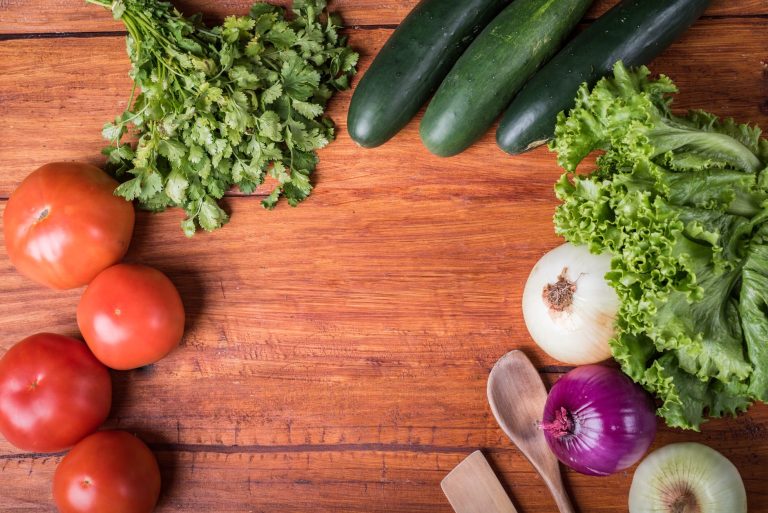
Vegetables are the everyday heroes of clean eating. They bring volume without excess calories, making them especially useful for weight loss, but their greatest value may be in the way they nourish the microbiome. Fiber acts like fuel for beneficial gut bacteria. The more diverse your plant intake, the more diverse your gut environment can become.
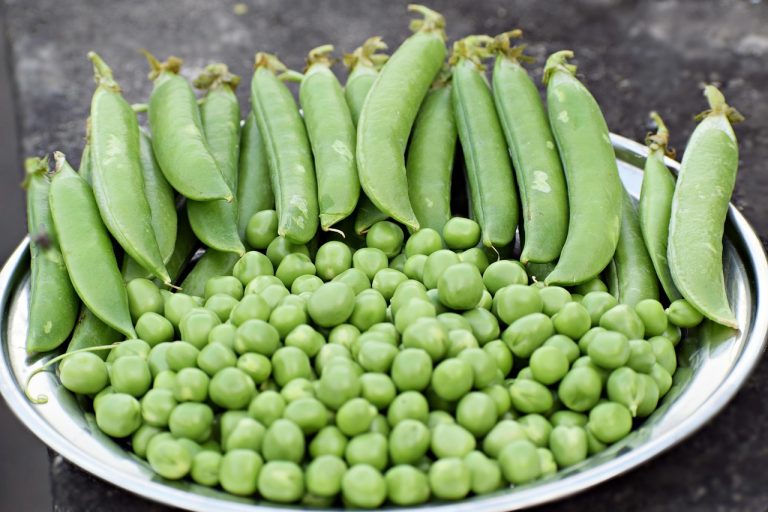
Organic vegetables worth making regular appearances on your plate include carrots, asparagus, zucchini, spinach, kale, beets, Brussels sprouts, and sweet potatoes. These foods deliver both soluble and insoluble fiber, which support regularity and help keep meals satisfying for longer. If your digestion is sensitive, cook them lightly at first and observe how your body responds.
[IMAGE: organic vegetables]
2. Organic Fruits That Soothe and Refresh
Fruit often gets unfairly treated as a problem food when people are focused on weight loss, but the right fruit can be an asset. Organic berries are particularly useful because they are rich in antioxidants and relatively low in sugar compared with many processed sweet snacks. Apples and pears provide gentle fiber, while citrus fruit can brighten meals and support hydration.
If you are trying to reduce sugar cravings, fruit can help by offering sweetness in a more balanced form. Paired with yogurt, nuts, or seeds, it becomes even more satisfying. A bowl of berries with plain organic yogurt is not only delicious; it is a simple example of clean eating that supports both digestion and appetite control.
3. Fermented Foods for Natural Probiotics
Fermented foods are among the most interesting tools in a gut-supportive diet because they bring naturally occurring beneficial microorganisms to the table. Not every digestive system responds the same way, so these foods should be introduced gradually, but they can be incredibly valuable when tolerated well.
- Organic kefir for a tangy, probiotic-rich drink
- Organic yogurt with live cultures for breakfast or snacks
- Organic sauerkraut for a bright, savory topping
- Organic kimchi for flavor, spice, and microbial diversity
- Miso and tempeh for plant-based meals with depth and character
The goal is not to eat fermented food in large amounts. A few tablespoons of sauerkraut or a small serving of yogurt can be enough to begin. Listen to your body, especially if you are new to fermented foods or have a sensitive stomach.
4. Organic Whole Grains and Legumes for Steady Energy
When people think of gut health, they often think only of vegetables and probiotics. Yet whole grains and legumes deserve equal attention. They are rich in prebiotic fiber, which feeds the beneficial bacteria already living in your digestive tract. Oats, quinoa, lentils, black beans, and chickpeas can all anchor a meal while supporting satiety and blood sugar balance.
This matters for weight loss because steady energy can reduce impulsive snacking. A lunch based on lentils and vegetables, for example, may keep you full far longer than a refined carbohydrate meal. That kind of stability is one reason organic food can make a healthy diet feel realistic instead of restrictive.
5. Healthy Fats That Make Meals More Satisfying
Fat is not the enemy of clean eating. In fact, the right fats can improve flavor, support nutrient absorption, and help you stay full between meals. Organic avocado, olive oil, chia seeds, flax seeds, walnuts, and almonds are all useful options. They help slow digestion in a good way, which can keep blood sugar steadier and reduce the urge to snack within an hour of eating.
Do you notice that meals without fat never quite satisfy you? That is a common sign that your plate may need more balance. A few slices of avocado, a drizzle of extra virgin olive oil, or a spoonful of seeds can make an enormous difference in both satisfaction and nutrition.
How to Build a Gut-Friendly Organic Plate Every Day
One of the easiest ways to make clean eating sustainable is to stop thinking in terms of food rules and start thinking in terms of structure. A balanced plate gives your body a predictable combination of fiber, protein, healthy fat, and slow-digesting carbohydrates. That predictability supports digestion and helps you avoid the blood sugar dips that often trigger overeating.
The Simple Three-Part Method
At most meals, try building your plate around three components. First, start with a generous portion of organic vegetables. Next, add a quality protein source such as eggs, fish, tofu, Greek yogurt, chicken, turkey, or legumes. Finally, include a satisfying carbohydrate or fat source that helps the meal feel complete.
- Half the plate: organic vegetables or a mixed salad
- One quarter: protein such as eggs, salmon, lentils, or tofu
- One quarter: whole grains, beans, sweet potato, or fruit
- Optional addition: olive oil, avocado, nuts, or seeds
This framework can be adapted for breakfast, lunch, dinner, or even a post-workout meal. It is flexible enough for real life, which is why it works better than strict rules.
Sample Meals That Support Digestion and Weight Loss
Here is what a day of organic clean eating might look like in practice:
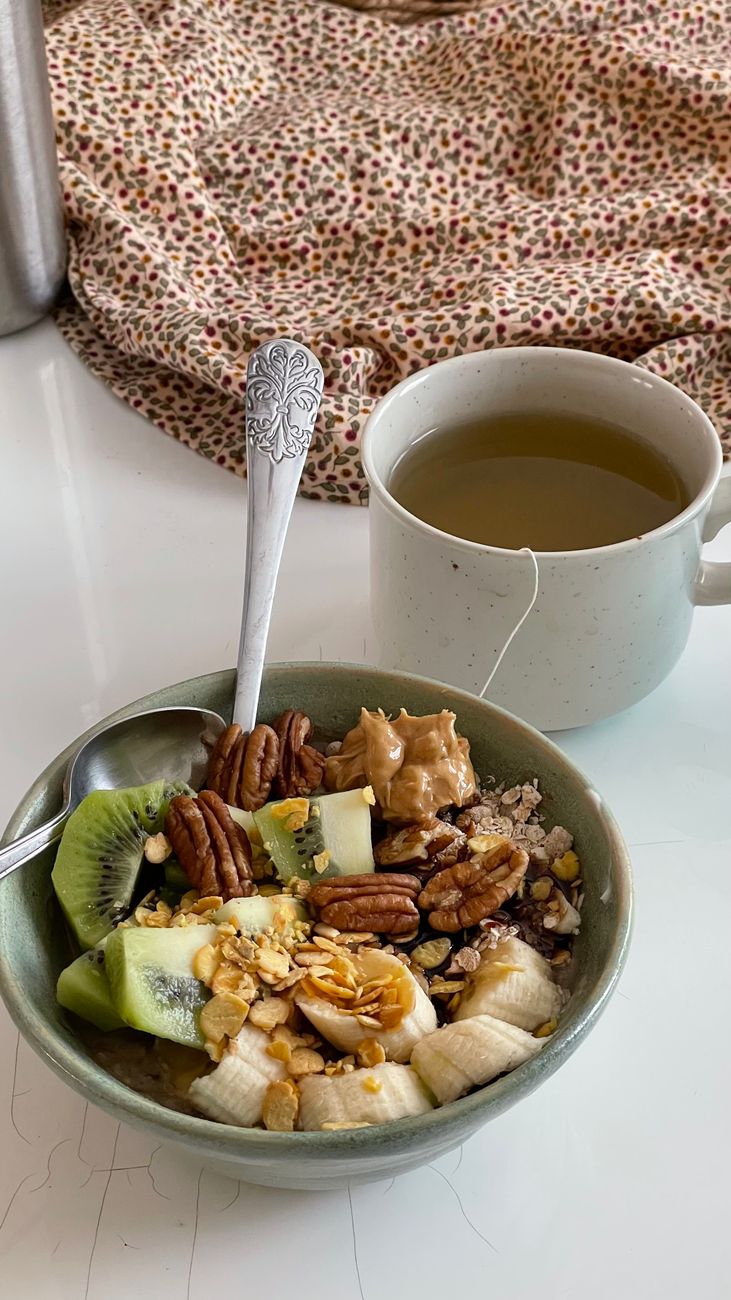
- Breakfast: organic yogurt with berries, chia seeds, and oats
- Lunch: quinoa bowl with roasted vegetables, chickpeas, avocado, and olive oil
- Snack: apple slices with almond butter or a small serving of kefir
- Dinner: baked salmon or tempeh with broccoli, sweet potato, and leafy greens
Meals like these are not flashy, but they are effective. They supply nutrition, support digestion, and create the kind of steady fullness that helps weight loss happen without constant struggle.
[IMAGE: healthy meal]
Clean Eating Habits That Strengthen Digestion
Food quality matters, but eating behavior matters too. Even the best organic food can feel less effective if meals are rushed, skipped, or eaten under stress. A healthy lifestyle is built not only on ingredients but also on rhythm. The body likes consistency, and the digestive system often performs best when meals arrive in a calm, predictable way.
Slow Down Enough to Digest
One of the simplest and most overlooked digestion tools is eating slowly. Chewing thoroughly, putting down your fork between bites, and avoiding screens during meals can reduce the stress load on the body. This is not a trendy wellness ritual. It is a practical habit that allows the digestive system to do its job.
When you eat in a distracted state, you are more likely to miss fullness cues and more likely to overeat. A slower pace gives your brain time to register satisfaction. That alone can support weight loss and reduce that overly full, uncomfortable feeling many people mistake for normal.
Hydration Is a Digestive Support Tool
Water is not glamorous, but it is essential. Proper hydration helps fiber do its work and supports the movement of food through the digestive tract. Many people who think they need more food, more caffeine, or another snack are actually under-hydrated. Starting the day with water, drinking between meals, and including watery foods like cucumbers, melons, and leafy greens can all support digestion.
What to Limit Without Becoming Restrictive
Clean eating does not require a life of deprivation. Still, some foods can make gut balance harder to maintain, especially when eaten often. You do not need to fear these foods, but it helps to recognize their effect and choose them less frequently if you want better digestion.
- Highly refined sugar and sweets that cause energy crashes
- Ultra-processed snacks with long ingredient lists
- Large amounts of alcohol, which may irritate digestion
- Excess fried foods that feel heavy and slow down the body
- Sugar alcohols and artificial sweeteners that can upset sensitive stomachs
Even when these foods are organic, they may still be hard on digestion. That is an important reminder: organic is a quality marker, not a license to ignore your body’s signals.
Common Clean Eating Mistakes to Avoid
Many people start with strong intentions and then unknowingly make their plan too rigid. If clean eating feels exhausting, one of these patterns may be the reason.
- Eating too little and becoming constantly hungry
- Forgetting protein, which can lead to cravings later
- Replacing meals with juices and calling it a detox diet
- Using too few foods, which reduces nutrient diversity
- Ignoring enjoyment, making the plan impossible to maintain
Healthy eating is meant to support life, not shrink it. The more enjoyable your meals are, the more likely they are to become habits rather than temporary rules.
How Organic Food Can Support Weight Loss Without Harsh Restriction
Weight loss tends to become more sustainable when it is built on satiety, nutrient density, and digestive comfort. Organic food supports this approach because whole foods are naturally more filling than many processed options. They give you volume, texture, and satisfaction without excess empty calories. In practice, that means fewer cravings, more stable energy, and less need to think about food every hour.
Why Fullness Matters More Than Willpower
People often blame themselves when a diet fails, but the issue is frequently biological. If meals are too small, too low in protein, or too light on fiber, the body will eventually push back. Fullness is not a luxury. It is a strategy. A nutrient-dense organic meal can keep the digestive system calm and the mind focused, making it easier to stay consistent.
Instead of asking, What should I cut out? ask, What should I add so I feel genuinely satisfied? That shift can change everything.
Smart Swaps That Support a Healthier Diet
You do not need to overhaul your entire kitchen overnight. Small substitutions can produce major changes over time.
- Choose organic oats with berries instead of a packaged breakfast bar
- Swap sugary yogurt for plain organic yogurt with fruit and seeds
- Use quinoa or brown rice instead of refined white sides more often
- Replace chips with roasted chickpeas or sliced vegetables and hummus
- Use olive oil, lemon, herbs, and garlic for flavor instead of heavy sauces
These swaps are practical because they do not ask you to live differently. They simply improve the quality of the choices you already make.
Movement, Sleep, and Stress: The Other Half of Gut Health
Nutrition is powerful, but it is not the whole story. Your gut responds to how you move, rest, and manage stress. A healthy lifestyle is always multidimensional. If you are eating organic food but sleeping poorly, skipping movement, or living in a constant state of tension, digestion may still feel off. The body is interconnected, not compartmentalized.
Why Gentle Movement Helps
Movement supports circulation, bowel regularity, and stress relief. You do not need extreme workouts to help digestion. A walk after meals, light stretching, yoga, or strength training can all contribute to a healthier internal environment. In fact, even a short walk after lunch can reduce bloating and help regulate blood sugar.
[IMAGE: fitness lifestyle]
Sleep and the Gut Are Deeply Connected
When sleep is poor, appetite hormones can shift in ways that make cravings worse and food choices harder to manage. You may notice that a tired body asks for more sugar, more caffeine, or more comfort food. Better sleep often means better digestion, more stable energy, and a stronger ability to make thoughtful food choices the next day.
Stress Can Change How Meals Feel
High stress can make the gut feel sensitive, tight, or unpredictable. That is why even a perfect clean eating plan can feel ineffective if it is paired with chronic tension. Breathing exercises, a short walk, quiet mealtimes, or a brief pause before eating can make a surprising difference. The digestive system often responds better when the nervous system feels safe.
Smart Shopping and Storage Tips for an Organic Kitchen
One reason people abandon healthy eating is that their ingredients spoil before they use them. Planning and storage are part of the process. If your organic food is accessible and ready to use, you are more likely to make the right choice when hunger strikes. A good kitchen setup supports behavior without requiring constant discipline.
Build a Reliable Grocery Routine
Rather than shopping randomly, create a short list of core ingredients you use every week. Rotate vegetables, fruits, proteins, and grains so your meals stay interesting without becoming chaotic. A well-stocked organic kitchen usually includes a few favorites in each category, not dozens of specialty products.
A Simple Organic Pantry and Fridge List
- Leafy greens, cucumbers, carrots, broccoli, and sweet potatoes
- Berries, apples, lemons, and bananas
- Organic eggs, yogurt, tofu, salmon, chicken, lentils, or beans
- Oats, quinoa, brown rice, chickpeas, and seeds
- Olive oil, almond butter, herbs, garlic, ginger, and spices
These basics are enough to build a week of satisfying meals without depending on ultra-processed convenience foods. They also make a detox diet style of clean eating feel grounded rather than extreme.
A More Sustainable Way to Eat for Gut Health
The most effective nutrition plan is usually the one that feels repeatable. That is what makes organic food such a valuable part of clean eating. It can help you focus on real ingredients, reduce unnecessary processing, and create meals that feel supportive rather than punishing. Over time, that approach can improve digestion, stabilize energy, and even make weight loss feel less like a campaign and more like a natural byproduct of better daily choices.
If you want to strengthen gut health, do not wait for a perfect reset or a dramatic detox diet. Start with one breakfast, one grocery list, or one dinner that feels cleaner and more intentional than the last. Notice how your body responds. Ask yourself: Do I feel lighter? Do I have more steady energy? Is my appetite calmer? Those answers will tell you more than any trend ever could. And if you are ready to keep refining your healthy lifestyle, explore more articles on DietOrganic for practical ideas, smart nutrition guidance, and more ways to make organic eating work beautifully in real life.
About the Author