
Photo by ClarissaBell on Pixabay
Your gut affects far more than digestion. It influences energy, immunity, mood, skin, cravings, and even how comfortably you move through the day. That is why so many people are turning to organic food and clean eating as a more thoughtful way to support their bodies. When the goal is a healthy diet that feels sustainable, gentle, and effective, gut health deserves a front-row seat. Have you noticed that when your digestion is off, everything else feels harder too? That is not a coincidence.
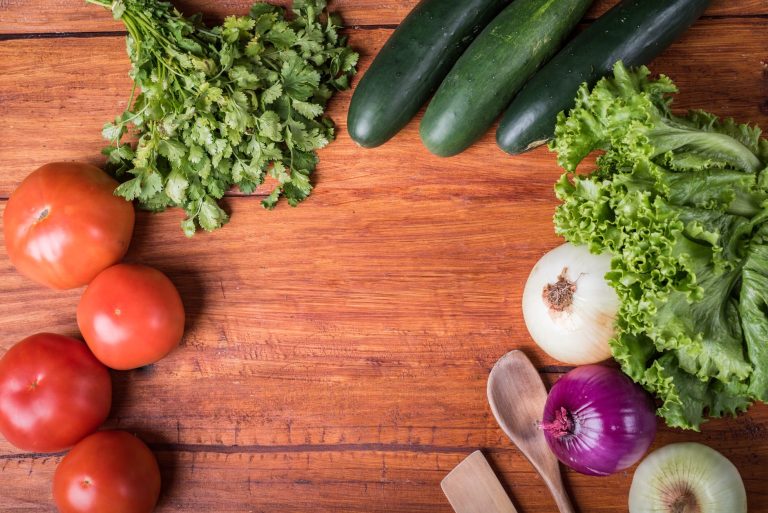
An organic, gut-friendly approach is not about perfection or strict rules. It is about choosing foods that give your digestive system a better chance to function well while supporting healthy weight, balanced nutrition, and a more energized lifestyle. Instead of chasing extreme detox diet promises, a smarter strategy is to build meals around whole organic ingredients, steady hydration, fiber diversity, and a calmer relationship with food. [IMAGE: organic vegetables]
In this guide, you will learn which organic foods can make the biggest difference for gut health, how to combine them into satisfying meals, what to limit, and how to create a clean eating routine that works in real life. Whether you are trying to reduce bloating, support regularity, improve your healthy lifestyle, or simply feel lighter and more comfortable after meals, the right organic choices can help you get there.
Why Gut Health Matters More Than Most People Realize
The gut is often described as the center of the body’s well-being, and for good reason. It is where nutrients are broken down, absorbed, and delivered to the systems that need them most. It is also home to a vast microbiome, a living ecosystem of bacteria, fungi, and other microorganisms that influence digestion and much more. When this system is balanced, food tends to feel easier, energy feels steadier, and your body may respond better to a healthy diet. When it is out of balance, the signs can be surprisingly broad.
Many people think gut issues are only about gas, bloating, or constipation. In reality, poor digestion can affect appetite, cravings, sleep quality, mood swings, and even skin appearance. If you have ever felt sluggish after meals or unusually sensitive to certain foods, your gut may be asking for more support. The good news is that nutrition changes do not need to be complicated to make a meaningful difference.
The gut microbiome in simple terms
Think of the microbiome as a living garden. Some microbes help break down fiber, produce beneficial compounds, and support the lining of the intestines. Others can become troublesome when the environment is too processed, too sugary, too low in fiber, or too stressed. Organic food can help by bringing more whole ingredients onto your plate and fewer heavily processed products into your routine.
A healthier gut environment usually depends on three things: diversity, consistency, and balance. Diversity means eating a wide range of plant foods. Consistency means giving your body regular, nourishing meals. Balance means not overloading the system with added sugars, refined starches, or food choices that leave you feeling inflamed and drained. That is where clean eating becomes more than a trend. It becomes a practical tool for better digestion.
Signs your digestion may need support
Not sure whether your gut needs attention? Here are common signs that your current eating pattern may not be working as well as it should:
- Bloating after ordinary meals
- Irregular bowel movements
- Frequent sugar cravings
- Feeling heavy or sluggish after eating
- Occasional heartburn or discomfort
- Poor energy that dips after meals
- Skin flare-ups that seem linked to food
- A sense that your body is reacting to everything
If several of these sound familiar, a more intentional approach to organic food and nutrition may be worth exploring. You do not need a dramatic overhaul. Often, a few steady shifts create the greatest relief.
Why Organic Food Can Be a Smart Choice for Gut Health
Organic food is not magic, and it is not the only path to a healthy diet. But for many people, it offers a cleaner starting point. Organic farming standards limit many synthetic pesticides, herbicides, and genetically modified ingredients, which means your meals may be built from foods that feel simpler and closer to their natural state. For a gut that already feels sensitive, that difference can matter.
There is also a mindset benefit. When people choose organic produce, whole grains, dairy, or proteins more intentionally, they often move toward a more consistent clean eating pattern overall. In other words, the benefits are not only about what is removed. They are also about what is added: more vegetables, more fiber, more home cooking, and more awareness of how food affects the body.
Cleaner ingredients, fewer surprises
One reason organic food is appealing for gut health is that it reduces exposure to some of the chemicals that many people prefer to minimize. While research continues to explore the long-term effects of food residues, many health-conscious consumers feel better choosing foods with fewer synthetic inputs. If you are already using food as part of a detox diet mindset, the goal should be gentle support rather than aggressive restriction, and organic foods fit that philosophy well.
That said, the most important factor is still the overall quality of the diet. A bag of organic chips is still a processed snack, while a simple bowl of organic vegetables, beans, and olive oil is far more likely to support digestion. The organic label matters most when it helps you choose real food more often.
Whole-food eating naturally supports the gut
People often ask, why does clean eating seem to work so well for digestion? The answer is straightforward: whole foods usually contain more fiber, water, enzymes, and micronutrients than packaged alternatives. They also tend to be less inflammatory for many individuals because they are less dense in added sugar, artificial flavors, and emulsifiers. When the gut is less burdened by ultra-processed ingredients, it can often function more smoothly.
Organic food supports this pattern because it encourages a return to basic, nourishing meals. Fresh greens, berries, seeds, legumes, fermented foods, herbs, and simple proteins all create a more stable digestive foundation. If your idea of healthy lifestyle change needs to be practical, not punishing, this is where the transformation begins.
Best Organic Foods for a Happy Gut
If you want to improve gut health through nutrition, do not focus on one superfood or one miracle ingredient. Instead, build a collection of foods that each contribute something useful: fiber, probiotics, prebiotics, hydration, antioxidants, or soothing compounds. The following organic foods are among the most helpful to keep in rotation.
Organic leafy greens
Spinach, kale, arugula, romaine, and Swiss chard deliver fiber, magnesium, folate, and antioxidants while adding volume without heaviness. Leafy greens are excellent for clean eating because they can be used raw, lightly sautéed, blended into soups, or folded into grain bowls. They are also a simple way to increase your vegetable intake without feeling overwhelmed by large portions.
Why they help
Leafy greens nourish beneficial gut microbes and help keep meals balanced. Their gentle fiber supports regularity, while their high water content can make digestion feel lighter. If you are trying to support weight loss, greens are also a smart choice because they add nutrients and satiety without many calories.
Organic berries
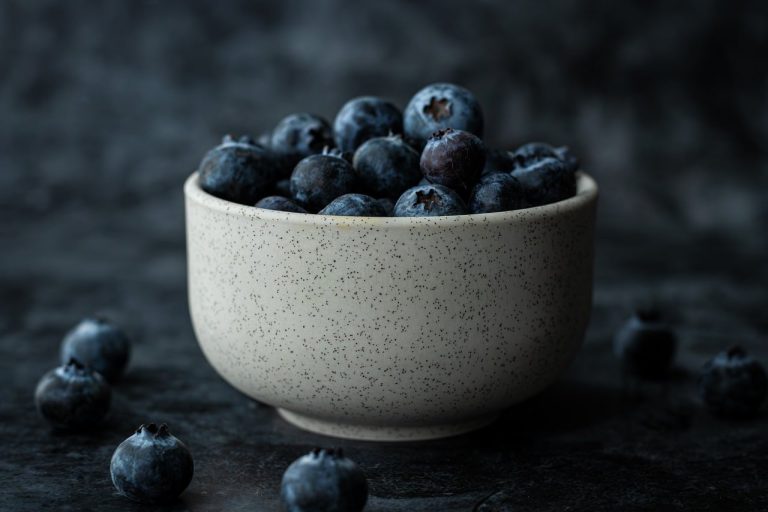
Blueberries, raspberries, blackberries, and strawberries offer fiber and polyphenols that can support the gut microbiome. Their natural sweetness also makes them a better choice than many sugar-heavy desserts when you want something satisfying. If you like a breakfast that feels indulgent but still fits a healthy diet, berries can make all the difference.
How to enjoy them
Try berries with plain yogurt, chia pudding, oats, or a smoothie built from unsweetened ingredients. Because they are naturally lower in sugar than many fruits, they can fit well into a detox diet approach that aims to reduce excess sweetness while still feeling enjoyable.
Organic fermented foods
Fermented foods are one of the most interesting additions to a gut-supportive diet because they provide live cultures that may help diversify the microbiome. Organic yogurt, kefir, sauerkraut, kimchi, miso, and tempeh can all play a role. The key is to choose versions with minimal added sugar and minimal processing.
Start small
If you are not used to fermented foods, begin with small servings. A few spoonfuls of sauerkraut or a small cup of kefir can be enough at first. Too much too quickly may cause discomfort, especially if your digestion is sensitive. The goal is to support the gut, not shock it.
Organic oats, chia seeds, and flaxseeds
These foods are excellent sources of soluble fiber, which can help form a more comfortable digestive rhythm. Oats are especially useful for breakfast because they are soothing, versatile, and easy to combine with fruit, seeds, and protein. Chia and flax provide a gel-like texture when hydrated, which some people find helpful for regularity.
Want a simple gut-friendly habit? Add one tablespoon of ground flaxseed or chia to a meal each day and see how your body responds. Fiber is one of the most reliable nutrition tools for healthy digestion, but it works best when increased gradually and paired with enough water.
Organic beans, lentils, and chickpeas
Legumes are often overlooked, yet they are among the best foods for a healthy diet because they combine fiber, plant protein, and slow-digesting carbohydrates. Beans and lentils can support fullness, stable energy, and bowel regularity, which makes them useful for both gut health and weight loss.
If legumes tend to make you feel bloated, do not assume they are off limits. Instead, start with smaller portions, rinse canned beans well, cook them thoroughly, and pair them with digestive-friendly herbs like cumin, fennel, or ginger. Over time, many people find that their tolerance improves.
Organic garlic, onions, leeks, and ginger
These foods are flavor builders, but they also offer prebiotic compounds that help feed beneficial bacteria. Garlic and onions are especially useful in home cooking because they create depth without relying on overly salty or sugary sauces. Ginger has a long-standing reputation for easing digestive discomfort and may be particularly useful when meals feel heavy.
Not everyone tolerates these ingredients equally, so listen to your body. If raw onion is too intense, cooked onion may be easier. If garlic causes irritation, try a smaller amount or use infused oil for flavor. Gut health is personal, and the best clean eating plan is one you can actually sustain.
Organic nuts and seeds
Almonds, walnuts, pumpkin seeds, sunflower seeds, and sesame seeds add texture, minerals, and healthy fats to a gut-friendly routine. They are especially helpful for people who need satisfying snacks that do not lead to an energy crash. A small handful can keep you comfortably full between meals.
Seeds also support clean eating because they are easy to sprinkle on salads, yogurt, oatmeal, and roasted vegetables. If you are working toward a more balanced healthy lifestyle, these small additions can prevent the urge to reach for processed snacks later in the day.
Organic apples, pears, and kiwi
Some fruits are especially supportive for digestion because they contain both fiber and water. Apples and pears are useful for regularity, while kiwi is often appreciated for its digestive comfort. These are simple, portable options that work well in a busy schedule.
When people ask which fruits are best for gut health, the answer is often the ones you can eat consistently. Consistency matters more than chasing novelty. A fruit you enjoy every day is more valuable than a superfood you buy once and forget in the refrigerator.
[IMAGE: healthy meal]
How to Build a Gut-Friendly Organic Plate
Once you understand which foods help, the next step is learning how to combine them. A gut-friendly plate does not need to be complicated. In fact, the simplest meals are often the easiest to digest. The goal is to create balance: enough fiber, enough protein, enough healthy fat, and enough moisture to keep the meal satisfying without feeling dense.
A common mistake in clean eating is focusing too heavily on vegetables while neglecting protein or fat. That can leave you hungry again soon after eating or make meals feel too light to be truly nourishing. Another mistake is building every meal around convenience foods that happen to be organic but are still highly processed. Organic chips are still chips. Organic soda is still soda. Your gut will notice the difference.
The easiest formula to follow
Use this simple structure when building meals:
- Half the plate: organic vegetables, especially leafy greens, cruciferous vegetables, or cooked seasonal produce
- One quarter: organic protein such as eggs, yogurt, tofu, tempeh, beans, lentils, or wild fish
- One quarter: high-fiber carbohydrates such as oats, quinoa, brown rice, sweet potatoes, or whole-grain bread
- One to two teaspoons: healthy fats like olive oil, avocado, seeds, or nuts
This structure helps with satiety, blood sugar balance, and digestion. It also makes weight loss easier to manage because you are less likely to overeat later in the day when your meals are genuinely satisfying.
A gut-friendly breakfast can change your whole day
Many people start the morning with coffee and not much else, then wonder why they are hungry, foggy, or irritable by 10 a.m. Breakfast is an opportunity to support digestion early. Consider organic oatmeal with berries and chia, a yogurt bowl with nuts and fruit, or eggs with sautéed greens and avocado. These meals are not fancy, but they are effective.
Ask yourself: does your current breakfast help you feel calm and focused, or does it set you up for a crash? Small changes in the morning often create the biggest shift in appetite and energy later.
Lunch and dinner should feel grounding
Lunch and dinner are ideal times to include more vegetables, more protein, and more flavor. A warm bowl of quinoa, roasted carrots, chickpeas, and tahini can feel both comforting and light. A plate of salmon, greens, and sweet potato can provide omega-3 fats and slow-burning energy. A lentil stew with herbs can be deeply satisfying without feeling heavy.
Warm, cooked meals are often easier on the digestive system than large, cold, raw meals, especially if you are sensitive to bloating. That does not mean salads are off the menu. It means variety matters. The best healthy diet for gut health is the one that adapts to your body, not the one that forces your body to adapt to it.
A Simple Organic Gut-Friendly Day of Eating
If you want to turn these ideas into action, it helps to see how they can look in a real day. This is not a strict meal plan. It is a flexible framework you can adjust to your needs, preferences, and schedule.
- Breakfast: Organic oats cooked with cinnamon, topped with blueberries, ground flaxseed, and a spoonful of plain yogurt
- Mid-morning: Water or herbal tea, plus a kiwi or a handful of walnuts if needed
- Lunch: Quinoa bowl with roasted broccoli, carrots, chickpeas, avocado, and olive oil dressing
- Snack: Sauerkraut on whole-grain toast with hummus, or yogurt with berries
- Dinner: Baked salmon or tofu with sautéed greens, sweet potato, and ginger-cooked vegetables
What makes this pattern work is not novelty. It is balance. Fiber, protein, and healthy fats help keep digestion steady and help prevent the kind of hunger that leads to mindless snacking. When your meals are built this way, healthy weight management often becomes a side effect of feeling nourished rather than deprived.
Organic Foods That Can Help with Bloating and Irregular Digestion
Bloating is one of the most common reasons people start looking into clean eating and organic food. It can be uncomfortable, distracting, and frustrating, especially when it seems to happen after ordinary meals. The first step is not to panic. The second step is to observe patterns. Are certain foods, meal sizes, or eating habits making the problem worse?
For many people, bloating improves when they eat more slowly, reduce highly processed foods, and increase their intake of plant diversity over time. But not every high-fiber food is helpful in every moment. The goal is to match the right food with the right stage of digestion.
Foods to try when your stomach feels sensitive
- Cooked carrots, zucchini, and squash
- Oatmeal made with water or milk of choice
- Bananas that are ripe but not overly soft
- Fresh ginger tea
- Plain organic yogurt or kefir if you tolerate dairy
- Rice or quinoa with simple vegetables
- Soups and stews made with gentle spices
These foods tend to be easier to digest because they are softer, simpler, and less likely to overwhelm the system. That is important if you are using food as a gentle detox diet approach, because the objective is to support natural elimination, not to flood the gut with too much fiber all at once.
What to do if constipation is the issue
Constipation often improves with a combination of fiber, fluids, movement, and regular meal timing. Organic food can help because it tends to make high-fiber ingredients more central to the plate. Try adding chia pudding, oats, flax, pears, prunes, and cooked greens. Keep in mind that fiber without hydration can backfire, so water is nonnegotiable.
Gentle exercise also matters. A brisk walk after meals, a few minutes of stretching, or even simple standing breaks during the day can support digestion. Gut health is not only about what you eat. It is also about how you live.
What to Limit in a Clean Eating Approach
A strong healthy diet is not only about adding the right foods. It is also about reducing the things that can make digestion harder. You do not need to eliminate every indulgence forever, but some habits are worth reconsidering if gut comfort is your priority.
Here are the most common culprits:
- Ultra-processed snacks and desserts
- Excess added sugar
- Large amounts of alcohol
- Highly refined breads and pastries
- Fried foods eaten frequently
- Artificial sweeteners that upset your stomach
- Eating too quickly or while stressed
Many people are surprised to learn that digestive comfort is influenced by habits as much as by ingredients. Even the healthiest organic meal can feel heavy if eaten while distracted, rushed, or tense. Have you ever noticed how much better food feels when you sit down, breathe, and actually taste it?
The hidden impact of stress on digestion
Stress can reduce digestive efficiency, alter appetite, and increase sensitivity to foods that normally feel fine. This is why a true healthy lifestyle should include more than menus and grocery lists. Deep breathing, sleep, slower meals, and reasonable schedules matter more than most people expect. If your body is constantly in a rush, your digestion may be too.
That is one reason organic food is appealing to many readers interested in weight loss and clean eating. It often signals a wider shift toward a calmer, more intentional way of living. The benefits are physical, but the mindset shift is just as important.
How Organic Meal Prep Can Support Gut Health All Week
Meal prep does not need to mean eating the same bland container meal for five days. In fact, for gut health, variety is helpful. The aim is to prepare a few building blocks that can be mixed and matched so you stay consistent without getting bored. This is where organic meal prep ideas become valuable: they make healthy habits easier to repeat.
Spending one hour preparing a few ingredients can save you from several impulsive choices later. It also makes clean eating feel more accessible on busy days when time is limited and hunger makes decision-making harder.
Smart prep ideas that actually save time
- Wash and dry leafy greens for quick salads and bowls
- Roast a tray of organic vegetables such as carrots, broccoli, and sweet potatoes
- Cook a batch of quinoa, brown rice, or oats
- Prepare one protein source such as lentils, hard-boiled eggs, tofu, or chicken
- Mix a simple dressing with olive oil, lemon, mustard, and herbs
- Portion berries, yogurt, or seeds for easy snacks
These small steps can completely change the quality of your week. Instead of depending on whatever is available when hunger strikes, you have nourishing organic food ready to go. That is one of the most practical ways to support both digestive health and weight loss without feeling restricted.
[IMAGE: fitness lifestyle]
Budget-friendly organic strategy
Some people assume organic food must be expensive, but that is only true if you buy everything without a plan. If budget matters, prioritize the foods you eat most often and the produce items that matter most to you. Frozen organic vegetables, seasonal produce, oats, beans, lentils, and plain yogurt are often more affordable than people expect.
A useful rule is to buy organic for the foods you eat raw most often, especially berries, leafy greens, and apples, while choosing conventional options for items you peel or cook thoroughly if needed. This flexible approach keeps your healthy diet realistic without making it feel obsessive.
Common Organic Diet Mistakes That Can Hurt Gut Health
Switching to organic food is a positive move, but a few common mistakes can slow progress or even create new problems. If you want real results, avoid these traps.
1. Going too hard too fast
Some people suddenly triple their fiber intake, add several new fermented foods, and eliminate everything else at once. The result is often bloating and discomfort. Your gut may need time to adjust. Gradual change usually works better than dramatic shifts.
2. Focusing only on raw foods
Raw vegetables are wonderful, but too many can irritate a sensitive digestive system. Cooked vegetables are often easier to tolerate, especially during a detox diet phase or when your digestion feels unsettled. Balance raw and cooked options based on how you feel.
3. Ignoring protein
A meal full of produce is healthy, but if it lacks enough protein, it may not keep you full or stable for long. Protein supports satiety, tissue repair, and balanced energy. This matters for both nutrition and weight management.
4. Assuming organic automatically means healthy
Organic cookies, candy, sweetened drinks, and snacks are still treats. They may have cleaner ingredients, but they are not the same as a gut-supportive meal. Clean eating works best when organic food is used to build a plate of whole ingredients, not just a list of products with better labeling.
5. Forgetting the basics
Hydration, sleep, movement, and stress management are not optional extras. They are part of digestive health. If you are eating well but sleeping poorly, skipping water, and sitting all day, your gut may still struggle. Food is powerful, but it works best in the context of a healthy lifestyle.
What to Look For on an Organic Grocery List
When you are standing in the store, it helps to have a clear list of priorities instead of buying randomly. A strong organic grocery list can keep your meals focused and your budget controlled. It can also help you stay consistent when life gets busy.
Here is a simple gut-health shopping list to consider:
- Leafy greens such as spinach, kale, or arugula
- Cruciferous vegetables like broccoli and cauliflower
- Berries and kiwi
- Apples and pears
- Oats, quinoa, and brown rice
- Chia seeds and ground flaxseed
- Lentils, chickpeas, and black beans
- Plain yogurt or kefir
- Sauerkraut, kimchi, or miso
- Olive oil, avocado, nuts, and seeds
- Ginger, garlic, turmeric, and cinnamon
This list gives you the foundation for breakfasts, lunches, dinners, and snacks without relying on processed convenience foods. More importantly, it makes your healthy diet feel structured rather than random.
How to Know If Your Gut-Friendly Plan Is Working
Most people do not need a complicated tracking system. Instead, pay attention to a few simple signs over time. Are you less bloated after meals? Is digestion more regular? Do you feel satisfied longer? Is your energy steadier throughout the day? Are cravings easier to manage? These practical signs often reveal more than a scale ever could.
Weight loss, if it is one of your goals, should feel like a side benefit of better habits rather than the only focus. When digestion improves, people often notice they can make more mindful food choices, avoid random snacking, and feel less driven by sugar crashes. That does not happen overnight, but it does happen with consistency.
It is also worth remembering that individual responses vary. One person may feel fantastic with more fermented foods, while another may need to go slowly. One person may thrive on more raw produce, while another feels better with soups and roasted vegetables. Listening to your body is part of expert-level nutrition.
Organic food can be a practical and elegant way to support gut health, but the real power comes from how you use it: to build meals that are simple, colorful, balanced, and easier to digest. When clean eating becomes a habit instead of a challenge, your body gets the chance to settle, restore, and respond in a better way. If you are ready for more ideas that make healthy living feel realistic and rewarding, explore more articles on DietOrganic and keep building a routine that supports the way you want to feel every day.
About the Author