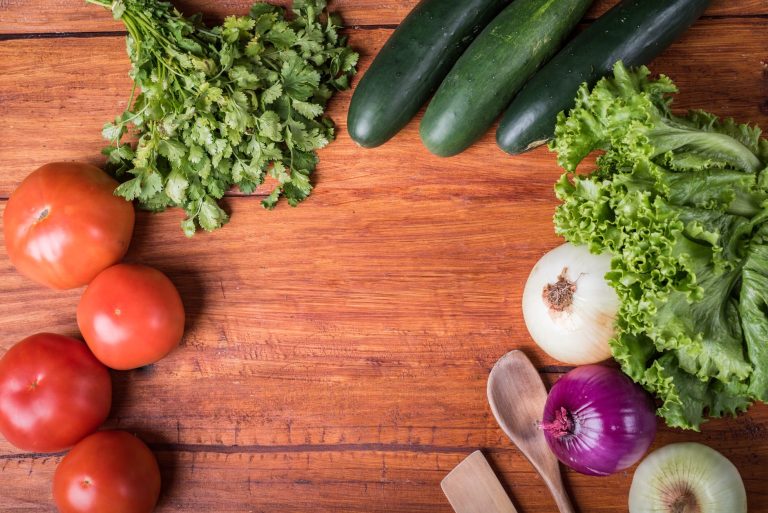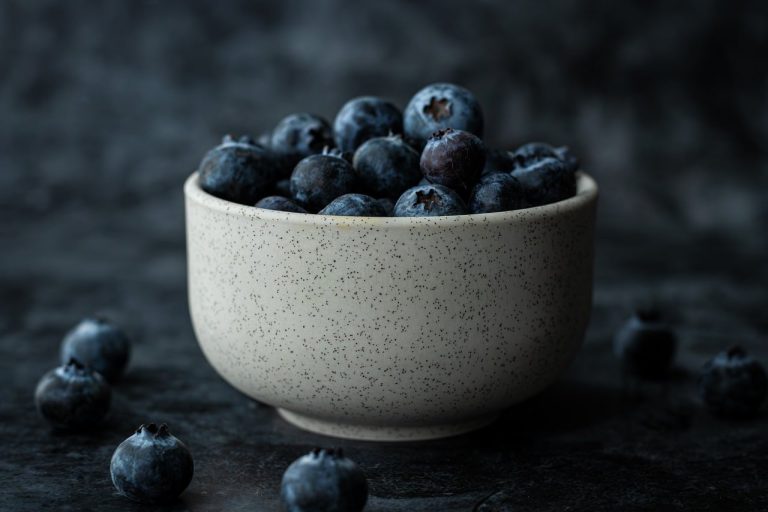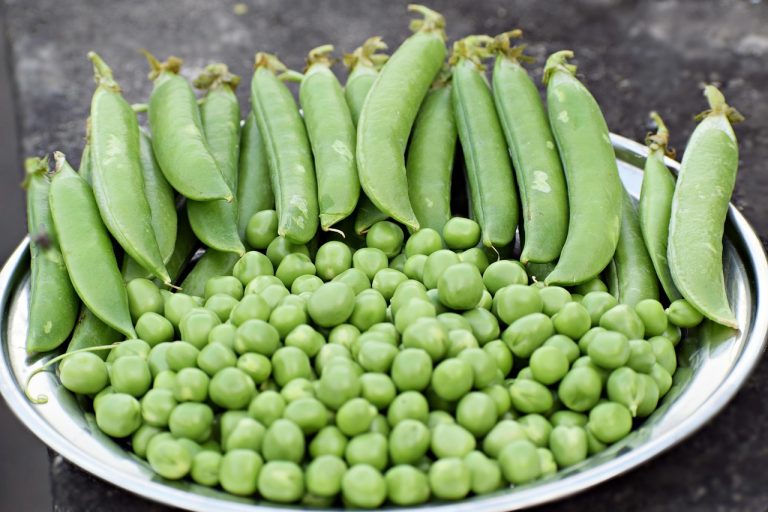


Photo by Blue Bird on Pexels
If you have ever felt bloated after meals, struggled with irregular digestion, or noticed that your energy rises and falls with what you eat, your gut may be asking for a reset. The good news is that you do not need a harsh cleanse or a restrictive fad to feel better. A thoughtful approach to organic food, clean eating, and balanced nutrition can help support digestion, reduce discomfort, and create a healthier foundation for weight loss and everyday vitality.
Gut health has become one of the most important topics in modern wellness, and for good reason. Your digestive system does far more than process meals. It helps regulate immunity, influences mood, affects skin quality, and plays a major role in how your body uses nutrients. When the gut is nourished with the right foods, the entire body tends to respond with more energy, better comfort, and greater resilience. Isn’t that the kind of healthy lifestyle most people are really searching for?
Organic foods can be a valuable part of that picture. Choosing organic produce, whole grains, legumes, herbs, and fermented foods can support a cleaner, less processed diet while reducing exposure to certain pesticide residues and unnecessary additives. In a world full of quick fixes, this is a refreshingly practical way to approach a detox diet without extremes. Instead of focusing on what to eliminate, the better question may be: what can you add that helps your gut thrive?
Why Gut Health Deserves More Attention
The gut is often called the body’s second brain, and that description is more than a catchy phrase. Your digestive tract houses trillions of microorganisms that influence digestion, nutrient absorption, immune defense, and even aspects of emotional well-being. When the balance of this ecosystem is disrupted, people often notice symptoms such as bloating, constipation, gas, fatigue, cravings, or skin irritation.
This is why a healthy diet matters so much. It is not simply about calories or macronutrients. It is about feeding the body in a way that helps the digestive system work smoothly and efficiently. Organic food can support that goal because it often fits naturally into a cleaner, more whole-food-focused pattern of eating. And while no single ingredient can transform health overnight, the cumulative effect of better choices is powerful.
Have you ever observed how some meals leave you energized while others leave you heavy and sluggish? That difference often comes down to food quality, fiber content, fat balance, and the presence of beneficial bacteria-supporting compounds. A gut-friendly plan is less about perfection and more about consistency. When clean eating becomes your baseline, digestion usually starts to feel less like a battle and more like a rhythm your body can trust.
How Organic Foods Support a Cleaner, More Digestive-Friendly Diet
Organic foods are grown and processed under standards that limit synthetic pesticides, genetically modified organisms in many regions, and several artificial inputs. For people committed to clean eating, this can be appealing because it brings the food closer to its natural state. While organic choices are not a magic solution, they can be a smart part of a gut-friendly nutrition plan.
1. Organic produce fits naturally into whole-food eating
One of the strongest advantages of organic food is that it encourages people to eat more fruits, vegetables, legumes, and grains with minimal processing. This matters because fiber is essential for healthy digestion. Fiber helps move waste through the intestines, supports regularity, and feeds beneficial gut bacteria. When the digestive system is well fed, it tends to function with greater ease.
People who build meals around organic vegetables, whole grains, and plant-based proteins often eat fewer ultra-processed foods by default. That shift alone can improve digestion, reduce sugar spikes, and support weight loss in a more sustainable way. It also makes the whole eating pattern feel more intentional, which is a hallmark of a healthy lifestyle.
2. Cleaner ingredient lists reduce digestive stress
Many packaged foods contain additives, thickeners, emulsifiers, artificial flavors, and sweeteners that can be difficult for sensitive digestive systems to tolerate. Some people notice more bloating or irregularity when these foods appear too often in the diet. A clean eating approach centered on organic food naturally reduces dependence on these ingredients.
This does not mean every packaged item is harmful. It means that the foundation of your meals should come from foods your body recognizes easily. Fresh produce, organic eggs, plain yogurt, lentils, oats, nuts, seeds, and lean proteins are all strong examples. If you want to support your gut without overcomplicating your life, start with the ingredients that are closest to nature.
3. Variety feeds a more diverse microbiome
Your gut bacteria thrive on variety. Different types of fiber, polyphenols, and plant compounds feed different microbial strains. The more diverse your plant intake, the more diverse your gut ecosystem tends to become. Organic diets often make that variety easier to prioritize because they draw attention to seasonal produce and simple, fresh meals.
Ask yourself: how many colors appear on your plate in a typical day? If the answer is one or two, there is room for improvement. A more colorful organic food routine usually means more antioxidants, more prebiotic fiber, and more nutrients that support digestion and repair. It is one of the simplest ways to strengthen nutrition without relying on supplements alone.
Best Organic Foods for Gut Health
The best foods for gut health are not exotic or expensive. In many cases, they are humble staples that have been part of traditional diets for generations. The key is choosing high-quality organic versions when possible, then using them consistently in balanced meals.
Leafy greens
Spinach, kale, arugula, romaine, and Swiss chard are outstanding for digestion. They provide fiber, magnesium, and plant compounds that support regular bowel function and overall wellness. Leafy greens also help add volume to meals without adding excessive calories, which is useful for people seeking weight loss through a healthy diet.
Try adding a handful of greens to smoothies, omelets, soups, grain bowls, and wraps. If raw greens feel too harsh on your system, lightly sauté them with olive oil and garlic for a gentler option. Organic vegetables like these are versatile enough to appear at breakfast, lunch, or dinner.
Berries
Blueberries, raspberries, strawberries, and blackberries are rich in fiber and antioxidants. They are also naturally lower in sugar than many other fruits, making them ideal for a clean eating plan. Their polyphenols may help nourish beneficial bacteria while supporting inflammation balance in the body.
Enjoy berries with plain Greek yogurt, chia pudding, oatmeal, or a simple handful of nuts. Their bright flavor makes healthy eating feel satisfying rather than restrictive, which is important if you want a plan that lasts beyond a week or two.
Apples and pears
Apples and pears offer soluble fiber, especially pectin, which supports healthy digestion and helps feed gut-friendly bacteria. Their natural sweetness can also reduce cravings for processed desserts when you want something satisfying but nourishing. For best results, eat them with the skin on after washing thoroughly.
Slice them into salads, pair them with almond butter, or add them to a warm cinnamon oat bowl. They are simple, budget-friendly, and easy to include in an organic food routine focused on weight loss and steady energy.
Organic oats and other whole grains
Oats, quinoa, brown rice, millet, and buckwheat are excellent sources of complex carbohydrates and fiber. Oats, in particular, contain beta-glucan, a soluble fiber known for supporting digestive balance and heart health. Whole grains can also make meals more satisfying, which helps reduce mindless snacking.
The important point is to choose minimally processed versions. Instant flavored packets may be convenient, but plain organic oats give you control over flavor, sweetness, and texture. You can build them with seeds, fruit, and spices for a meal that supports both gut health and a healthy lifestyle.
Legumes
Lentils, chickpeas, black beans, and kidney beans are powerful gut-supporting foods because they deliver fiber, resistant starch, and plant-based protein. They are especially useful for people looking to improve digestion while reducing reliance on heavy animal-based meals.
If beans tend to cause discomfort, introduce them gradually. Start with small portions, rinse canned organic beans thoroughly, and combine them with digestive-friendly herbs like cumin or ginger. Over time, your gut may adapt more comfortably to these nourishing foods.
Fermented foods
Fermented foods can be a game-changer in an organic diet. Plain yogurt, kefir, sauerkraut, kimchi, miso, and tempeh may provide live cultures that help support a balanced microbiome. Not every fermented food contains probiotics in meaningful amounts, but many can still contribute to a healthier digestive environment.
Choose varieties with minimal added sugar and unnecessary preservatives. A spoonful of sauerkraut with lunch or a small serving of plain kefir at breakfast can be enough to make a difference over time. Think of fermented foods as a supportive layer, not a cure-all.
Seeds and nuts
Chia seeds, flaxseeds, pumpkin seeds, walnuts, and almonds provide fiber, healthy fats, and minerals such as magnesium and zinc. These nutrients are important for digestion, bowel regularity, and metabolic health. Flax and chia are especially helpful because they absorb liquid and form a gel-like texture that may support smoother digestion.
Sprinkle seeds over yogurt, salads, soups, and oatmeal. Keep portions moderate, since nuts and seeds are nutrient-dense. They are a beautiful example of how clean eating can be both simple and satisfying.
[IMAGE: organic vegetables]
What a Gut-Friendly Organic Plate Actually Looks Like
Sometimes people understand the theory of healthy eating but still feel unsure about how to build meals. The answer is simpler than it seems. A gut-friendly plate should combine fiber, protein, healthy fat, and hydration-friendly foods in a way that feels easy to digest.
A practical plate might look like this:
- Half the plate: organic vegetables, especially cooked greens, carrots, zucchini, cucumbers, or roasted squash
- One quarter: a clean protein source such as eggs, organic chicken, tofu, tempeh, lentils, or Greek yogurt
- One quarter: a gentle carbohydrate such as quinoa, oats, brown rice, sweet potato, or beans
- Healthy fat: avocado, olive oil, seeds, nuts, or tahini
- Optional support: fermented food or a probiotic-rich side
This structure works because it creates balance. Too many refined carbohydrates can leave you hungry again too soon, while too much fat without enough fiber can slow digestion. By keeping the meal centered on organic food and whole ingredients, you give your body what it needs without overwhelming the digestive system.
Would you rather leave a meal feeling satisfied and light, or overly full and uncomfortable? The answer seems obvious, yet many people continue eating in ways that ignore how their body actually feels. A better approach is to notice satiety, energy, and comfort as part of the meal-planning process.
Healthy Organic Meal Ideas for Better Digestion
One of the easiest ways to support gut health is to remove decision fatigue. When you already know what a nourishing meal looks like, clean eating becomes much more realistic. The following ideas are flexible enough for busy weekdays but refined enough to feel fresh and enjoyable.
Breakfast ideas
- Organic oats topped with chia seeds, blueberries, cinnamon, and plain yogurt
- Vegetable omelet with spinach, tomatoes, and mushrooms, served with avocado
- Greek yogurt bowl with berries, flaxseed, and a handful of walnuts
- Smoothie with spinach, frozen berries, kefir, and almond butter
Breakfast is a good place to begin because the first meal of the day often shapes appetite and energy. When you start with fiber and protein, you are less likely to chase sugar later. That is a quiet but meaningful advantage for weight loss and stable nutrition.
Lunch ideas
- Quinoa bowl with roasted organic vegetables, chickpeas, and tahini dressing
- Mixed greens with grilled chicken, cucumber, pumpkin seeds, and olive oil vinaigrette
- Lentil soup with carrots, celery, garlic, and a side of sauerkraut
- Brown rice sushi bowl with avocado, edamame, cucumber, and sesame seeds
Lunch should keep your energy steady, not trigger the afternoon slump. Meals built around whole ingredients tend to be more satisfying, especially when you include enough protein and healthy fat. This is a core principle of clean eating that never goes out of style.
Dinner ideas
- Baked salmon with asparagus, roasted sweet potato, and olive oil
- Tempeh stir-fry with broccoli, mushrooms, and ginger over quinoa
- Turkey or bean lettuce wraps with avocado and fresh herbs
- Vegetable soup with lentils and a side salad
Dinner does not need to be heavy to be satisfying. In fact, many people sleep better and wake up lighter when evening meals are balanced but not excessive. A gentle, nourishing dinner can be one of the simplest forms of a detox diet, especially when you focus on real food rather than deprivation.
Snack ideas
- Apple slices with almond butter
- Cucumber and carrot sticks with hummus
- Plain kefir with cinnamon
- Handful of walnuts and a few berries
Snacks should solve a problem, not create one. If you choose foods that combine fiber and protein, you are less likely to experience blood sugar swings or mid-morning cravings. That makes healthy eating feel more natural and less like a set of rules.
[IMAGE: healthy meal]
Why Organic Food May Support Weight Loss More Naturally
It is tempting to think of weight loss as a math equation alone, but real-life results usually depend on habits, hunger, digestion, and consistency. Organic food can support weight loss because it often replaces highly processed options with more filling, nutrient-dense choices. When meals contain fiber, water, protein, and healthy fat, appetite is easier to manage.
There is another reason this matters. Many people associate dieting with restriction, which can lead to rebound eating. A clean eating approach feels different. Instead of cutting everything out, you are upgrading the quality of what you eat. That psychological shift can be just as important as any nutritional strategy.
For example, a breakfast of sweet pastries may provide quick satisfaction but little staying power. By contrast, organic oats with berries and seeds deliver a slower release of energy and more digestive support. Over time, these small choices can influence cravings, portion sizes, and overall calorie intake in a gentler way.
If your goal is weight loss, do not overlook the role of regular digestion. Bloating, constipation, and unstable appetite can make it difficult to feel comfortable in your own body. By supporting gut health first, you may find that your body becomes more responsive to positive changes without the stress of extreme dieting.
The Relationship Between a Detox Diet and Gut Health
The word detox is often used in misleading ways, but the body already has an excellent detoxification system. Your liver, kidneys, lungs, skin, and digestive tract all work continuously to process and eliminate waste. The real job of a healthy diet is to support those systems, not replace them with an aggressive cleanse.
A smart detox diet is really a temporary return to simplicity: more vegetables, more water, more fiber, less alcohol, fewer ultra-processed foods, and better sleep. In that context, organic food makes sense because it reduces clutter and gives the body cleaner fuel to work with.
Here are gentle ways to support natural detoxification through food:
- Eat cruciferous vegetables such as broccoli, cauliflower, and Brussels sprouts
- Drink enough water throughout the day
- Include lemon, ginger, and fresh herbs in meals and drinks
- Increase fiber gradually to encourage regular elimination
- Limit alcohol, excess sugar, and heavily processed snacks
The goal is not to punish the body. The goal is to make daily digestion easier. When digestion improves, many people also notice clearer skin, better mood, and more stable energy. That is the kind of result most detox diet trends promise, but rarely explain in a realistic way.
Foods and Habits That Can Disrupt Digestion
Knowing what to eat matters, but knowing what to limit is equally important. Many digestive issues are made worse by a combination of poor food quality and rushed eating habits. Even the best organic food plan can be undermined if meals are eaten too quickly or under stress.
Common dietary disruptors
- Highly processed packaged foods
- Excess added sugar
- Artificial sweeteners that trigger bloating in sensitive people
- Large amounts of fried food
- Alcohol, especially in excess
- Low-fiber meals repeated throughout the week
These foods are not automatically off-limits forever, but if they form the foundation of the diet, the gut often pays the price. A healthy lifestyle is not about moralizing food. It is about understanding how different foods affect your body and choosing accordingly.
Everyday habits that matter
- Eating while distracted by screens
- Skipping meals and arriving at dinner overly hungry
- Not chewing food well enough
- Drinking too little water
- Sleeping poorly and relying on caffeine to compensate
Digestive health is influenced by routine as much as by ingredients. Slow down, chew thoroughly, and give your body a chance to recognize fullness. These simple behaviors can make even the best nutrition plan work better.
How to Build a Gut-Friendly Organic Shopping List
The best clean eating plan is one you can actually maintain. That begins with a smart shopping list. If your kitchen is stocked with supportive foods, healthy choices become the easiest choices. This is especially important on busy days when convenience often wins.
Try building your list in categories:
- Vegetables: spinach, kale, broccoli, zucchini, carrots, cucumbers, onions, garlic
- Fruit: berries, apples, pears, lemons, avocados
- Protein: organic eggs, plain yogurt, kefir, chicken, salmon, tofu, tempeh, lentils
- Carbohydrates: oats, quinoa, brown rice, sweet potatoes, buckwheat
- Healthy fats: olive oil, walnuts, almonds, chia seeds, flaxseeds, pumpkin seeds
- Flavor boosters: ginger, turmeric, cinnamon, herbs, apple cider vinegar, miso, sauerkraut
This kind of list creates a flexible foundation. You can mix and match ingredients into bowls, salads, soups, and simple meals without feeling bored. Variety is one of the strongest tools in nutrition, and it helps keep a healthy diet interesting enough to sustain.
Meal Prep Strategies That Make Clean Eating Easier
Meal prep does not have to mean hours in the kitchen. In fact, the most effective strategies are often the simplest ones. A few hours of preparation can save you from a week of impulsive choices, especially when hunger strikes and time is short.
Try these practical steps:
- Wash and chop vegetables as soon as you return from shopping
- Cook a batch of grains such as quinoa or brown rice
- Roast two sheet pans of organic vegetables at once
- Prepare a protein option for several meals ahead of time
- Make one dressing or sauce that works across bowls and salads
- Keep fermented foods and fresh herbs on hand for quick flavor
Batch prep is especially useful for anyone who wants to improve digestion without spending every evening cooking from scratch. If the ingredients are ready, you are far more likely to build balanced meals instead of grabbing whatever is fastest.
A polished, well-stocked kitchen also changes your mindset. When you open the refrigerator and see organized containers of vegetables, grains, and protein, healthy eating feels less like effort and more like a normal part of life. That shift is subtle, but it often determines whether a plan succeeds.
[IMAGE: fitness lifestyle]
Signs Your Gut-Friendly Diet Is Working
Not every improvement arrives all at once, and that is okay. Gut health tends to change gradually. Still, there are several signs that your organic food and clean eating habits are moving in the right direction.
- Less bloating after meals
- More regular bowel movements
- Steadier energy throughout the day
- Reduced cravings for sugar or refined snacks
- Better satiety after meals
- Clearer skin or a calmer complexion
- Improved focus and mood
These changes may seem small at first, but they reflect a stronger internal balance. When digestion becomes easier, you often have more energy to exercise, sleep better, and stick to a weight loss routine with less frustration. That is one of the hidden rewards of prioritizing nutrition.
Common Mistakes People Make With Organic Food and Gut Health
Even a well-intentioned plan can go off track if it is too complicated or too strict. Many people assume that eating organic automatically solves every problem, but the bigger picture matters. The following mistakes are common and surprisingly easy to correct.
Eating organic but still relying on processed food
Organic cookies and organic chips may sound appealing, but they are still processed foods. Organic labels do not turn snack food into a gut-healing meal. The foundation still needs to be vegetables, fiber, protein, and healthy fats.
Increasing fiber too quickly
More fiber is helpful, but sudden jumps can cause gas, cramping, or bloating. If you are not used to eating many plant foods, increase intake gradually and drink enough water. This allows the digestive system to adapt comfortably.
Ignoring food sensitivities
Some foods commonly considered healthy may not agree with everyone. Dairy, beans, raw cruciferous vegetables, or certain grains can be troublesome for some people. Pay attention to patterns rather than following trends blindly. A personalized approach is always more effective than copying someone else’s plate.
Chasing detox trends instead of daily habits
There is no need for a dramatic cleanse to support digestion. In fact, extreme detox programs can be stressful, unsatisfying, and difficult to sustain. Real progress comes from small daily habits: better food choices, hydration, sleep, movement, and consistency.
Forgetting to chew and slow down
Digestion begins in the mouth. When food is rushed, the gut has to work harder. Chewing thoroughly, sitting down to eat, and avoiding constant multitasking can significantly improve how meals feel afterward. Sometimes the most effective nutrition upgrade is also the simplest one.
A Simple One-Day Organic Gut Health Reset
If you want to put these ideas into practice immediately, try a gentle one-day reset built around clean eating. This is not a crash diet. It is a focused day of supportive meals that help you feel lighter, more hydrated, and more in tune with your body.
- Morning: Start with water and lemon, then eat organic oats with berries, chia seeds, and plain yogurt
- Mid-morning: Enjoy an apple with almond butter or a small kefir smoothie
- Lunch: Build a quinoa bowl with leafy greens, chickpeas, cucumber, roasted vegetables, and olive oil dressing
- Afternoon: Sip herbal tea and snack on pumpkin seeds or carrots with hummus
- Dinner: Choose a lighter meal such as vegetable soup with lentils or salmon with greens and sweet potato
- Evening: Keep hydration steady and avoid heavy late-night eating
One day will not change everything, but it can reveal how much better your body feels when meals are balanced and less processed. That awareness often becomes the first step toward a longer-term healthy lifestyle.
Why This Approach Works Long Term
The most effective wellness plan is the one you can live with. That is why organic food, clean eating, and gut-friendly nutrition are such a strong combination. They do not rely on punishment, deprivation, or impossible rules. They rely on repeatable habits that help your body function more efficiently.
When people move away from ultra-processed foods and toward whole organic ingredients, many notice more than just digestive improvements. They often feel more in control of cravings, more confident in their choices, and more capable of maintaining weight loss without constant struggle. There is a quiet elegance to that kind of progress. It feels less like a fight and more like alignment.
And perhaps that is the real message behind gut health. It is not about obsessing over every bite. It is about creating the conditions in which the body can do its job well. With the right combination of organic vegetables, fiber-rich meals, fermented foods, good hydration, and mindful eating, the digestive system can become a source of stability instead of stress. If this approach speaks to you, take another look at the other articles on DietOrganic and keep building a healthier routine one practical choice at a time.
About the Author