
Photo by Mondgesicht on Pixabay
What if the real secret to easier weight loss was not eating less, but eating in a way that helps your digestive system work better? For many people, bloating, sluggishness, cravings, and unstable energy are not random problems. They are signals that the gut needs more support, more fiber, and a cleaner approach to nutrition. That is where organic food can make a meaningful difference. When you build meals around high-quality organic produce, fermented foods, and simple whole ingredients, you are not just following another trend. You are creating a healthy lifestyle that supports digestion, steadier appetite, and long-term well-being.
This is why a gut-friendly organic diet has become such a powerful part of modern clean eating. It is not about perfection, restriction, or chasing a quick fix. It is about choosing foods that are easier for the body to process, less likely to introduce unnecessary chemical residues, and richer in the nutrients your system uses every single day. If you have ever wondered why some people seem to feel lighter, calmer, and more energized when they simplify their meals, the answer often begins in the gut. And once you understand that connection, the idea of weight loss starts to look very different.
Why Gut Health Matters So Much for Weight Loss
The gut is not just a place where food is broken down. It is a central hub for metabolism, immune function, mood, and hunger regulation. When digestion is healthy, the body can absorb nutrients more efficiently, manage blood sugar more smoothly, and communicate fullness more clearly. Have you ever noticed that when your stomach feels settled, your cravings are easier to control? That is no coincidence. A balanced gut often supports a more balanced appetite.
People often think of weight loss as a simple calorie equation, but biology is usually more nuanced. If your meals are low in fiber, high in refined ingredients, and difficult to digest, you may feel hungry again too soon. You may also experience bloating that makes it harder to assess how your body really feels. A cleaner, more organic food pattern can support better digestion, which in turn may support easier portion control and more consistent energy throughout the day.
The Gut-Brain Connection Shapes Your Cravings
Your digestive system and your brain are constantly communicating. This is one reason stress can trigger comfort eating, sugar cravings, or a desire to graze all day. A gut-friendly nutrition plan does not only focus on the stomach; it also helps calm the entire system. Organic foods that are high in fiber, antioxidants, and natural plant compounds can support this balance by feeding beneficial microbes and reducing the burden of overly processed ingredients.
When you eat in a cleaner way, you may notice that your energy becomes more stable and your decision-making around food improves. Instead of feeling controlled by hunger, you feel guided by it. That is a very different experience from the stop-and-start cycle that often accompanies fad diets. And if your goal includes weight loss, that kind of consistency matters far more than short bursts of deprivation.
A Healthy Gut Can Support Better Metabolism
Metabolism is often discussed as if it were a fixed number, but it is influenced by sleep, stress, muscle mass, movement, and yes, digestion. The nutrients you absorb help fuel every metabolic process in the body. That means the quality of your meals matters. Organic vegetables, seeds, fermented foods, and whole grains can help supply the building blocks that support energy production and daily function.
Think of your gut as the body’s first checkpoint for nutrition. If that checkpoint is overloaded, inflamed, or undernourished, your system has to work harder to maintain balance. If it is well supported, the body can direct more energy toward repair, movement, and healthy weight management. That is why a clean eating approach is not just cosmetic; it is deeply practical.
What Makes Organic Foods Especially Helpful
Not every digestive issue can be solved by switching to organic food, but choosing organic produce and minimally processed ingredients can remove several common obstacles. Many people begin to notice better comfort simply because they are eating foods that are fresher, simpler, and more nutrient-dense. Organic farming practices also avoid many synthetic pesticides and fertilizers, which appeals to people seeking a more natural approach to nutrition.
It is worth asking: if your goal is a healthier lifestyle, why not reduce as many unnecessary variables as possible? Organic foods can help create that kind of clean baseline. They make it easier to build meals that taste vibrant, support digestion, and fit into a sustainable healthy diet rather than a temporary challenge.
Less Noise, More Nutrients
One of the greatest advantages of organic eating is that it often simplifies your food environment. Instead of relying on packaged items with long ingredient lists, you start choosing foods that are recognizable in their natural form. A carrot looks like a carrot. A bowl of greens looks like food, not a lab experiment. That simplicity can be powerful for people who want to feel more in control of their nutrition.
Organic produce is often prized for its freshness and flavor, and many people find that fresher food encourages better habits automatically. If a salad tastes crisp, a roasted vegetable dish feels comforting, or a berry bowl tastes naturally sweet, healthy eating becomes easier to repeat. That repeatability is one of the real foundations of weight loss and maintenance.
A Cleaner Approach Supports a Gentle Detox Diet Mindset
There is a lot of confusion around the idea of detox, and many extreme detox diet plans are not practical or necessary. But your body does have natural detox systems already in place, especially through the liver, kidneys, skin, and digestive tract. A fiber-rich organic diet can support those systems by helping the body eliminate waste efficiently and by supplying antioxidants that help protect cells from oxidative stress.
Instead of thinking about detox as punishment or fasting, think of it as reducing friction. When your meals contain more whole foods, more hydration, and more plant diversity, the body often has an easier time doing what it is designed to do. That is a much more realistic and sustainable way to support wellness.
The Best Organic Foods for Gut Health and Healthy Weight Loss
The most effective gut-friendly meals are not complicated. They are built from a few simple categories that work together. Fiber feeds beneficial bacteria, fermented foods add helpful cultures, and healthy fats help make meals satisfying enough to prevent constant snacking. What foods should you keep on hand if you want results that last?
Leafy Greens
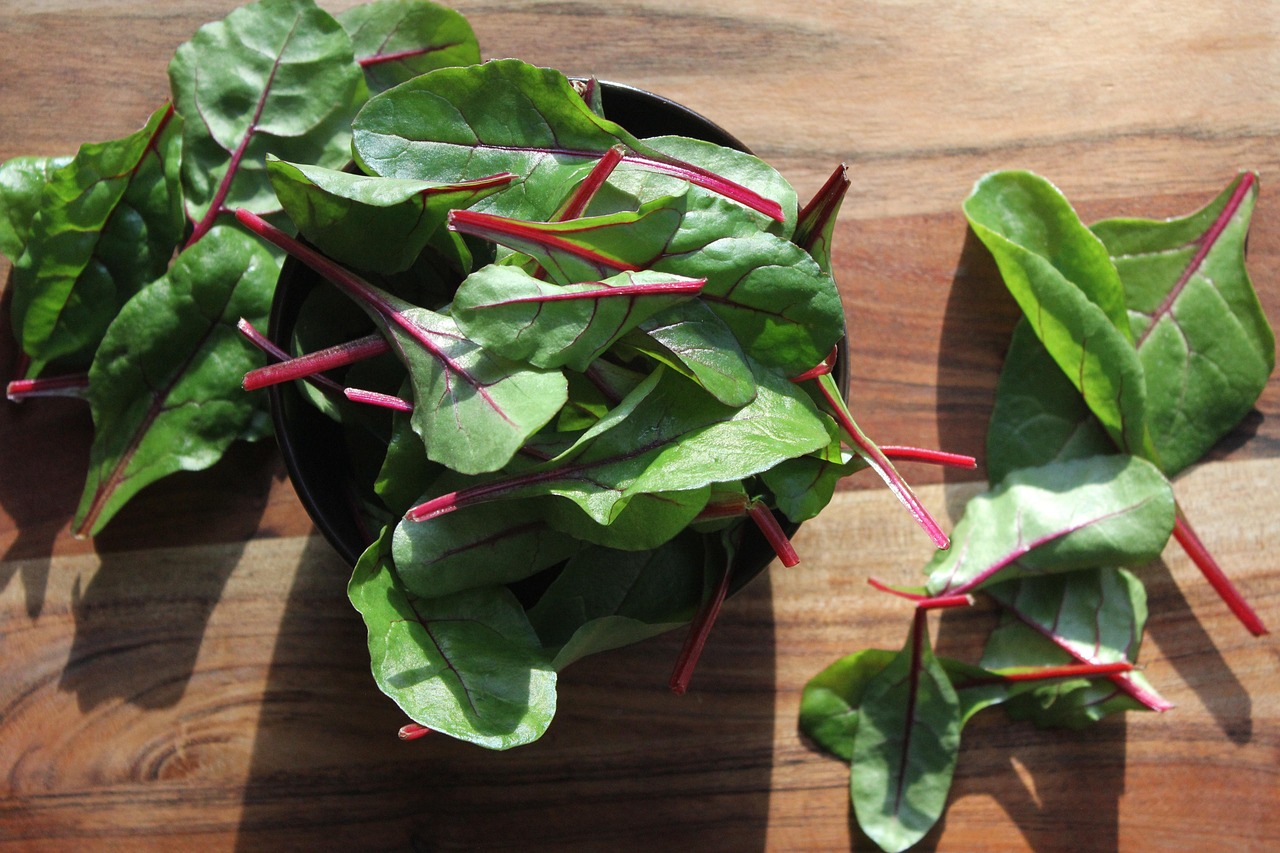
Spinach, kale, arugula, Swiss chard, and romaine are staples of a clean eating plan. They are low in calories, high in water content, and rich in micronutrients. Their fiber helps support regular digestion, while their volume helps meals feel more filling without being heavy. Toss them into omelets, blend them into smoothies, or use them as the base of a lunch bowl.
- Organic spinach for smoothies and sautés
- Organic kale for salads and soups
- Organic arugula for peppery salad bowls
- Organic romaine for crisp wraps
Cruciferous Vegetables
Broccoli, cauliflower, Brussels sprouts, and cabbage are often considered digestion-supportive foods because they are rich in fiber and plant compounds. Some people need to introduce them gradually, especially if they are sensitive to high-fiber foods, but they can be incredibly valuable in an organic food routine. Roasting these vegetables with olive oil and herbs can make them easier to digest and much more appealing.
Berries and Apples
Berries are a bright example of why organic food can feel both practical and indulgent. Blueberries, raspberries, strawberries, and blackberries provide antioxidants and fiber while staying relatively low in sugar. Apples add a satisfying crunch and are a convenient snack for busy days. Their natural sweetness can also reduce the urge to reach for processed desserts. Why not let fruit work for you instead of fighting your cravings?
Fermented Foods
Organic yogurt, kefir, sauerkraut, kimchi, miso, and tempeh can all be useful additions to a gut-supportive meal plan. Fermented foods provide beneficial bacteria and enzymes that may help the digestive process feel smoother. Start small if you are new to them. A spoonful of sauerkraut or a small serving of kefir is often enough to introduce variety without overwhelming your system.
Whole Grains and Pseudograins
Organic oats, quinoa, brown rice, buckwheat, and millet offer slow-burning energy and fiber that can help stabilize blood sugar. This matters for weight loss because steady blood sugar often means fewer cravings and more predictable energy. Oats are especially useful at breakfast, while quinoa works beautifully in lunch bowls and grain salads. These ingredients are simple, adaptable, and far more satisfying than their refined counterparts.
Seeds and Nuts
Chia seeds, flaxseeds, pumpkin seeds, walnuts, and almonds provide healthy fats, minerals, and a pleasant sense of fullness. Chia and flax are particularly valuable in a gut-friendly diet because they add fiber and can help improve stool regularity when paired with enough water. A small handful of nuts or a spoonful of seeds may seem modest, but over time those habits add up.
Gentle Proteins
Organic eggs, wild salmon, pasture-raised poultry, plain yogurt, tempeh, and legumes can help meals feel complete. Protein supports satiety, preserves lean muscle during weight loss, and helps stabilize hunger between meals. The best approach is usually to pair a protein source with vegetables, healthy fats, and a fiber-rich carbohydrate so that no single food has to do all the work.
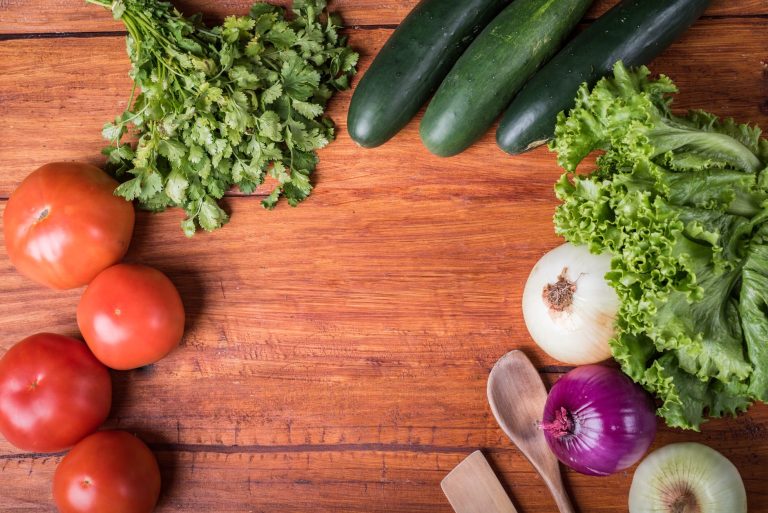
[IMAGE: organic vegetables]
How to Build a Clean Eating Plate That Supports Digestion
A gut-friendly organic diet works best when it is simple enough to repeat. Instead of chasing novelty every day, aim for a formula you can trust. This kind of structure reduces decision fatigue and helps you stay consistent. It also makes shopping easier because you always know what the next meal should roughly look like.
One of the most useful frameworks is to think in terms of balance rather than restriction. Every meal does not need to be perfect. It only needs to be supportive. If your plate contains color, fiber, protein, and a little healthy fat, you are already doing something beneficial for digestion and weight loss.
The Ideal Plate Formula
- Half the plate: organic vegetables and leafy greens
- One quarter of the plate: protein such as eggs, fish, yogurt, tofu, or legumes
- One quarter of the plate: whole grains or starchy vegetables
- Small add-on: healthy fats like olive oil, avocado, seeds, or nuts
- Optional support: a fermented food portion such as sauerkraut or plain kefir
This pattern creates meals that are filling without being overly heavy. It also supports a more stable digestive rhythm because the body receives a variety of nutrients instead of one overpowering ingredient. If you have ever eaten a meal that felt good for ten minutes and then left you tired, you already know why this matters.
A Healthy Meal Should Feel Satisfying, Not Heavy
Many people assume a weight-loss meal must be small and bland. That is rarely true. A better question is: does this meal leave you satisfied, clear-headed, and energized? If the answer is yes, you are probably on the right track. A healthy meal does not have to be tiny; it has to be intelligent. It should supply enough fiber, protein, and fat to keep you steady.
[IMAGE: healthy meal]
Three Simple Meal-Building Ideas
- A breakfast bowl with organic oats, chia seeds, berries, and plain yogurt
- A lunch salad with greens, grilled salmon, avocado, cucumbers, and quinoa
- A dinner plate with roasted vegetables, tempeh, brown rice, and sauerkraut
Smart Eating Habits That Improve Digestion
Food quality matters, but eating habits matter too. Even the best organic food can feel less effective if it is rushed, under-chewed, or consumed in a stressed state. Digestion begins before the first bite is swallowed. The pace of your meals, your hydration level, and your stress response all play a role. Could changing a few everyday habits make your meals more effective without changing the menu at all?
Slow Down at the Start of the Meal
Try taking the first few bites slowly. Put your utensil down between bites. Notice texture, aroma, and fullness cues. This may sound simple, but it can dramatically change the way your body responds to food. A slower meal gives your brain more time to register satiety, which may help reduce overeating. It also allows the digestive system to prepare itself more effectively.
Hydrate, but Do Not Flood the Meal
Water is essential for digestion, but drinking excessively during a meal can feel uncomfortable for some people. A good rule of thumb is to stay well hydrated throughout the day rather than trying to make up for it at the table. Herbal teas, warm water with lemon, and broths can also be helpful. Hydration supports bowel regularity and may help fiber do its job properly.
Walk After Eating When You Can
A short walk after a meal is one of the simplest healthy lifestyle habits you can adopt. It supports blood sugar balance, encourages movement, and may help reduce the feeling of heaviness after eating. You do not need an intense workout. Even ten minutes can help. This is especially useful after lunch or dinner when the body is more likely to want to settle into stillness.
One Day of Gut-Friendly Organic Eating
If you are wondering what this actually looks like in real life, here is a simple example. This is not a rigid plan, but a practical template that shows how an organic diet can feel both nourishing and realistic. The goal is not to eat perfectly. The goal is to make your next choice easier than the last one.
Breakfast
Organic oats cooked with cinnamon, chia seeds, and blueberries, topped with a spoonful of plain yogurt and a few walnuts. This meal offers fiber, healthy fat, protein, and a gentle sweetness that feels satisfying without setting off a sugar spike.
Lunch
A large salad made with organic greens, cucumber, shredded carrots, avocado, grilled chicken or tempeh, quinoa, and a simple olive oil vinaigrette. Add a small side of sauerkraut if you enjoy fermented foods. This kind of meal is crisp, colorful, and ideal for a clean eating routine.
Snack
An apple with almond butter, or a small bowl of kefir with pumpkin seeds. The idea is to choose something that feels purposeful rather than random. A well-planned snack can prevent the afternoon energy dip that often leads to processed cravings.
Dinner
Roasted organic broccoli, carrots, and sweet potatoes with baked salmon or lentil patties, plus a drizzle of olive oil and fresh herbs. This meal supports satiety and provides a balance of micronutrients, fiber, and protein that can help your body unwind after a long day.
Evening Reset
A calming herbal tea, a short walk, and an earlier bedtime can make a surprisingly large difference. Digestion is not only about food. Sleep is part of the process too. If you often wake up feeling bloated or hungry, your evening routine may deserve more attention than your breakfast does.
Foods and Habits That Can Interfere With Your Progress
Not every obstacle to weight loss comes from overeating. Sometimes the issue is that the food pattern is too processed, too sugary, too erratic, or too difficult for the body to handle comfortably. In those cases, even a strong intention to eat well may not lead to the results you expect. What should you watch for if you want your gut to work with you instead of against you?
Highly Processed Convenience Foods
Packaged snacks, refined baked goods, and ultra-processed meals can be convenient, but they often leave the body underfed in the ways that matter most. They may be low in fiber, high in sodium, and easy to overeat. Over time, they can crowd out the foods that help you feel balanced. If your diet is mostly packaged, even a few organic swaps can make a meaningful difference.
Excess Added Sugar
Sugar does not have to be eliminated to improve health, but too much of it can make hunger feel chaotic. When sugar becomes a daily habit rather than an occasional treat, it may contribute to blood sugar swings and constant cravings. A cleaner approach encourages fruit, yogurt, cinnamon, and naturally sweet foods to play the starring role instead of desserts and sweet drinks.
Eating Too Quickly
Speed eating is common, especially in busy lives, but it often causes people to miss their own fullness cues. You may finish a meal and still feel unsatisfied, or you may feel uncomfortably full only after you stop. This is one reason mindful eating is more than a wellness slogan. It is a practical strategy that helps the body communicate more clearly.
Ignoring Stress
Stress can show up as digestive discomfort just as easily as it can show up as mental fatigue. If you are always eating on the run, answering emails during meals, or skipping breaks, your nervous system may never fully settle. A healthy lifestyle includes moments of calm. Try creating at least one quiet meal each day when you can eat without screens or pressure.
Common Organic Diet Mistakes to Avoid
People often assume that because a food is organic, it is automatically healthy in any amount. That is not always true. Organic cookies are still cookies. Organic chips are still chips. The benefit of organic food is greatest when it supports a broader clean eating pattern built on whole ingredients and smart meal structure.
Overeating Nutrient-Dense Foods
Even healthy fats and wholesome snacks can slow progress if the portions drift upward. Nuts, seeds, cheese, and avocado are all nutritious, but they are also calorie-dense. Balance matters. The goal is not to fear these foods, but to use them intentionally so they support your nutrition without overwhelming your energy needs.
Not Eating Enough Protein
Some clean eating plans become so plant-focused that they leave out enough protein to maintain satiety. If you are hungry all the time, you may need more protein, not more willpower. Protein is especially important if your aim is weight loss because it helps preserve lean mass and can make meals feel truly complete.
Skipping Fiber in the Name of Simplicity
It can be tempting to rely on very plain meals when you are busy, but too little fiber can make the gut sluggish. That does not mean every plate needs to be overloaded with raw vegetables. It means your routine should include enough plants, grains, and legumes to support healthy digestion. Start gradually if needed. The gut often responds well to consistent improvement rather than sudden extremes.
Expecting Overnight Change
A high-quality organic diet is powerful, but it is still a long game. The body responds best to consistency. If you eat clean for three days and then give up because the scale has not moved, you are missing the bigger picture. Better digestion, more stable energy, and less bloating are wins too. Often, those improvements arrive before visible weight loss does.
Meal Prep Ideas for a Busy Week
One of the best ways to stay committed to organic food is to reduce weekday friction. When healthy choices are ready in advance, they become the easiest choices. Meal prep does not have to mean spending hours in the kitchen. It only needs to remove the most common barriers to eating well.
Prep a Few Core Ingredients
- A tray of roasted organic vegetables
- A pot of quinoa, brown rice, or oats
- A protein source such as eggs, salmon, chicken, lentils, or tempeh
- A jar of vinaigrette or tahini dressing
- Washed greens and chopped vegetables for quick salads
These basics can be mixed and matched into bowls, wraps, salads, and warm plates all week. The more you can reuse ingredients in different forms, the easier it becomes to maintain a clean eating rhythm without boredom.
Create a Visible Snack Zone
Keep fruit, yogurt, seeds, and cut vegetables where you can see them. Put less useful snacks out of sight. This small environmental shift can change behavior more than sheer discipline ever could. The best nutrition plans are not built on constant resistance. They are built on making the right choice obvious.
Use Leftovers Intentionally
Leftover roasted vegetables can become breakfast hash. Extra quinoa can be folded into salad. Remaining protein can be turned into a lunch bowl. When leftovers are treated as building blocks rather than afterthoughts, your meals become both efficient and nutritious.
How Lifestyle Habits Amplify the Benefits of Organic Food
Food is central, but it is not the only factor. If you want the full benefit of a gut-friendly organic diet, your daily lifestyle needs to support digestion too. Sleep, movement, and stress management are not separate from nutrition; they influence how well nutrition works. The most successful healthy lifestyle plans are the ones that support the whole person.
[IMAGE: fitness lifestyle]
Sleep Supports Hunger Control
Poor sleep can increase cravings and make decision-making harder the next day. It can also affect how full or hungry you feel after meals. If your goal is weight loss, quality sleep should be treated like a strategy, not a luxury. A well-rested body is usually more responsive to healthy food choices and more resilient under stress.
Movement Helps the Digestive System Stay Active
You do not need a demanding workout plan to improve digestion. Walking, light strength training, yoga, and consistent daily activity can all help your body function more efficiently. Movement supports circulation, helps regulate blood sugar, and can improve the way you feel after meals. A fit routine and a clean eating plan work best together.
Stress Management Protects the Gut
Chronic stress can interfere with digestion, appetite, and food choice. That is why stress management belongs in any serious nutrition plan. Breathing exercises, quiet meals, time outdoors, journaling, and digital breaks are all practical ways to help the nervous system settle. A calmer body tends to digest more comfortably.
Shopping Smart for Organic Food
Buying organic food does not have to mean buying everything in sight. A smarter approach is to focus on the foods you eat most often and the produce you tend to consume raw. That gives you the greatest return on your grocery budget while still supporting your healthy diet goals.
Where to Start if You Are New
- Buy organic leafy greens and berries first
- Choose organic apples, carrots, and cucumbers if possible
- Prioritize organic eggs, yogurt, or milk if those are staples in your home
- Choose organic oats, quinoa, and beans when available
- Use frozen organic vegetables as a budget-friendly backup
Frozen produce is often overlooked, but it can be just as useful as fresh produce in a busy kitchen. It reduces waste, saves time, and makes it easier to keep a well-stocked pantry. If your goal is consistency, convenience matters.
Read Labels With a Clear Eye
Organic labels are helpful, but they do not automatically make a product healthy. A good habit is to look at the full ingredient list and ask whether the food still resembles its original form. The shorter and more recognizable the list, the easier it is to keep your clean eating plan aligned with your goals.
When to Expect Results From a Gut-Friendly Organic Diet
Some people notice changes quickly. Others need more time. The first improvements are often subtle: less bloating, more regular digestion, fewer cravings, steadier energy, and a greater sense of control around food. These shifts matter because they make the plan easier to maintain. Weight loss, when it happens, is usually part of that larger process rather than the only marker of progress.
If you are asking,
About the Author