
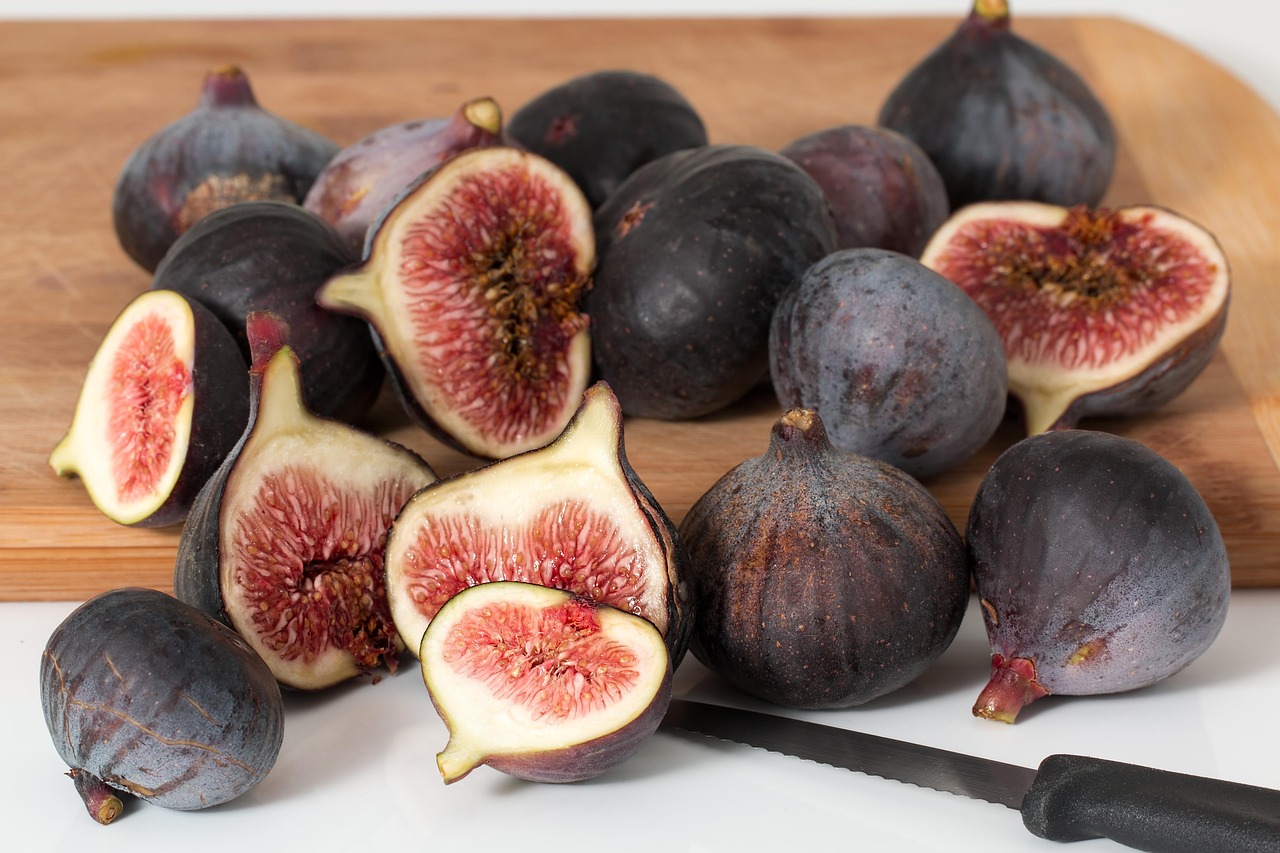
Photo by stevepb on Pixabay
When people talk about healthy eating, they often focus on calories, protein, or the latest superfood trend. But if you want a healthier body that feels lighter, calmer, and more energized, your gut deserves the spotlight. The food you eat does far more than fill you up; it helps shape digestion, immunity, mood, and even how easily you manage weight. That is why choosing organic food can be such a smart part of a clean eating strategy. It is not about perfection or an extreme detox diet. It is about giving your body real nutrition from foods that are grown and prepared with fewer unnecessary extras.
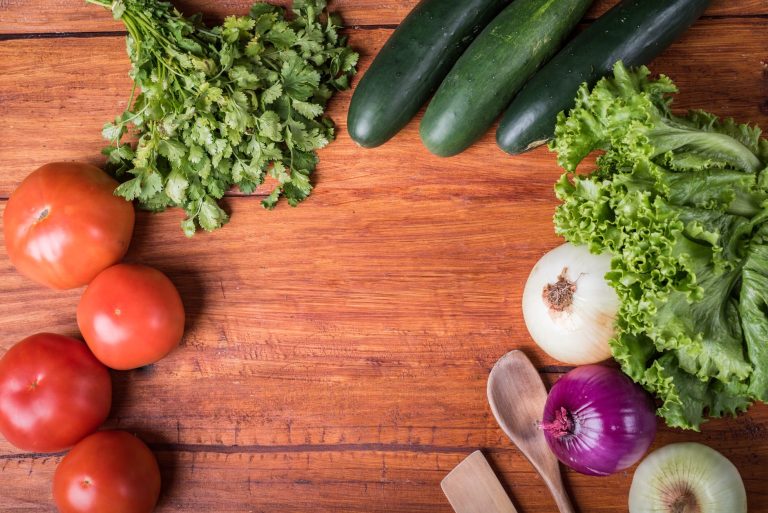
Think about how often bloating, sluggishness, cravings, or irregular digestion affect your day. Could your meals be working harder for you? Could a few simple organic swaps support your gut and make weight loss feel more natural? The answer is often yes. With the right foods, healthy lifestyle habits, and a more thoughtful approach to nutrition, your digestive system can become one of your strongest allies. [IMAGE: organic vegetables]
This guide explores the best organic foods for gut health, how they support clean eating and weight loss, and what to look for when building meals that feel satisfying instead of restrictive. Whether you are trying to improve digestion, reduce processed ingredients, or simply feel better after meals, you will find practical, expert-backed ideas you can start using today.
Why Gut Health Matters More Than Most People Realize
Your gut is not just a place where food is broken down. It is a complex system that influences nutrient absorption, hormone signaling, immune function, and even appetite regulation. When digestion is running smoothly, you are more likely to feel satisfied after meals, maintain steady energy, and avoid the sharp ups and downs that often lead to overeating.
Scientists continue to study the gut microbiome, the community of bacteria and other microorganisms living in your digestive tract. A diverse and balanced microbiome is associated with better overall health. What helps build that diversity? A varied diet rich in fiber, plant compounds, and minimally processed whole foods. That is where organic food can make a meaningful difference in a healthy diet.
The gut-weight connection
If your digestive system is struggling, weight loss can feel frustratingly slow. Poor gut health may contribute to cravings, irregular hunger signals, and inflammation that makes it harder to stay consistent. On the other hand, eating fiber-rich organic foods can help you feel full longer, support regularity, and create a more stable foundation for fat loss without resorting to harsh restrictions.
Have you ever noticed that when your meals are cleaner, your body feels less puffy and more balanced? That is not a coincidence. Clean eating often reduces ultra-processed ingredients, excess sugar, and low-quality fats that can disrupt digestion. At the same time, it increases the foods your gut actually thrives on.
Why organic can matter
Organic food is not a magic fix, but it can be a helpful choice for people who want a more intentional approach to nutrition. Organic produce is grown without synthetic pesticides and fertilizers, and organic dairy and animal products follow stricter standards around feed and additives. For many people, this adds peace of mind and supports a cleaner eating pattern.
When you are already focusing on gut health, the last thing you want is a diet built around highly processed foods with a long ingredient list. Organic ingredients often fit naturally into meals that are simpler, fresher, and easier to digest. That makes them especially appealing if you are exploring a gentle detox diet or building a more sustainable healthy lifestyle.
The Best Organic Foods for a Healthier Gut
Not all healthy foods play the same role in digestion. Some feed beneficial bacteria, some help move things along, and others calm the digestive process so your body can absorb nutrients more efficiently. Below are some of the most useful organic foods to include regularly if your goal is better gut health and steady weight loss support.
1. Organic fermented foods
Fermented foods are among the most valuable additions to a gut-friendly organic food plan. They contain live cultures that can help support a balanced microbiome. If you have ever wondered why many clean eating plans emphasize fermented foods, the answer is simple: they bring both flavor and function.
- Organic plain yogurt
- Organic kefir
- Sauerkraut
- Kimchi
- Miso
- Tempeh
Choose unsweetened versions whenever possible. Sweetened yogurt, for example, can look healthy on the surface but may contain enough added sugar to work against your goals. When buying fermented foods, check labels for live and active cultures, minimal ingredients, and low sodium if you are watching salt intake.
How to use them
Add a spoonful of sauerkraut to eggs, blend kefir into a smoothie, or pair miso soup with vegetables and tofu for a light lunch. Small daily servings are often better than huge portions, especially if your digestive system is sensitive.
2. Organic leafy greens
Leafy greens like spinach, kale, arugula, and Swiss chard are packed with fiber, antioxidants, and plant compounds that support digestion. They are easy to include in salads, soups, omelets, and smoothies, making them one of the most versatile foods in a healthy diet.
Organic greens can be especially appealing because they are often eaten raw or lightly cooked, so many people prefer them without synthetic pesticide exposure. More importantly, they deliver nutrition in a low-calorie package, which supports weight loss without leaving you underfed.
- Spinach for smoothies and sautés
- Kale for soups and salads
- Arugula for peppery freshness
- Swiss chard for a mineral-rich side dish
Want an easy clean eating habit? Add a handful of leafy greens to one meal every day. That one decision can improve fiber intake and make your plate look and feel more balanced.
3. Organic apples and berries
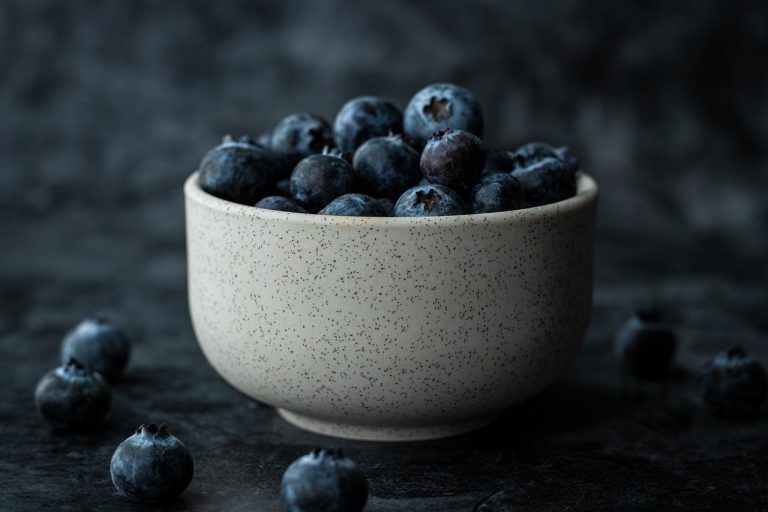
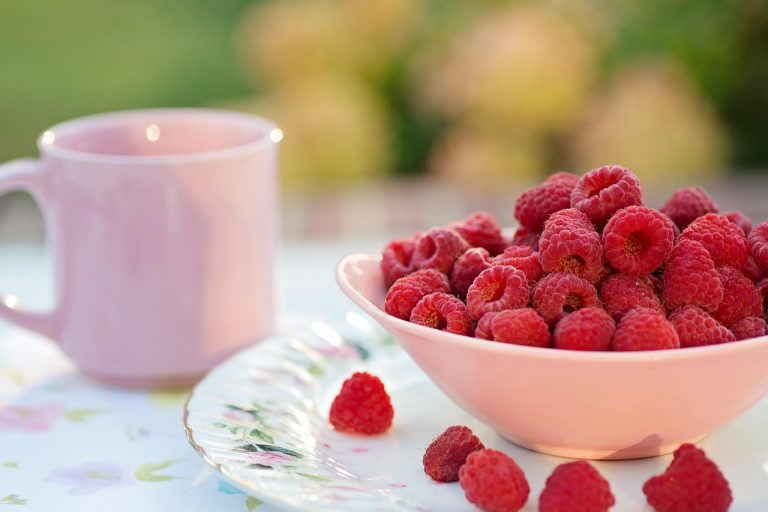
Fruit can be a powerful ally for gut health when you choose whole, fiber-rich options. Apples contain pectin, a type of soluble fiber that supports digestion, while berries deliver antioxidants and natural sweetness without the heavy sugar load of many packaged snacks.
Organic apples are especially popular because they are often listed among produce items that people prefer to buy organic. Berries, too, are a smart choice because they can be eaten frequently in clean eating plans, from breakfast bowls to afternoon snacks.
- Apples help support fullness
- Berries add flavor without excess calories
- Both pair well with nuts, seeds, or yogurt
Ask yourself: if a snack can support digestion and satisfy your sweet tooth at the same time, why reach for something processed?
4. Organic oats and other whole grains
Digestive health often depends on fiber, and whole grains can be one of the easiest ways to get more of it. Organic oats, quinoa, brown rice, barley, and buckwheat offer slow-release energy and help feed the beneficial bacteria in your gut.
Oats, in particular, are often a breakfast favorite for people focused on weight loss because they keep you full longer. They also pair beautifully with fruit, seeds, and yogurt, making them ideal for a healthy lifestyle that does not feel repetitive.
Better grain choices for gut health
- Organic rolled oats
- Steel-cut oats
- Quinoa
- Brown rice
- Buckwheat
- Barley
For best results, keep portions balanced and combine grains with protein and vegetables. That combination helps stabilize energy and prevent the afternoon crash that can trigger poor food choices.
5. Organic garlic, onions, and leeks
These humble ingredients do more than build flavor. They contain prebiotic fibers that help feed beneficial bacteria in the gut. In a clean eating kitchen, garlic, onions, and leeks are a practical way to make meals more satisfying while supporting digestive balance.
Because they are so flavorful, they can also help reduce the need for heavy sauces or excess salt. That makes them particularly useful in a detox diet or any plan designed to lower the burden of overly processed foods.
Try roasting garlic with vegetables, sautéing onions as a base for soups, or adding leeks to broths and egg dishes. Small choices like these add up quickly.
6. Organic ginger
Ginger has a long history in traditional wellness practices for easing nausea and supporting digestion. It has a warming quality that works well in teas, smoothies, stir-fries, and soups. If your stomach sometimes feels unsettled after meals, ginger may be one of the easiest organic foods to experiment with.
It is also useful in a gentle detox diet because it adds brightness and flavor without relying on sugar or artificial ingredients. Fresh organic ginger root can be grated into dressings, mixed with lemon, or simmered in hot water for a simple digestive tea.
7. Organic seeds and nuts
Seeds and nuts provide healthy fats, fiber, and minerals that help support satiety and digestive health. Chia seeds, flaxseeds, almonds, walnuts, pumpkin seeds, and sunflower seeds all fit well into a clean eating plan. They are especially helpful if you are trying to lose weight without feeling deprived.
Because they are calorie-dense, portion awareness matters. A small handful or a tablespoon or two is often enough. The goal is not to avoid them, but to use them wisely.
- Chia seeds for pudding and smoothies
- Flaxseeds for fiber and omega-3s
- Walnuts for crunch and healthy fats
- Pumpkin seeds for minerals and texture
Do you need a snack that feels substantial but still supports your goals? A mix of seeds, berries, and unsweetened yogurt can be a strong option.
8. Organic legumes
Beans, lentils, and chickpeas are fiber-rich staples that support digestion and help you stay full longer. They are also affordable, versatile, and ideal for people who want a healthy diet on a realistic budget.
For some people, legumes take a little adjustment. Starting with smaller portions and soaking them well can make them easier to digest. Pair them with herbs like cumin, fennel, or ginger to further support comfort.
Examples include:
- Organic lentil soup
- Chickpea salad
- Black bean bowls
- White bean vegetable stews
When weight loss is a goal, legumes can be especially helpful because they combine protein and fiber in a way that supports satiety without feeling heavy.
9. Organic cucumbers, zucchini, and other hydrating vegetables
Hydration matters for digestion more than many people realize. Water-rich vegetables help support regularity and can make meals feel lighter and fresher. Cucumbers, zucchini, celery, lettuce, and radishes all belong in an organic food plan focused on gut health.
These vegetables are ideal for lunch bowls, salads, soups, and quick sautés. They also fit nicely into a clean eating approach because they add volume without a lot of calories, which can be useful for weight loss.
What to Limit if You Want Better Digestion
Adding the right foods is important, but so is reducing the foods that may disrupt your gut. You do not need to banish every treat forever. Still, if digestion is a priority, some habits are worth rethinking.
Common gut irritants
- Ultra-processed snacks
- Excess added sugar
- Large amounts of alcohol
- Deep-fried foods
- Highly refined grains
- Artificial sweeteners that upset digestion
Many people notice that when they reduce these foods, bloating and cravings become easier to manage. That is one reason clean eating often feels so effective. It is not only about eating more vegetables; it is also about removing the things that slow you down.
If you are considering a detox diet, start with food quality before anything extreme. A true reset is usually built from meals that are simple, nourishing, and repeatable, not from deprivation or unnecessary rules.
How Organic Food Supports Weight Loss Without Extreme Restriction
Weight loss is often framed as a battle of willpower, but the reality is more nuanced. When meals are built around fiber, protein, and healthy fats, your body tends to feel more satisfied. That makes it easier to eat appropriately without constantly thinking about food.
Organic food supports this approach by helping you center meals around whole ingredients. It encourages cooking at home, reading labels, and being more intentional. Those behaviors alone can improve results over time.
The satiety advantage
Gut-friendly foods can help you stay full for longer periods. Fiber absorbs water and slows digestion, while protein helps regulate hunger hormones. Together, these nutrients support better appetite control. This is one reason clean eating and weight loss often go hand in hand.
Better food quality, fewer empty calories
A diet built on organic vegetables, whole grains, legumes, fruit, and fermented foods naturally leaves less room for sugary drinks, snack foods, and calorie-dense processed items. You are not just eating less; you are eating better. That distinction matters.
Consider how much easier it is to stay on track when your fridge contains prepared vegetables, fruit, yogurt, and grains instead of packaged foods that are engineered to be overconsumed. Which version of your kitchen supports your goals more effectively?
Practical Clean Eating Strategies That Improve Gut Health
You do not need to overhaul your life in a single weekend. In fact, gradual changes tend to last longer. The best healthy lifestyle plan is the one you can actually maintain.
1. Build meals around plants first
At lunch and dinner, start with vegetables, then add protein and a smart carb. This makes it easier to hit your fiber goals and keep meals satisfying. A colorful plate is often a helpful sign that you are eating a wide range of nutrients.
2. Keep fermented foods in rotation
You do not need them at every meal, but regular exposure helps. One serving a day or several times a week can be a simple habit that supports digestion.
3. Cook more meals at home
Home cooking gives you control over ingredients, salt, sugar, oils, and portions. Even a few extra meals per week can improve your overall nutrition significantly.
4. Eat slowly and stop multitasking
Digestion begins before food even reaches the stomach. Eating too quickly can lead to bloating and overeating. Put the phone down, chew thoroughly, and let your body register fullness. It is a small habit with a surprisingly big payoff.
5. Hydrate throughout the day
Water supports digestion, nutrient transport, and regularity. Herbal teas, infused water, and broths can also contribute. If you are increasing fiber, make sure your fluid intake rises as well.
A Simple Organic Gut-Friendly Day of Eating
Sometimes the easiest way to understand a plan is to see it in action. Here is an example of a day that supports digestion, weight loss, and steady energy without feeling overly strict. [IMAGE: healthy meal]
Breakfast
- Organic oats cooked with cinnamon
- Plain organic yogurt or kefir
- Blueberries and chia seeds
- Green tea or ginger tea
Lunch
- Big salad with spinach, arugula, cucumber, carrots, and avocado
- Organic chickpeas or grilled chicken
- Olive oil and lemon dressing
- A small side of sauerkraut
Snack
- Apple slices with almond butter
- Or a handful of walnuts and berries
Dinner
- Roasted salmon or tofu
- Quinoa or brown rice
- Steamed broccoli and zucchini
- Garlic and ginger sautéed into the vegetables
This is not a rigid formula. It is a template. You can swap ingredients based on taste, budget, or seasonal availability and still maintain the core structure of a gut-supportive healthy diet.
Meal Prep Ideas That Make Organic Eating Easier
One of the biggest reasons people abandon healthy eating is inconvenience. When you are tired, busy, or stressed, you will naturally choose the easiest option. That is why meal prep is one of the most underrated tools for long-term nutrition success.
Prep once, eat well all week
Spend an hour or two preparing a few core ingredients:
- Wash and chop organic vegetables
- Cook a batch of quinoa, rice, or oats
- Roast a tray of seasonal produce
- Prepare a protein source such as lentils, eggs, tofu, or chicken
- Make one simple dressing or sauce
With these basics ready, you can assemble salads, bowls, soups, and wraps quickly. That means fewer excuses and more consistency. In other words, meal prep turns healthy intentions into daily habits.
Smart storage tips
Use clear containers so food is easy to see. Label items by date. Keep snacks visible at eye level in the fridge. These small environmental cues make clean eating feel automatic rather than exhausting.
Imagine opening your fridge and seeing prepared vegetables, fruit, and balanced meals ready to go. Would you still feel tempted by the takeout menu as often? Probably not.
How to Shop for Organic Foods Without Overspending
Many people assume organic food is always expensive, but strategic shopping can make it far more manageable. You do not need to buy everything organic overnight. Focus on the items that matter most to you and build from there.
Where to save and where to splurge
- Buy organic for foods you eat often and in less processed form
- Prioritize leafy greens, apples, berries, and foods with edible skins when possible
- Choose frozen organic vegetables and fruit when they are more affordable
- Buy whole foods in bulk if you use them regularly
- Watch store brands and seasonal sales
Frozen organic produce can be especially practical. It is picked at peak ripeness, lasts longer, and helps reduce waste. For busy households, that is a very smart way to support a healthy lifestyle without overspending.
Read labels with purpose
Look for short ingredient lists, low added sugar, and minimal additives. If a food claims to be healthy but contains multiple sweeteners, preservatives, and flavoring agents, it may not support your goals as well as it seems.
Common Mistakes to Avoid on a Gut-Friendly Clean Eating Plan
Even a good plan can fall apart if it becomes too complicated. The goal is to support your body, not overwhelm it. Here are a few common mistakes that can slow progress.
Overdoing fiber too quickly
Fiber is valuable, but increasing it suddenly can cause gas or discomfort. Build gradually and drink enough water. If you are switching from a low-fiber diet, your gut may need time to adapt.
Relying too heavily on packaged health foods
Not every bar, cracker, or smoothie is truly nourishing. Some highly marketed products are still ultra-processed and can undermine your clean eating goals. Choose whole foods first and use convenience items sparingly.
Skipping meals and then overeating
Long gaps between meals can lead to intense hunger and poor choices later in the day. A steady eating rhythm often works better for digestion and weight loss than strict deprivation.
Ignoring stress and sleep
Your gut does not operate in isolation. Stress, poor sleep, and rushed eating can all affect digestion. A healthy diet works best when it is paired with rest, movement, and emotional balance. [IMAGE: fitness lifestyle]
Natural Support Beyond Food
Food is the foundation, but a few lifestyle habits can make your gut-supportive plan even more effective. These do not need to be complicated or expensive.
Move your body regularly
Walking after meals, strength training, yoga, or even light stretching can help support digestion and overall metabolic health. You do not need punishing workouts to see benefits. Consistency matters more than intensity.
Manage stress intentionally
Chronic stress can disrupt digestion and increase cravings. Try deep breathing, journaling, time outdoors, or a short digital break each day. A calmer nervous system can support a calmer gut.
Sleep like it matters
Because it does. Poor sleep can influence hunger hormones and food choices the next day. A regular bedtime, reduced screen exposure at night, and a quiet evening routine all support the results of your nutrition efforts.
What Makes This Approach Sustainable
The best healthy diet is the one you can repeat without feeling trapped. That is what makes a clean eating approach centered on organic food so appealing. It gives you structure without requiring obsession. It supports weight loss without starving you. It improves digestion without turning every meal into a rulebook.
When you focus on real ingredients, balanced meals, and a few simple habits, you begin to notice a shift. You may feel less bloated. You may crave fewer sugary snacks. You may even find that your energy stays steadier throughout the day. Those changes can build real momentum.
At that point, healthy eating stops feeling like a short-term project and starts becoming your normal way of living. And that is where the most lasting results happen.
If you are ready to support your gut in a way that feels elegant, practical, and realistic, start with one meal today. Add one more organic vegetable, choose one fermented food, or swap one processed snack for a whole-food alternative. Small changes add up quickly, and the more you align your kitchen with your goals, the easier your healthy lifestyle becomes. Keep exploring more expert articles on DietOrganic for fresh ideas that make organic food, clean eating, and nutrition feel both rewarding and sustainable.
About the Author