
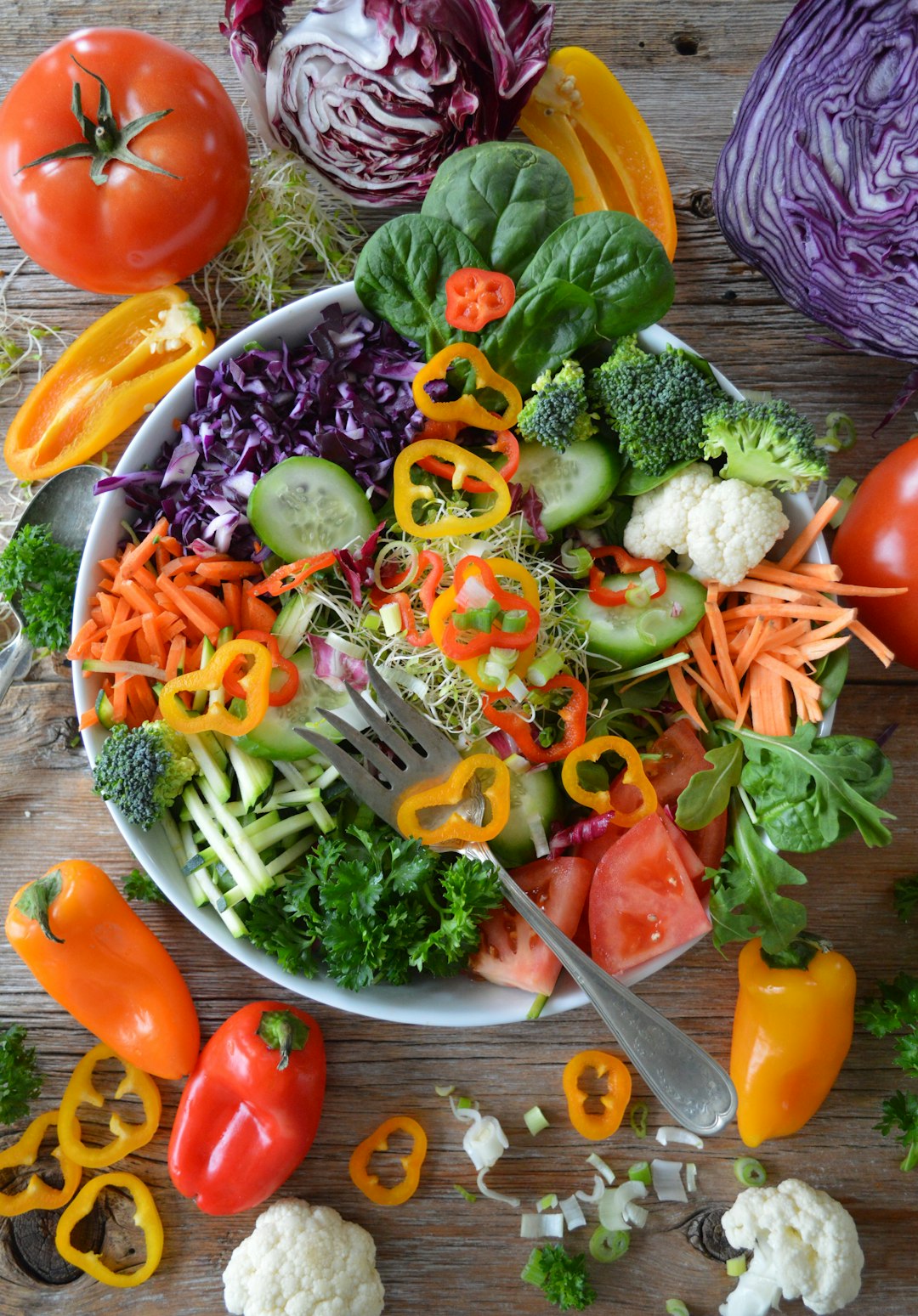
Photo by Nadine Primeau on Unsplash
If you have ever wondered why some healthy diet plans feel easy for a week and impossible for a month, the answer often comes down to food quality, not just calories. Organic food can make a real difference when your goal is weight loss, especially when you want a cleaner eating routine that still feels satisfying, practical, and enjoyable. The right organic choices do more than fill your plate. They can support better nutrition, steadier energy, improved digestion, and a stronger sense of control around meals.
This is not about chasing perfection or turning your kitchen into a laboratory. It is about learning which organic foods genuinely help a weight loss plan work in real life. What makes one breakfast keep you full for hours while another leaves you searching for snacks by midmorning? Why do some clean eating habits feel effortless while others collapse the moment life gets busy? The foods you choose matter more than most people realize, and when you build meals around high-quality ingredients, your body often responds with more predictable hunger, fewer cravings, and a calmer relationship with food.
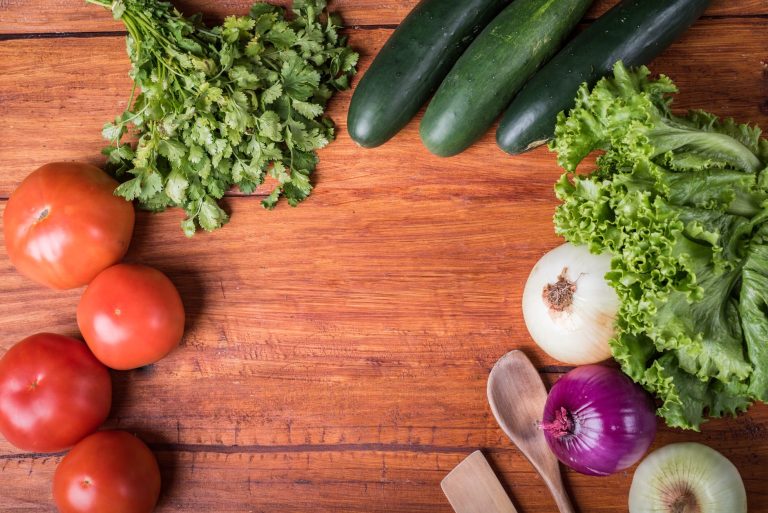
[IMAGE: organic vegetables]
In this guide, you will discover the best organic foods for weight loss, how to combine them into satisfying meals, which mistakes can slow progress, and how to turn clean eating into something sustainable. Whether you are trying to slim down, improve energy, or simply create a healthier lifestyle, this article offers a practical, expert-backed framework you can use immediately.
Why Organic Food Can Support Weight Loss Better Than a Random Healthy Diet
Weight loss is never just about numbers on a scale. It is about hunger, habits, blood sugar balance, meal quality, and the environment you create around food. Organic food supports that process in a subtle but meaningful way. When your pantry is filled with whole, minimally processed ingredients, it becomes easier to build meals that are naturally lower in empty calories and higher in nutrition.
Organic produce is often chosen by people who care deeply about clean eating, and that mindset alone can shift behavior in a positive direction. A person who shops for fresh greens, berries, eggs, beans, and seeds is usually far less likely to rely on ultra-processed foods that are engineered to keep cravings high. That does not mean organic food is magical, but it often acts as a powerful anchor for smarter eating patterns.
Lower Exposure to Ultra-Processed Eating Patterns
One of the biggest advantages of building a healthy diet around organic food is that it usually crowds out the foods that make weight loss harder. Chips, pastries, sweet drinks, and heavily refined snacks can be eaten quickly and in large amounts without creating real fullness. Organic vegetables, legumes, fruit, and whole grains are different. They bring fiber, water, and natural structure to the plate, which makes them more satisfying.
Think about the difference between a bowl of berries with yogurt and a packaged fruit snack. Both may seem sweet, but one is closer to its natural state and much more likely to satisfy you. When you feel satisfied, you are less likely to snack repeatedly, and that can make a huge difference over time.
Better Satiety Means Fewer Cravings
Satiety is the feeling of being comfortably full, and it is one of the most underrated tools in nutrition. Organic foods that are rich in fiber, protein, and healthy fats help you stay satisfied longer. That matters because many weight loss plans fail not due to lack of discipline, but because meals are too small, too light, or too low in protein to hold up through a busy day.
When your breakfast includes organic eggs, spinach, and avocado, or when lunch includes lentils, roasted vegetables, and olive oil, your body receives a steadier stream of energy. You are not chasing blood sugar spikes. You are not fighting the urge to raid the pantry by late afternoon. You are eating in a way that supports your biology instead of battling it.
A Cleaner Plate Can Lead to Cleaner Habits
There is also a psychological advantage to clean eating. People often underestimate how much the environment influences choices. If your kitchen is full of simple organic foods and fewer trigger foods, you are already making progress before you even sit down to eat. The easier your default options are, the more likely you are to stay consistent.
That consistency matters because weight loss is rarely dramatic in the first few days. It builds through repeated decisions: choosing a real breakfast, adding vegetables to lunch, cooking dinner at home, and swapping sugary snacks for fruit, yogurt, or seeds. Organic food can become the foundation of that rhythm.
The Best Organic Foods for Weight Loss
Not all organic foods work equally well for weight loss. Some are nutrient-dense and naturally filling, while others are healthy but easy to overeat. The smartest approach is to focus on foods that deliver a lot of nutrition for relatively few calories, while still keeping meals satisfying enough to prevent rebound hunger. Below are the most effective choices for a clean eating routine that supports healthy weight loss.
Organic Leafy Greens
Spinach, kale, romaine, arugula, Swiss chard, and mixed salad greens should be a foundation in any organic diet focused on weight loss. These vegetables are very low in calories, high in water, and packed with vitamins and minerals. They add volume to meals, which can help you feel full without excessive energy intake.
Leafy greens are especially useful if you want to create a larger plate without raising calories too much. A salad bowl with organic greens, cucumber, herbs, tomatoes, and a lean protein can be both generous and light. If you often feel hungry after eating, leafy greens can help bridge that gap.
- Add spinach to omelets, smoothies, and soups.
- Use kale as a base for grain bowls or roasted vegetable salads.
- Keep washed greens ready in the fridge for quick meals.
- Mix herbs like parsley and cilantro into salads for extra flavor without extra calories.
Organic Cruciferous Vegetables
Broccoli, cauliflower, Brussels sprouts, cabbage, and cauliflower rice are excellent for a weight loss plan because they are filling, versatile, and nutrient-rich. These vegetables provide fiber that helps slow digestion and support better fullness. They also work well in batch cooking, which makes clean eating easier during busy weeks.
What makes cruciferous vegetables particularly smart for organic food lovers is their ability to transform into many meal styles. You can roast them, steam them, stir-fry them, or blend them into soups. They can replace heavier ingredients in several recipes without making meals feel stripped down or bland.
Organic Berries
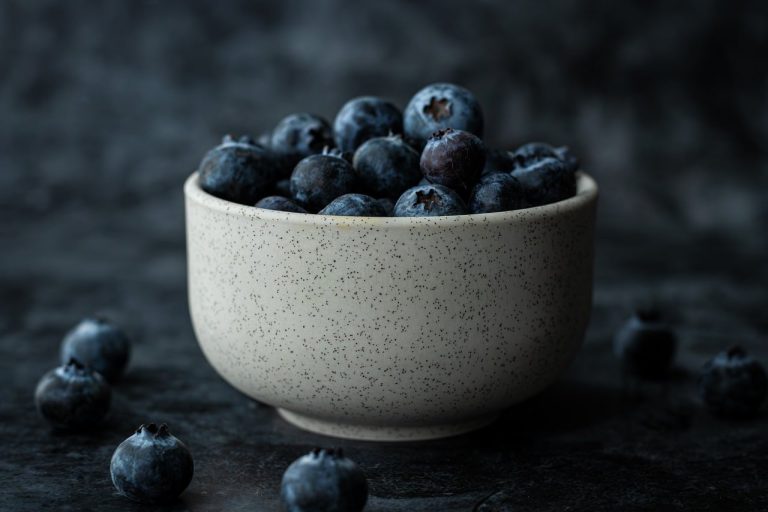
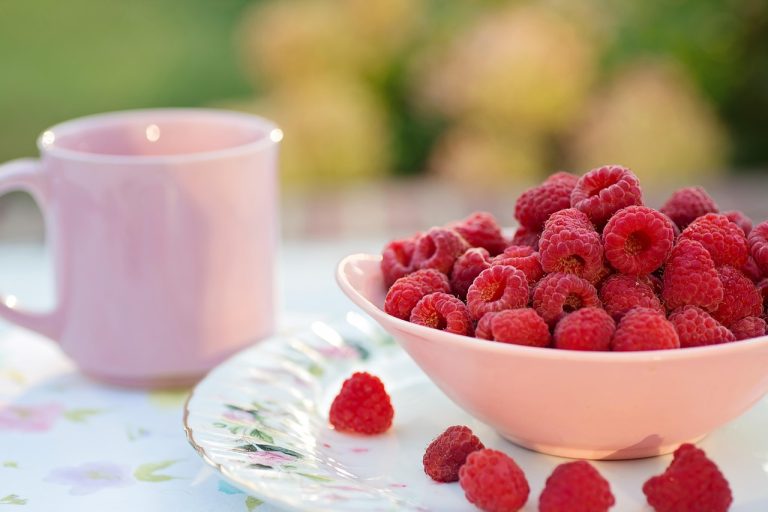
Berries are one of the best fruits for weight loss because they offer sweetness, fiber, and powerful antioxidants without being overly calorie-dense. Organic strawberries, blueberries, raspberries, and blackberries are especially valuable for people trying to reduce added sugar while still enjoying fruit every day.
Many people worry that weight loss means giving up fruit, but that is not necessary. Instead, it is smarter to choose fruits that work hard for their calories. Berries do exactly that. A small bowl can satisfy a sweet craving, support digestion, and add color to a healthy diet. Why reach for a dessert-style snack when berries can give you sweetness with far more nutritional value?
Organic Apples and Pears
Apples and pears are classic clean eating staples because they are portable, satisfying, and naturally rich in fiber. Their combination of water and fiber makes them more filling than many processed snacks. When eaten with a source of protein or fat, such as nuts or yogurt, they can become a balanced mini-meal instead of just a sweet bite.
These fruits are especially useful for midday hunger. If you tend to get the afternoon slump and start hunting for pastries or candy, an organic apple with almond butter or a pear with plain yogurt can shift the pattern. Over time, these small choices support weight loss by reducing random snacking.
Organic Avocados
Avocados are calorie-dense, but they are still one of the most useful foods in a healthy lifestyle because they support fullness and improve the satisfaction of meals. Their monounsaturated fats can help slow digestion, which is useful when you need a lunch that will carry you through the afternoon. A little avocado goes a long way.
The key is portion awareness. You do not need a whole avocado on every plate. A quarter or half can be enough to improve flavor and satiety. When paired with eggs, salads, or vegetables, avocado gives a meal a richer texture that helps clean eating feel less restrictive.
Organic Eggs
Eggs are one of the simplest and most effective organic protein sources for weight loss. They are versatile, affordable, and easy to prepare in many ways. Protein is essential for preserving muscle during fat loss, and it also helps reduce hunger between meals. That makes eggs a smart choice for breakfast, lunch, or even dinner.
Organic eggs work beautifully with leafy greens, mushrooms, tomatoes, and herbs. A vegetable omelet can be far more satisfying than a pastry or cereal-heavy breakfast. If mornings are a challenge, cooking eggs in advance or making a frittata can save time and keep your nutrition on track.
Organic Greek Yogurt and Cottage Cheese
Plain organic Greek yogurt and cottage cheese can be excellent tools for weight loss because they are high in protein and easy to combine with fruit, seeds, and cinnamon. They help create satisfying snacks that feel substantial without being heavy. When you are trying to maintain a calorie deficit, protein-rich dairy can make the process much easier.
Look for unsweetened versions so you control the flavor yourself. Add berries, chia seeds, or a drizzle of nut butter for a balanced bowl. This is one of those foods that proves clean eating does not need to be boring. It just needs to be thoughtful.
Organic Lentils and Beans
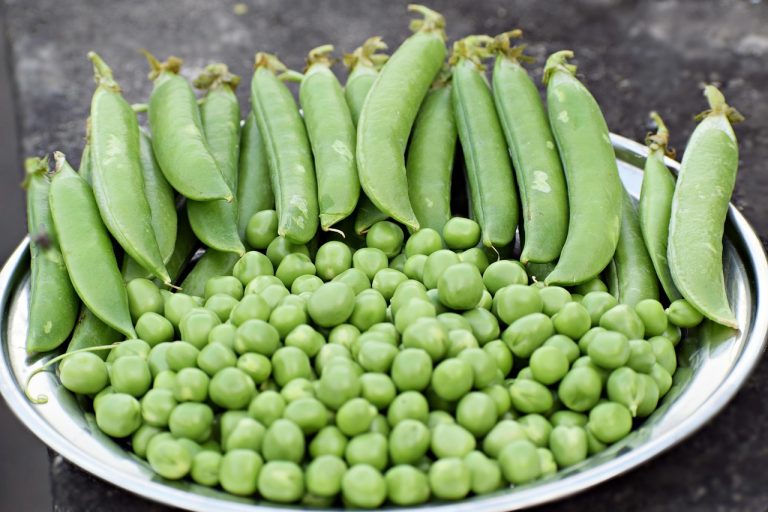
Lentils, black beans, chickpeas, and kidney beans deserve a place in any organic diet aimed at healthy weight loss. They are rich in fiber, plant protein, and slow-digesting carbohydrates, which makes them especially useful for stable energy. A bean-based meal often keeps you full far longer than a refined carb-heavy option.
Another advantage is their flexibility. Beans and lentils can be used in soups, salads, stews, wraps, and bowls. They also work well for meal prep, which is important if you want a weight loss strategy that survives a busy week. If you have ever asked yourself how to stay full on fewer calories, legumes are part of the answer.
Organic Chia Seeds and Flax Seeds
Small foods can have a big impact, and seeds are a perfect example. Chia seeds and flax seeds supply fiber and healthy fats that help support digestion and appetite control. They are easy to stir into yogurt, oatmeal, smoothies, and overnight puddings, making them one of the easiest clean eating upgrades available.
Because they are tiny, it is easy to overlook how powerful they are. A spoonful here and there can improve the texture and nutrition of meals while helping you feel more satisfied. If you are trying to avoid midmorning hunger or evening snacking, these seeds are worth keeping on hand.
Organic Oats and Whole Grains
Organic oats, quinoa, brown rice, buckwheat, and barley can all support weight loss when portions are reasonable and meals are balanced. Whole grains provide fiber and slower-digesting carbohydrates that can prevent the energy crashes associated with refined grains. They are especially useful for active people who need fuel for exercise and daily life.
The most important thing is how you combine them. A small bowl of oats topped with yogurt and berries is very different from a sugary cereal breakfast. A quinoa bowl with vegetables and protein is far more effective than a large portion of plain rice. Quality and balance are everything.
Organic Tomatoes, Cucumbers, and Zucchini
High-volume vegetables such as tomatoes, cucumbers, and zucchini are excellent for adding freshness and bulk to meals. They are light enough to fit into almost any weight loss plan and versatile enough to show up in salads, sautés, soups, and roasted dishes. Their mild flavor also makes them easy to pair with herbs, citrus, and healthy fats.
These vegetables are especially helpful when you want your meals to look abundant. A visually full plate can make a healthy diet feel more satisfying, which matters more than many people realize. Eating begins with the eyes, and a colorful plate can reinforce the feeling that clean eating is a treat, not a compromise.
How to Build a Weight Loss Plate with Organic Foods
If you want organic food to support weight loss consistently, you need a simple meal structure. Otherwise, even the healthiest ingredients can become too random, too light, or too calorie-dense. The best plates are balanced, colorful, and easy to repeat. You do not need a perfect formula, just one that works reliably enough to guide everyday decisions.
The Easiest Plate Formula
Try this structure for lunch and dinner:
- Half the plate: organic non-starchy vegetables
- One quarter: lean protein or plant protein
- One quarter: smart carbohydrates or extra vegetables
- Small addition: healthy fat for flavor and satiety
This formula helps you stay full without overdoing calories. It also makes meal planning less stressful because you are not forced to count every bite. You are simply building a balanced plate from the right food groups.
Sample Organic Weight Loss Plates
Here are a few examples that combine clean eating with practicality:
- Grilled organic chicken, roasted broccoli, mixed greens, and a small scoop of quinoa
- Lentil salad with cucumber, tomato, herbs, lemon, and avocado
- Organic egg scramble with spinach, mushrooms, and a side of berries
- Greek yogurt bowl with chia seeds, raspberries, and crushed walnuts
- Cauliflower rice bowl with tofu, cabbage, carrots, and sesame dressing
The idea is not to eat tiny meals that leave you miserable. The goal is to eat meals that are big enough in volume and rich enough in nutrition to keep you steady. Can a healthy diet feel satisfying? Absolutely, when it is built with intention.
[IMAGE: healthy meal]
Healthy Organic Breakfast Ideas That Support Fat Loss
Breakfast can set the tone for your entire day, especially if your mornings tend to shape your energy and cravings. A common mistake is eating too little in the morning, then becoming ravenous later. Another mistake is starting the day with sugar-heavy foods that spike hunger soon after. Organic breakfast ideas for weight loss should be filling, protein-rich, and simple enough to repeat during the week.
Breakfast Options That Actually Work
- Vegetable omelet with organic eggs and spinach
- Greek yogurt with berries, flax seeds, and cinnamon
- Overnight oats with chia seeds and sliced apple
- Avocado toast on whole-grain bread with a poached egg
- Smoothie with spinach, berries, yogurt, and unsweetened almond milk
Notice the pattern. Each option combines protein, fiber, and a little healthy fat. That is the formula that helps you feel fed rather than deprived. If you often skip breakfast because you are rushed, prep the night before. That one habit alone can change the entire arc of your day.
What to Avoid in the Morning
Even organic breakfast foods can work against weight loss if they are too sugar-heavy or too low in protein. Fruit juice, sweet granola, flavored yogurt, muffins, and oversized smoothies can be deceptive. They may look healthy, but they often do not provide the satiety you need. Ask yourself a simple question: will this meal keep me focused for the next three to four hours, or will I be hungry again almost immediately?
Organic Lunch and Dinner Ideas for a Clean Eating Lifestyle
Lunch and dinner should reinforce your weight loss goals without feeling repetitive. This is where organic food shines because it can be turned into endless combinations that stay fresh, colorful, and satisfying. The goal is to create meals that are dense in nutrition, reasonable in calories, and enjoyable enough that you want to stick with them.
Simple Lunch Concepts
- Mixed green salad with lentils, cucumbers, tomatoes, and pumpkin seeds
- Quinoa bowl with roasted vegetables and grilled tofu
- Turkey or chicken lettuce wraps with avocado and salsa
- Soup made with beans, cabbage, carrots, and herbs
A good lunch should prevent the afternoon energy crash. If you regularly hit a wall at 3 p.m., your lunch may need more protein, more fiber, or both. Organic ingredients make it easier to build a plate that works with your body instead of against it.
Simple Dinner Concepts
- Salmon with roasted Brussels sprouts and cauliflower mash
- Stir-fried vegetables with organic tofu and brown rice
- Chicken, zucchini, and tomato skillet with herbs
- Vegetable and bean stew with a side salad
Dinner is often where weight loss efforts break down, not because people are lazy, but because they are tired. The solution is to make dinner easy, satisfying, and repeatable. If you can cook in one pan, use two or three main ingredients, and keep cleanup manageable, you are more likely to stay consistent.
[IMAGE: fitness lifestyle]
Organic Foods That Help Digestion and Support a Flatter Feeling
Many people focus only on calories when they think about weight loss, but digestion matters too. When digestion is sluggish or uncomfortable, meals can feel heavier, cravings can increase, and energy can drop. Organic foods rich in fiber, water, and plant compounds can support a more comfortable digestive rhythm, which may help you feel lighter and more in control.
Best Choices for Digestive Comfort
- Leafy greens and cruciferous vegetables
- Berries, apples, and pears
- Lentils, chia seeds, and flax seeds
- Plain yogurt with live cultures
- Water-rich vegetables such as cucumber and zucchini
Hydration also matters. Fiber cannot do its job well without enough water, so a detox diet or clean eating plan should always include fluids throughout the day. Herbal tea, infused water, and plain water can all be part of a weight loss routine when used consistently.
Why Digestion and Weight Loss Are Linked
When your meals are built from whole foods, your body usually has an easier time processing them. That does not mean digestion problems disappear overnight, but it does mean you are giving your system a better starting point. If you have been eating mostly packaged food, a gradual shift toward organic food can create noticeable changes in how you feel after meals.
Some people notice less bloating when they reduce heavily salted snacks and refined carbs. Others feel better when they add more fiber slowly and keep their meals simpler. The point is not to force a rigid plan. The point is to listen carefully and adjust.
Smart Grocery Shopping for Organic Weight Loss Success
The grocery store can either support your goals or derail them. That is why a smart shopping strategy matters so much. If you want a healthy lifestyle to feel manageable, the ingredients you bring home need to match the meals you actually plan to eat. The best organic diet is not the one with the longest shopping list. It is the one you can repeat week after week.
What to Put in Your Cart
- Organic leafy greens and salad mixes
- Broccoli, cauliflower, Brussels sprouts, zucchini, and cucumbers
- Berries, apples, pears, and lemons
- Eggs, Greek yogurt, tofu, tempeh, beans, and lentils
- Chia seeds, flax seeds, nuts, and olive oil
- Whole grains such as oats, quinoa, and brown rice
Keep your list focused on ingredients that can be mixed into multiple meals. If one item only works in one recipe, it is less useful than something you can use throughout the week. Flexibility is a hidden advantage in any weight loss plan.
How to Read Labels Without Getting Overwhelmed
Organic labels help, but they do not guarantee a food is automatically weight-loss friendly. A bag of organic cookies is still a cookie. A jar of organic nut butter is still calorie-dense. A sweetened organic granola bar is still a bar with added sugar. The label tells you something about production, not always about the final impact on your goals.
Look for short ingredient lists, minimal added sugar, and foods that resemble their natural form. The less a product depends on clever marketing, the more likely it is to support clean eating in a real, sustainable way.
The Metabolism Question: Can Organic Food Really Help?
People often ask whether organic food boosts metabolism directly. The honest answer is that no single food transforms metabolism overnight. However, the right dietary pattern can absolutely support the processes that keep metabolism functioning well. Protein, muscle maintenance, hydration, sleep, and stable blood sugar all matter. Organic food can support these factors by making healthy choices easier to repeat.
What Actually Supports Metabolic Health
- Eating enough protein to preserve lean muscle
- Choosing fiber-rich foods that improve fullness
- Staying hydrated throughout the day
- Pairing food with regular movement and strength training
- Limiting ultra-processed foods that encourage overeating
If your weight loss plan is built around organic food, that can make it easier to hit these fundamentals. You are more likely to eat real meals, more likely to include vegetables, and more likely to maintain the steady habits that support long-term results.
Nutrition Is the Real Metabolism Driver
Metabolism is not just about burning calories faster. It is about how efficiently your body uses the food you eat, how well you recover, and how stable your habits remain over time. Good nutrition gives your body the raw materials it needs to function well. Organic food does not replace those needs, but it can make meeting them simpler and more enjoyable.
Common Organic Diet Mistakes That Slow Weight Loss
Even the cleanest eating plan can stall if it is built poorly. Many people think they are doing everything right because they buy organic food, yet progress remains slow. Usually the issue is not the quality of the food. It is the balance, portions, or structure of the meals.
Assuming Organic Means Low Calorie
This is one of the biggest myths. Organic peanut butter, cheese, granola, and coconut products can be nutritious, but they can also add up fast. If your meals contain too much fat without enough volume or protein, it becomes easy to overshoot your energy needs without noticing.
Not Eating Enough Protein
Many clean eaters load up on vegetables and fruit but forget protein. That can leave you hungry and make weight loss feel harder than it needs to be. Include eggs, yogurt, beans, lentils, tofu, tempeh, fish, poultry, or other protein-rich foods in most meals.
Overdoing Healthy Snacks
Handful after handful of nuts, seed bars, dried fruit, and organic crackers may still create a calorie surplus. Snacks are useful, but they should be intentional. Ask yourself whether you are eating because you are truly hungry or because the food is there.
Skipping Meals and Bingeing Later
Some people try to force weight loss by eating very little during the day, then end up overeating at night. That pattern is especially common when breakfast and lunch are too small. Clean eating works better when it supports your appetite instead of fighting it.
A Realistic One-Day Organic Eating Example
If you like to see how all of this comes together, here is what a balanced day might look like. This is not a strict detox diet or a restrictive menu. It is simply a practical example of how organic food can support weight loss without making life complicated.
- Breakfast: Organic egg scramble with spinach, mushrooms, and berries
- Midmorning: Green tea and an apple with a spoon of almond butter
- Lunch: Lentil salad with cucumber, tomato, herbs, and avocado
- Afternoon snack: Plain Greek yogurt with chia seeds
- Dinner: Baked salmon with broccoli and cauliflower mash
This type of day is satisfying because it is built on protein, fiber, and real food. There is room for flavor, texture, and variety. Most importantly, it feels livable. And if a plan is not livable, how long can it realistically last?
How to Make Clean Eating Sustainable for the Long Term
Short bursts of motivation are easy. Sustainable habits are what create results. The more your organic food choices fit your actual life, the more likely your healthy lifestyle becomes second nature. That means planning for busy mornings, tired evenings, social events, and the occasional imperfect day.
Practical Habits That Help
- Wash and chop vegetables as soon as you bring them home
- Cook one or two protein sources in advance
- Keep quick snacks like yogurt, berries, and seeds ready
- Repeat a few favorite meals instead of inventing new ones daily
- Keep healthy ingredients visible and convenient
Meal prep does not need to be extreme. Even a little preparation can reduce decision fatigue and make it easier to stick with your nutrition goals. The simpler your environment, the easier your habits become.
Remember the Bigger Picture
Weight loss is not just a food project. It is a lifestyle project. Sleep, stress, movement, and mindset all influence how your body responds to nutrition. Organic food can be a powerful support, but it works best as part of a wider healthy routine. Pair your clean eating with walking, strength work, hydration, and enough rest, and the results often become more consistent.
What to Focus on First if You Are Just Starting
If this all feels like a lot, start small. You do not need to transform every meal at once. Choose one breakfast, one lunch, and one snack you can repeat this week. Replace one processed item with a whole-food organic option. Add one extra vegetable to dinner. These small changes are not small at all when they are repeated consistently.
For beginners, the smartest strategy is often this: build meals around protein, fill half your plate with vegetables, use fruit for sweetness, and keep snacks simple. That alone can create noticeable improvement in hunger, energy, and control around food. You can refine the details later. The important thing is to begin with a structure you can trust.
Organic food is not a shortcut, but it is a remarkably effective foundation for weight loss when used wisely. It helps you create a healthy diet that feels nourishing rather than punishing, and that matters more than many people realize. If you want a cleaner plate, steadier energy, and a more confident approach to nutrition, start with the foods that offer the most support and the least noise. For more practical ideas on organic food, clean eating, and a healthier lifestyle, keep exploring the latest articles on DietOrganic and build the kind of routine you can actually live with.
About the Author