
Photo by Alexas_Fotos on Pixabay
If you have ever tried to eat better and still felt sluggish, bloated, or strangely unsatisfied after meals, you are not alone. Many people assume that weight loss is only about eating less, but in reality, the quality of your food matters just as much as the quantity. That is where organic food stands out. When your plate is built around clean eating, whole ingredients, and nutrient-rich produce, your body often responds with better digestion, steadier energy, and a more sustainable path toward a healthy lifestyle.
What makes this approach so effective is that it does not depend on extreme restriction. Instead, it focuses on foods that nourish your gut, support metabolism, and help reduce the noise of highly processed eating patterns. Could a simpler diet really change the way you feel day to day? In many cases, yes. An organic diet built around digestion-friendly ingredients can help you feel lighter, eat more mindfully, and make weight loss feel less like punishment and more like a natural outcome of better nutrition.
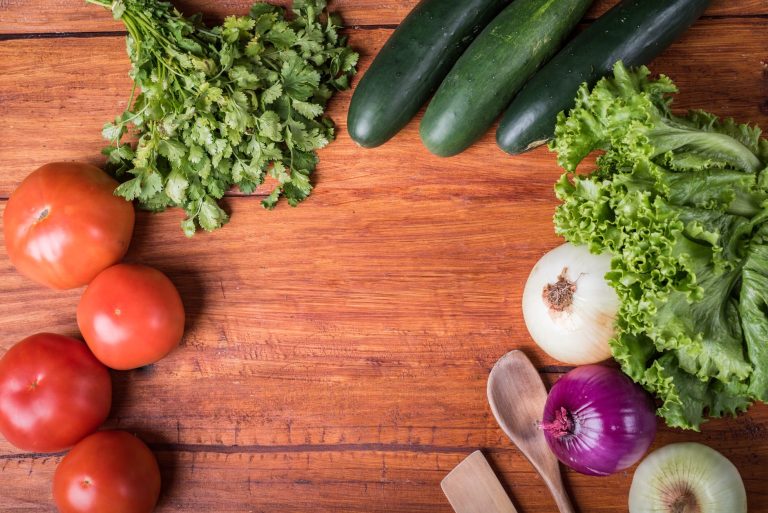
[IMAGE: organic vegetables]
Why Gut Health Is the Hidden Foundation of a Healthy Diet
Gut health is one of the most overlooked parts of nutrition, yet it influences far more than digestion alone. Your gut helps process the food you eat, absorb vitamins and minerals, and communicate with your immune system. It even plays a role in cravings, mood, and energy regulation. When your digestive system is irritated, undernourished, or overloaded with artificial additives, it can be harder to maintain a balanced healthy diet and even harder to stay consistent with weight loss goals.
That is why organic food can be such a smart choice. Many people notice that when they reduce exposure to synthetic pesticides, refined sugars, and ultra-processed ingredients, their stomach feels calmer. Bloating may decrease, meals may feel more satisfying, and cravings can become easier to manage. The connection between clean eating and gut comfort is not magic; it is a reflection of how the body responds when it receives simpler, more recognizable nutrition.
Think about your typical eating pattern. Are you giving your body foods that support digestion, or are you asking it to work overtime every time you eat? The answer often reveals why some diets feel exhausting while others feel sustainable.
What Makes Organic Food a Better Fit for Clean Eating?
Organic food is not a shortcut, and it is not a miracle cure, but it can be a powerful upgrade in a clean eating plan. Organic farming standards limit the use of many synthetic pesticides, herbicides, and genetically modified ingredients, which appeals to people who want a more natural approach to nutrition. While the research on every health claim is nuanced, many consumers choose organic produce and pantry staples because they want fewer unnecessary chemicals and a more transparent food system.
From a practical standpoint, organic ingredients also tend to encourage more mindful eating. When you buy fresh vegetables, seasonal fruit, whole grains, and minimally processed proteins, you naturally move away from the type of food that is engineered to be eaten quickly and mindlessly. This matters because sustainable weight loss usually comes from patterns, not punishments.
Fewer ingredients, fewer digestive distractions
One of the biggest benefits of organic eating is simplicity. Many processed foods contain preservatives, artificial sweeteners, emulsifiers, and additives that may not agree with every digestive system. By choosing organic food more often, you reduce your exposure to some of those extras and create a cleaner base for your meals.
That cleaner base can be especially helpful if you are trying to ease into a detox diet or reset your eating habits. When meals are built from whole ingredients, it becomes easier to notice how different foods affect your stomach, mood, and energy. Do oats make you feel steady? Does yogurt calm your digestion? Does a plate full of fried, heavy food leave you tired? Clean eating helps you answer those questions with clarity.
Nutrient density supports better nutrition
Organic fruits and vegetables are often chosen for their freshness and flavor, but they can also be part of a nutrient-dense routine. Nutrition is not just about calories; it is about the vitamins, minerals, fiber, and plant compounds that help your body function well. If weight loss is your goal, nutrient density matters because it helps you feel full without constantly searching for your next snack.
Consider the difference between a bag of chips and a bowl of berries with seeds. One may satisfy a craving for a moment, but the other can provide fiber, antioxidants, and natural sweetness that supports a healthier rhythm of eating. That is the heart of a smart healthy diet: choosing foods that work harder for your body.
The Best Organic Foods for Gut Health and Weight Loss
When people hear the phrase organic food, they often picture produce first. That makes sense, but the most effective gut-friendly diet includes a wider range of ingredients. A strong clean eating plan combines fiber, hydration, probiotics, prebiotics, and balanced macronutrients. The goal is not just to eat organic; it is to eat in a way that encourages stable digestion and natural satiety.
1. Leafy greens
Organic leafy greens such as spinach, arugula, kale, romaine, and Swiss chard are excellent for a healthy lifestyle. They are low in calories, high in fiber, and full of micronutrients that support overall nutrition. Their volume also helps fill the plate, which can make weight loss feel more manageable.
Leafy greens are especially useful in salads, sautés, smoothies, and grain bowls. If your digestion feels heavy, adding more greens can help your meals feel lighter without leaving you hungry.
2. Fermented foods
Foods like organic yogurt, kefir, sauerkraut, kimchi, and miso bring beneficial bacteria into the diet. These probiotic-rich foods can support a balanced gut environment, which is one reason they are often included in a detox diet or digestion-focused plan.
Start slowly if you are not used to fermented foods. A small serving can be enough to begin with, especially if your gut is sensitive. Have you ever noticed how certain foods make you feel energized while others leave you bloated? Fermented foods may help bring that balance back.
3. Berries and low-sugar fruit
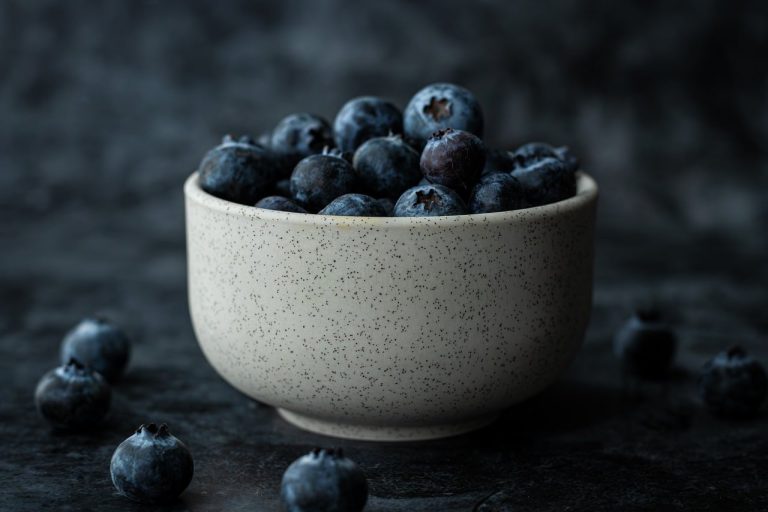
Organic berries, such as blueberries, strawberries, blackberries, and raspberries, are some of the best fruits for clean eating. They provide antioxidants and fiber with less sugar than many other fruit options. That makes them especially helpful for people who want to support weight loss without feeling deprived.
Apples, pears, and citrus fruits can also be useful because they contain pectin and water, both of which support satiety and digestion. Fresh fruit is a natural way to satisfy a sweet craving without reaching for refined desserts.
4. Whole grains with fiber
Organic oats, quinoa, brown rice, and buckwheat are excellent staples for steady energy. Fiber helps slow digestion, which can improve fullness and support better blood sugar control. This is one reason whole grains are often part of healthy diet plans that prioritize long-term success rather than rapid restriction.
Try organic overnight oats with chia seeds and berries for a breakfast that supports gut health and keeps you satisfied through the morning.
5. Prebiotic vegetables
Garlic, onions, leeks, asparagus, and artichokes feed the beneficial bacteria already living in your gut. These vegetables are rich in prebiotic fiber, which means they help the microbiome thrive. If your goal is a more strategic nutrition plan, prebiotic vegetables should have a permanent place in your kitchen.
[IMAGE: healthy meal]
6. Healthy fats
Avocados, extra-virgin olive oil, chia seeds, flaxseeds, hemp seeds, and walnuts provide fats that help with satiety and nutrient absorption. Many people trying to lose weight mistakenly fear fats, but the right fats can actually support a healthy diet by reducing cravings and making meals more satisfying.
Adding a spoonful of ground flaxseed to yogurt or oatmeal is a simple move that supports both digestion and balance.
7. Lean organic proteins
Organic eggs, plain Greek yogurt, poultry, tofu, tempeh, and legumes can help stabilize appetite and support muscle maintenance during weight loss. Protein is one of the most important parts of a clean eating plan because it helps keep you full and prevents the energy crashes that lead to unnecessary snacking.
If you train regularly or live an active healthy lifestyle, protein becomes even more essential. Your body needs building blocks, not just calories.
How Clean Eating Supports a Gentle Detox Diet
The word detox diet is often overused, and that creates confusion. Your body already has a built-in detoxification system through the liver, kidneys, skin, lungs, and digestive tract. A smart detox diet should support those systems rather than promise dramatic quick fixes. In practice, that means eating more whole organic food, drinking enough water, and reducing the burden of heavily processed meals.
This is where clean eating becomes valuable. Instead of chasing an extreme cleanse, you can create a daily rhythm that naturally supports your body’s own detox pathways. Think fresh vegetables, colorful fruit, adequate fiber, clean protein, and fewer packaged foods. Does that sound less dramatic than a trendy detox? Absolutely. Does it work better in real life? Often, yes.
What a real detox diet looks like
A real detox diet is not about starvation. It is about removing the foods that make your system work harder and replacing them with foods that make it easier to feel good. That means:
- Choosing organic food instead of heavily processed snacks
- Eating enough fiber to support regular digestion
- Including hydrating foods like cucumber, citrus, and greens
- Using herbs and spices such as ginger, turmeric, and parsley
- Limiting added sugar, alcohol, and refined flour
These are not dramatic changes, but they are the changes that create momentum. The body thrives on consistency more than intensity.
How to reset without feeling deprived
If you want to support digestion for a few days or a few weeks, start with a simple reset rather than a rigid cleanse. Build meals around vegetables, lean protein, healthy fats, and whole grains. Drink water throughout the day. Add one fermented food per day. Eat slowly. Sleep well. Walk after meals when possible. These habits sound small, but together they can make a meaningful difference.
Ask yourself a practical question: what can you remove from your routine that would immediately make your body feel lighter? Sometimes the answer is late-night snacking. Sometimes it is sugary drinks. Sometimes it is oversized portions of restaurant food. A gentler detox diet is about subtraction with purpose.
Organic Food and Weight Loss: Why It Can Feel Easier to Stay Consistent
Many people think weight loss requires constant willpower. In reality, the best plan is the one that reduces friction. Organic food often helps with that because it encourages a cleaner, more intentional relationship with eating. When your pantry is filled with whole ingredients and your fridge is stocked with simple, ready-to-use options, making a healthy choice becomes much easier.
Weight loss also becomes more achievable when meals are satisfying enough to prevent rebound eating. Fiber, protein, and healthy fats all play a role in this. A breakfast that includes organic oats, chia seeds, berries, and yogurt can help you feel fuller than a pastry or sugary cereal. A lunch built around leafy greens, roasted vegetables, avocado, and chicken can keep afternoon cravings in check. A dinner based on salmon, quinoa, and steamed greens can support recovery and satiety without feeling heavy.
The satiety formula
One of the most useful approaches to weight loss is the satiety formula:
- Protein: helps preserve muscle and control hunger
- Fiber: slows digestion and supports fullness
- Healthy fat: adds satisfaction and flavor
- Volume: vegetables and broth-based foods help you feel physically satisfied
When a meal includes all four, you are far less likely to feel the urge to keep grazing. That makes clean eating not only healthier but also easier to sustain.
Sample weight-loss plate with organic food
A balanced plate might include:
- Half the plate: roasted broccoli, zucchini, carrots, and greens
- One quarter: grilled organic chicken, tofu, or lentils
- One quarter: quinoa, brown rice, or sweet potato
- One small serving of healthy fat: avocado, olive oil, or seeds
This kind of meal supports nutrition without feeling restrictive. It is also flexible enough for busy schedules, which matters more than most people realize. A healthy lifestyle is built on repeatable habits, not perfect days.
Easy Organic Foods to Keep on Hand Every Week
If your kitchen is not set up for success, even the best intentions can fall apart by Thursday. The good news is that a gut-friendly clean eating routine does not require gourmet cooking. You only need a few reliable staples that can be combined in different ways all week long.
Your organic shopping list
- Leafy greens: spinach, kale, romaine, arugula
- Vegetables: cucumbers, carrots, broccoli, zucchini, bell peppers
- Fruit: berries, apples, pears, lemons, avocados
- Protein: organic eggs, Greek yogurt, tofu, tempeh, chicken, salmon
- Whole grains: oats, quinoa, brown rice, buckwheat
- Seeds and nuts: chia, flax, hemp, walnuts, almonds
- Fermented foods: yogurt, kefir, sauerkraut, kimchi
- Flavor builders: ginger, turmeric, garlic, olive oil, apple cider vinegar
With these items at home, you can build breakfasts, lunches, dinners, and snacks without relying on packaged convenience foods. That alone can improve nutrition in a surprisingly short time.
How to make healthy choices easier
Place the most useful foods at eye level in the fridge. Wash and chop vegetables as soon as you bring them home. Cook a batch of grains at the start of the week. Make a simple dressing with olive oil, lemon, and herbs. Keep yogurt, berries, and seeds ready for quick snacks. These small systems save energy when your day gets busy, and they reduce the temptation to reach for less nourishing options.
When healthy food is easy to see and easy to use, your diet changes without requiring constant self-control. That is the quiet advantage of a well-designed kitchen.
Organic Meal Prep Ideas That Support Gut Health
Meal prep does not need to mean eating the same bland container for four days. In fact, the most effective organic meal prep ideas are simple, flexible, and built around components rather than rigid recipes. This approach keeps your meals interesting while still supporting clean eating and weight loss.
Breakfast prep ideas
- Overnight oats with chia, cinnamon, and berries
- Egg muffins with spinach, onions, and herbs
- Greek yogurt bowls with flaxseed and sliced pear
These breakfasts are fast, satisfying, and easy to customize. They also provide protein and fiber early in the day, which can help control appetite later.
Lunch prep ideas
- Quinoa bowls with roasted vegetables and chickpeas
- Salads with leafy greens, avocado, cucumber, and salmon
- Lentil soups with carrots, celery, garlic, and turmeric
Lunch should keep your energy stable, not send you straight into an afternoon slump. A balanced organic lunch can do exactly that.
Dinner prep ideas
- Grilled chicken with broccoli and sweet potato
- Tofu stir-fry with brown rice and ginger
- Baked salmon with asparagus and lemon
These dinners are light enough for digestion but satisfying enough to prevent late-night hunger. They also fit naturally into a healthy lifestyle that values both nourishment and ease.
Snack prep ideas
- Apple slices with almond butter
- Cucumber rounds with hummus
- Plain yogurt with berries
- Walnuts with a few dried organic apricots
Snacks are not the enemy. The right snacks can actually help you avoid overeating at your next meal.
Common Organic Diet Mistakes to Avoid
Even when people choose high-quality organic food, a few common mistakes can slow progress or make the plan feel frustrating. Awareness matters because clean eating should make life easier, not more complicated. Are you making any of these mistakes without realizing it?
1. Thinking organic automatically means low-calorie
Organic cookies, chips, and desserts are still treats. They may be made with better ingredients, but they can still be high in sugar, refined flour, and calories. If weight loss is your goal, remember that organic does not replace balance.
2. Skipping protein
Some people eat mostly fruit and vegetables and wonder why they are hungry an hour later. Protein is essential for satiety and muscle maintenance. Include it in every major meal if possible.
3. Overcomplicating the detox diet
A detox diet should support your body, not stress it out. You do not need exotic powders or extreme fasting to feel better. Often, the best reset is a simpler plate, more water, and fewer processed foods.
4. Not eating enough overall
Restricting too hard can backfire. When the body feels underfed, cravings rise and energy falls. A healthy diet should leave you nourished, not depleted.
5. Ignoring digestion signals
Some foods are healthy in theory but may not be right for your body in large amounts. Pay attention to how you feel after meals. Nutrition is personal, and your gut will often tell you what works.
How to Pair Clean Eating with a Healthy Lifestyle
Food is central, but it is not the whole picture. A healthy lifestyle includes sleep, movement, hydration, stress management, and routine. When these elements work together, organic food becomes even more effective.
[IMAGE: fitness lifestyle]
Movement that supports digestion
You do not need intense workouts every day to improve gut health. Walking after meals, light strength training, yoga, and regular activity can all help digestion and support weight loss. Movement helps regulate appetite, improves circulation, and can reduce the sluggish feeling that often follows long periods of sitting.
If you already exercise, your nutrition matters even more. The better your fuel, the better your recovery. If you are just starting, gentle movement can make clean eating feel more rewarding by creating a stronger connection between food and energy.
Hydration as a digestive tool
Water is one of the simplest and most important nutrition tools available. Fiber works best when you are adequately hydrated, and many people mistake thirst for hunger. Try drinking water consistently throughout the day, and consider adding herbal tea or water infused with lemon, cucumber, or mint for variety.
Sleep and stress
Stress can influence appetite and digestion in powerful ways. Poor sleep may increase cravings for sugar and ultra-processed food. A cleaner diet can help, but it works best when paired with better sleep habits and stress reduction. Even a 10-minute wind-down routine can support long-term success.
That is the deeper promise of organic eating: it is not just about what is on your plate, but about creating a life rhythm that supports the body you want to feel in.
A Simple One-Day Organic Eating Plan for Gut-Friendly Weight Loss
If you prefer structure, this sample day can help you visualize how clean eating, nutrition, and weight loss fit together without feeling restrictive.
Morning
Start with water and a breakfast of organic oats topped with chia seeds, blueberries, and plain Greek yogurt. The combination of fiber, protein, and healthy fat helps control hunger and supports a calm start to the day.
Midday
For lunch, build a large salad with spinach, cucumbers, shredded carrots, roasted chickpeas, avocado, and grilled salmon. Add a lemon-olive oil dressing for flavor. This meal is filling without being heavy, which is exactly what many people want from a healthy diet.
Afternoon
For a snack, try an apple with almond butter or a small bowl of kefir with cinnamon. If you need a boost, go for a brisk walk or stretch for five minutes. Small habits like these can keep energy steady and support the goals of a detox diet.
Evening
Dinner could be baked chicken or tofu with quinoa, broccoli, and roasted zucchini. Finish with herbal tea if you want something warm and calming. This type of meal is simple, satisfying, and easy on digestion.
By the end of the day, you should feel nourished rather than punished. That feeling matters, because sustainable weight loss comes from a plan you can repeat with confidence.
What Real Progress Looks Like
Progress is not always dramatic. Sometimes it looks like waking up with less bloating. Sometimes it is having more stable energy between meals. Sometimes it is noticing that you no longer crave a sugary snack every afternoon. These are small wins, but they add up quickly when you stay consistent.
A high-quality organic food routine can help you move in that direction without obsession. It gives your body cleaner inputs, more fiber, better hydration, and a stronger foundation for a healthy lifestyle. It also makes weight loss feel more natural, because you are no longer fighting your appetite with harsh rules or empty calories.
The most important question is not whether you can eat perfectly. The real question is whether your daily choices are making your body feel better, lighter, and more supported than before. If the answer is yes, you are already on the right path.
Clean eating does not need to be complicated to be powerful. When you choose organic food more often, build meals around digestion-friendly ingredients, and treat nutrition as a form of daily care, you create a routine that supports your gut, your energy, and your goals. Keep it simple, keep it consistent, and keep exploring more expert articles on DietOrganic to deepen your understanding of healthy living in a way that feels both elevated and realistic.
About the Author