
Photo by Ella Olsson on Unsplash
If you have been trying to eat better without falling into the trap of extreme rules, an organic food approach may be exactly what your body has been asking for. Clean eating is not about chasing perfection or cutting out every pleasure from your plate. It is about choosing foods that feel good, digest well, and support a healthy lifestyle from the inside out. When those foods are organic, they often bring an added advantage: fewer synthetic residues, more mindful sourcing, and a stronger connection to whole, minimally processed nutrition. For anyone focused on weight loss, better digestion, or simply more steady energy, that combination can be powerful.
What makes this approach so appealing is that it works with the body instead of against it. A detox diet should never mean deprivation or extreme cleanses that leave you tired and frustrated. Real detox support comes from nutrients, hydration, fiber, rest, and smart food choices you can repeat every day. Organic vegetables, fruits, grains, legumes, proteins, and healthy fats can help create that foundation. And when your meals are built around clean eating, you are far more likely to stay consistent long enough to see results. Could your kitchen become the easiest place to improve your health? Absolutely.
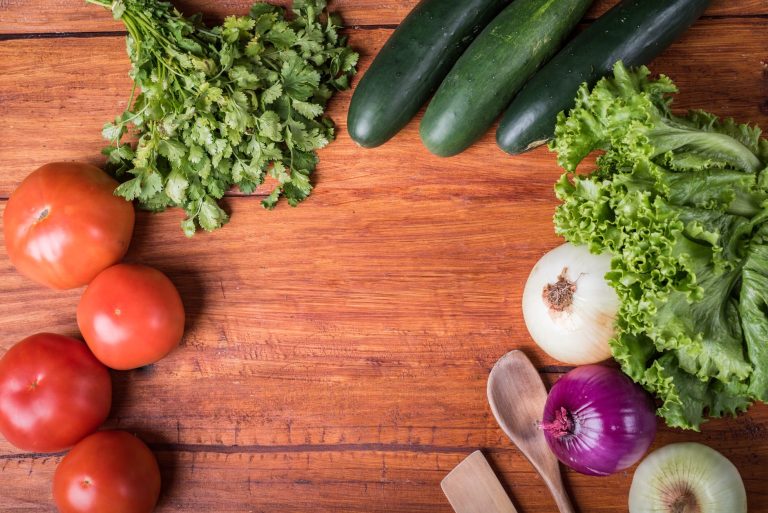
[IMAGE: organic vegetables]
Why Gut Health Changes Everything
Your gut is more than a place where food is broken down. It is a central part of your metabolism, immunity, mood, and appetite regulation. When digestion is calm and efficient, your body can absorb nutrition more effectively, manage cravings more steadily, and respond better to a healthy diet. When the gut is stressed, however, you may notice bloating, sluggishness, irregularity, and a strange cycle of hunger that does not seem to match how much you have eaten.
That is why an organic food strategy can be so helpful. By emphasizing whole foods and reducing the chemical clutter that often comes with highly processed eating, you give your digestive system a cleaner workload. Many people notice that once they shift toward clean eating, they feel lighter not just physically but mentally too. Food choices begin to influence focus, sleep, energy, and even motivation. Isn’t it interesting how closely nutrition and daily confidence can be connected?
The gut-weight connection
Weight loss is not only about calories in and calories out. Those numbers matter, but they are not the whole story. Your gut bacteria influence how efficiently you extract energy from food, how satisfied you feel after meals, and how often you crave sugar or ultra-processed snacks. A diet rich in organic food, fiber, and plant diversity helps create a more favorable gut environment, which can support easier weight management over time.
When the microbiome is balanced, many people find that they naturally eat more mindfully. They feel satisfied sooner. They digest better. Their energy becomes more stable, so they do not rely as heavily on quick fixes like caffeine and sugar. This is one reason clean eating often feels sustainable: the body starts to cooperate. In a very real sense, gut health can determine whether weight loss feels like a battle or a rhythm.
- Steadier digestion can reduce bloating and discomfort.
- Balanced blood sugar can lower intense cravings.
- Better nutrient absorption can improve energy and recovery.
- A diverse gut microbiome may support healthier appetite signals.
- Lower reliance on processed food can make portion control easier.
Signs your diet may need a reset
If your current routine leaves you tired, foggy, bloated, or constantly hungry, your body may be asking for more supportive nutrition. These signs do not always mean something is wrong, but they do suggest that your diet could be more aligned with your needs. Choosing more organic foods, more whole ingredients, and more regular meals is often a practical place to begin.
- You feel heavy or sluggish after meals.
- Your energy drops sharply in the afternoon.
- You crave sweets even after eating enough.
- Your digestion feels unpredictable.
- You rely on snacks that are convenient but not nourishing.
- You are eating a lot of food but still feel underfed.
The Best Organic Foods for a Happier Gut
Not all healthy foods play the same role. Some help feed beneficial bacteria, some improve regularity, and others calm inflammation or support the intestinal lining. The best organic food choices for gut health are those that combine fiber, variety, natural fermentation, and genuine nutritional density. The more colors, textures, and plant compounds you include, the more you help your digestive system become resilient.
This does not mean you need a complicated menu. In fact, the simplest meals are often the most powerful. Fresh produce, legumes, seeds, fermented foods, and clean proteins can create a deep sense of nourishment without overwhelming the digestive tract. That is the real promise of clean eating: not restriction, but clarity.
Fermented foods that add beneficial bacteria
Fermented foods are among the most valuable additions to a gut-friendly organic diet because they provide naturally occurring probiotics. These microbes can help support a more diverse intestinal environment. Choose versions with simple ingredient lists and limited added sugar so you keep the benefits intact.
Great options include plain organic yogurt, kefir, sauerkraut, kimchi, miso, and fermented vegetables. If dairy does not work for you, unsweetened coconut yogurt or plant-based kefir alternatives can still be useful. Start with small servings and pay attention to how your body responds. For some people, a spoonful of fermented food with lunch is enough to make a noticeable difference in digestion and satisfaction.
Fiber-rich produce that keeps things moving
Fiber is the unsung hero of both gut health and weight loss. It helps add bulk, supports regular elimination, and slows digestion enough to keep you full longer. Organic produce is especially attractive here because fruits and vegetables are central to clean eating, and many people prefer them in organic form for consistency and peace of mind.
Think leafy greens, berries, apples, pears, broccoli, cabbage, carrots, beets, artichokes, and sweet potatoes. These foods deliver vitamins and plant compounds while also supporting the microbiome. Whole grains such as organic oats, quinoa, and brown rice can contribute additional fiber, especially when paired with vegetables and legumes. The goal is not to overwhelm your gut with huge changes overnight. It is to build a plate that quietly does the work for you.
- Leafy greens for magnesium and gentle fiber.
- Berries for antioxidants and a lower sugar load.
- Apples and pears for soluble fiber.
- Broccoli, cabbage, and Brussels sprouts for cruciferous support.
- Oats, quinoa, and chia for lasting satiety.
Prebiotic foods that feed good bacteria
While probiotics add live cultures, prebiotic foods act as fuel for the healthy bacteria already living in your gut. This is where organic food becomes especially interesting from a clean eating perspective. Prebiotic-rich vegetables often have a strong nutritional profile and can be included in soups, sautés, salads, and grain bowls without much effort.
Onions, garlic, leeks, asparagus, bananas, chicory, and Jerusalem artichokes are some of the best-known examples. When cooked gently, they add flavor while supporting digestion. Pairing prebiotics with fermented foods creates a smart one-two effect: you are introducing helpful bacteria and giving them the nourishment they need to thrive.
Healthy fats and clean proteins
Digestion is not only about plants. Healthy fats and high-quality proteins help stabilize energy, repair tissues, and create satisfying meals. If you are focusing on weight loss, these foods matter because they can reduce the urge to snack impulsively. When meals contain enough protein and fat, you are less likely to feel deprived an hour later.
Excellent choices include avocados, extra virgin olive oil, walnuts, almonds, chia seeds, flaxseeds, organic eggs, wild fish, pasture-raised poultry, lentils, and tempeh. If you prefer plant-based eating, combining legumes with seeds and grains can give you a more complete amino acid profile. In every case, aim for ingredients that are minimally processed and easy to recognize.
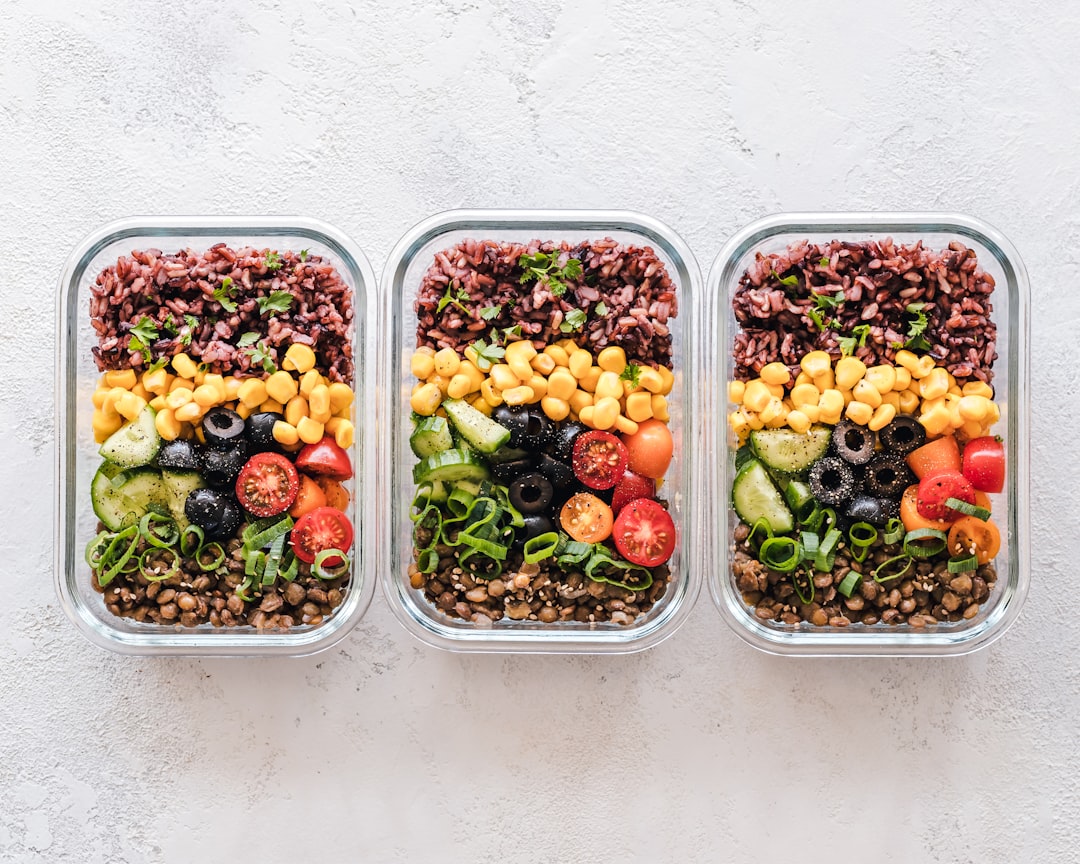
[IMAGE: healthy meal]
How to Build a Gut-Friendly Organic Plate
One of the most practical ways to sustain clean eating is to use a repeatable plate formula. You do not need rigid rules, but you do need a structure that makes good decisions easier. A balanced organic plate should include color, fiber, protein, and a source of healthy fat. This combination supports digestion, keeps hunger in check, and makes nutrition feel satisfying instead of complicated.
A simple approach is to think in layers. Start with vegetables, add a protein, include a slow-burning carbohydrate if needed, and finish with a source of fat or fermented food. This layout works for breakfast, lunch, and dinner, which is why it is so effective for busy people. The body loves rhythm more than novelty. Have you noticed how much easier it is to stay on track when meals feel familiar?
- Half the plate: organic vegetables or fruit.
- One quarter: clean protein such as eggs, fish, tofu, lentils, or poultry.
- One quarter: whole carbohydrates such as quinoa, oats, sweet potato, or brown rice.
- Add healthy fats such as olive oil, avocado, seeds, or nuts.
- Include fermented foods in small amounts when tolerated.
Breakfast ideas that support steady energy
Breakfast can make or break the tone of the day. A sugary morning meal may trigger energy crashes and cravings later, while a protein- and fiber-rich breakfast can create a much calmer appetite. For a gut-friendly organic start, think beyond pastries and packaged cereal.
Try organic oats with chia seeds, blueberries, and unsweetened yogurt. Or make a vegetable omelet with spinach, mushrooms, and onions, served with avocado and a side of fruit. If you prefer smoothies, keep them balanced by adding greens, unsweetened protein, flaxseed, and low-sugar fruit. The goal is not to make breakfast huge. It is to make it stabilizing.
Lunch ideas that avoid the afternoon slump
Lunch should help you stay focused, not sleepy. A meal built around organic vegetables, protein, and slow carbohydrates can prevent the common post-lunch crash. Consider a large salad with leafy greens, cucumber, carrots, chickpeas, pumpkin seeds, and grilled salmon. Or choose a warm bowl with quinoa, roasted vegetables, lentils, herbs, and a drizzle of olive oil.
If you have a busy schedule, batch-cooked lunch bowls can save you from resorting to takeout. Add one fermented food if possible, such as a spoonful of sauerkraut on the side. That small detail may seem minor, but clean eating is often built on those thoughtful extras.
Dinner ideas that help the body reset
Dinner is a chance to support recovery and calm. Heavier, highly processed meals late in the day can interfere with sleep and leave you feeling sluggish the next morning. Instead, opt for organic vegetables, simple proteins, and easy-to-digest starches if your body needs them. Roasted salmon with broccoli and sweet potato. Stir-fried tofu with bok choy and brown rice. Chicken soup with carrots, celery, leeks, and herbs. These meals are comforting without being excessive.
Keep in mind that the best dinner is one you can actually enjoy and repeat. A healthy lifestyle is not built on dramatic meals. It is built on dependable ones.
A smart snack rule
Snacks are helpful when they prevent overeating later, but they should not become a constant stream of grazing. For a clean eating approach, choose snacks that combine at least two elements: protein, fiber, or healthy fat. This keeps blood sugar steadier and helps maintain weight loss momentum.
- Apple slices with almond butter.
- Plain yogurt with berries and seeds.
- Carrots with hummus.
- A handful of walnuts and a pear.
- Cucumber with guacamole.
Organic Meal Swaps That Reduce Digestive Stress
Many people do not struggle because they eat too much healthy food. They struggle because their meals are built around ingredients that are highly refined, heavily sweetened, or difficult to digest. Swapping those items for organic alternatives can make a noticeable difference quickly. This is one of the most realistic ways to improve nutrition without feeling deprived.
You do not have to overhaul your entire kitchen in one day. Start with the meals you eat most often and replace the least supportive ingredients first. Over time, these swaps create a cleaner baseline that supports both gut health and weight loss.
- Swap sugary breakfast cereal for organic oats or chia pudding.
- Swap refined white bread for organic whole-grain or sprouted bread.
- Swap sugary yogurt for plain organic yogurt with fresh fruit.
- Swap fried snacks for nuts, seeds, or roasted chickpeas.
- Swap creamy bottled dressings for olive oil, lemon, and herbs.
- Swap soda for sparkling water with citrus or cucumber.
Even one or two improvements can change how your body feels at the end of the day. If digestion becomes easier, it becomes much easier to stay consistent. That consistency is where clean eating starts to pay off.
A Gentle Detox Diet Is About Support, Not Punishment
The word detox gets used in so many ways that it has almost lost its meaning. In the healthiest sense, a detox diet is not a crash plan, a juice-only reset, or a short burst of punishment. It is a daily pattern that helps the body do what it already knows how to do: process waste, replenish nutrients, and maintain balance. The liver, kidneys, skin, lungs, and digestive tract are constantly working. Your job is to support them, not overwhelm them.
Organic food fits beautifully into that philosophy because it often encourages a return to whole ingredients. When your meals are less processed, your body has fewer unnecessary inputs to manage. Add hydration, fiber, sleep, and movement, and the result is a much more natural kind of detox support.
What detox really means
Real detox support is gentle. It includes fiber to help eliminate waste, water to keep things moving, antioxidants to protect cells, and enough calories to avoid stress. A healthy lifestyle does not require starvation. In fact, drastic restriction often works against your goals by increasing cravings, lowering energy, and making it harder to exercise or think clearly.
A smart detox diet emphasizes meals that are light but not empty. Think vegetable soups, fruit, leafy greens, legumes, herbs, green tea, citrus, and good-quality proteins. If you feel energized after eating, you are probably on the right track. If you feel weak, irritable, or obsessed with food, the plan is too aggressive.
What to avoid when cleansing
Some habits can undermine even the best organic food routine. Rather than trying to be perfect, it helps to identify the biggest friction points. Most people do better when they remove the obvious irritants first.
- Highly processed packaged snacks.
- Too much added sugar.
- Skipping meals and then overeating later.
- Excess alcohol, especially during busy weeks.
- Large heavy meals late at night.
- Low fiber intake that leaves digestion sluggish.
What to emphasize instead
Think of a detox diet as a supportive pattern rather than a temporary challenge. The best foods for this purpose are easy to digest, rich in nutrients, and satisfying enough to keep you grounded. Organic vegetables, berries, citrus, cucumbers, asparagus, herbs, fermented foods, and simple proteins all earn a place here.
For extra support, add warm foods when your digestion feels sensitive. Soups, broths, steamed vegetables, and cooked grains are often easier on the system than a very cold or raw-heavy menu. The healthiest detox is the one your body can live with comfortably.
Lifestyle Habits That Make Organic Nutrition Work Better
Food matters deeply, but it is only one piece of the picture. The way you move, sleep, breathe, and manage stress can either amplify or weaken the benefits of clean eating. A truly healthy lifestyle supports digestion on every level. That is why people who pair organic food with balanced routines often see the most noticeable changes.
Hydration supports digestion and appetite control
Water helps transport nutrients, soften stool, and keep digestion flowing smoothly. Many people mistake thirst for hunger and end up snacking when a glass of water would have been enough. Herbal tea, infused water, and mineral-rich broths can also help, especially when paired with fiber-rich meals. Try drinking steadily throughout the day rather than waiting until evening, when dehydration is harder to correct.
Movement keeps the gut active
You do not need intense exercise to improve digestion. Even a short walk after meals can help reduce bloating and support blood sugar control. Regular movement also improves circulation and can make weight loss more manageable. If you spend most of your day sitting, small changes matter. Standing more, stretching, and taking the stairs are all useful parts of a clean eating lifestyle.
[IMAGE: fitness lifestyle]
Sleep and stress influence cravings
Few people realize how strongly sleep affects food choices. When you are tired, your body tends to demand quick energy, which often means sugar, caffeine, or refined carbs. Stress has a similar effect. It can disrupt digestion and make you feel more reactive around food. A healthy diet becomes much easier when you sleep enough, keep a consistent schedule, and build a few calming habits into your evening routine.
Try turning off screens earlier, eating dinner at a reasonable time, and giving yourself a wind-down ritual. Small shifts in rest can create surprisingly large improvements in appetite, focus, and food discipline.
Common Mistakes People Make With Clean Eating
Clean eating is meant to simplify life, but people often make it harder than it needs to be. Some become too rigid. Others focus only on calories and ignore quality. A few start with enthusiasm, then burn out because the plan feels unlivable. If you want organic food to truly support your health, avoid these common missteps.
- Choosing organic versions of highly processed foods and assuming they are automatically healthy.
- Not eating enough protein, which leads to cravings later.
- Adding too much raw fiber too quickly and upsetting digestion.
- Forgetting that healthy fats are part of satiety and hormone balance.
- Using a detox diet as an excuse to eat too little.
- Ignoring sleep, stress, and movement while expecting food alone to do everything.
- Trying to copy someone else’s meal plan instead of learning what your body responds to best.
The goal is not to become obsessed with labels or rules. The goal is to make better choices more often, in a way you can actually maintain. If your plan creates anxiety, it is probably too complicated. If it creates clarity, energy, and calm, you are likely on the right track.
How to Stay Consistent When Life Gets Busy
Almost everyone can eat well for a few days. The real challenge is staying consistent during stressful weeks, travel, errands, and late workdays. This is where a healthy lifestyle becomes less about willpower and more about planning. Organic food helps because many of the best options are simple, repetitive, and easy to prepare in batches.
Start by making your environment support your goals. Keep washed vegetables visible. Store cut fruit where you can see it. Cook grains and proteins in advance. Have snacks ready before hunger gets dramatic. When the healthy choice is the easy choice, clean eating becomes less of a struggle.
- Keep a short list of go-to meals you enjoy.
- Stock the same basic grocery items each week.
- Prepare one or two ingredients in advance.
- Use frozen organic vegetables for backup convenience.
- Plan at least one meal a day that you can make in under 15 minutes.
You do not need every meal to be creative. You need enough structure that your best intentions do not disappear when the day gets hectic. That is how nutrition becomes sustainable.
What Changes You May Notice First
People often ask how long it takes to feel the effects of cleaner eating. The answer varies, but many notice early signs within a week or two: less bloating, more stable energy, fewer cravings, and better meal satisfaction. These changes may seem small at first, but they matter. They are the signals that your body is adapting to food that supports it better.
Over time, more consistent improvements may appear. Clothes may fit differently. Your skin may look clearer. You may feel less dependent on caffeine or sugar. Exercise may become easier because your body is better fueled. Most importantly, food may start to feel less chaotic. Instead of fighting yourself at every meal, you begin to trust that your choices are helping.
The best part is that this does not require a dramatic identity shift. You do not need to become a different person to eat better. You simply need a smarter system, a more supportive kitchen, and the willingness to keep going when the first wave of excitement fades. That is the quiet power of organic food, clean eating, and a healthy diet built on real nutrition.
When you focus on gut health, the results often reach far beyond digestion. You feel steadier, lighter, and more in control of your day. That is why the most effective healthy lifestyle habits are usually the ones you can repeat without thinking too hard. If you want more practical ideas for clean eating, organic meals, and sustainable weight loss, keep exploring the articles on DietOrganic and build the kind of routine your body can truly thrive on.
About the Author