

Photo by Pezibear on Pixabay
If you have ever felt bloated after meals, struggled with irregular digestion, or noticed that your energy rises and falls with what you eat, your gut may be asking for a reset. The good news is that you do not need a restrictive cleanse or a complicated supplement routine to support better digestion. In many cases, the answer starts with simple, consistent choices built around organic food, clean eating, and a more thoughtful approach to nutrition.
Gut health has become one of the most discussed topics in modern wellness, and for good reason. A balanced digestive system influences more than comfort after a meal. It plays a role in immunity, mood, skin clarity, energy, and even healthy weight loss. When the digestive tract is functioning well, the body is better able to absorb nutrients, regulate appetite, and maintain steady energy throughout the day. So, what does that mean for your plate? It means choosing foods that nourish the microbiome, reduce unnecessary exposure to additives, and support the body’s natural rhythms.
Organic food can be a powerful part of that strategy. While organic alone is not a magic solution, it often fits beautifully into a healthy lifestyle focused on clean eating and long-term wellness. By emphasizing fiber-rich vegetables, fermented foods, antioxidant-dense fruits, and minimally processed ingredients, you create a diet that feels lighter, more satisfying, and easier to sustain. And if you are also looking for a gentle detox diet approach that supports digestion without extremes, this is where the conversation gets especially interesting.
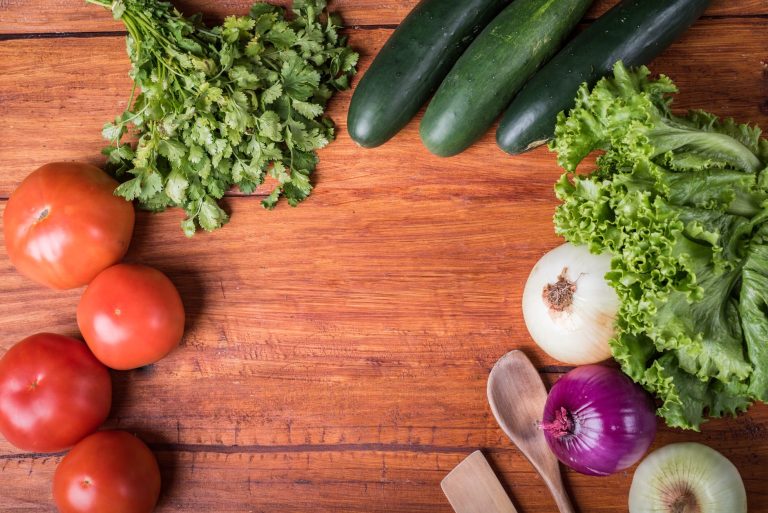
[IMAGE: organic vegetables]
In this guide, you will learn how organic foods can support gut health, which foods deserve a regular place in your kitchen, what to limit, and how to build meals that work with your body instead of against it. Could your digestion improve just by changing the quality of your groceries? For many people, the answer is yes.
Why Gut Health Is the Foundation of a Healthy Lifestyle
The digestive system does far more than break down food. It helps determine how well your body uses vitamins, minerals, amino acids, and beneficial compounds found in everyday meals. Inside the intestines lives a vast and diverse community of microbes known as the gut microbiome. This ecosystem influences digestion, inflammation, immune resilience, and even how full you feel after eating. When the microbiome is balanced, digestion often feels smoother and more predictable. When it is out of balance, symptoms like gas, bloating, constipation, food sensitivities, and cravings may become more common.
That is one reason clean eating has become such an effective starting point for people seeking better digestion and sustainable weight loss. Instead of chasing short-term fixes, clean eating focuses on nutrient-dense foods in their most recognizable form. Organic food fits naturally into this pattern because it often reduces exposure to certain pesticides, synthetic additives, and heavily processed ingredients that can complicate an already sensitive system.
A gut-friendly eating pattern does not need to be bland or overly restrictive. In fact, the most effective nutrition plans are usually the most enjoyable ones. They include variety, color, and texture. They keep the digestive system active with fiber, feed beneficial bacteria with prebiotics, and offer fermented foods that may help introduce helpful microbes. The goal is not perfection. The goal is consistency. What would happen if your next grocery trip focused less on convenience and more on nourishment?
How the Microbiome Influences Digestion and Weight Loss
The microbiome affects how efficiently food is broken down and how much energy the body extracts from meals. This means gut balance can influence everything from nutrient absorption to appetite control. Some gut bacteria help produce short-chain fatty acids that nourish the intestinal lining and support healthy inflammation levels. Others play a role in signaling satiety, which is why a balanced microbiome may help you feel satisfied after eating instead of constantly reaching for snacks.
This is where organic food, especially when paired with clean eating, becomes valuable. Whole organic foods tend to be naturally rich in fiber, antioxidants, and plant compounds that support microbial diversity. A more diverse microbiome often correlates with better digestive function and a healthier relationship with food. If your goal includes weight loss, this matters. A diet that improves digestion can reduce overeating, stabilize blood sugar, and make it easier to stay on track without feeling deprived.
Think about the difference between a meal that leaves you sluggish and one that leaves you energized. The first often lacks fiber, balance, and digestibility. The second usually includes lean protein, healthy fats, and organic vegetables or fruits that help the body function at its best. Small decisions create big outcomes over time.
Why Organic Food Can Support a Sensitive Digestive System
Many people choose organic food because they want fewer synthetic residues in their diet, but the benefits often go beyond that. Organic produce is frequently chosen for its freshness, taste, and alignment with a healthy lifestyle. When someone is dealing with digestive discomfort, the quality of ingredients can make a noticeable difference in how meals feel. For some, a simpler, cleaner ingredient list means fewer irritating additives and a more predictable response after eating.
Organic farming practices can also support soil health, and healthy soil often produces more nutrient-rich crops. While nutrition can vary widely depending on the food and growing conditions, an organic approach encourages a more intentional relationship with what we eat. That mindset alone can improve choices. Instead of grabbing ultra-processed snacks, you may find yourself preparing fresh vegetables, whole grains, and balanced meals that support both digestion and energy.
It is also worth noting that people committed to clean eating often report better meal awareness. They cook more at home, read labels more carefully, and pay attention to how ingredients make them feel. That kind of awareness is one of the most powerful tools for improving gut health. Have you ever noticed that when you eat more simply, your body feels calmer and more stable?
Best Organic Foods for Gut Health
The most effective gut-supporting foods are usually the least complicated. They are fresh, fiber-rich, and easy to combine into meals. Below are some of the most valuable organic foods for digestion, microbiome support, and long-term wellness.
1. Organic Leafy Greens
Spinach, kale, arugula, Swiss chard, and romaine are excellent additions to a gut-friendly diet. They provide fiber, magnesium, and plant compounds that support digestion and overall nutrition. Leafy greens also add volume to meals without making them heavy, which can be especially helpful for people working toward weight loss.
Try adding a handful of organic spinach to smoothies, tossing arugula into grain bowls, or building salads with a variety of textures. The more often you include greens, the easier it becomes to create meals that are both satisfying and light.
2. Organic Cruciferous Vegetables
Broccoli, cauliflower, Brussels sprouts, cabbage, and bok choy are strong allies for gut health. They contain fiber and sulfur compounds that support the body’s natural detoxification pathways. These vegetables can be especially valuable in a detox diet centered on real food rather than extremes. They help you feel full while feeding beneficial bacteria and supporting healthy digestion.
If cruciferous vegetables tend to feel too intense, start with smaller portions and cook them well. Roasting with olive oil, steaming lightly, or adding them to soups can make them easier to digest.
3. Organic Fermented Foods
Fermented foods are among the most exciting ingredients for anyone focused on gut health. Organic sauerkraut, kimchi, kefir, plain yogurt, miso, and tempeh can bring beneficial cultures into your diet while adding depth of flavor. These foods may help support microbial diversity, although response varies from person to person.
The key is to choose high-quality versions with minimal added sugar and artificial ingredients. A spoonful of sauerkraut on a salad, a few tablespoons of yogurt with berries, or a small serving of miso soup can be enough to begin. Fermented foods are not meant to be forced into every meal, but they can be a smart and enjoyable part of a healthy lifestyle.
4. Organic Berries
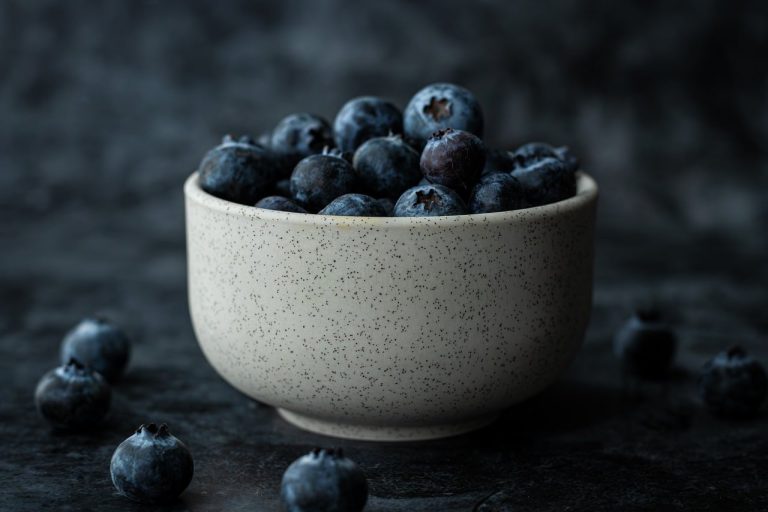
Blueberries, raspberries, blackberries, and strawberries are excellent for digestion because they combine antioxidants with fiber and natural sweetness. They satisfy cravings without creating the sugar spike that often comes from processed desserts. For people seeking healthy weight loss, berries are one of the most practical foods to keep on hand because they are versatile, portable, and satisfying.
Top organic yogurt with berries, blend them into chia pudding, or eat them as a snack with a few nuts. Their vibrant color also makes meals look fresh and appealing, which can improve adherence to clean eating habits over time.
5. Organic Apples and Pears
These fruits are simple, budget-friendly, and rich in soluble fiber, especially when eaten with the skin. Soluble fiber helps support regular digestion and can promote a feeling of fullness after meals. Apples and pears are also easy to pair with nuts, seeds, or nut butter for balanced snacks that support steady energy.
For anyone trying to reduce processed snacks, this is one of the easiest swaps you can make. Instead of reaching for packaged sweets, reach for a crisp organic apple. Sometimes the most effective nutrition strategy is also the most accessible one.
6. Organic Oats and Whole Grains
Organic oats, quinoa, brown rice, millet, buckwheat, and barley can be valuable sources of fiber and sustained energy. They help create meal structure, stabilize appetite, and support regular bowel movements. A healthy gut often thrives on consistent intake of diverse plant fibers, and whole grains can deliver that in a practical way.
Try oatmeal with chia seeds and berries, quinoa bowls with roasted vegetables, or brown rice paired with fish and greens. These combinations support both digestion and satiety, making them ideal for anyone who wants clean eating without feeling hungry all day.
7. Organic Seeds and Nuts
Chia seeds, flaxseeds, pumpkin seeds, hemp seeds, almonds, walnuts, and sunflower seeds provide healthy fats, fiber, and minerals that support a healthy lifestyle. Chia and flax are especially useful for digestion because they absorb water and create a gel-like texture that can help promote regularity. Seeds are also easy to add to smoothies, salads, and breakfast bowls.
A small amount can go a long way. Too much at once may feel heavy for some people, so start gradually. A tablespoon or two per day may be enough to make a noticeable difference in fullness and digestive comfort.
8. Organic Ginger, Turmeric, and Herbs
Fresh ginger, turmeric, mint, parsley, dill, and fennel are excellent for flavor and digestive support. Ginger is known for helping ease nausea and supporting stomach comfort. Turmeric is often included in anti-inflammatory and detox diet plans because of its natural compounds. Herbs not only brighten meals but can also reduce the need for heavy sauces and excess salt.
Use ginger in tea, blend turmeric into soups, or add fresh herbs to salads and bowls. Flavor matters more than many people realize. When food tastes good, clean eating becomes much easier to maintain.
What a Gut-Friendly Day of Eating Can Look Like
One of the biggest myths about organic food and gut health is that meals must be complicated to be effective. In reality, simplicity often works best. A well-structured day of eating includes fiber, protein, healthy fats, hydration, and enough variety to keep meals interesting. Let’s look at what that can look like in practice.
[IMAGE: healthy meal]
Breakfast That Starts Digestion Gently
A gut-friendly breakfast should not leave you feeling weighed down. It should wake up digestion and provide steady energy. A bowl of organic oats topped with berries, chia seeds, and a spoonful of yogurt is a strong option. Another choice is a smoothie made with spinach, banana, flaxseed, and unsweetened kefir or plant-based yogurt. If you prefer savory meals, try eggs with sautéed greens and avocado on a slice of whole-grain toast.
Ask yourself: does your current breakfast fuel you for the morning, or does it make you crave coffee and sugar by mid-morning? That answer can tell you a lot about your digestive balance.
Lunch That Supports Energy Without the Crash
Lunch is where many people lose momentum. They either eat too little and become ravenous later, or eat too heavily and feel sleepy. A balanced lunch might include a quinoa bowl with roasted broccoli, chickpeas, cucumber, olive oil, and herbs. Another option is a large salad with mixed greens, grilled salmon or tempeh, pumpkin seeds, and fermented vegetables.
Balanced lunch ideas should always include three things: fiber, protein, and healthy fats. This combination helps you stay full while giving your digestive system a manageable workload.
Dinner That Helps the Body Reset
Dinner should be calming, nourishing, and easy to digest. A baked sweet potato with steamed vegetables and organic protein such as fish, tofu, or lentils can be ideal. Soup is another excellent option, especially if you want something soothing. A vegetable soup with ginger, garlic, beans, and leafy greens provides hydration, fiber, and warmth in one meal.
Many people make the mistake of eating their heaviest meal late at night. But if you want better sleep, better digestion, and better weight management, dinner is often best kept simple and balanced. Wouldn’t it feel better to end the day nourished instead of stuffed?
Snacks That Support Rather Than Sabotage
Snacking does not have to be the enemy of healthy weight loss. In fact, strategic snacks can help stabilize blood sugar and prevent overeating later. The key is to choose options that support gut health rather than triggering cravings.
- Organic apple slices with almond butter
- Plain yogurt with berries
- Carrot sticks with hummus
- Pumpkin seeds and walnuts
- Cucumber slices with avocado and sea salt
- Chia pudding with cinnamon
These snacks are simple, portable, and easy to prepare ahead of time. They also fit well into clean eating plans because they rely on whole ingredients rather than packaging and preservatives.
Foods and Habits That Can Disrupt Gut Health
Building a healthy diet is only part of the equation. Equally important is reducing the habits and foods that create stress for the digestive system. Even if you eat some organic food, a diet that is dominated by ultra-processed ingredients will not give your gut much of a chance to recover.
Ultra-Processed Foods
Packaged snacks, fried fast food, refined baked goods, and heavily processed frozen meals often contain added sugars, refined starches, artificial flavors, and emulsifiers that may not support a healthy microbiome. These foods tend to be low in fiber and high in calories, which can interfere with weight loss goals and leave you feeling less satisfied after eating.
If you are trying to improve digestion, try reducing these items gradually. Replace one processed snack per day with a whole-food alternative. Small changes can make a real difference.
Excess Added Sugar
Sugar is not just a concern for energy balance. High intake of added sugar may affect the diversity of the microbiome and contribute to cravings, inflammation, and unstable blood sugar. That is why a sugar-conscious approach is often part of both a detox diet and a clean eating plan.
You do not need to eliminate every sweet food forever, but it helps to become more aware of hidden sugars in sauces, drinks, cereals, and snack bars. Choosing organic food does not automatically make a product gut-friendly if it still contains a long list of added sweeteners.
Too Little Fiber
A low-fiber diet often leads to sluggish digestion. Fiber is what helps move waste through the intestines and feeds beneficial bacteria along the way. If meals are consistently low in vegetables, fruits, legumes, seeds, and whole grains, your gut may not be getting enough support.
Aim to build each meal around a fiber-rich foundation. Think vegetables first, then protein, then healthy fats. This simple structure can transform how meals affect your body.
Eating Too Quickly
How you eat matters almost as much as what you eat. Rushing through meals can lead to swallowed air, poor chewing, and a reduced ability to notice fullness cues. Slow down. Put down your fork between bites. Chew thoroughly. Enjoy the aroma and texture of your food.
Mindful eating is one of the most underrated tools for better digestion and weight control. When the nervous system is calmer, the digestive system often functions more efficiently.
How to Build a Clean Eating Pantry for Gut Health
Creating a gut-friendly pantry is one of the easiest ways to support a healthy lifestyle at home. When the right ingredients are visible and ready to use, healthy choices become automatic. Here are the staples worth keeping on hand.
Produce
- Spinach, kale, and mixed greens
- Broccoli, cauliflower, and carrots
- Apples, pears, berries, and bananas
- Garlic, onions, ginger, and fresh herbs
Proteins
- Organic eggs
- Plain yogurt or kefir
- Beans, lentils, and chickpeas
- Tofu, tempeh, fish, or poultry, depending on your diet
Fiber and Grain Staples
- Organic oats
- Quinoa
- Brown rice
- Chia seeds and flaxseeds
Healthy Fats and Flavor Builders
- Extra virgin olive oil
- Avocados
- Walnuts, almonds, and pumpkin seeds
- Apple cider vinegar, turmeric, cinnamon, and black pepper
When your kitchen is stocked with these basics, it becomes much easier to prepare meals that align with clean eating and digestive wellness. You are less likely to order convenience food, and more likely to build plates that support your goals.
Organic Meal Prep Ideas for Better Digestion
Meal prep does not need to mean eating the same bland bowl every day. In fact, the most effective prep strategies rely on versatile ingredients that can be mixed and matched. This approach saves time while keeping your diet varied enough to support microbiome diversity.
Prep Once, Eat Differently All Week
Start with a few core ingredients: roasted broccoli, cooked quinoa, baked sweet potatoes, washed greens, hard-boiled eggs, and a protein of choice. Then add separate flavor elements like tahini dressing, salsa, avocado, yogurt sauce, or herbs. With just these pieces, you can create salads, bowls, wraps, and warm dinners without much effort.
For example, quinoa and vegetables can become a lunch bowl on Monday, a soup base on Tuesday, and a stuffed pepper filling on Wednesday. This is how healthy eating becomes sustainable. It offers variety without complexity.
Make Gut-Friendly Sauces at Home
Heavy bottled dressings often contain added sugars, thickeners, and preservatives. Homemade sauces are usually fresher and kinder to digestion. Try blending olive oil, lemon juice, garlic, and herbs for a simple dressing. Or whisk yogurt, dill, and cucumber for a cooling sauce that pairs well with roasted vegetables and grains.
Good flavor is essential if you want long-term success. Clean eating should feel vibrant, not tedious.
Use Batch-Cooked Vegetables Strategically
Roast a large tray of mixed organic vegetables at the start of the week. Keep some plain, and season others with turmeric, cumin, paprika, or rosemary. This gives you flexibility without extra work. If dinner is already partially prepared, you are far more likely to stay consistent even on busy days.
That consistency matters for gut health. The microbiome responds well to regular patterns of nourishing foods. Small, repeated actions can make a bigger impact than occasional perfect meals.
Can Organic Food Support a Detox Diet?
Many people use the phrase detox diet to describe a short reset, but the most effective version of detox support usually comes from daily habits rather than extreme restriction. The body already has built-in detoxification systems, including the liver, kidneys, skin, and digestive tract. What these systems need is support, not punishment.
Organic food can play a role here by providing clean, nutrient-dense ingredients that help the body do its job more efficiently. Cruciferous vegetables, leafy greens, herbs, berries, and plenty of water can all support the natural detox pathways while keeping meals grounded in real nutrition.
The right detox diet should not leave you weak or obsessively hungry. It should focus on hydration, fiber, minerals, and balanced meals. If a plan eliminates too many food groups, it may be too extreme to sustain. Ask yourself whether the plan is helping you feel better or just making you feel deprived. Sustainable nutrition wins every time.
Common Gut-Health Mistakes to Avoid
Even with the best intentions, people often make a few predictable mistakes when trying to improve digestion. Avoiding these missteps can help you get better results faster.
Choosing Organic Only in Processed Form
Organic cookies, chips, and frozen desserts may sound better on paper, but they are still processed foods. Organic food is most beneficial when it comes in whole or minimally processed forms. A bag of organic candy is not the same as a bowl of organic berries with yogurt and seeds.
Adding Too Much Fiber Too Quickly
Yes, fiber supports digestion, but too much too fast can create discomfort. If your current diet is low in fiber, increase intake gradually and drink enough water. Start with one extra serving of vegetables or one tablespoon of seeds per day, then build from there.
Ignoring Hydration
Water is essential for digestion, nutrient transport, and regular elimination. Fiber works best when it has enough fluid to move through the system properly. Herbal teas, water-rich fruits, soups, and infused water can all contribute to better hydration.
Eating the Same Foods Every Day
Even healthy foods can become less beneficial if your diet lacks variety. Different plants feed different microbes. The more colors and textures you include, the more diverse your gut support becomes. Variety is not just about taste; it is a smart nutrition strategy.
Simple Daily Habits That Improve Digestion Naturally
Gut health is not built in one meal. It comes from a pattern of habits that help your body feel safe, nourished, and supported. The following practices are simple, but they are surprisingly effective when repeated regularly.
- Eat meals at roughly consistent times
- Chew food thoroughly before swallowing
- Include a vegetable in every meal
- Walk after eating when possible
- Prioritize sleep and stress management
- Keep ultra-processed foods for occasional use, not daily reliance
- Choose organic food where it makes sense for your budget and routine
These habits may sound basic, but they create the environment your digestive system needs to thrive. When your routine is calm and consistent, nutrition becomes more effective.
How Exercise and Stress Affect Gut Health
Food is central, but it is not the whole story. Movement and stress have a powerful influence on digestion. A sedentary routine can slow bowel motility, while light daily activity often helps keep things moving. This is why walking, stretching, and gentle strength training can complement a gut-friendly diet so well.
[IMAGE: fitness lifestyle]
Stress, on the other hand, can disrupt digestion quickly. The gut and brain communicate constantly, which means emotional tension may show up as stomach discomfort, appetite changes, or irregular bowel habits. Breathing exercises, adequate sleep, time outdoors, and structured meal routines can all help the body shift into a more relaxed state. If you have ever noticed that your digestion feels worse during stressful weeks, you already know how strong this connection can be.
Exercise does not need to be intense to be useful. A 20-minute walk after lunch, a short yoga session in the morning, or a few mobility exercises in the evening can support circulation and digestive comfort. The goal is to move in a way that feels sustainable, not punishing.
A Practical 3-Day Organic Gut-Friendly Reset
If you want a simple way to begin, try a short reset built around organic foods that are easy to digest. This is not a crash plan. It is a gentle structure meant to help you observe how your body responds when meals are cleaner, simpler, and more balanced.
Day One
Breakfast: Organic oats with chia seeds, cinnamon, and blueberries. Lunch: Quinoa bowl with roasted broccoli, chickpeas, cucumber, and olive oil. Dinner: Vegetable soup with ginger, carrots, kale, and a side of baked sweet potato. Snacks: Apple slices with almond butter or plain yogurt with berries.
Day Two
Breakfast: Green smoothie with spinach, banana, flaxseed, and kefir. Lunch: Large salad with mixed greens, avocado, pumpkin seeds, and grilled salmon or tofu. Dinner: Brown rice with steamed vegetables, herbs, and miso broth. Snacks: Pears, walnuts, or carrots with hummus.
Day Three
Breakfast: Eggs with sautéed spinach and whole-grain toast. Lunch: Lentil soup with side salad and fermented vegetables. Dinner: Roasted cauliflower, zucchini, and carrots with quinoa and tahini dressing. Snacks: Berries, cucumber, or chia pudding.
This kind of reset can reveal a lot. Do you feel lighter? Less bloated? More focused? Those signals matter. They help you refine your nutrition in a way that feels personal rather than generic.
How to Make Gut-Friendly Eating Sustainable
The best plan is the one you can actually maintain. A healthy lifestyle does not require perfect grocery carts or elaborate recipes. It requires habits that are flexible enough to fit real life. That may mean preparing one extra vegetable per day, swapping a processed snack for fruit and seeds, or buying organic produce for the foods you eat most often.
It also helps to start with the foods that make the biggest difference. For many people, that means leafy greens, berries, oats, yogurt or fermented foods, and a reliable source of protein. Once those basics are in place, everything else becomes easier. You do not need to overhaul your life overnight. You need a pattern that feels natural enough to repeat.
Budget and access matter too. If you cannot buy every item organic, focus on the foods you eat frequently or those you consume with the skin. Even partial changes can support cleaner eating. Progress is more important than perfection, and your digestive system benefits from steady improvements over time.
Another powerful strategy is to make food enjoyable. Eat meals you look forward to. Use fresh herbs, citrus, spices, and textures that make eating pleasurable. When food feels satisfying, healthy choices stop feeling like discipline and start feeling like care.
Gut health thrives on the same principles that define the best of organic food and clean eating: simplicity, consistency, and respect for the body’s natural processes. If you build meals around fresh vegetables, fiber-rich fruits, fermented foods, whole grains, and quality proteins, you give your digestion a real advantage. And when digestion improves, so often do energy, mood, focus, and the ease of healthy weight loss. Keep exploring recipes, meal ideas, and nutrition insights that support your goals, and let each new meal bring you closer to a healthier lifestyle that feels both grounded and genuinely enjoyable.
About the Author