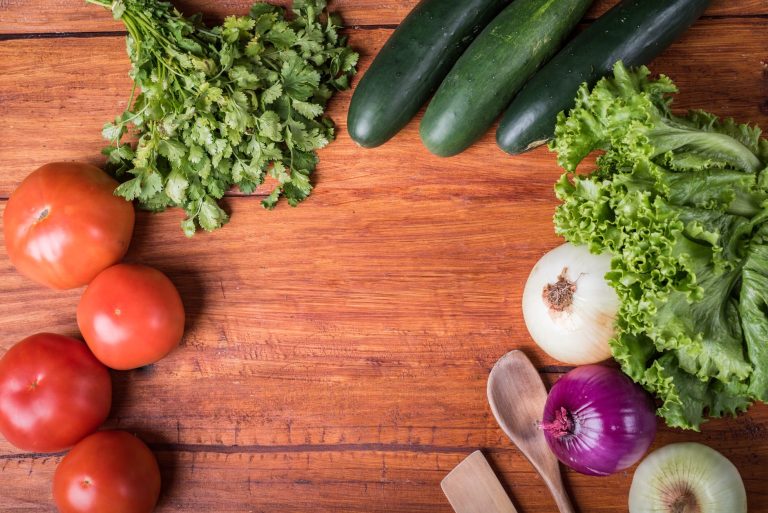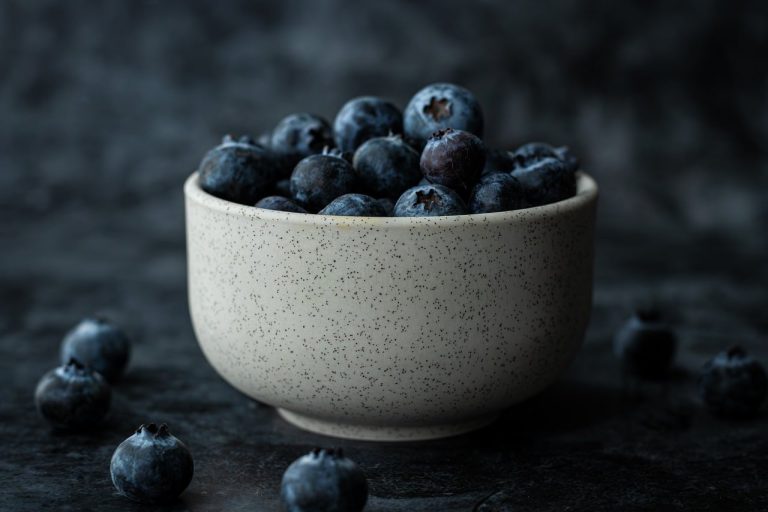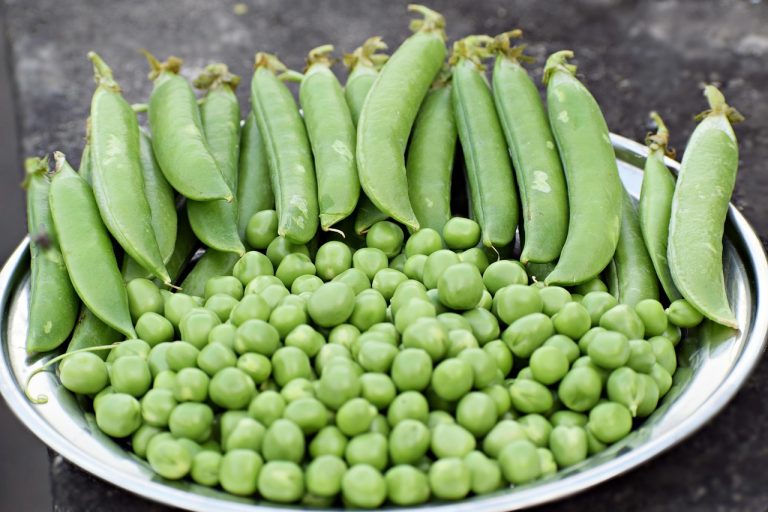


Photo by nosolomarcas on Pixabay
When people talk about healthy eating, they often focus on calories, macros, or the latest superfood trend. Yet the real foundation of a healthy lifestyle is often hiding in plain sight: gut health. If your digestion feels sluggish, your energy rises and falls without warning, or your cravings seem impossible to control, the answer may not be stricter dieting. It may be a smarter relationship with organic food, clean eating, and the daily habits that support your microbiome.
What you eat does more than fill your plate. It influences how well you absorb nutrients, how comfortably you digest meals, how steady your appetite feels, and even how your body handles weight loss. That is why a gut-friendly organic food approach has become one of the most practical ways to improve nutrition without turning meals into a punishment. Could a simpler way of eating help you feel lighter, calmer, and more energized within days? For many people, the answer is yes.
This guide looks at organic foods through the lens of digestion. Instead of chasing extreme rules, we will explore how clean eating can support the gut, which foods deserve a place in your kitchen, what to limit, and how to build a routine that feels realistic. Whether your goal is reducing bloating, improving regularity, supporting a detox diet mindset, or encouraging healthy weight loss, the path often starts with the same idea: give your body high-quality food it can recognize and use.
Why gut health changes everything
Your digestive system is not just a food-processing tube. It is a dynamic ecosystem where bacteria, enzymes, acids, and immune signals all work together. When that system is balanced, you may notice steadier energy, better skin, fewer cravings, improved mood, and easier weight management. When it is out of balance, even a well-planned diet can feel frustrating. Why do some people seem to eat almost anything without discomfort, while others react to the smallest change? Often, the answer lies in the gut.
Gut health is closely linked to the foods you eat every day, not just the occasional wellness challenge or detox diet. The microbes in your intestines respond to fiber, polyphenols, hydration, fermented foods, and the overall pattern of your meals. That means the quality of your diet matters more than one isolated ingredient. A clean eating approach built around organic food can create the kind of consistency the digestive system likes most.
Here are a few signs that your gut may need more support:
- Frequent bloating or gas after meals
- Irregular bowel movements
- Cravings for sugar or processed snacks
- Low energy after eating
- Feeling hungry again very quickly
- Skin flare-ups that seem connected to diet
If any of those sound familiar, do not assume your body needs a drastic cleanse. More often, it needs a more nourishing routine. That is where organic food and better nutrition habits can make a meaningful difference.
How organic food supports digestion naturally
Organic food is not magic, but it can be a helpful part of a gut-friendly strategy. By reducing exposure to certain pesticides and focusing more often on whole, minimally processed ingredients, you create meals that are easier to digest and easier to trust. For many people, that trust is important. Once you stop wondering what is hidden in your food, eating becomes calmer and more mindful.
Lower pesticide exposure
Choosing organic produce may reduce your intake of pesticide residues commonly found on conventionally grown fruits and vegetables. While the long-term effects of small exposures are still debated, many people prefer to keep their food as clean as possible. When your diet is already supporting digestion, reducing unnecessary chemical exposure can feel like a practical step rather than a dramatic one.
Think of it this way: your gut is already working hard every day. Why add more burden if you can avoid it? Organic food gives you a simpler, more transparent starting point, especially when you are building a clean eating routine for weight loss or better overall nutrition.
More whole-food nutrients
Some organic foods are simply fresher, less processed, and more likely to be eaten in their natural state. That matters because the gut loves foods that arrive with their fiber, water content, enzymes, and phytonutrients intact. A ripe organic apple, a handful of leafy greens, or a bowl of steamed organic vegetables delivers much more than flavor. It gives your digestive system the raw material it needs to function well.
High-quality nutrition is not about perfection. It is about stacking good choices until they become your default. That is one reason organic food feels so aligned with healthy lifestyle goals. It encourages a more intentional pattern of eating without requiring you to count every bite.
Better habits by default
People who buy organic often start cooking more often, reading labels more carefully, and planning meals with more care. Those behaviors themselves support gut health. When you eat at home more frequently, you tend to use fewer additives, less excess sugar, and fewer oils that can leave digestion feeling heavy. You also become more aware of how different ingredients affect your body.
That awareness is powerful. Have you ever noticed how one meal can leave you calm and satisfied while another makes you sluggish? Organic eating often helps you identify those patterns sooner, which means you can make smarter choices faster.
[IMAGE: organic vegetables]
The best organic foods for a happier gut
The most effective gut-friendly diets are built around variety. Different foods feed different microbes, and a diverse microbiome is generally a healthier microbiome. If you want your digestive system to feel more balanced, focus on the organic foods that bring fiber, beneficial bacteria, prebiotics, and anti-inflammatory support to the table.
Fermented foods
Fermented foods are some of the most valuable ingredients for digestion because they can introduce live cultures that support microbial diversity. Organic yogurt with no added sugar, kefir, sauerkraut, kimchi, miso, and tempeh can all fit into a gut-friendly plan. Start slowly if you are new to fermented foods, especially if you are sensitive to histamine or prone to bloating.
One spoonful of sauerkraut will not transform your health overnight, but regular exposure can support a more resilient digestive routine. Pair fermented foods with balanced meals instead of using them as a standalone fix.
Fiber-rich produce
Fiber is one of the most important nutrients for gut health, and organic produce makes it easy to eat more of it. Apples, pears, berries, leafy greens, carrots, broccoli, Brussels sprouts, artichokes, and beets are all excellent choices. Fiber helps move food through the digestive tract, supports regularity, and feeds beneficial bacteria in the colon.
If you are trying to support weight loss too, fiber has an added advantage: it helps you feel fuller for longer. That is one reason clean eating built on organic produce tends to be more satisfying than a diet focused on calorie restriction alone.
Prebiotic staples
Prebiotics are the fibers that feed your good gut bacteria. Organic garlic, onions, leeks, asparagus, oats, bananas, chia seeds, flaxseeds, and Jerusalem artichokes are all strong options. These foods do not just pass through the digestive system. They help maintain the environment that your beneficial microbes need to thrive.
A simple trick is to include at least one prebiotic food at most meals. For example, you might add onions and garlic to a vegetable soup, chia seeds to breakfast, or asparagus to a dinner plate. Small choices like these can have a large cumulative effect over time.
Healthy fats and lean proteins
Gut health is not only about fiber. Your digestive system also needs enough protein and healthy fats to support stable energy and reduce overeating. Organic eggs, wild salmon, pasture-raised poultry, tofu, lentils, walnuts, avocado, and olive oil can all play a role. These foods make meals more satisfying and can help you stay consistent with clean eating.
When a meal has protein, fiber, and fat together, it tends to digest more evenly. That steadier pace can be especially helpful for people working on weight loss, because it reduces the chance of blood sugar spikes and rebound cravings.
[IMAGE: healthy meal]
What to eat and what to reduce
A gut-friendly plan is not about banning every indulgence forever. It is about tilting your routine toward foods that leave you feeling better. Some foods are nourishing and easy on digestion, while others can crowd out the nutrients your body needs to stay balanced. The key is to notice patterns, not to create fear around food.
Foods to prioritize more often:
- Organic vegetables and fruits in a wide range of colors
- Fermented foods with live cultures
- Oats, quinoa, brown rice, and other high-fiber whole grains
- Legumes if you tolerate them well
- Seeds, nuts, avocado, and extra-virgin olive oil
- Water, herbal tea, and mineral-rich beverages without added sugar
Foods to reduce when your gut feels sensitive:
- Ultra-processed snacks with long ingredient lists
- Excess sugar and sweetened drinks
- Heavy fried foods that leave you sluggish
- Large amounts of alcohol
- Artificial sweeteners that trigger gas or bloating
- Overly salty convenience meals
That does not mean every non-organic food or every treat is off-limits. It means your everyday pattern should make digestion easier, not harder. If a food consistently causes discomfort, pay attention. If a food leaves you energized, enjoy it more often. Clean eating becomes sustainable when it respects your body’s feedback.
Some people also wonder whether gluten or dairy should be removed. The answer depends on the individual. For some, cutting back on certain foods helps dramatically. For others, the issue is portion size, quality, or timing. A personalized approach will always beat a rigid rulebook.
A clean eating rhythm that supports weight loss
Organic food can be a powerful ally for weight loss, but not because it is low in calories by default. The real benefit is that it tends to be more filling, more nutrient-dense, and less likely to lead to accidental overeating. When your meals are built around fiber, protein, and healthy fats, your appetite often becomes easier to manage. Isn’t that what most people want from a healthy diet in the first place?
A steady meal rhythm also matters. Skipping meals and then arriving at dinner ravenous is one of the easiest ways to overeat, even when your intentions are good. A better strategy is to give your body predictable fuel so that hunger stays manageable throughout the day.
Build balanced plates
Instead of obsessing over every gram, use the plate method. Fill about half your plate with organic vegetables, one quarter with quality protein, and one quarter with smart carbohydrates such as quinoa, sweet potato, brown rice, or beans. Add a moderate amount of healthy fat. This structure supports digestion and makes it easier to stay satisfied without counting every calorie.
A simple formula for each meal
Use this quick template:
- 1 to 2 cups of vegetables
- 1 palm of protein
- 1 fist of whole-food carbohydrates
- 1 thumb of healthy fat
This formula is flexible enough for breakfast, lunch, or dinner. It also supports a weight loss plan because it naturally reduces excess snacking and keeps nutrition steady.
Hydrate strategically
Digestion works better when you are well hydrated. Water helps fiber do its job, supports bowel regularity, and can reduce the false hunger signals that show up when you are actually thirsty. Start your day with a glass of water, sip between meals, and add herbal teas like ginger, peppermint, or fennel if they feel soothing.
Too much liquid during meals can make some people feel overly full, so pay attention to timing. You do not need a strict rule, only enough awareness to notice what helps. A gentle, consistent hydration habit is much more useful than an occasional cleanse.
Slow down at the table
One of the most overlooked parts of clean eating is how you eat, not just what you eat. Chewing thoroughly and eating more slowly gives your digestive system time to prepare. It also helps you recognize fullness before you go too far. When was the last time you ate a meal without scrolling, rushing, or multitasking?
Try these habits for a week:
- Put your fork down between bites
- Eat seated, not standing
- Take a few deep breaths before the first bite
- Notice flavor, texture, and satiety
- Stop when you are comfortably satisfied, not stuffed
This approach sounds simple because it is. Yet it can dramatically improve digestion and help you feel more in control of food.
Do you really need a detox diet?
The word detox diet is everywhere, but the body already has built-in detoxification systems. Your liver, kidneys, gut, skin, and lungs all help remove waste and process what you consume. That means the smartest way to support detox is not through extreme restriction. It is through consistent nourishment.
Organic food can support the body’s natural detox pathways by reducing the load of heavily processed ingredients and adding more fiber, antioxidants, and hydration. Think of it as support, not punishment. A bowl of berries, a salad with leafy greens, or a broth-based soup with vegetables can do more for your long-term wellness than a three-day cleanse that leaves you tired and irritable.
So should you ignore the idea of detox entirely? Not necessarily. A gentler detox diet mindset can be useful if it simply means clearing out processed foods and returning to basics for a few days. The problem begins when detox becomes a dramatic reset that ignores real nutrition. True cleansing feels sustainable, not extreme.
Ask yourself: does your current routine make your body feel lighter, clearer, and more energized, or does it leave you dependent on stimulants and snacks? The answer can tell you a lot about whether you need more structure, not more restriction.
Easy organic meal ideas for busy days
Healthy eating only works if it fits real life. The best organic food routine is the one you can repeat on weekdays, during travel, and when you are too busy to cook a complicated recipe. You do not need a perfect menu. You need a few dependable meals that support digestion and taste good enough to keep you coming back.
Breakfast
Breakfast should be simple, satisfying, and gentle on the stomach. Try one of these combinations:
- Organic Greek yogurt with berries, chia seeds, and cinnamon
- Oatmeal topped with banana, flaxseed, and walnuts
- Scrambled organic eggs with spinach and avocado on whole-grain toast
These meals provide protein, fiber, and healthy fats early in the day, which can reduce random snacking later on.
Lunch
Lunch is a great place to build a colorful plate. Keep it balanced and portable when needed:
- Quinoa bowl with roasted vegetables, chickpeas, and tahini dressing
- Chicken or tofu salad with mixed greens, cucumber, carrots, and pumpkin seeds
- Lentil soup with a side of fermented vegetables and sliced fruit
Notice how each option combines fiber with protein. That is not an accident. It is one of the most reliable ways to feel full without feeling weighed down.
Dinner
Dinner can be comforting and gut-friendly at the same time. In fact, a warm meal often feels best for digestion later in the day:
- Baked salmon with sweet potato and steamed broccoli
- Organic turkey or bean chili with leafy greens
- Stir-fried vegetables with tofu, brown rice, garlic, and ginger
A lighter dinner can also support sleep, which indirectly helps digestion and weight loss. When you sleep better, cravings often feel less intense the next day.
Snack ideas
If you need snacks, choose ones that add nutrition instead of just filling time:
- Apple slices with almond butter
- Carrot sticks with hummus
- A handful of walnuts and a kiwi
- Kefir or unsweetened yogurt
- Cucumber with a small portion of cottage cheese or tofu dip
Snacking can be part of a healthy lifestyle when it is intentional. The goal is not to avoid food between meals at all costs. The goal is to avoid grazing on foods that do not support your goals.
[IMAGE: fitness lifestyle]
Shopping and prep tips that make healthy eating realistic
The gap between intention and action is often what derails healthy habits. Most people know they should eat more vegetables and fewer processed foods. The real challenge is making that happen on a Tuesday night after a long day. That is why grocery planning matters so much. A well-stocked kitchen makes clean eating almost effortless.
Start by shopping the perimeter of the store more often, where fresh produce, dairy, eggs, fish, and meats are usually located. Then build the center of your cart around whole grains, legumes, nuts, seeds, and minimally processed pantry staples. If you buy organic food regularly, choose the items you eat most often and the produce you eat with the skin on, such as apples, berries, and leafy greens.
Helpful prep habits include:
- Washing and chopping vegetables as soon as you get home
- Cooking a batch of grains or beans in advance
- Keeping fermented foods visible in the fridge
- Pre-portioning snacks so you do not overeat from the bag
- Freezing portions of soups and stews for busy nights
Reading labels is also part of smart nutrition. Look for shorter ingredient lists, lower added sugar, and recognizable ingredients. Organic does not automatically mean perfect, but it often makes the search easier because the food is closer to its natural form. That simplicity can be a relief in a world full of complicated nutrition claims.
Common mistakes that can irritate digestion
Even a healthy diet can backfire if it is built on habits that overwhelm the gut. One of the biggest mistakes is increasing fiber too quickly. Fiber is wonderful for digestion, but if your intake jumps overnight, bloating and discomfort can follow. Build gradually and drink enough water to help your system adapt.
Other common mistakes include:
- Eating huge salads without enough protein or fat
- Relying too heavily on raw foods when your digestion is sensitive
- Drinking sugary smoothies that spike hunger later
- Using a detox diet as a crash reset instead of a sustainable habit
- Assuming every healthy food works for every body
- Ignoring stress, sleep, and speed of eating
Stress deserves special attention. The gut and nervous system are deeply connected, which means a tense lifestyle can affect digestion even when your food choices are good. If you regularly eat in a hurry, skip rest, or live on caffeine, your digestive system may struggle regardless of how clean your meals look on paper.
Weight loss can also stall when meals are too restrictive. If you are constantly hungry, you are unlikely to stay consistent. A better strategy is to eat enough high-quality food so that your appetite feels stable and your choices feel manageable.
A simple 3-day reset you can repeat
If you want a practical way to begin, try a short reset built around organic food and clean eating. This is not a severe cleanse. It is a simple return to basics that can help you notice how your body responds when meals are balanced and less processed. The point is not deprivation. The point is awareness.
Day 1:
- Breakfast: yogurt or oatmeal with berries and seeds
- Lunch: vegetable-rich grain bowl with protein
- Dinner: soup or roasted vegetables with fish, beans, or tofu
- Drink water and herbal tea throughout the day
Day 2:
- Breakfast: eggs with greens and avocado
- Lunch: salad with fermented vegetables and whole grains
- Dinner: stir-fry with garlic, ginger, and mixed vegetables
- Choose fruit or nuts if you need a snack
Day 3:
- Breakfast: chia pudding or overnight oats
- Lunch: lentil soup or chickpea bowl
- Dinner: salmon, sweet potato, and broccoli or a plant-based version
- Eat slowly and notice how your body feels after each meal
After three days, ask yourself a few honest questions. Do you feel less bloated? Is your energy steadier? Are your cravings easier to manage? Often, the most useful part of a reset is not the number on the scale. It is the information you gain about what your body actually prefers.
When you focus on organic food, steady routines, and clean eating rather than extremes, better digestion becomes a daily experience instead of a short-lived reset. If that approach feels aligned with the healthy lifestyle you want, keep exploring DietOrganic for more practical articles on nutrition, weight loss, detox diet support, and wholesome food ideas that make every meal feel a little more intentional.
About the Author