
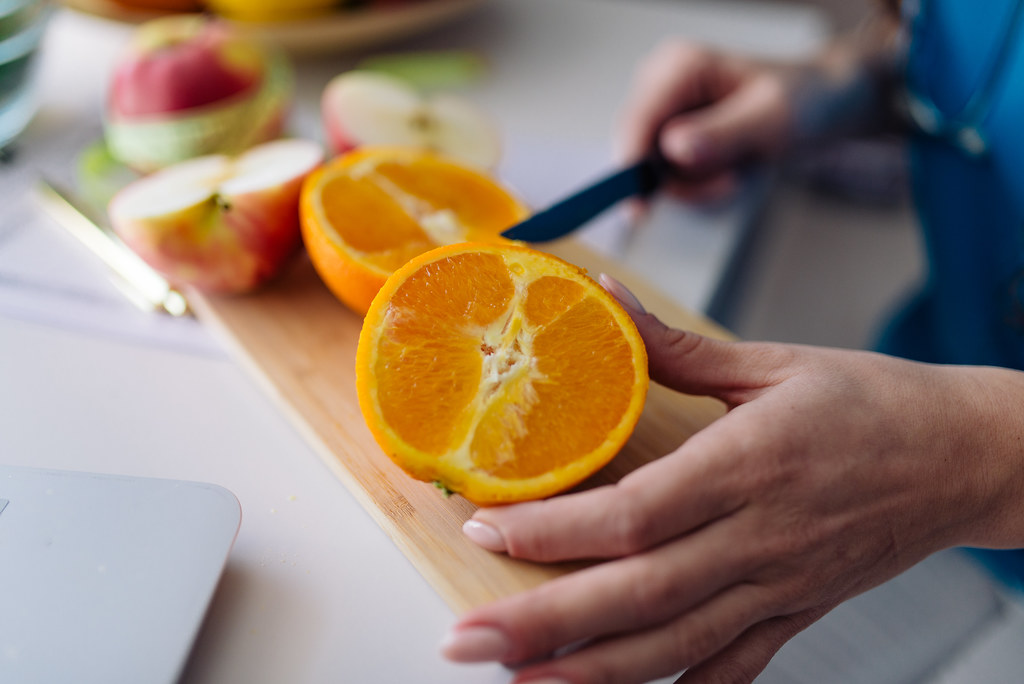
Photo by nenadstojkovicart on Openverse
If you have ever tried to lose weight by eating less and ending up hungry, frustrated, and mentally drained, you are not alone. The better question is not whether you can force your way through another diet, but whether your food choices are actually helping your body work with you. That is where organic food, clean eating, and smarter nutrition start to matter. When your plate is built around whole, minimally processed ingredients, weight loss often feels less like punishment and more like a natural rhythm you can maintain.
Organic food is not a magic switch, but it can make a real difference in a healthy diet. It tends to push your meals closer to their most natural form, which means more fiber, more micronutrients, fewer additives, and fewer of the hidden calories that often sneak into modern eating. If your goal is weight loss without sacrificing energy, mood, or satisfaction, a clean eating approach built around organic foods may be the most sustainable path forward. And if you have been asking yourself, What should I eat to feel lighter without feeling deprived? this guide will show you exactly where to start.
Why Organic Food Supports Weight Loss in a Realistic Way
There is a reason many people find better success when they shift from random dieting to a more intentional healthy lifestyle. Weight loss works best when your meals are simple enough to understand, satisfying enough to repeat, and nutritious enough to support your day. Organic food fits that framework beautifully because it usually leads you toward ingredients that are less manipulated and more familiar to the body.
The biggest benefit is not just the label itself. It is the way organic eating often encourages better decisions overall. When you shop for vegetables, fruits, eggs, beans, grains, and proteins with clean eating in mind, you naturally reduce your exposure to ultra-processed products that are engineered to be hyper-palatable. That shift can improve appetite control, reduce mindless snacking, and make calorie awareness easier without obsessive tracking.
Less Ultra-Processed Food, More Natural Satiety
One of the simplest reasons organic food can help with weight loss is that it often replaces foods that are low in fiber and high in refined starch, sugar, or unhealthy fats. A bowl of organic berries and plain yogurt, for example, is more filling than a packaged pastry with a long ingredient list. Why? Because the body recognizes real food differently. It takes longer to digest, it steadies energy, and it signals fullness more effectively.
That does not mean every organic product is automatically healthy. Organic cookies are still cookies, and organic chips are still chips. But when the focus shifts to whole ingredients, your diet becomes easier to manage. You spend less time fighting cravings and more time eating meals that keep you steady.
Nutrition That Helps You Stay Consistent
Consistency matters more than intensity. A perfect week of restriction means very little if it leads to a weekend of overeating. Clean eating with organic foods supports steadier habits because it is easier to repeat. You can build meals that are rich in protein, fiber, and healthy fats without relying on extreme rules or a short-lived detox diet mentality.
Instead of asking, What can I cut out? ask, What can I add that makes my body feel better? That one shift changes everything. More vegetables, more protein, more hydration, more sleep, and more movement create a healthier environment for weight loss than deprivation ever will.
The Best Organic Foods for Weight Loss
Not all foods affect hunger, energy, and metabolism in the same way. Some ingredients make it easier to stay satisfied and avoid overeating, while others can quietly add calories without much fullness. The best organic foods for weight loss are the ones that help you feel nourished, not punished.
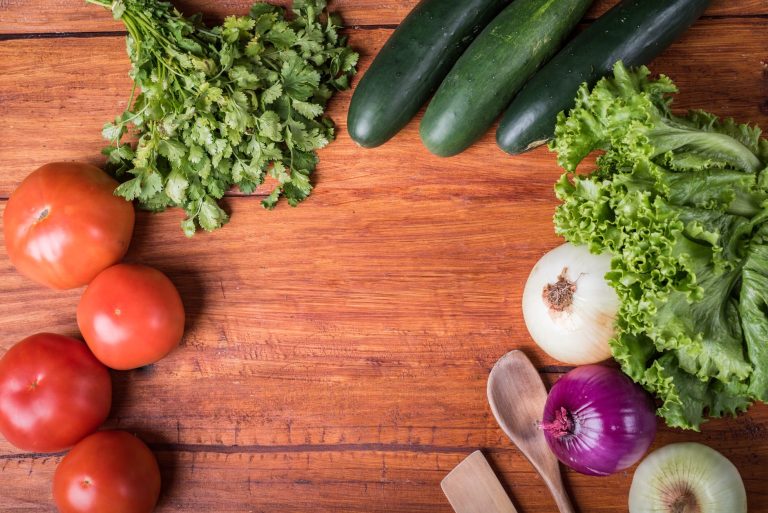
[IMAGE: organic vegetables]
Leafy Greens That Add Volume Without Extra Calories
Spinach, kale, arugula, romaine, Swiss chard, and mixed salad greens should be at the center of a clean eating plan. They are low in calories, high in water, and packed with fiber, folate, vitamin K, and antioxidants. That means you can eat a generous portion and still stay aligned with your weight loss goals.
Leafy greens are also incredibly versatile. You can blend them into smoothies, toss them into omelets, layer them under protein bowls, or use them as a base for lunch and dinner. If you are trying to make your plate look and feel abundant while keeping energy intake in check, greens are one of the smartest organic foods to buy.
Cruciferous Vegetables for Fullness and Detox Support
Broccoli, cauliflower, Brussels sprouts, cabbage, and bok choy are some of the most valuable vegetables for a healthy diet. They are rich in fiber and contain compounds that support the body’s natural detox pathways. That does not mean they cleanse you in a dramatic way, but they do provide the nutrients your liver and digestive system need to do their job well.
Roasted cauliflower with olive oil and herbs, steamed broccoli with lemon, or shredded cabbage in a crunchy slaw can turn an ordinary meal into something that feels both satisfying and light. These vegetables also create more chewing time, which can help slow down eating and improve satiety. Are you eating too quickly to notice fullness? Cruciferous vegetables can help change that pattern.
Berries That Satisfy a Sweet Tooth the Clean Way
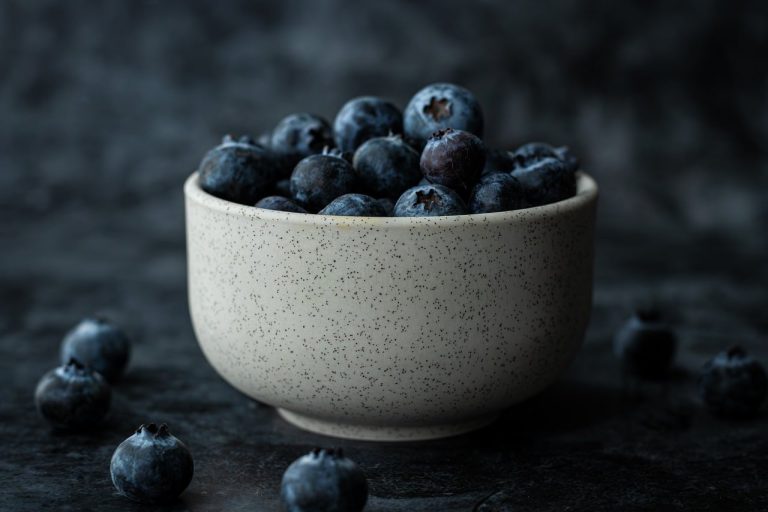
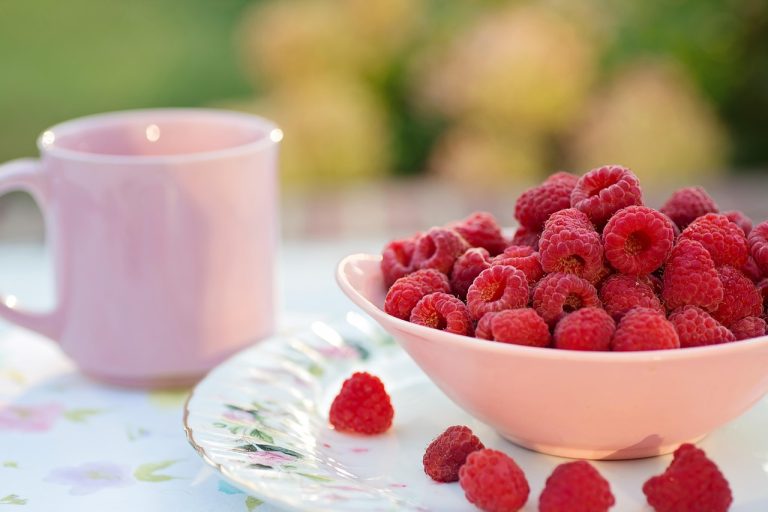
Blueberries, raspberries, blackberries, and strawberries are ideal if you want sweetness without the blood sugar spike that comes from desserts or sugary snacks. They are naturally lower in calories than many fruits, but they are rich in fiber and antioxidants. That combination makes them excellent for weight loss and overall nutrition.
Organic berries work especially well at breakfast, in yogurt bowls, on top of oatmeal, or as a simple afternoon snack. They can also help reduce the urge to reach for candy or baked goods. If you love the idea of a healthy lifestyle but worry that it will feel bland, berries are your proof that clean eating can still feel indulgent.
Apples, Pears, and Citrus for Portable Fiber
Apples and pears are classic weight loss foods for a reason. They are portable, satisfying, and naturally sweet. Because they contain fiber and water, they can help fill you up between meals without adding a heavy calorie load. Citrus fruits such as oranges, grapefruit, and tangerines can play the same role while bringing brightness and hydration to your day.
Keep whole fruit instead of relying on juices. Juicing removes much of the fiber that helps control appetite, and it makes it easier to consume more sugar than your body needs. Whole organic fruit is a better match for clean eating and steady weight loss.
Organic Eggs and Plain Dairy for High-Quality Protein
Protein is one of the most important nutrients for weight loss because it supports satiety, preserves lean muscle, and helps stabilize appetite. Organic eggs are a convenient, affordable, and nutrient-dense option. They can be scrambled, boiled, poached, or added to vegetable-heavy meals for a balanced start to the day.
Plain organic Greek yogurt and cottage cheese can also be helpful, especially if you want a high-protein snack or breakfast. Just watch for flavored versions with added sugar. The goal is not to eliminate dairy, but to choose forms that support your clean eating plan rather than compete with it.
Beans, Lentils, and Organic Plant Proteins
If you want a healthy diet that is filling, affordable, and supportive of weight loss, legumes deserve a permanent place in your kitchen. Lentils, black beans, chickpeas, and edamame deliver a powerful mix of fiber and protein that can help control hunger for hours. They also make meals feel substantial without relying on heavy portions of refined carbohydrates.
Organic tofu and tempeh are excellent plant-based protein sources too. When prepared well, they absorb flavors beautifully and can be used in stir-fries, bowls, salads, and wraps. If you have ever wondered how people maintain a leaner body while eating satisfying meals, protein-rich plant foods are often part of the answer.
Avocados, Nuts, Seeds, and Healthy Fats in Smart Portions
Healthy fats matter for hormone balance, brain function, and long-term satisfaction. Avocados, chia seeds, flaxseeds, pumpkin seeds, almonds, and walnuts can all support a weight loss plan when used strategically. The key is portion control. A little fat goes a long way.
Instead of pouring oil freely or eating nuts straight from a large bag, measure them consciously. A few slices of avocado, a tablespoon of seeds, or a small handful of nuts can improve flavor and fullness without quietly pushing calories too high. Healthy fat belongs in a clean eating plan, but it should not dominate the plate.
How to Build a Clean Eating Plate That Supports Weight Loss
Once you know which organic foods are most helpful, the next step is learning how to combine them. A well-designed plate does more than satisfy hunger. It reduces decision fatigue, stabilizes energy, and keeps you from turning every meal into a guess.
The best weight loss meals are not complicated. They are built from a simple formula that keeps portions balanced while allowing enough flexibility to enjoy real life. That is the difference between a diet you can follow for a week and a healthy lifestyle you can maintain for years.
Use the Plate Method
A simple plate method can make clean eating much easier:
- Fill half your plate with non-starchy organic vegetables.
- Use one quarter for lean protein such as eggs, lentils, tofu, chicken, or yogurt.
- Use one quarter for smart carbohydrates such as quinoa, sweet potato, brown rice, or fruit.
- Add a small portion of healthy fats like avocado, seeds, or olive oil.
This structure is practical because it does not require perfection. It simply gives your meals enough balance to help with hunger and energy. If your current meals leave you sluggish or snacky an hour later, a better plate formula may be all you need.
Prioritize Protein at Every Meal
Many people trying to lose weight eat too little protein at breakfast and lunch, then feel ravenous later in the day. A protein anchor can change that pattern. Whether you choose organic eggs, yogurt, tofu, beans, or chicken, include a clear protein source in each meal.
Ask yourself: Will this meal keep me full for several hours, or will it send me searching for snacks? That one question can help you build a more effective nutrition routine without needing a complicated plan.
Make Fiber the Quiet Hero
Fiber is one of the most underrated tools in weight loss. It slows digestion, helps regulate blood sugar, and improves digestive health. Organic vegetables, fruit, legumes, seeds, and whole grains all contribute. The more fiber your meals contain, the more likely you are to feel full with fewer calories.
For practical results, make sure each meal includes at least two fiber-rich ingredients. For example, a lentil bowl with spinach and broccoli, or yogurt with berries and chia seeds, brings together several weight loss-friendly elements in one meal.
Flavor Food Without Hiding It Under Sugar or Salt
Clean eating should never taste dull. Use garlic, lemon, lime, fresh herbs, cinnamon, ginger, turmeric, vinegar, black pepper, and chili flakes to build flavor. These ingredients can make organic food feel vibrant without encouraging overeating the way sugary sauces and heavy dressings often do.
When your food tastes good naturally, you are more likely to stick with your plan. And consistency, not restriction, is what drives lasting change.
A Sample Organic Day of Eating for Weight Loss
Seeing a plan in action often makes healthy diet ideas feel more realistic. Below is a simple example of how organic food can support weight loss while still feeling satisfying and balanced. The goal here is not perfection. It is a rhythm of meals that keeps your body fed and your cravings calmer.
[IMAGE: healthy meal]
Breakfast
Try a vegetable omelet made with organic eggs, spinach, mushrooms, and tomatoes, plus a side of organic berries. If you prefer a plant-based option, have plain organic Greek yogurt with chia seeds, blueberries, and a spoonful of oats. This gives you protein, fiber, and a naturally sweet finish without a blood sugar crash.
Lunch
A large salad with mixed greens, cucumber, carrots, roasted broccoli, chickpeas, avocado, and grilled organic chicken or tofu works beautifully. Dress it with olive oil, lemon, and herbs instead of creamy bottled dressing. Add a small serving of quinoa if you need more energy for the afternoon.
Snack
An apple with a measured portion of almond butter, a few walnuts with green tea, or celery with hummus can bridge the gap between meals without turning into a calorie trap. The best snack is one that is intentional, not one that happens because you are too hungry to think.
Dinner
Build a plate around roasted cauliflower, zucchini, and Brussels sprouts, plus baked tofu or organic chicken breast and a modest portion of sweet potato. Finish with fresh herbs or a simple yogurt-based sauce. You will end the day feeling nourished rather than stuffed, which is ideal for both weight loss and sleep quality.
Hydration
Water, sparkling water, herbal tea, and cucumber-infused water can help you stay on track. Sometimes what feels like hunger is actually dehydration. Keeping fluids close by makes it easier to make rational food choices instead of impulsive ones.
Organic Foods That Can Stall Weight Loss If You Overdo Them
One of the most common clean eating mistakes is assuming that a food being organic automatically makes it a weight loss food. The truth is more nuanced. Even the most wholesome ingredients can slow progress if portions are unbalanced or if they are used in ways that turn a light meal into a calorie-heavy one.
This is where smart nutrition matters more than buzzwords. If you want better results, pay attention to how foods are prepared and how much you are eating, not just whether they are organic.
Granola, Trail Mix, and Energy Bites
These foods are often marketed as healthy, but they can be very calorie-dense. A small bowl of organic granola can contain added oils, sweeteners, and dried fruit that add up quickly. The same is true for trail mix and energy bites. They are fine in measured portions, but they can easily undermine weight loss when eaten casually.
Smoothies That Act More Like Desserts
A smoothie can be a convenient meal or a sugar bomb in disguise. If it contains multiple fruits, nut butter, sweetened yogurt, juice, and oats all at once, the calorie total may be far higher than you expect. To keep smoothies aligned with a clean eating plan, add vegetables, protein, and modest portions of fruit.
Dried Fruit and Sweetened Snacks
Organic dried mango, raisins, dates, and similar snacks are easy to overeat because the water has been removed, concentrating the sugar and calories. The same principle applies to organic snack bars that appear healthy but behave like candy bars. If you are serious about weight loss, choose whole fruit more often than dried fruit.
Nut Butters and Oils Without Measuring
Nut butters and oils are nutritious, but they are also among the easiest foods to overconsume. A tablespoon of peanut butter becomes three tablespoons very quickly, and a heavy pour of olive oil can transform a balanced meal into a much richer one. Use them, enjoy them, but measure them when weight loss is the priority.
Organic Desserts and Baked Goods
Organic brownies, cookies, muffins, and pastries may contain cleaner ingredients, but they still belong in the treat category. There is nothing wrong with enjoying them occasionally, yet it helps to recognize them for what they are. Clean eating is not about never enjoying dessert. It is about making dessert intentional instead of automatic.
How to Make Organic Meal Prep Easier During a Busy Week
Many people start strong on Monday and lose momentum by Thursday simply because they run out of time. Meal prep removes that friction. If healthy food is already prepared, you are far more likely to eat it. That is why organic meal prep is one of the most practical weight loss tools available.
Think of meal prep as an act of self-respect, not a chore. A few hours in the kitchen can save you from impulsive takeout, vending machine snacks, and the stress of deciding what to eat when you are already tired.
Prep Ingredients, Not Just Meals
You do not need to cook every meal for the week in advance. Sometimes the best approach is to prep ingredients that can be mixed and matched. Wash greens, roast vegetables, boil eggs, cook grains, rinse beans, and portion out snack items. This gives you flexibility while still making healthy choices easier.
- Wash and dry leafy greens.
- Roast two trays of vegetables.
- Cook one grain such as quinoa or brown rice.
- Prepare a protein source for multiple meals.
- Wash fruit and portion snacks into containers.
Keep a Smart Organic Grocery List
A good grocery list keeps your kitchen focused. When you buy with intention, you are less likely to rely on impulse purchases that work against weight loss. Your list does not need to be long. It needs to be useful.
- Leafy greens
- Broccoli, cauliflower, Brussels sprouts
- Organic berries and apples
- Eggs, yogurt, tofu, lentils, beans
- Quinoa, oats, sweet potatoes
- Avocados, chia seeds, almonds, walnuts
- Lemon, garlic, herbs, vinegar, spices
Use Containers That Make Healthy Food Visible
The foods you see first are often the foods you eat first. Store washed vegetables and prepared proteins at eye level in the refrigerator. Keep fruit in a bowl on the counter. Put treats in less visible places. Small environmental choices can quietly improve your nutrition and support a healthier lifestyle without requiring more willpower.
Where a Detox Diet Fits Into Organic Weight Loss
People often search for a detox diet when they feel bloated, sluggish, or off track. While the idea is appealing, extreme detoxes usually create more problems than they solve. Your body already has a built-in detox system through the liver, kidneys, lungs, skin, and digestive tract. What it needs is support, not starvation.
A better approach is to build a food-first reset. Organic vegetables, fruit, water-rich foods, fiber, and adequate protein can help your body feel lighter and less burdened without relying on juice cleanses or restrictive gimmicks. If a detox diet is going to work, it should look like a temporary return to basics rather than a dramatic punishment.
What a Gentle Detox Really Looks Like
A gentle reset can include:
- More vegetables at every meal
- Less added sugar and alcohol
- Better hydration
- Consistent sleep
- Fewer packaged snacks
- More fiber-rich organic foods
This style of detox support is not flashy, but it is effective. It helps reduce digestive strain, improves energy, and creates the conditions that make weight loss more attainable.
The Fitness Habits That Make Clean Eating More Effective
Food does a great deal of the work, but movement helps shape the outcome. The most effective healthy lifestyle is one where nutrition and activity support each other. You do not need punishing workouts. You need a routine that helps your body use energy well and maintain muscle while you lose fat.
[IMAGE: fitness lifestyle]
Walk More Than You Think You Need To
Walking is one of the most underrated tools in weight loss. It improves circulation, supports digestion, reduces stress, and burns extra calories without triggering the recovery demands of intense exercise. A daily walk after meals can also improve blood sugar response and help you feel more connected to your healthy diet.
Could something as simple as a 20-minute walk after lunch make a difference? For many people, the answer is yes.
Protect Your Sleep
Poor sleep can increase hunger, reduce self-control, and make sugary foods more tempting. If you are trying to build momentum with organic food and clean eating, do not ignore rest. Sleep is part of nutrition because it affects how your body handles appetite, stress, and recovery.
A consistent bedtime, a calmer evening routine, and less late-night snacking can improve your results more than you may expect.
Strength Train to Support a Leaner Body
Strength training helps preserve muscle while you lose weight, which is important for metabolism and body composition. You do not need a gym membership to begin. Bodyweight squats, lunges, pushups, resistance bands, and light weights can all support a healthier, more toned appearance over time.
The combination of organic food, clean eating, and regular movement is powerful because it focuses on the whole system, not just the scale.
Common Organic Diet Mistakes to Avoid
Even the best intentions can backfire when the strategy is unclear. Many people want to eat cleaner and lose weight, but they accidentally create new problems by following trends instead of principles. A truly effective healthy diet keeps things simple, flexible, and realistic.
Thinking Organic Automatically Means Low Calorie
Organic versions of calorie-dense foods are still calorie-dense. A large organic muffin does not behave differently from a regular muffin in your body. The label can improve quality, but it does not erase quantity. Keep that in mind when you shop and portion your meals.
Skipping Meals and Getting Too Hungry
Some people try to save calories by eating too little early in the day, only to overeat later. This pattern can wreck consistency. It is usually better to eat balanced meals on schedule than to white-knuckle your way through hunger.
Ask yourself honestly: Is this plan helping me stay calm around food, or is it making me feel like I have to constantly fight myself?
Overcomplicating Your Nutrition
You do not need ten supplements, five superfood powders, or a strict cleanse to lose weight. You need repeatable meals, enough protein, fiber, and water, and a grocery list you can actually use. The more complex your plan becomes, the harder it is to follow.
Relying on Liquid Meals Too Often
Juices, smoothies, and bottled shakes can be convenient, but they should not replace whole food all day long. Chewing matters. It helps with fullness, digestion, and satisfaction. If a liquid meal is your only option, make sure it contains protein and fiber so it functions like a meal, not a sugary drink.
Simple Ways to Make Organic Weight Loss Feel Effortless
The real advantage of organic food is not that it gives you a perfect body overnight. It is that it helps you build a cleaner, quieter, more manageable relationship with food. When meals are based on whole ingredients, the noise around eating tends to fade. You stop chasing extremes and start living inside a rhythm that feels sane.
That is what makes this approach so valuable for weight loss. It is not loud. It is not dramatic. It is the steady accumulation of good decisions made easier by the foods in your kitchen. If you want a healthy lifestyle that lasts, that matters far more than temporary motivation. Choose foods that feed your body well, simplify your routine, and make clean eating feel like second nature, and you will give yourself a much better chance of lasting results. When you are ready for more smart nutrition ideas, keep exploring DietOrganic for more recipes, organic diet strategies, and practical healthy living guidance that fits real life.
About the Author