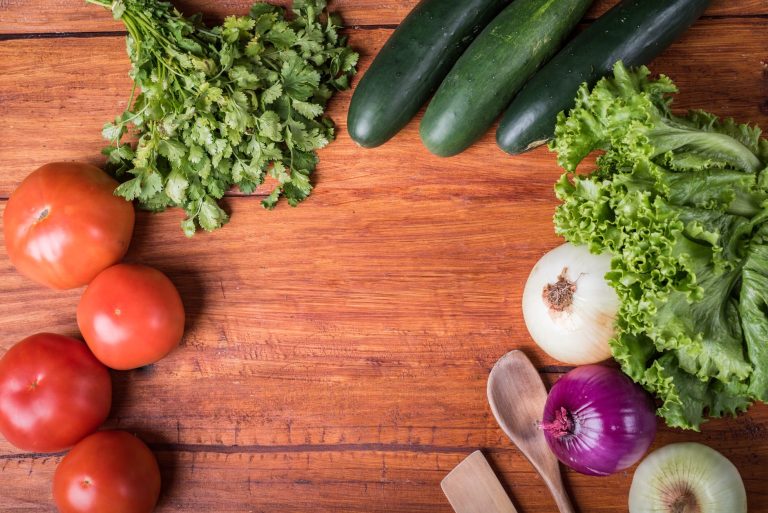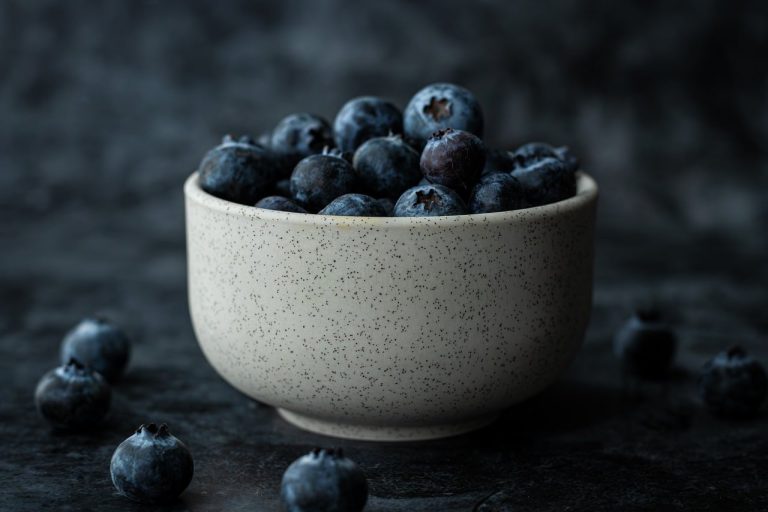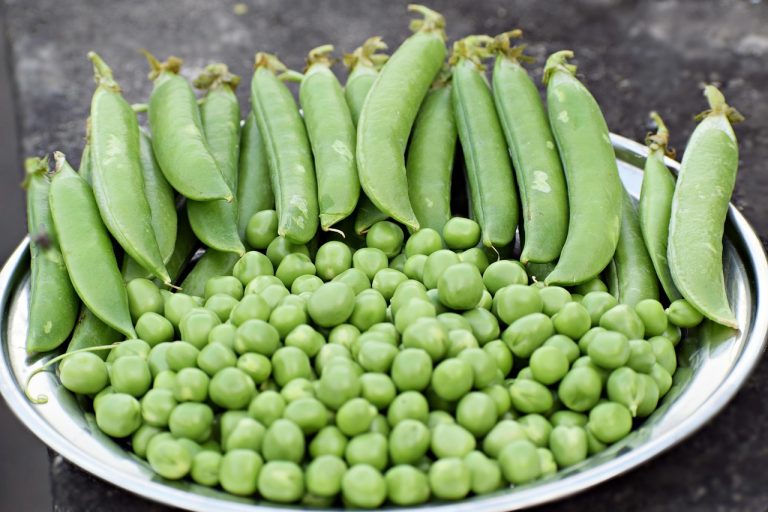


Photo by I Love Egg on Openverse
When people talk about healthy living, they often focus on calories, workouts, or the latest nutrition trend. But one of the most powerful factors behind energy, digestion, appetite control, and even long-term weight loss is much quieter: gut health. The food you eat every day shapes the balance of bacteria in your digestive system, influences how well you absorb nutrients, and can affect how you feel from morning to night. That is why organic food has become such an important part of a modern clean eating approach.
Could the simplest shift in your diet be the one that helps you feel lighter, less bloated, and more in control of your cravings? For many people, the answer is yes. Choosing organic food does not magically fix everything, but it can reduce exposure to pesticides, support a more nutrient-dense plate, and encourage a cleaner, more intentional way of eating. In other words, it is not just about what is removed from your diet. It is also about what you gain: better nutrition, improved digestion, and a more sustainable healthy lifestyle.
This article explores how organic foods can support gut health, why your microbiome matters for weight loss, and how to build a clean eating routine that feels realistic rather than restrictive. If you have been looking for a natural, nourishing way to improve digestion and create lasting results, this is a smart place to start.
Why Gut Health Matters More Than Most People Realize
Your gut is far more than a digestive tube. It is a complex ecosystem that affects immunity, metabolism, mental clarity, and how efficiently your body uses food. Inside the digestive tract live trillions of microorganisms, many of which help break down fiber, produce beneficial compounds, and keep harmful bacteria under control. When this system is balanced, you are more likely to experience regular digestion, stable energy, and fewer food-related discomforts.
When gut health is disrupted, however, the effects can show up everywhere. Bloating, sluggish digestion, unpredictable hunger, skin issues, and low energy are all common signs that the gut may not be working as well as it should. Some people even notice a connection between digestive issues and stubborn weight gain. That is because gut balance can influence appetite hormones, nutrient absorption, and inflammation levels.
Ask yourself: if your body is not digesting food efficiently, can you truly get the full benefit of your nutrition? The answer is likely no. That is why a healthy diet should never focus only on calories. It should also support the digestive system that makes healthy eating effective.
How Organic Food Fits Into a Gut-Friendly Lifestyle
Organic food is grown and produced using standards that limit synthetic pesticides, genetically modified ingredients, and many artificial processing aids. While the word organic is often associated with premium pricing, the true value goes deeper than label appeal. A thoughtful organic diet can support clean eating by emphasizing whole foods, fewer additives, and higher-quality ingredients that are easier to incorporate into a balanced routine.
For gut health, this matters in several ways. First, reducing your exposure to certain chemical residues may help create a more supportive internal environment for digestion. Second, organic foods often come in forms that are less processed and closer to their natural state. That usually means more fiber, more micronutrients, and fewer ingredients that can irritate sensitive systems.
Third, clean eating built around organic food tends to naturally crowd out ultra-processed meals. Those foods often contain excess sugar, refined oils, artificial flavors, and emulsifiers that can work against a healthy microbiome. If your goal is better digestion and healthier weight control, that shift can be more valuable than any short-lived detox diet promising a fast fix.
What makes organic eating different?
Organic eating is not about perfection. It is about choosing foods that are more likely to support your body in a gentle, nourishing way. Instead of focusing on restrictions, it emphasizes quality. Think fresh vegetables, fruit, whole grains, legumes, nuts, seeds, plain yogurt, fermented foods, and minimally processed proteins. These are the foods that help your digestive system do its job with less strain.
This does not mean every item in your kitchen needs to be certified organic. It means building a pattern of eating that prioritizes cleaner ingredients and fewer unnecessary additives. Over time, that pattern can feel easier to maintain than a strict plan built around deprivation.
The Gut-Weight Loss Connection
Weight loss is often presented as a matter of willpower, but the reality is more nuanced. Digestion, hunger regulation, blood sugar balance, and inflammation all play a role in how easily your body loses or stores weight. A healthier gut can make these processes more efficient, which is why people often feel better and lighter when their digestive health improves.
The microbiome can influence how much energy you extract from food, how satisfied you feel after meals, and even how your body responds to certain carbs and fats. Some gut bacteria are associated with better metabolic health, while an imbalanced gut may contribute to stronger cravings and more frequent digestive discomfort. If you are trying to lose weight, this means your meal choices matter far beyond the number on the scale.
Organic food can support this process because it often encourages a higher intake of fiber-rich plants and a lower intake of processed ingredients. That combination supports healthy bowel movements, feeds beneficial bacteria, and may help reduce the urge to snack mindlessly between meals. When your digestion is working well, you often feel more satisfied with less food. Isn’t that the kind of weight loss strategy most people are hoping to find?
How digestion affects appetite
When your body digests food more slowly and steadily, you are more likely to feel full in a balanced way. Fiber-rich organic vegetables, legumes, berries, and seeds help slow digestion and support stable blood sugar. That can reduce the sudden hunger spikes that lead to overeating. On the other hand, diets centered on highly processed foods may leave you hungry again within an hour or two, even after a large meal.
Better digestion also helps reduce bloating, which can make weight management feel more achievable. Sometimes the first visible change people notice is not fat loss but less abdominal discomfort and a flatter, calmer stomach. That kind of progress can be motivating because it reminds you that your healthy lifestyle choices are working.
Best Organic Foods for a Healthy Gut
To build a gut-friendly clean eating plan, focus on organic foods that nourish beneficial bacteria while supporting smooth digestion. The best choices are often simple, colorful, and easy to prepare. Rather than chasing complicated superfood trends, start with a solid foundation of whole foods that your body already knows how to use.
1. Organic leafy greens
Spinach, kale, arugula, and romaine are rich in fiber, magnesium, folate, and plant compounds that support overall nutrition. They are also easy to add to smoothies, salads, soups, and sautés. Leafy greens help feed the gut microbiome and keep meals feeling fresh and light. If you are trying to improve digestion, start by adding greens to at least one meal a day.
2. Organic berries
Blueberries, raspberries, blackberries, and strawberries are some of the best foods for a gut-friendly healthy diet. They are packed with antioxidants and fiber, which help support beneficial bacteria and reduce oxidative stress. Because berries are naturally sweet, they can also help satisfy dessert cravings without relying on processed sugar.
3. Organic apples and pears
These fruits are rich in soluble fiber, which helps slow digestion and supports regularity. They also make convenient snacks that pair well with nut butter or plain yogurt. If you are looking for a simple organic food that supports both digestion and appetite control, apples and pears are excellent choices.
4. Organic fermented foods
Plain yogurt, kefir, sauerkraut, kimchi, and miso can provide live cultures that may support microbiome diversity. Fermented foods are especially helpful if your diet has been low in naturally occurring probiotics. Start slowly, though. If your digestion is sensitive, small servings are usually better than a sudden large portion.
5. Organic oats and whole grains
Oats, quinoa, brown rice, and barley can be excellent sources of fiber and sustained energy. They help regulate digestion without the crash that often comes from refined grains. A bowl of oatmeal with berries and seeds can be a powerful breakfast for clean eating and weight loss because it keeps you full longer.
6. Organic legumes
Lentils, chickpeas, black beans, and kidney beans are among the most affordable gut-supporting foods you can eat. They contain resistant starch and fiber that nourish beneficial gut bacteria. If beans cause bloating at first, begin with smaller portions and rinse canned organic beans thoroughly before cooking.
7. Organic seeds and nuts
Chia seeds, flaxseeds, pumpkin seeds, almonds, and walnuts offer healthy fats, fiber, and minerals that support digestion and satiety. Flax and chia are especially useful because they absorb water and help create a gentle, supportive texture in the digestive tract. Add them to smoothies, oatmeal, salads, or yogurt bowls.
8. Organic root vegetables
Carrots, beets, sweet potatoes, and squash are comforting, nutrient-dense options that work well in both warm and cool meals. They provide slow-digesting carbohydrates and fiber that help keep energy stable. Roasted root vegetables can be a satisfying part of a detox diet or a balanced healthy lifestyle plan.
Foods That Can Work Against Gut Health
A gut-friendly organic food plan is not only about what to add. It is also about understanding which foods may be undermining your progress. Many people unknowingly eat a diet that looks normal on the surface but creates digestive stress in the background.
Highly processed snacks, sugary beverages, refined white bread, fried fast food, and heavily sweetened packaged items can all disrupt the balance of your microbiome. These foods are often low in fiber and high in ingredients that promote inflammation or sudden blood sugar spikes. Over time, that can lead to more cravings, irregular digestion, and more difficulty managing weight.
That does not mean you can never enjoy treats. It means being honest about how your body feels after certain foods. Do you feel energized and comfortable, or heavy and sluggish? Clean eating is most effective when it responds to your real experience, not just to trends or rules.
Common gut irritants to limit
- Ultra-processed snack foods with long ingredient lists
- Sugary drinks and energy drinks
- Excess alcohol, especially when consumed frequently
- Artificial sweeteners that may upset sensitive digestion
- Fried foods made with low-quality oils
- Packaged desserts high in refined flour and sugar
If you remove or reduce these items and replace them with organic food, you may notice improvements in energy and digestion within days or weeks. The shift is often subtle at first, but it can build into meaningful results.
How to Build a Clean Eating Plate for Better Digestion
A healthy plate does not have to be complicated. In fact, the best clean eating meals are often the simplest. A balanced plate should combine fiber, protein, healthy fats, and color. That formula helps support digestion, reduces overeating, and gives your body steady nourishment.
Use this easy structure when planning meals:
- Half the plate: organic vegetables or salad greens
- One quarter of the plate: organic protein such as eggs, fish, tofu, beans, or yogurt
- One quarter of the plate: whole grains or starchy vegetables
- Add healthy fats: olive oil, avocado, seeds, or nuts
This kind of balance helps support blood sugar control and can reduce digestive overload. A plate loaded with refined carbohydrates may leave you hungry again too soon, while a thoughtfully built meal can support both satisfaction and weight loss.
[IMAGE: organic vegetables]
Imagine a plate full of bright greens, deep purple cabbage, golden carrots, and roasted squash. That kind of meal does more than look beautiful. It delivers fiber, vitamins, minerals, and plant compounds that nourish the gut from the inside out. When your meals look this colorful, you are much more likely to feel inspired to stick with your healthy lifestyle.
Sample Organic Meals That Support Gut Health
If you want clean eating to last, your meals need to be practical. The best diet is the one you can repeat without getting bored or overwhelmed. These meal ideas are simple, flexible, and rooted in real-world nutrition.
Breakfast ideas
- Organic oatmeal with blueberries, chia seeds, and cinnamon
- Greek yogurt with raspberries, flaxseed, and walnuts
- Vegetable omelet with spinach, mushrooms, and avocado
- Smoothie with kefir, banana, kale, and almond butter
Breakfast is an ideal time to add fiber and probiotics. A gut-friendly morning meal can help stabilize hunger and prevent mid-morning crashes that lead to snacking.
Lunch ideas
- Quinoa bowl with roasted vegetables, chickpeas, and tahini dressing
- Mixed green salad with salmon, cucumber, beets, and pumpkin seeds
- Lentil soup with carrots, celery, and herbs
- Brown rice wrap with hummus, spinach, and grilled vegetables
Lunch should leave you energized, not sleepy. Meals with organic vegetables and balanced protein help maintain focus and support digestion through the afternoon.
Dinner ideas
- Baked cod with sweet potato and steamed broccoli
- Organic chicken with cauliflower rice and sautéed greens
- Tofu stir-fry with cabbage, ginger, and sesame seeds
- Turkey and bean chili with herbs and tomatoes
At dinner, choose meals that are satisfying but not overly heavy. A lighter, nutrient-dense plate can help your body rest and digest more comfortably overnight.
Snack ideas
- Apple slices with almond butter
- Plain yogurt with berries
- Carrot sticks with hummus
- Pumpkin seeds and a handful of walnuts
- Fermented vegetables in small portions
Smart snacks can prevent overeating at meals and reduce sugar cravings. They also give you a chance to add more gut-supporting foods throughout the day.
Why Organic Food Can Support Sustainable Weight Loss
Weight loss becomes easier to sustain when the body feels nourished, not deprived. Organic food supports that mindset because it often leads to meals that are more satisfying, more colorful, and less processed. That means you are less likely to fall into the cycle of restriction, rebound cravings, and guilt.
There is also a psychological advantage. When people invest in higher-quality ingredients, they often become more mindful about what they eat. A healthier meal feels intentional. That intention can lead to better decisions at the next meal, and then the next. Over time, this creates momentum.
Organic foods are not a shortcut, and they are not a guarantee of fat loss. But they can support a more stable relationship with food. That matters because long-term weight loss is usually less about a dramatic cleanse and more about a steady pattern of balanced nutrition, digestion, and consistency.
What real weight loss looks like
Real progress may look like smaller waist measurements, fewer cravings, more regular digestion, better sleep, and steadier energy. It may also look like being able to enjoy meals without feeling out of control afterward. These are the everyday signs that your diet is actually supporting your body.
A detox diet might promise rapid changes, but a gut-friendly organic food plan aims for results that last. Ask yourself which approach you would rather repeat for months or even years. The answer usually points toward a sustainable healthy lifestyle rather than a temporary fix.
How to Start a Gut-Friendly Organic Routine Without Feeling Overwhelmed
People often give up on clean eating because they try to change everything at once. A better approach is gradual and realistic. Start with small, manageable upgrades that improve nutrition without making daily life harder.
Begin with one meal
Instead of overhauling your entire diet, choose one meal to improve. Breakfast is often the easiest place to begin because it sets the tone for the day. Replace a sugary pastry or refined cereal with oats, eggs, yogurt, fruit, or a smoothie with fiber and protein.
Swap one processed item each week
Each week, replace one packaged food with a whole organic alternative. For example, trade chips for nuts, soda for sparkling water with lemon, or white bread for whole grain bread. These small changes add up quickly.
Keep your kitchen prepared
A healthy diet is easier when your environment supports it. Wash greens in advance, cook grains ahead of time, and keep healthy snacks visible. If your fridge is stocked with organic vegetables, yogurt, fruit, and simple proteins, you are far more likely to make better choices when hunger hits.
Listen to your body
Pay attention to how foods make you feel. Does a certain meal leave you bloated? Does another keep you full and focused for hours? This feedback is valuable. Good nutrition is not only about nutrients on paper. It is about how your body responds in real life.
Common Organic Diet Mistakes to Avoid
Even with the best intentions, people can make mistakes that limit results. If you want better digestion and healthier weight loss, avoid these common pitfalls.
- Assuming organic automatically means healthy: Organic cookies are still cookies. The label matters, but the overall food quality matters more.
- Eating too little fiber: A gut-friendly diet needs plants, not just organic packaged items.
- Overdoing fruit juices or smoothies: They can become sugar-heavy if not balanced with fiber and protein.
- Ignoring protein: Protein supports satiety and muscle maintenance, both important for weight loss.
- Trying to be perfect: Clean eating is a pattern, not a punishment.
One of the biggest mistakes is turning healthy eating into a rigid identity. A flexible, consistent approach is usually more effective than a strict plan that cannot survive a busy week or a social dinner.
Does Organic Food Help Digestion Immediately?
Some people feel better quickly after cleaning up their diet, while others notice gradual changes over time. The answer depends on your starting point, your current gut health, and how much processed food you were eating before. If your diet was heavy in sugar, fried food, or artificial ingredients, the switch to organic, whole foods may bring noticeable relief fairly quickly.
Still, good digestion is usually built through consistency. The gut microbiome changes as your eating patterns change. That means the benefits of organic food often become more pronounced after several weeks of steady habits. Think of it as a long-term investment in nutrition rather than a quick reset.
For best results, combine organic food with hydration, regular movement, sufficient sleep, and stress management. The gut responds to lifestyle as much as it responds to food.
Hydration, Movement, and Stress: The Missing Pieces
Healthy digestion is not created by food alone. Water helps move fiber through the digestive tract and supports nutrient transport. Movement helps keep the intestines active. Stress, on the other hand, can slow digestion or trigger uncomfortable symptoms.
This is why a healthy lifestyle should include simple habits beyond the kitchen. A short walk after meals, regular stretching, and enough water throughout the day can all make your organic diet more effective. Sleep also matters because poor sleep is linked to increased hunger and reduced metabolic efficiency.
And what about stress? Many people notice their digestion feels worse during busy or emotionally difficult periods. Breathing exercises, quiet time, and realistic planning can help your body shift out of a constant state of tension. If the goal is lasting weight loss and better gut health, stress reduction is not optional. It is part of the plan.
[IMAGE: healthy meal]
A balanced bowl with roasted organic vegetables, grains, greens, and a source of protein tells a powerful story: healthy food can be beautiful, satisfying, and deeply practical. Meals like this are not meant to feel like diet food. They are meant to feel like real nourishment, the kind that supports digestion and keeps your day on track.
How to Make This Approach Work in Real Life
The biggest challenge with any nutrition plan is consistency. A gut-friendly organic food routine only works if it fits your life. That means choosing foods you like, recipes you can repeat, and habits that do not require complicated tracking or constant stress. Simplicity is a strength.
Try this framework for a week:
- Choose one organic breakfast you can repeat easily
- Plan two lunch options and rotate them
- Prepare one big batch of vegetables or grains
- Keep three healthy snacks on hand
- Drink water before each meal
- Take a 10 to 15 minute walk after dinner when possible
This kind of structure can turn a vague healthy diet idea into an actual routine. The more automatic it becomes, the less willpower you need.
Meal prep without burnout
Meal prep does not have to mean spending your entire Sunday cooking. You can keep it simple by preparing individual ingredients rather than full meals. Roast a tray of vegetables, cook a grain, wash greens, and make one sauce or dressing. With just those basics, you can assemble a different meal each day without much effort.
This is especially useful if your schedule is busy. A clean eating plan should make life easier, not harder. If your meals are ready to go, you are more likely to avoid impulsive convenience foods that work against gut health.
When to Pay Attention to Your Body’s Signals
Your body gives clues when something is not working. If you notice frequent bloating, discomfort after meals, irregular bowel movements, or persistent fatigue, it may be time to simplify your diet and look more closely at how food affects you. These symptoms do not always mean something is seriously wrong, but they do suggest that your nutrition plan may need adjustment.
In some cases, the issue may be a food sensitivity, an imbalance in fiber intake, or a pattern of eating that is simply too processed to support digestion well. A better balance of organic food, hydration, and whole ingredients may help. If symptoms are severe or persistent, professional guidance is important. Gut health is personal, and the right plan should reflect your unique needs.
Listening to your body is one of the most underrated nutrition skills. The more you pay attention, the easier it becomes to build a healthy diet that actually feels good.
Why Clean Eating Often Leads to Better Energy
Many people start with weight loss and end up staying with clean eating because of how much better they feel. Stable energy is one of the first benefits people notice when they replace processed meals with organic food. That happens because fiber, protein, and healthy fats help prevent blood sugar spikes and crashes.
Instead of feeling foggy after lunch, you may feel focused. Instead of needing sugar to get through the afternoon, you may feel satisfied. This is especially true when meals include gut-friendly foods that digest well and support balanced nutrition. A body that feels supported is more likely to move more, rest better, and recover better from stress.
Energy is often the hidden marker of a healthy lifestyle. If your food choices help you feel alert, calm, and strong, that is a sign your body is responding well.
Building a Long-Term Relationship With Organic Food
One of the best reasons to choose organic food is that it can help you develop a more thoughtful relationship with eating. Instead of viewing food as something to control, you begin to see it as something that supports daily function. That shift in perspective matters. It changes the way you shop, cook, and even think about meals.
When your grocery cart is filled with vegetables, fruit, grains, beans, seeds, and simple proteins, you are building a nutrition foundation that supports both gut health and weight management. Over time, this foundation can make healthy eating feel less like a temporary project and more like your natural way of living.
Is that not the real goal? Not a perfect week, but a better pattern. Not a quick detox diet followed by burnout, but a sustainable routine that helps you feel well, eat well, and move through life with more confidence.
[IMAGE: fitness lifestyle]
Organic food, clean eating, and movement belong together because they all support the same outcome: a body that functions well and feels energized. A walk, a workout, or even a simple stretch break can reinforce the effects of a gut-friendly diet. Healthy habits work best as a team, not as isolated tasks.
Small Changes That Create Big Results
If you want to improve digestion and support weight loss, start with the habits that are easiest to repeat. Add one more serving of vegetables. Replace one processed snack. Eat more slowly. Drink more water. Choose organic food when you can, especially for the foods you eat most often. These small changes may seem modest, but they often create the biggest long-term impact.
There is no need to wait for a Monday, a new month, or a perfect moment. A healthier gut and a cleaner plate can begin with the very next meal. The most effective healthy diet is not the strictest one. It is the one that you can actually maintain while living your life. And when that diet is built on organic food, balanced nutrition, and practical clean eating habits, it becomes much easier to stay consistent, feel lighter, and protect the kind of health that lasts.
About the Author