
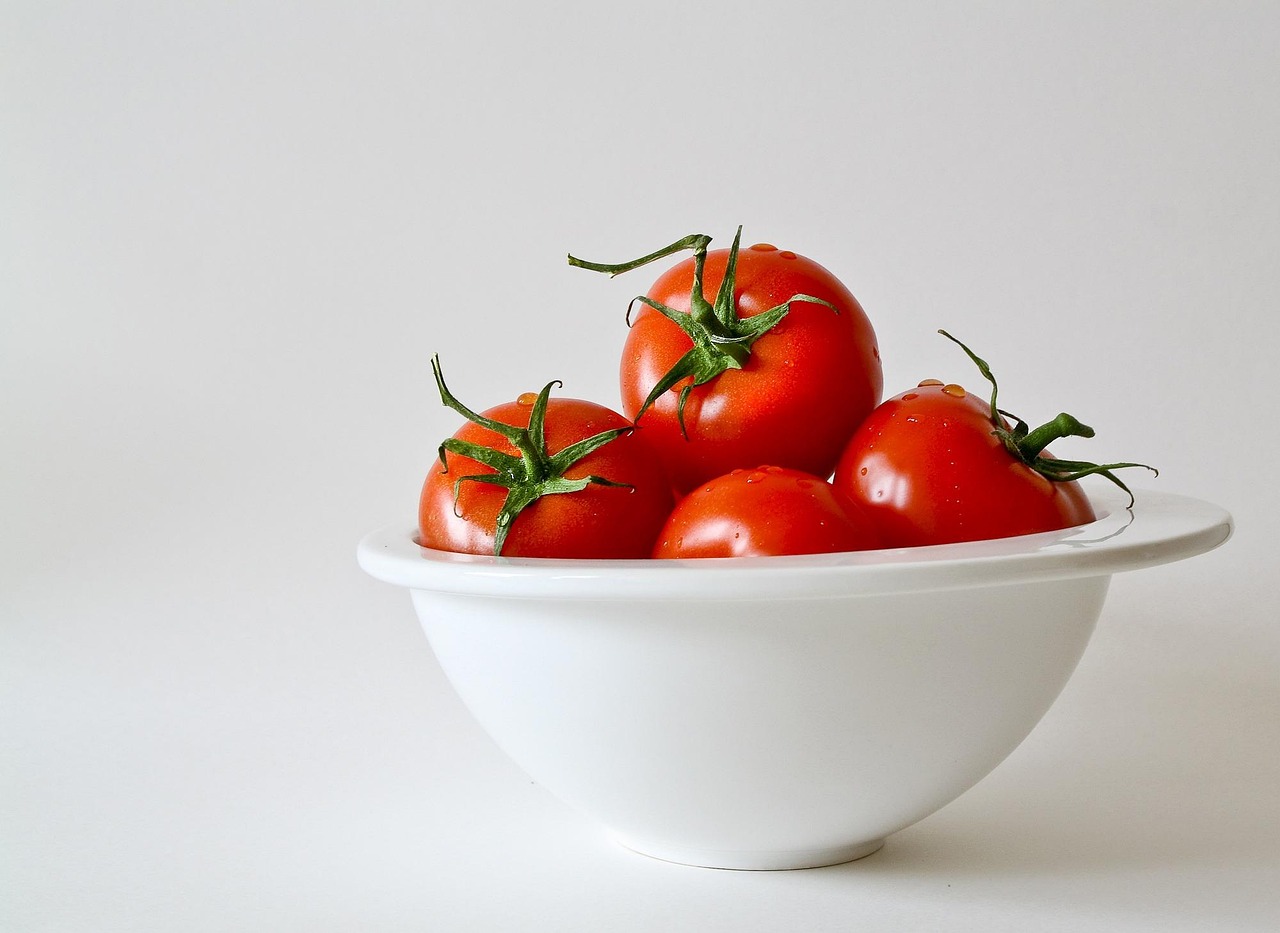
Photo by Anelka on Pixabay
If you have ever tried to lose weight while feeling hungry, deprived, and mentally exhausted, you already know the problem is not just calories. It is the quality of the food on your plate, the consistency of your habits, and the way your meals support your energy, digestion, and mood. That is where organic food can make a meaningful difference. A well-planned organic food routine is not a magic shortcut, but it can be a smarter, cleaner, and more sustainable way to support weight loss without falling into the trap of extreme dieting.
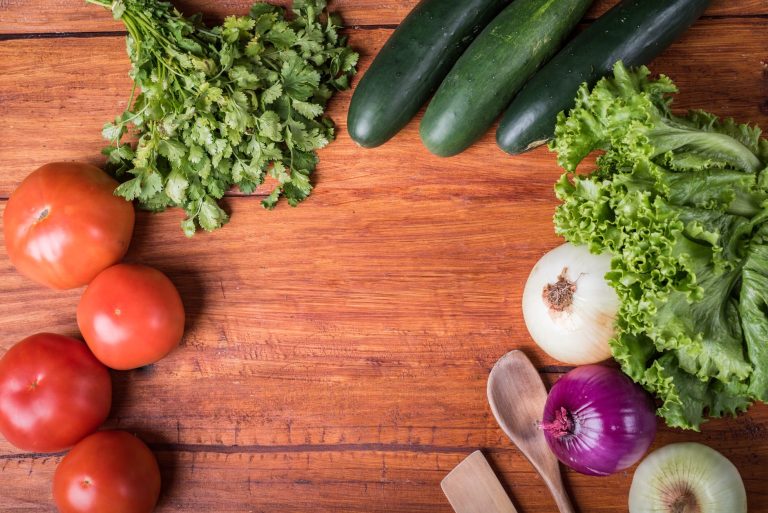
People often ask a simple but important question: can organic food really help with weight loss? The honest answer is yes, indirectly and powerfully, when it is used as part of a healthy diet built around clean eating, balanced nutrition, and steady habits. Organic vegetables, fruits, proteins, and whole foods tend to make it easier to reduce ultra-processed ingredients, stabilize appetite, and create meals that actually satisfy you. Instead of chasing a quick detox diet or skipping meals, you can build a healthy lifestyle that feels more natural and easier to maintain. [IMAGE: organic vegetables]
This article breaks down the best organic foods for weight loss, how to use them in real life, and what to avoid if you want results that last. Whether you are starting fresh, refining your clean eating routine, or simply looking for smarter food choices that support a leaner body, the goal is the same: eat well, feel energized, and make progress without burnout. Why make healthy eating harder than it needs to be?
Why Organic Food Can Support Weight Loss
Weight loss happens when your body consistently uses more energy than it stores, but the way you reach that balance matters. A diet built on organic food often naturally shifts you toward nutrient-dense meals, higher fiber intake, and fewer artificial additives. That combination can make a real difference in hunger control, cravings, and overall nutrition.
Organic food is not automatically low-calorie, and it is not a guarantee of fat loss. A bag of organic chips is still a snack, not a health food. Still, when people switch from processed convenience foods to cleaner organic ingredients, they often consume fewer empty calories and feel more in control of their appetite. That is why organic eating is so closely linked with clean eating and long-term healthy lifestyle habits.
The hidden advantage of cleaner ingredients
One of the biggest challenges in weight loss is not willpower; it is food engineering. Many packaged foods are designed to make you eat more, not stop sooner. Organic whole foods are usually less manipulated, which means they are easier to portion, easier to digest, and easier to build into balanced meals. When your meals contain real ingredients with recognizable textures and flavors, your body tends to register fullness more effectively.
Ask yourself this: after a large bowl of vegetables, lean protein, and healthy fats, do you still feel the same urge to keep snacking? For many people, the answer is no. Clean eating works because it gives the body signals it can understand.
Nutrition quality matters more than trend dieting
Fad diets often focus on restriction, but your body responds better to nourishment. Organic food can help you move away from a cycle of starving, binging, and guilt because it supports better meal quality. Fresh produce, fiber-rich grains, and minimally processed proteins provide vitamins and minerals that help maintain energy and support exercise recovery. That matters when you are trying to lose weight while staying active and mentally sharp.
The Best Organic Foods for Weight Loss
When people think about weight loss, they often imagine a list of forbidden foods. A better strategy is to build a list of foods that help you feel full, hydrated, and satisfied. The best organic foods for weight loss are the ones that offer volume, fiber, protein, and slow-burning energy without unnecessary additives.
1. Leafy greens
Organic spinach, kale, arugula, and romaine are foundational foods for any healthy diet. They are low in calories, rich in fiber, and packed with micronutrients. Leafy greens can bulk up a salad, smooth out a blended drink, or form the base of a warm grain bowl without adding excess energy.
Try using them in simple ways:
- Build a salad with mixed greens, cucumber, avocado, and grilled chicken.
- Fold spinach into omelets or scrambles.
- Add kale to soups for extra volume and nutrition.
Because leafy greens are so versatile, they make it easier to stay consistent. And consistency is what drives weight loss, not perfection.
2. Cruciferous vegetables
Broccoli, cauliflower, Brussels sprouts, and cabbage are among the best organic vegetables for clean eating. They are filling, nutrient-dense, and naturally low in calories. Their fiber content can help support digestion, while their satisfying texture makes them ideal for meals that feel substantial.
Looking for a simple dinner that supports your goals? Roast organic broccoli with olive oil, garlic, and herbs, then pair it with a lean protein source. That kind of plate is satisfying without being heavy, which is exactly what you want during a weight loss phase.
3. Berries
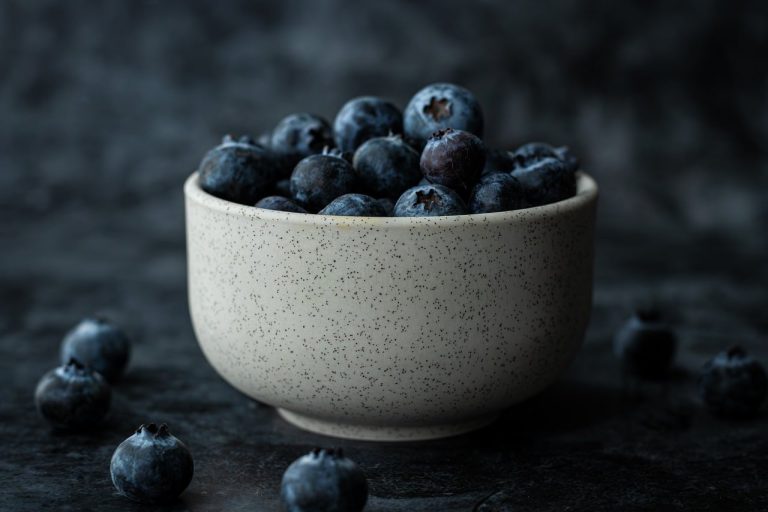
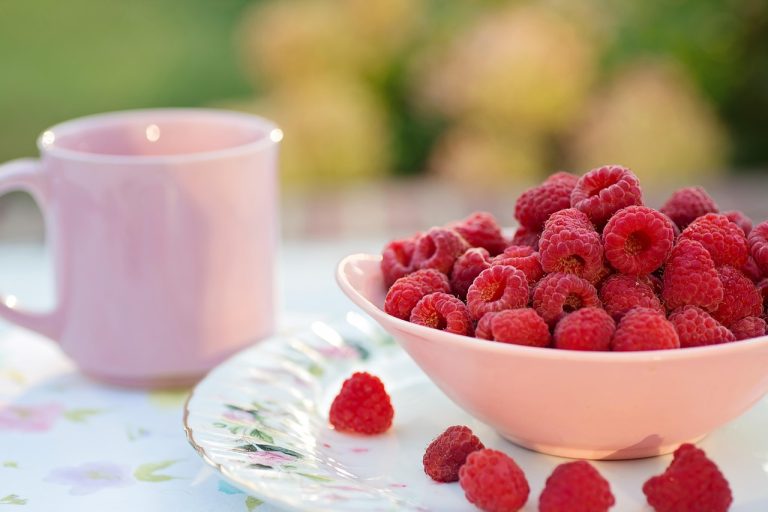
Organic berries are a smart choice when you want something sweet without the sugar crash. Blueberries, raspberries, blackberries, and strawberries deliver antioxidants, fiber, and a refreshing taste that helps reduce cravings for processed desserts. Because berries have a lower sugar load than many fruits, they fit well into a clean eating plan.
Use them to:
- Top Greek yogurt or cottage cheese.
- Mix into oatmeal or chia pudding.
- Snack on them with nuts for a balanced mini-meal.
If you often crave sweets in the afternoon, berries can be a helpful bridge between restraint and satisfaction.
4. Apples and pears
Organic apples and pears are portable, affordable, and high in fiber. They are excellent for weight loss because they help you feel full while providing a naturally sweet flavor. An apple with nut butter or a pear with a handful of almonds can keep hunger under control better than a refined snack bar.
These fruits are especially useful when you need a fast option between meetings, errands, or workouts. Healthy eating becomes much easier when your pantry and bag both contain reliable choices.
5. Eggs
Organic eggs remain one of the most practical protein sources for a healthy lifestyle. They are filling, easy to prepare, and versatile enough for breakfast, lunch, or dinner. Protein is essential for weight loss because it supports satiety and helps preserve lean muscle mass, especially if you are exercising regularly.
Ideas for using eggs:
- Make a vegetable omelet with tomatoes, spinach, and mushrooms.
- Prepare hard-boiled eggs for a grab-and-go snack.
- Use poached eggs over avocado toast on whole-grain bread.
When a meal keeps you full for hours, you are less likely to graze mindlessly later.
6. Greek yogurt or plain organic yogurt
High-protein yogurt can be a smart part of a weight loss plan, especially when you choose plain versions without added sugar. Organic yogurt can support a healthy gut, and a healthy gut often plays a bigger role in appetite regulation than people realize. Pair it with berries, chia seeds, or cinnamon for flavor without excess calories.
For many people, yogurt becomes a successful breakfast or snack because it feels indulgent while still fitting into a clean eating pattern.
7. Oats
Organic oats provide soluble fiber, which can support fullness and help steady energy levels through the morning. If you are trying to lose weight, a breakfast that keeps you satisfied is worth far more than a pastry that disappears in ten minutes and leaves you hungry again by 10 a.m.
Choose plain oats and build them with smarter toppings:
- Chia seeds for fiber.
- Berries for natural sweetness.
- Nut butter for satiety.
- Cinnamon for flavor without added sugar.
8. Beans and lentils
Organic beans and lentils are weight loss friendly because they combine protein, fiber, and slow-digesting carbohydrates. They are inexpensive, filling, and perfect for batch cooking. When people struggle with hunger on a diet, it is often because they are not eating enough fiber-rich whole foods.
Beans and lentils can transform a meal from light to satisfying. Add them to soups, salads, wraps, or grain bowls for a balanced plate that supports stable energy.
9. Salmon and other lean proteins
Organic or responsibly sourced salmon, along with other lean proteins such as chicken breast and turkey, can be valuable in a weight loss plan. Protein helps reduce appetite and supports muscle repair after exercise. Healthy fats from salmon also contribute to a fuller feeling after meals.
If you enjoy seafood, salmon with roasted vegetables and quinoa can be a simple, elegant meal that fits a clean eating approach. If you do not eat fish, lean poultry and plant proteins can serve a similar role.
10. Avocados
Avocados are calorie-dense, but they are also one of the most useful organic foods for weight loss when used in the right portion. Their fiber and healthy fats can improve meal satisfaction and help slow digestion. That means a smaller serving can make a plate feel complete.
Use avocado strategically:
- Spread a thin layer on whole-grain toast.
- Slice it into salads.
- Blend it into smoothies for creaminess.
Portion control matters, but so does satisfaction. If a small amount of avocado helps you avoid later snacking, it may be worth it.
11. Cucumbers and zucchini
Hydrating vegetables like cucumbers and zucchini are ideal for anyone trying to feel lighter and more refreshed. They add volume to meals with very few calories, making them useful in salads, stir-fries, and noodle alternatives. Organic food choices like these can make a detox diet feel less extreme and more practical.
Spiralized zucchini, for example, can replace heavier pasta on some nights without making dinner feel boring. That is the kind of swap that supports long-term success.
12. Chia seeds and flaxseeds
These tiny seeds are nutrient powerhouses. They offer fiber, healthy fats, and a texture that works beautifully in puddings, smoothies, and yogurt bowls. Because they absorb liquid and expand, chia seeds can help a meal feel more filling than its size suggests.
They are especially helpful for people who get hungry between meals or who want a clean eating snack that feels more substantial than fruit alone.
13. Sweet potatoes
Organic sweet potatoes are a satisfying carbohydrate that many people overlook during weight loss. Unlike refined carbs, they provide fiber and a slower energy release. That can help reduce blood sugar spikes and the cravings that often follow them.
Roast sweet potatoes with herbs, mash them as a side dish, or cube them into breakfast bowls with eggs and greens. Balance is the key: carbs are not the enemy, but they work best when paired with protein and vegetables.
14. Herbs and spices
It may sound surprising, but herbs and spices play a quiet role in weight loss success. Organic cinnamon, turmeric, ginger, parsley, basil, and cumin add flavor so your meals do not feel bland. If healthy food tastes exciting, you are far more likely to stick with it.
Flavor matters because monotony causes relapse. A clean eating diet that tastes good is easier to maintain than one that feels like a punishment.
15. Green tea and natural beverages
Green tea, herbal teas, and naturally flavored water can support hydration and make it easier to reduce sugary drinks. While no beverage burns fat on its own, replacing high-calorie drinks with cleaner options may improve your overall nutrition and help reduce daily energy intake.
Ask yourself honestly: how many calories are hiding in your latte, juice, soda, or sweetened tea? Sometimes the easiest weight loss win starts with what is in your glass.
How to Build a Clean Eating Plate That Supports Fat Loss
One of the biggest mistakes in weight loss is focusing on individual foods while ignoring the structure of the meal. A smart clean eating plate combines protein, fiber, and healthy fats so you stay satisfied long enough to move through your day without constant snacking.
A simple formula works well for most people:
- Half the plate: organic vegetables, especially leafy greens and cruciferous vegetables.
- One quarter: lean protein such as eggs, chicken, fish, tofu, or beans.
- One quarter: smart carbohydrates like oats, quinoa, brown rice, or sweet potatoes.
- Small addition: healthy fats such as avocado, seeds, nuts, or olive oil.
This structure helps you avoid the all-too-common trap of eating a meal that is technically
About the Author