

Photo by Blue Bird on Pexels
If you have ever tried to eat better, lose weight, or simply feel less sluggish after meals, you already know that food is not only about calories. It is about how your body responds, how steady your energy feels, and how comfortably you digest what you eat. That is why organic food has become such an important part of the modern healthy diet conversation. For people who care about clean eating, sustainable nutrition, and a balanced healthy lifestyle, the choice to eat more organic meals can feel less like a trend and more like a reset.
When organic food is used well, it can do more than fill your plate. It can help you build a calmer relationship with food, support digestion, and make weight loss feel more natural rather than forced. It can also make a detox diet safer and more realistic, because the focus shifts away from extreme restriction and toward nourishing, whole ingredients that the body can actually use. Have you noticed how some meals leave you energized while others leave you bloated, sleepy, or hungry an hour later? Those patterns matter, and they often reveal more about your nutrition than the number on the scale ever could.
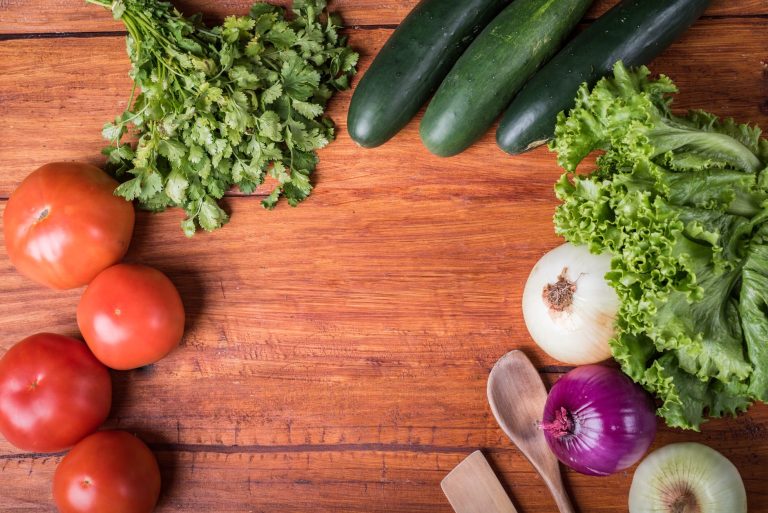
[IMAGE: organic vegetables]
Why Gut Health Changes Everything
Gut health is one of the most overlooked foundations of weight loss and long-term wellness. Your digestive system is not simply a tube that processes food. It is a complex environment that helps absorb nutrients, regulate appetite, influence immunity, and even shape mood. When digestion is strong, you are more likely to feel satisfied after meals, maintain stable energy, and stay consistent with clean eating. When digestion is off, even healthy meals can feel heavy.
Think about the last time you felt bloated after eating a very large salad, or tired after a supposedly healthy snack. The issue may not have been the food itself. It may have been the balance of fiber, protein, fat, hydration, and food quality. A healthy diet is not about eating more food. It is about eating the right combination of foods for your body.
How the microbiome influences appetite and weight loss
The gut microbiome is made up of trillions of bacteria that live in your digestive tract. Some of these microbes support digestion, while others can work against it when your diet is too low in fiber, too high in ultra-processed foods, or too repetitive. Research continues to show that a healthy microbiome is associated with better metabolic health, improved satiety, and more stable blood sugar. That matters because appetite control is one of the biggest challenges in weight loss.
When your gut bacteria are well-fed with fiber-rich organic food, they produce short-chain fatty acids that help nourish the intestinal lining and support healthy inflammation levels. In practical terms, that means your meals may leave you feeling fuller, calmer, and less likely to reach for random snacks. Who would not want that kind of support from their food?
What poor digestion can look like in everyday life
People often think digestive problems are dramatic, but many of the signs are subtle. You may notice brain fog after lunch, stronger sugar cravings in the afternoon, bloating after dinner, or a feeling that your meals never quite satisfy you. Over time, those symptoms can make healthy eating feel harder than it should be. Instead of trusting your hunger and fullness signals, you begin second-guessing every bite.
That is why gut-friendly nutrition deserves a place in every clean eating strategy. If your digestion is supported, healthy habits become easier to maintain. If it is not, even the best weight loss plan may feel like an uphill climb.
Why Organic Food Is a Smart Choice for Clean Eating
Organic food is not a magic solution, and no serious nutrition expert would claim otherwise. But for many people, it offers a cleaner starting point. Organic farming standards generally limit synthetic pesticides, prohibit most artificial fertilizers, and avoid genetically modified ingredients in certified products. That can matter for anyone trying to reduce unnecessary chemical exposure while focusing on whole, nutrient-dense meals.
In a healthy lifestyle routine, the goal is not perfection. It is consistency. Choosing organic food for the ingredients you eat most often, such as leafy greens, berries, apples, dairy, eggs, and grains, can be a practical way to improve the quality of your diet without making your grocery list impossible.
Less noise, more real nutrition
One of the best things about clean eating is that it encourages you to pay attention to what is actually on your plate. Organic food often comes in forms that are closer to their natural state. Instead of a long ingredient list, you may get vegetables, fruit, legumes, grains, seeds, and proteins that feel recognizable and satisfying. That alone can help you build better eating habits.
When meals are made from simple ingredients, it becomes easier to notice how your body responds. Do you feel more focused after oats and berries than after sugary cereal? Does a bowl of lentils keep you full longer than a processed wrap? These observations are valuable. They help you personalize nutrition instead of following generic advice that may not fit your body.
Organic does not mean unhealthy foods become healthy
It is important to be honest here. An organic cookie is still a cookie. Organic chips are still chips. A candy bar made with organic ingredients is still not the same as a balanced meal. Clean eating works best when organic food is used to support a thoughtful diet, not to disguise highly processed choices.
So ask yourself: are you choosing organic food because it helps you eat better, or because it gives you permission to overdo packaged snacks? That question can change the direction of your healthy lifestyle more than any marketing label ever will.
The Best Organic Foods for a Gut-Friendly Plate
If your goal is a healthier digestive system and steady weight loss, the best organic foods are the ones that combine fiber, micronutrients, healthy fats, and steady energy. A gut-friendly plate should feel balanced, colorful, and satisfying. It should also be realistic enough to repeat throughout the week.
Below are some of the most effective organic foods to keep in rotation. They are simple, affordable when purchased strategically, and easy to adapt for breakfast, lunch, dinner, or snacks.
1. Fermented organic foods
Fermented foods are naturally rich in beneficial bacteria or support the growth of healthy microbes in the gut. Options such as organic yogurt, kefir, sauerkraut, kimchi, miso, and tempeh can add depth to a healthy diet. They also bring bold flavor, which makes clean eating feel less repetitive.
Start small if fermented foods are new to you. A few spoonfuls of sauerkraut or a small serving of plain organic yogurt may be enough at first. If your digestive system tends to be sensitive, gentle introduction is often smarter than going all in at once.
2. Prebiotic fiber sources
Prebiotic foods feed the beneficial bacteria already living in your gut. These include organic oats, onions, garlic, leeks, asparagus, green bananas, apples, flaxseeds, and chia seeds. They are especially useful if you want to support regular digestion and avoid the crash that often comes with low-fiber meals.
Fiber also supports weight loss because it helps meals feel more filling. That means fewer cravings, less mindless snacking, and more stable blood sugar throughout the day. In other words, prebiotic fiber is not only good for your gut. It is also a practical tool for anyone seeking better nutrition and easier portion control.
3. Leafy greens and cruciferous vegetables
Organic spinach, kale, arugula, broccoli, cauliflower, Brussels sprouts, and cabbage deserve a permanent place in a clean eating plan. These vegetables are high in fiber, low in calories, and rich in nutrients that support the body’s natural detox processes. They help provide volume to meals without making them heavy.
If you struggle to eat enough vegetables, start by adding them to foods you already enjoy. Toss spinach into scrambled eggs, roast broccoli with olive oil and sea salt, or blend kale into a smoothie with fruit and protein. Small additions can become lasting habits.
4. Berries, apples, and citrus fruits
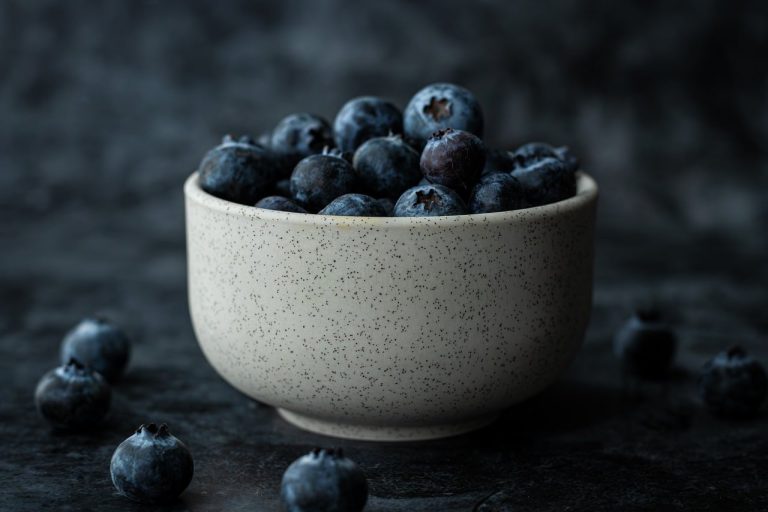
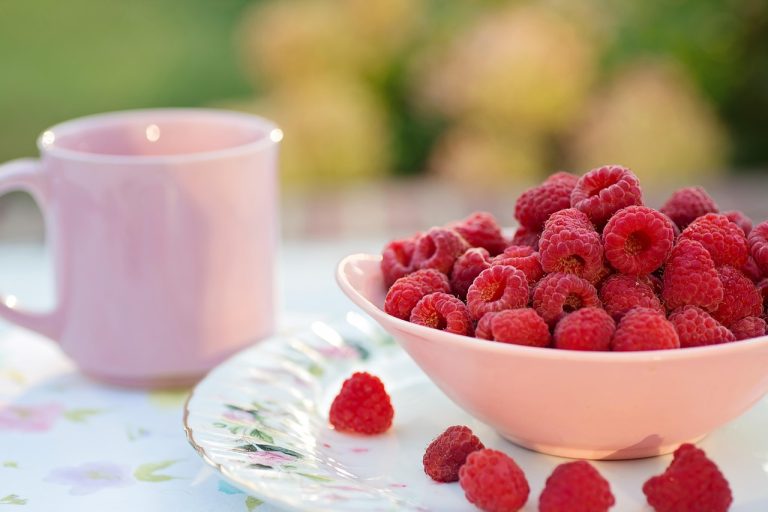
Organic berries, especially blueberries, raspberries, and strawberries, are often featured in healthy diet plans for good reason. They provide antioxidants, fiber, and natural sweetness without overwhelming the blood sugar response when paired well. Apples and citrus fruits offer similar benefits and can be easy grab-and-go options when your schedule is busy.
Fruit should not be feared in a weight loss plan. The key is balance. Pair fruit with protein or healthy fat, such as nuts, seeds, or plain yogurt, so your energy stays steady and your appetite remains under control.
5. Healthy fats that support satiety
Avocados, extra-virgin olive oil, walnuts, pumpkin seeds, hemp seeds, and chia seeds are all excellent organic food options for a healthy lifestyle. These fats help your body absorb fat-soluble vitamins and keep meals satisfying for longer periods. They can also support smoother digestion when included in appropriate portions.
Many people trying to lose weight make the mistake of cutting fat too aggressively. That usually leads to weak meals, stronger cravings, and a plan that does not last. A smarter approach is to include measured amounts of healthy fat in meals that are already rich in fiber and protein.
6. Clean protein sources
Protein is essential for satiety, muscle maintenance, and metabolic support. Organic eggs, poultry, Greek yogurt, wild-caught fish, tofu, tempeh, lentils, and beans can all fit into a gut-friendly meal plan. If you exercise regularly or want to lose weight without feeling deprived, protein deserves just as much attention as vegetables.
Ask yourself this simple question at every meal: where is the protein? That one habit can transform breakfast from a sugar spike into a stable source of energy, and it can make lunch far more satisfying.
[IMAGE: healthy meal]
How to Build a Day of Clean Eating for Weight Loss
The best healthy diet is one you can actually repeat. Instead of chasing complicated meal rules, focus on a structure that keeps you full, nourished, and energized. A well-designed day of organic food does not have to be expensive or time-consuming. It just needs to follow a clear pattern: protein, fiber, healthy fat, and enough fluid.
Here is what that could look like in practice.
Breakfast that stabilizes energy
Skip the idea that breakfast must be tiny or sweet. If you want to support weight loss and digestion, your first meal should help prevent a midmorning crash. Try organic Greek yogurt with berries, chia seeds, and walnuts. Or make a vegetable omelet with spinach, mushrooms, and avocado. If you prefer a plant-based option, overnight oats with flaxseed, cinnamon, and unsweetened almond milk can work beautifully.
- Include at least 20 grams of protein if possible
- Add a source of fiber such as berries, oats, or seeds
- Use healthy fats to increase fullness
- Avoid starting the day with sugary coffee drinks on an empty stomach
Lunch that keeps cravings away
Lunch is where many clean eating plans fall apart. People either under-eat, which leads to snack attacks later, or rely on a random salad that does not provide enough fuel. A better choice is a bowl that combines organic greens, roasted vegetables, a solid protein, and a nourishing dressing.
Think of a lunch built from quinoa, grilled chicken or chickpeas, cucumber, tomatoes, herbs, avocado, and olive oil. Or choose a lentil soup with a side salad and seeds. Meals like this support steady digestion and keep your afternoon focused instead of foggy.
- Choose at least two vegetables
- Add one high-quality protein source
- Use a simple dressing with olive oil, lemon, and herbs
- Keep portions balanced instead of loading the plate with one food group
Dinner that feels satisfying but light
At night, people often want comfort without heaviness. That is where organic food can shine. A dinner of baked salmon with roasted broccoli and sweet potato can feel warm, grounding, and easy to digest. A stir-fry with tofu, ginger, garlic, and mixed vegetables can do the same. The goal is not to eat as little as possible. The goal is to finish dinner feeling calm, nourished, and not in search of dessert five minutes later.
If you are trying to lose weight, the evening meal should support sleep and recovery, not trigger a late-night grazing session. A protein-rich dinner is one of the simplest ways to make that happen.
Smart snacks that support a healthy lifestyle
Snacking is not the enemy. Unplanned, low-quality snacking is. The best organic snacks are simple and portion-aware. Try apple slices with almond butter, a boiled egg with cucumber, plain yogurt with cinnamon, or carrots with hummus. These choices help you maintain blood sugar and avoid the common trap of reaching for refined foods when you are tired.
- Choose snacks that include fiber or protein
- Keep them small enough to complement meals, not replace them
- Prepare them ahead of time if afternoons are your weak spot
[IMAGE: fitness lifestyle]
A Gentle Detox Diet Using Organic Foods
The word detox is often used in extreme ways, but your body is already equipped with natural detox systems. Your liver, kidneys, digestive tract, and skin are constantly working to process and eliminate waste. What a detox diet should really do is support those systems by reducing unnecessary strain and increasing nutrient density.
That means a smart detox diet is not about starvation, juice-only plans, or punishing restrictions. It is about giving your body the materials it needs to do its job well. Organic food can make that easier by keeping the focus on simple, high-quality meals.
What to emphasize during a reset week
If you want to create a short reset focused on clean eating, choose ingredients that are easy to digest and rich in micronutrients. This might include steamed vegetables, berries, leafy greens, soups, herbs, hydrating fruits, fermented foods, and lean proteins. Add plenty of water and herbal teas. The result is a diet that feels lighter without becoming nutritionally thin.
A reset week can be especially useful after travel, holidays, or periods of stress eating. It helps you notice how your body feels when it is not constantly processing processed foods, excess sugar, and oversized portions.
What to reduce, not eliminate
Instead of banning entire food groups, reduce the foods that tend to crowd out better nutrition. That usually means ultra-processed snacks, sugary drinks, deep-fried foods, alcohol, and highly refined desserts. You do not need to turn your kitchen into a zone of fear. You simply need to make it easier for the foods that support digestion to take center stage.
- Reduce added sugar for several days and notice your appetite
- Limit highly processed snacks that do not keep you full
- Keep alcohol occasional if your goal is better energy and gut health
- Favor meals that are easy to identify by sight and ingredient list
Why hydration matters more than most people realize
Many people think they need a complicated supplement protocol when what they really need is water, minerals, and regular meals. Hydration supports digestion, circulation, and energy. If you are increasing fiber through organic food, you need enough fluid to help that fiber move comfortably through the digestive tract.
Try beginning the day with water before coffee, keeping a bottle nearby, and adding mineral-rich foods such as cucumber, celery, citrus, and leafy greens. Small habits often create the biggest change.
Organic Meal Prep Ideas for Busy Weeks
One of the biggest obstacles to healthy eating is not lack of motivation. It is lack of preparation. The people who seem to eat effortlessly well usually have a few reliable systems in place. Meal prep does not have to mean cooking every meal on Sunday. It can mean preparing ingredients that make clean eating faster during the week.
A 60-minute prep routine that actually helps
Start with two vegetables, one protein, one grain or starch, and one simple sauce. Roast a tray of organic broccoli and carrots, cook quinoa or brown rice, prepare boiled eggs or grilled chicken, and mix a lemon-herb dressing. You can then combine those ingredients in different ways for several meals.
- Wash and chop vegetables as soon as you get home from shopping
- Cook one big batch of grains or legumes
- Prepare two proteins to avoid boredom
- Store snacks in single portions so they are easy to grab
Meal prep also makes it easier to stick with weight loss goals. When a nutritious lunch is already waiting in the fridge, you are less likely to rely on convenience food that works against your progress.
Mix-and-match meal formulas
If you enjoy variety, use formulas rather than rigid recipes. For example:
- Base: greens, quinoa, cauliflower rice, or sweet potato
- Protein: eggs, chicken, tofu, salmon, lentils, or tempeh
- Vegetables: roasted, raw, or steamed seasonal produce
- Fat: avocado, olive oil, seeds, nuts, or tahini
- Flavor: herbs, citrus, ginger, garlic, mustard, or vinegar
This approach keeps clean eating flexible and prevents boredom, which is one of the biggest reasons people abandon healthy routines.
Common Mistakes That Stall Progress
Even a very good organic food plan can fail if it is built on unrealistic expectations. The goal is not to eat perfectly. The goal is to create a healthy diet that supports digestion, weight loss, and a sustainable healthy lifestyle.
Eating too little protein
Many people fill up on vegetables and still feel hungry because they are not eating enough protein. If you are active, trying to lose weight, or often feel unsatisfied after meals, check your protein intake first. A balanced plate should not leave you searching for snacks an hour later.
Relying on packaged organic foods
Organic labels can be useful, but they do not automatically turn a processed food into a nourishing one. Organic cookies, crackers, chips, and frozen desserts can still disrupt your nutrition if they dominate your diet. Use them as occasional extras, not staples.
Forgetting fiber and hydration
Fiber without water can be uncomfortable, and water without fiber can leave you unfulfilled. The two work together. If your gut feels sluggish, look at both at once. Are you eating enough vegetables, legumes, fruit, and seeds? Are you drinking enough fluids to support digestion?
Trying to be perfect for one week and quitting the next
Perfection is not a strategy. A healthy lifestyle is built through repetition, not intensity. If you eat well for three days and then completely fall off track, the problem is usually not willpower. It is an unsustainable plan. Make your meals simpler, your expectations clearer, and your routine easier to maintain.
A Simple Shopping List and 3-Day Starter Guide
If you are ready to turn ideas into action, begin with a short list. A thoughtful shopping trip can do more for your nutrition than a long list of goals you never implement. Start with foods that support digestion, energy, and weight loss without making your life more complicated.
Starter shopping list
- Organic spinach, kale, broccoli, cucumbers, carrots, and zucchini
- Organic berries, apples, lemons, and avocados
- Organic eggs, Greek yogurt, chicken, salmon, tofu, or lentils
- Organic oats, quinoa, brown rice, chia seeds, and flaxseeds
- Olive oil, pumpkin seeds, walnuts, garlic, ginger, and herbs
- Sauerkraut, kimchi, or kefir if you enjoy fermented foods
Three days of easy clean eating
Day 1: Start with yogurt, berries, and chia for breakfast. Have a grain bowl with greens and chicken for lunch. Finish with salmon, broccoli, and sweet potato at dinner. Snack on an apple with nut butter if needed.
Day 2: Make an omelet with vegetables and avocado. Eat lentil soup and salad for lunch. Choose tofu stir-fry with ginger and brown rice for dinner. Add cucumber slices and hummus between meals.
Day 3: Try overnight oats with flaxseed and walnuts. Prepare quinoa with roasted vegetables and eggs at lunch. For dinner, enjoy turkey or tempeh with sautéed greens and cauliflower. Keep hydration steady throughout the day.
By the end of three days, pay attention to how you feel. Are cravings lower? Is digestion smoother? Do you feel more mentally clear? Those signals are often the best proof that your healthy diet is working for you.
Organic food is most powerful when it becomes part of a realistic routine rather than a temporary experiment. When your meals are built around clean eating, balanced nutrition, and ingredients that support digestion, weight loss becomes less about force and more about flow. If you are ready to keep refining your healthy lifestyle, explore more practical guides on DietOrganic and keep building a kitchen that makes better choices easier every day.
About the Author