

Photo by NoName_13 on Pixabay
If your stomach feels unpredictable, your energy dips after meals, or you often wonder why one week of healthy eating seems to help and the next week does not, the answer may be closer to your plate than you think. Gut health is no longer a niche wellness topic; it sits at the center of digestion, immunity, mood, and even how easily your body manages weight. That is why organic food has become such a powerful part of a modern clean eating strategy. It is not about perfection or expensive ingredients. It is about choosing foods that work with your body instead of against it.
When people talk about a healthy diet, they often focus on calories alone. But nutrition is more than counting numbers. The quality of your food, how it is grown, how it is prepared, and how consistently you eat it can all influence bloating, cravings, bowel regularity, and energy. Have you ever noticed that some meals leave you light and satisfied while others make you sluggish or uncomfortable? Those differences matter. A gut-friendly way of eating can help you feel calmer after meals, support long-term weight loss, and make a detox diet feel less like restriction and more like renewal.
This guide takes a practical, elevated look at the best organic foods for gut health, the clean eating habits that make digestion easier, and the realistic changes that can support a healthy lifestyle without turning food into a full-time job. Whether you are trying to improve digestion, reduce bloating, or simply build a more nourishing routine, you will find ideas here that are simple enough to use today and smart enough to last.
Why Gut Health Deserves a Place at the Center of Clean Eating
Your gut does far more than process meals. It helps break down nutrients, supports the immune system, and communicates with the brain through a complex network that influences mood and appetite. When digestion is sluggish or irritated, everything can feel off. You may crave sugar, feel tired after lunch, or struggle with inconsistent hunger cues. That is why a healthy diet is not truly healthy unless it also supports your digestive system.
Organic food can play a useful role here because it often encourages a cleaner overall pattern of eating. When you choose more vegetables, fruits, legumes, whole grains, nuts, and fermented foods, you naturally increase fiber, antioxidants, and beneficial plant compounds. Those are the ingredients your gut microbes love. They help feed the beneficial bacteria that support regularity and may improve how your body handles inflammation. In other words, good nutrition is not only about what you avoid; it is about what you consistently supply.
There is also a behavioral benefit. People who shop for organic food often become more deliberate about their meals. They cook more often, read labels more carefully, and cut back on ultra-processed foods. That shift alone can improve digestion and help with weight loss over time. Could one simple decision at the grocery store really change the way you feel every day? For many people, the answer is yes.
How Organic Food Supports a Calmer Digestive System
Organic food is not a magic cure, and it is important not to oversell it. However, it can fit beautifully into a gut-friendly, clean eating approach. The value comes from the bigger picture: fewer heavily processed ingredients, more whole foods, and a stronger focus on quality. That combination can reduce the burden on digestion and create a more stable rhythm of eating.
Less exposure to unnecessary additives
Many conventional packaged foods contain emulsifiers, artificial flavors, refined oils, and excess sweeteners. These ingredients do not automatically cause problems for everyone, but they can make a sensitive digestive system work harder. Organic food prepared at home tends to be simpler. A bowl of vegetables, a handful of herbs, a piece of wild fish, or a serving of beans may seem basic, yet those simple meals often digest more comfortably than a long ingredient list hidden inside a wrapper.
More fiber from whole, minimally processed foods
Fiber is one of the most important nutrients for gut health, and it appears naturally in many organic foods such as leafy greens, apples, berries, chia seeds, oats, and lentils. Fiber helps move waste through the digestive tract, supports satiety, and feeds beneficial bacteria. If your current diet is low in fiber, increasing it slowly can make a major difference. The key is gradual change. Too much too quickly can create bloating, even when the foods are excellent.
A cleaner routine often leads to better habits
One of the most underrated benefits of organic food is how it changes the way people think about meals. Instead of grabbing whatever is convenient, you begin to ask better questions: What will fuel me? What will support my digestion? What can I prepare in advance so I do not rely on snacks that leave me sluggish? This shift matters because health is rarely built in one dramatic decision. It is built through small, repeatable choices that protect your energy and your confidence.
The Best Organic Foods for Gut Health
If you want to create a clean eating plan that supports digestion, start with foods that are naturally rich in fiber, water, enzymes, and beneficial microbes. The best organic foods for gut health are not exotic or complicated. They are often already familiar. The difference lies in how intentionally you choose and combine them.
Leafy greens and cruciferous vegetables
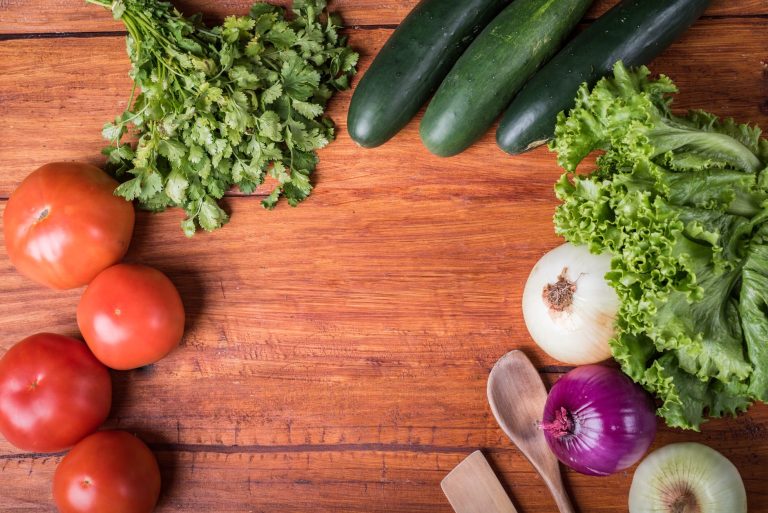
Organic spinach, kale, arugula, romaine, broccoli, cabbage, and Brussels sprouts belong at the top of the list. They are rich in fiber, folate, magnesium, and plant compounds that support overall nutrition. Leafy greens are also easy to work into meals in practical ways: blend them into smoothies, sauté them with garlic and olive oil, or layer them into bowls and omelets. Cruciferous vegetables bring a more robust flavor and are especially helpful for people who want a filling, nutrient-dense plate without relying on heavy starches.
[IMAGE: organic vegetables]
Fermented foods that bring beneficial bacteria
Fermented foods are among the most interesting tools in a gut-friendly clean eating routine. Organic yogurt with live cultures, kefir, sauerkraut, kimchi, miso, and tempeh can contribute beneficial bacteria or support the environment they need to thrive. These foods are not meant to replace fiber-rich vegetables, but they can complement them beautifully. A spoonful of sauerkraut with dinner or a bowl of plain organic yogurt with berries at breakfast may be a small habit with a meaningful effect.
Look for products with simple ingredients and no added sugar where possible. Many flavored yogurts, for example, are marketed as healthy but behave more like desserts. If you are aiming for weight loss as well as digestive support, plain versions are usually the better choice.
Prebiotic foods that feed your gut microbes
Prebiotics are fibers that act like fuel for the beneficial bacteria in your gut. Organic onions, garlic, leeks, asparagus, artichokes, green bananas, and oats are especially useful here. They are easy to overlook because they are not glamorous, but they quietly improve the quality of your nutrition. Add onions and garlic to soups, roast asparagus with olive oil, or mix oats with seeds and berries for a breakfast that keeps you full longer.
Prebiotic foods often work best when paired with plenty of water. Fiber needs fluid to move smoothly, so do not pile on gut-healthy foods while neglecting hydration. Digestion works better when your meals and your drinking habits are aligned.
Fiber-rich fruits with natural sweetness
Organic apples, pears, berries, kiwi, citrus, and pomegranate can satisfy sweet cravings without sending blood sugar on a roller coaster. They offer antioxidants and soluble fiber that can support a steadier digestive pace. Berries are particularly valuable in a healthy lifestyle plan because they are low in sugar compared with many desserts, yet rich in flavor and phytonutrients. Want something that feels indulgent but still fits clean eating? Fresh berries with plain yogurt and chia seeds are a smart answer.
Whole grains and legumes
Not every gut-friendly plan needs to be low carb. In fact, many people feel better when they include oats, quinoa, brown rice, buckwheat, chickpeas, black beans, and lentils in measured portions. These foods provide fiber, protein, and slow-burning energy that can stabilize hunger. If your body tolerates legumes well, they can be especially useful for weight loss because they help meals feel satisfying without requiring large amounts of calories.
If legumes have not been part of your routine before, begin with small servings. Rinsing canned organic beans thoroughly, cooking them until tender, and pairing them with herbs and vegetables can make them easier to digest. This is one place where patience pays off. Building tolerance gradually often leads to better long-term results than jumping in too quickly.
Healthy fats and quality proteins
A truly balanced organic food plan does not ignore fats and proteins. Avocados, walnuts, chia seeds, flaxseeds, olive oil, eggs, salmon, sardines, chicken, tofu, and tempeh all help create meals that stabilize hunger and reduce the urge to snack constantly. Protein and fat also slow digestion in a beneficial way, giving your body more time to absorb nutrients and keeping you satisfied longer.
Start with one protein anchor per meal
If you are unsure how to assemble meals for better digestion, begin with a protein anchor. A breakfast with eggs and greens, a lunch with lentils and vegetables, or a dinner with salmon and roasted broccoli gives your body structure. Once protein is in place, add fiber-rich plants and a moderate portion of healthy fat. This simple formula supports clean eating without requiring complicated rules.
A Clean Eating Framework That Supports Digestion Every Day
One of the easiest ways to improve gut health is to make your meals more predictable in the best possible way. When your plate follows a balanced structure, your body knows what to expect. That can reduce blood sugar swings, limit overeating, and make digestion feel less chaotic.
Try building meals with this pattern:
- Half the plate: organic vegetables, especially leafy greens, cucumbers, carrots, zucchini, broccoli, or cabbage
- One quarter of the plate: lean protein such as eggs, fish, tofu, chicken, or lentils
- One quarter of the plate: whole carbohydrates such as quinoa, oats, sweet potatoes, or brown rice
- One serving of healthy fat: olive oil, avocado, seeds, nuts, or tahini
- Optional probiotic addition: yogurt, kefir, sauerkraut, or miso
This is the kind of clean eating routine that feels sustainable. It leaves room for variety, but it also gives your digestion a dependable rhythm. If you are trying to improve weight loss results, this approach is especially useful because it reduces the temptation to graze all day on random snacks that never quite satisfy.
Another habit worth building is slower eating. Put the fork down between bites. Chew more than you think you need to. Notice the smell and texture of your food. Why does this matter? Because digestion starts in the mouth, and rushed eating can lead to swallowing more air, feeling fuller later than expected, and missing the natural signals that tell you when enough is enough.
How Organic Food Can Support Weight Loss Without Extreme Rules
Many people search for a detox diet because they want a reset. They want lighter meals, fewer cravings, and a way to feel in control again. The problem is that detox culture often turns into deprivation, and deprivation rarely lasts. A smarter path is to use organic food as the foundation of a gentle reset that supports both gut health and weight loss.
Why does this work? Because organic food, when used in a whole-food pattern, tends to replace calorie-dense processed snacks with nutrient-dense meals. Vegetables fill volume on the plate. Fiber slows digestion. Protein supports satiety. Fermented foods may help your meals feel more balanced. The result is not a crash diet but a healthier rhythm that makes consistent progress possible.
Weight loss becomes easier when you stop fighting your appetite and start managing it. A bowl of oats with berries and seeds may not sound revolutionary, but it can prevent mid-morning cravings. A lunch built around a big salad, avocado, chickpeas, and grilled chicken can leave you energized instead of sleepy. Dinner with roasted vegetables and salmon can be both satisfying and light. The goal is not to eat less at all costs. The goal is to eat smarter so that your body feels supported rather than deprived.
What a Gut-Friendly Organic Day Can Look Like
The best routines are the ones you can imagine repeating. If you are wondering how all of this comes together in a real day, here is a simple example of a gut-friendly organic menu that fits clean eating and healthy lifestyle goals.
Breakfast
Organic Greek yogurt topped with blueberries, chia seeds, and a spoonful of ground flaxseed. Add a side of warm oats if you need more energy. This breakfast provides protein, probiotics, antioxidants, and fiber in one neat package.
Lunch
A large bowl with mixed greens, cucumber, shredded carrots, chickpeas, avocado, pumpkin seeds, and grilled chicken or tofu. Dress it with olive oil, lemon, and herbs. The combination of crunch, freshness, and healthy fats keeps lunch satisfying without feeling heavy.
Snack
An apple with almond butter or a small handful of walnuts and a kiwi. If you want a fermented option, try plain kefir with cinnamon. This kind of snack prevents the energy crash that often leads to sugary choices later in the day.
Dinner
Wild salmon, roasted broccoli, and quinoa with garlic and parsley. Finish with a small serving of sauerkraut or fermented vegetables if you enjoy them. Meals like this are simple, but they check every important box: protein, fiber, healthy fats, and flavorful ingredients that support digestion.
[IMAGE: healthy meal]
Evening reset
Instead of reaching for dessert out of habit, try herbal tea and a short walk. Many people are surprised by how much better they sleep when dinner is balanced and the evening is calm. Good digestion is not only about food; it is also about the pace of your day.
Organic Clean Eating Mistakes That Can Upset Digestion
Even well-intentioned people make clean eating mistakes. Some of the biggest issues happen when healthy habits become too extreme. If you want an organic food plan that truly supports gut health, watch out for these common traps.
- Eating too much raw fiber too quickly, which can cause bloating and discomfort
- Assuming every organic packaged snack is healthy, even when it contains a lot of sugar or refined starches
- Skipping protein and then getting hungry enough to overeat later
- Using a detox diet that relies on juices alone instead of whole foods
- Drinking too little water while increasing fiber
- Eating late at night because meals were too small during the day
- Expecting instant results and giving up before your system has time to adapt
The mistake many people make is believing that clean eating has to be restrictive to be effective. In reality, the best approach is usually the one that is nourishing, repeatable, and easy on digestion. Organic food should help you feel more stable, not more stressed.
What a Realistic Detox Diet Should Actually Do
The word detox is everywhere, but your body already has powerful detoxification systems built in. The liver, kidneys, digestive tract, and skin all work continuously to remove waste. That means a useful detox diet is not about forcing dramatic purges. It is about reducing the burden on your body so those natural systems can do their job well.
A practical detox diet based on organic food might include more vegetables, more water, fewer sugary drinks, fewer processed snacks, and more regular meals. It may also mean cutting back on alcohol for a few weeks, choosing herbal teas, and getting enough sleep. These habits do not sound flashy, but they are the habits most likely to improve digestion and energy.
Ask yourself: if I wanted my gut to feel calmer for the next month, what would I remove first? What would I add? Usually the answer is not a strange powder or a dramatic cleanse. It is more vegetables, more simple cooking, more hydration, and fewer things that upset the stomach.
Organic Grocery Shopping Tips for Better Nutrition
You do not need to buy everything organic at once to create a healthier routine. In fact, many people do better by starting with a few high-impact swaps. That keeps the process affordable and less overwhelming.
Consider prioritizing these categories first:
- Leafy greens and salad vegetables
- Berries and apples
- Eggs and dairy, if you consume them
- Oats, beans, and grains you eat often
- Foods you use without peeling, such as cucumbers and peppers
If your budget is tight, frozen organic vegetables are a strong option. They are often picked and frozen at peak freshness, which helps preserve nutrition and makes meal prep easier. Canned organic beans, plain organic yogurt, and bulk oats can also stretch your grocery budget while still supporting a healthy lifestyle.
How to read labels without getting overwhelmed
Look for short ingredient lists. If a product claims to be healthy but contains multiple forms of sugar, flavorings, or long chemical names you would never use at home, pause before buying it. Also pay attention to serving size. A food can look impressive on the front label and still be easy to overeat if the portions are too small or too processed. Clean eating works best when the label and the ingredient list tell the same story.
Keep the label test simple
Ask three questions: Would I recognize these ingredients in my kitchen? Can I picture the food in its natural form? Will this help or hinder my digestion after a long workday? If the answer is unclear, choose the simpler option.
Movement, Hydration, and Sleep: The Missing Pieces of Gut Health
Food matters deeply, but it is not the only factor. Your digestion also responds to movement, hydration, and rest. A short walk after lunch can help reduce bloating and support regularity. Gentle exercise can move food through the digestive tract and improve blood sugar control, which is useful for both nutrition and weight loss.
[IMAGE: fitness lifestyle]
Hydration is equally important. Water helps fiber do its job. Herbal teas, sparkling water without added sugar, and water-rich produce like cucumbers and melons can all contribute to a more comfortable digestive rhythm. If you often feel constipated or sluggish, this may be one of the first places to look.
Sleep deserves attention too. Poor sleep increases cravings, changes hunger hormones, and can make healthy choices harder the next day. A clean eating plan is easier to follow when your body is rested enough to make good decisions. That is one reason a healthy lifestyle should never be reduced to food alone. True wellness is a system, not a single rule.
How to Make This Lifestyle Sustainable
The strongest plans are the ones that fit real life. You do not need to cook elaborate meals every day to enjoy the benefits of organic food and gut-friendly nutrition. You only need a few repeatable systems that make healthy eating feel easier than the alternative.
Use a simple meal prep rhythm
Choose one day to wash greens, roast vegetables, cook a grain, and prepare a protein. Store components separately so you can mix and match during the week. When meals are already half prepared, it becomes much easier to avoid impulsive choices that work against digestion.
Keep three emergency meals on hand
- Plain yogurt or kefir with berries and seeds
- Frozen vegetables with eggs and olive oil
- Bean and quinoa bowls with herbs and avocado
These are the kinds of meals that prevent fast food detours when life gets busy. They also prove that clean eating does not have to be elaborate to be effective.
Allow flexibility without losing direction
Maybe you eat mostly organic food at home but have a non-organic meal when traveling. Maybe you choose a detox diet reset for three days after a holiday and then return to your normal routine. The exact pattern matters less than your ability to return to balance. One meal does not define your health. A pattern does.
If your routine has been chaotic, focus on the next best choice instead of trying to fix everything at once. Add vegetables to dinner. Drink more water. Replace one processed snack with fruit and nuts. Walk after meals. Small actions like these may not look dramatic, but they often create the most lasting change.
Who Benefits Most from a Gut-Friendly Organic Approach?
Almost anyone can benefit from eating more whole foods, but certain people may notice especially meaningful improvements. If you often feel bloated after meals, struggle with cravings, feel sluggish in the afternoon, or want to lose weight without extreme diets, a gut-friendly organic plan may be an excellent fit. It can also help people who want a more mindful relationship with food, because it encourages you to focus on nourishment rather than restriction.
That said, people with chronic digestive symptoms, food intolerances, or medical conditions may need personalized advice. Organic food is a strong foundation, but nutrition needs can vary widely. The smartest approach is one that respects your body rather than forcing it into a trend.
Ask yourself what success would actually look like. Is it less bloating? Better energy? Fewer sugar crashes? A more comfortable digestive routine? Once you define the outcome, your food choices become much easier to guide.
When you build your meals around organic food, clean eating principles, and a balanced understanding of nutrition, you create more than a diet. You create a daily pattern that supports digestion, steadier energy, and a healthier relationship with your body. That is what makes the approach powerful: it is simple enough to live with and strong enough to change how you feel. If this kind of wellness speaks to you, keep exploring more articles on DietOrganic and let your next meal be the first step toward a calmer gut and a more confident healthy lifestyle.
About the Author